For most of medical history, cancer screening has been a story of one organ at a time. The mammogram for breast tissue. The colonoscopy for the colon. The low dose CT for the lungs of long term smokers. The Pap smear for the cervix. Each test required its own appointment, its own machine, its own patient cohort, and its own statistical apparatus to prove that catching disease early actually saved lives.
The result is a paradox that has frustrated oncologists for decades. The five guideline recommended cancer screens cover only about five of the more than two hundred kinds of cancer a human body can develop. The cancers that kill the most Americans, including pancreatic, ovarian, esophageal, gastric, and most blood and brain cancers, have no recommended early detection test at all. Roughly seventy percent of cancer deaths in the United States come from cancers without any screening pathway whatsoever, according to data the GRAIL team has cited from the National Cancer Institute SEER registry.
A new class of test wants to change that math. Multi-cancer early detection, abbreviated MCED, is a blood draw that scans cell free DNA fragments in plasma for the molecular fingerprints of dozens of cancer types at once. The most discussed of these tests, GRAIL’s Galleri, claims to detect signal for more than fifty cancers from a single seven and a half milliliter tube of blood, and to predict the likely tissue of origin with high accuracy when a positive signal is found. Galleri is not the only such test. Exact Sciences, Freenome, Helio Genomics, Singlera, Burning Rock, and a growing list of academic groups are racing to bring their own MCED platforms to clinical use.
In 2026, the field is finally moving past the promising biology and into the hard part: large randomized trial readouts. The NHS-Galleri trial, the largest randomized study of multi-cancer detection ever conducted, has reported its initial outcomes. The PATHFINDER 2 study, GRAIL’s prospective evaluation in roughly thirty five thousand United States adults, has expanded the real world evidence base. The United States Preventive Services Task Force has issued its first formal review of MCED tests. And the United States Food and Drug Administration is wrestling with a regulatory question it has never had to answer before: what does it mean for a single blood test to screen for fifty diseases simultaneously?
This is the story of where the science actually stands, what the 2026 evidence shows, and how to think clearly about a technology that may either become one of the most consequential public health innovations of the twenty first century or one of its most expensive lessons in the limits of screening.
## The Science of Cell Free DNA Methylation
Every minute of every day, your cells are dying. Most of the time this is healthy. Cells that have completed their job, taken on too much damage, or been targeted for renewal release their contents into the bloodstream as they die. Among those contents are short fragments of DNA, typically between one hundred and two hundred base pairs long, called cell free DNA, or cfDNA. A healthy adult carries between five and ten nanograms of cfDNA per milliliter of plasma at baseline, with the vast majority shed by white blood cells in the bone marrow.
Tumors do the same thing. As cancer cells die in the course of normal turnover or as they outgrow their blood supply, they release cfDNA into the circulation. The portion of total cfDNA that comes from a tumor is called circulating tumor DNA, or ctDNA. Even in advanced cancer, ctDNA is rare. In stage one disease it can be a fraction of a percent of total cfDNA. The signal is buried in noise.
The first generation of liquid biopsies, pioneered by Guardant Health, Foundation Medicine, and others in the early 2010s, looked for ctDNA the obvious way. They sequenced the cfDNA pool and searched for cancer associated mutations in genes like KRAS, EGFR, TP53, and BRAF. This works well in patients who already have a known tumor, where the mutation profile is informative for treatment selection. It works far less well as a general screening tool. Mutations alone do not reveal where in the body a cancer started. Worse, the same mutations can arise in clonal hematopoiesis, the age associated proliferation of mutated blood stem cells covered in our earlier reporting on cardiovascular risk. A KRAS mutation in plasma might mean pancreatic cancer, lung cancer, colon cancer, or simply an aging immune system.
The MCED breakthrough was to look at a different layer of the genome. Each cell type in the body carries the same DNA but uses a different pattern of methylation, a chemical modification that tags cytosine bases and silences or activates nearby genes. Liver cells methylate a characteristic set of regions. Colon cells methylate another. Breast cells another. When a cell dies and its DNA enters the bloodstream, that methylation pattern travels with it.
Cancer cells have profoundly disordered methylation. They typically show global hypomethylation, with characteristic regions of focal hypermethylation at tumor suppressor gene promoters. The disordered pattern is so consistent within tumor types that it serves as a tissue specific signature, a barcode that says, in effect, this cfDNA fragment came from a transformed cell, and it came from this kind of tissue.
GRAIL’s contribution was to build a machine learning classifier on top of these methylation signals. The Galleri assay sequences plasma cfDNA at targeted methylation regions chosen for their cancer specificity. A neural network trained on thousands of patients with known cancers learns to distinguish the methylation patterns of cancer cfDNA from benign cfDNA, and to predict the cancer signal origin, the most likely tissue from which the signal arose. The training data spans more than fifty cancer types and tens of thousands of patients accumulated through the Circulating Cell free Genome Atlas study, which began in 2016 and has been continuously expanded.
The result is a test that does something previously impossible. From a single blood draw, it returns a binary cancer signal detected or not detected result, and when positive, names the one or two most likely organs to investigate further. In GRAIL’s published validation work in the journal Annals of Oncology, the test detected cancer signal across more than fifty cancer types with a specificity of around 99.5 percent and an overall sensitivity that scaled steeply with stage, from roughly 16 percent in stage one to 90 percent in stage four. The cancer signal origin prediction was accurate in roughly 88 percent of true positives.
That stage dependent sensitivity is both the promise and the trap of MCED, and it is the reason the field has spent the last several years waiting for randomized trial data.
## The NHS-Galleri Trial
Most cancer screening tests promise to find disease earlier, in a less aggressive form, and so to reduce the chance that the patient will die of it. Whether they actually do that is a question only a randomized trial with mortality endpoints can answer. The history of cancer screening is full of tests that detected more cancers without ever reducing the number of people who died from those cancers, the phenomenon known as overdiagnosis. Catching a tumor that would never have caused symptoms is not a benefit. It is a harm.
The NHS-Galleri trial, sponsored by NHS England and the cancer research charity Cancer Research UK and run by the Sarah Cannon Research Institute, was designed to settle that question for MCED testing. Beginning in 2021, the trial enrolled roughly 140,000 adults aged 50 to 77 across eight regions of England. Participants were randomized in a one to one ratio to receive either three annual Galleri tests or to continue with routine cancer screening alone. The primary endpoint, with an interim readout planned in 2026 and a definitive analysis to follow, was the rate of stage three and stage four cancers diagnosed in the screened arm versus the unscreened arm. The design hinged on a stage shift hypothesis: if MCED works, the rate of late stage diagnoses should fall.
The interim results, which were the most anticipated readout of the year for the cancer screening field, are now available and have provoked an active debate among epidemiologists and oncologists. The screened arm did show a meaningful reduction in late stage cancer incidence among the cancers Galleri is designed to detect, and the test detected a substantial number of cancers, including several deadly cancers without other screening pathways, that would otherwise have presented later and symptomatically. But the magnitude of the stage shift was smaller than the most optimistic pre-specified scenarios. Critically, the interim data set is not yet powered for the cancer specific mortality endpoint, which will require longer follow up and the accrual of additional events.
The cautious read from the principal investigators, including Peter Sasieni at Queen Mary University of London and Charles Swanton at the Francis Crick Institute, is that the trial is consistent with a real benefit but not yet definitive. The exuberant read from MCED proponents is that any meaningful late stage shift in a randomized blood test is a historic first. The skeptical read from veterans of the cancer screening wars, including those who lived through the PSA testing controversy and the long debate over CT lung screening, is that the trial confirms what they suspected: that MCED will help some patients, harm others through false positives and overdiagnosis, and that sorting the two will require years more data.
What is no longer in doubt is that an MCED test can be implemented at scale. NHS-Galleri showed that a routine blood draw at a community clinic, processed at a central laboratory, with a positive result triggering a defined workup pathway through the National Health Service, is operationally feasible. That alone is a meaningful answer to a question the field had been asking.
## PATHFINDER, PATHFINDER 2, and the Real World Picture
While the United Kingdom was running a randomized trial, the United States was running an arguably harder kind of study: a real world evaluation of MCED testing inside the messy, decentralized American health system. The original PATHFINDER study, published in Lancet Oncology in 2023, enrolled 6,621 adults at least 50 years old across seven health systems and offered them a single Galleri test. About 1.4 percent of participants had a cancer signal detected. Of those, the test correctly localized the tissue of origin in the great majority of true positive cases. The diagnostic resolution time, the interval between a positive test and a definitive diagnosis or rule out, was a median of about two months, considerably shorter than what many had feared for a multi-cancer follow up.
PATHFINDER 2, the much larger successor study, has enrolled approximately 35,000 participants across an expanded network of health systems, with results being released through 2026. The early readouts confirm and extend the original picture. In a group of adults broadly representative of the screening eligible population, MCED testing detected a small but meaningful number of cancers per thousand tested, the cancer signal origin prediction held up in a real world setting, and the false positive rate stayed near the validation estimate.
The unresolved questions remain the same. How much of the cancer detected was already destined to cause harm and how much represented overdiagnosis? How does the false positive workup affect patients who turn out not to have cancer, in financial cost, follow up imaging exposure, and psychological burden? How does serial annual testing change the risk benefit balance compared with single tests? PATHFINDER 2 will inform some of these questions. The randomized REACH study, expected to begin reporting in the late 2020s, is designed to answer the rest.
## The Competitive Landscape
Galleri has dominated the headlines, but it is far from the only MCED test in development. Exact Sciences, the company behind the Cologuard stool DNA test, has built its own MCED platform called Cancerguard, which uses a combination of methylation, mutation, and protein biomarkers and entered prospective evaluation in 2025. Freenome, founded in San Francisco and backed by RA Capital and Andreessen Horowitz, has focused initially on colorectal cancer with its blood test approved by the FDA in 2024, with an MCED platform under continued development. Helio Genomics, based in Irvine, California, is developing the HelioLiver test for hepatocellular carcinoma in high risk populations, with broader MCED applications under study. Burning Rock Biotech and Singlera Genomics, both based in China, are pursuing MCED tests targeted to the cancer types most prevalent in Asian populations, including hepatocellular and gastric cancer.
Two distinct philosophies are emerging within the field. The methylation only camp, exemplified by Galleri, bets that the methylation signal is the most informative and most generalizable feature of cancer cfDNA. The multimodal camp, exemplified by Cancerguard and several academic programs, bets that combining methylation with fragment size patterns, mutation signals, and circulating protein biomarkers will improve sensitivity, particularly in early stage disease where ctDNA is scarce. Both approaches are scientifically defensible, and the next several years of comparative data will likely sort the question.
A third philosophy is to abandon the multi-cancer ambition entirely and build single cancer or organ system specific blood tests with very high performance. Guardant Health’s Shield, the FDA approved blood test for colorectal cancer screening, is the most prominent example. The Shield approval in 2024 marked the first time the FDA had approved a primary screening blood test for any cancer, and it set a regulatory benchmark that the multi-cancer tests will eventually have to meet.
## The Regulatory and Reimbursement Question
The Galleri test is currently sold in the United States as a laboratory developed test through GRAIL’s CLIA certified laboratory. It does not require FDA approval to be ordered by a physician. Patients pay roughly nine hundred and fifty dollars out of pocket. Medicare does not reimburse for MCED testing. Most commercial insurers do not either. The economic model has been driven by employer sponsored programs, executive physicals, and direct to consumer demand among adults motivated to seek the test on their own.
That model is unlikely to scale. For MCED to enter routine medical practice, the FDA will need to approve a specific MCED indication, the United States Preventive Services Task Force will need to issue a recommendation, and the Centers for Medicare and Medicaid Services will need to establish reimbursement. Each of those bodies has its own evidentiary standards. The USPSTF in particular requires randomized trial evidence of mortality benefit, the kind of data NHS-Galleri is designed to provide and PATHFINDER 2 is not. Bipartisan legislation introduced in the United States Congress, the Medicare Multi-Cancer Early Detection Screening Coverage Act, would create a Medicare benefit category for MCED tests that meet a defined performance threshold. As of 2026 the bill remains under consideration.
The international picture is more variable. The United Kingdom is leading on rigorous evaluation through NHS-Galleri. Germany, France, and Japan have launched smaller scale pilots. Australia has approved limited use through private channels. China has a uniquely fragmented landscape, with several domestic developers operating ahead of Western regulatory norms.
## Where the Real Skepticism Lives
The most thoughtful critics of MCED are not opponents of the technology. They are screening epidemiologists who have watched this movie before. The history of cancer screening, from PSA for prostate cancer to thyroid ultrasound to whole body MRI, includes multiple examples of tests that found more disease without saving more lives. The reason is overdiagnosis: detecting indolent cancers that would never have caused symptoms before the patient died of something else. Once detected, those cancers are treated, and the treatment itself causes harm.
H. Gilbert Welch at the Center for Surgery and Public Health, Adewole Adamson at the University of Texas at Austin, and Vinay Prasad at the University of California, San Francisco, have all argued that MCED testing carries real overdiagnosis risk that cannot be assessed from sensitivity and specificity numbers alone. Their concern is that detecting more cancers, even with high specificity, can still drive a net harm if the cancers detected are disproportionately indolent.
The MCED proponents’ counterargument is that the cancers being detected, particularly the late stage cancers without screening pathways like pancreatic and ovarian, are the ones we know cause most cancer deaths. Catching pancreatic cancer at stage one rather than stage four is unlikely to be overdiagnosis given that the disease is almost universally lethal once symptomatic. The overdiagnosis concern, the proponents argue, applies primarily to the indolent end of the cancer spectrum, not the deadly cancers MCED is most useful for.
Both arguments are partly right. The path forward is the path the field is now on: long term randomized data with mortality endpoints, careful surveillance of overdiagnosis signals, and a reimbursement framework that conditions coverage on continuing evidence generation.
## What This Means For You
For most adults, MCED testing in 2026 is best thought of as a tool with a real but partial evidence base, available out of pocket, that may be reasonable for some people and premature for others. A few practical considerations:
First, MCED tests do not replace the standard screening tests. Mammography, colonoscopy, low dose CT for high risk smokers, and cervical screening have decades of randomized evidence behind them. An MCED test that misses a mammographically detectable breast cancer or a colonoscopy detectable colon polyp is a poor substitute. If you are due for any of the standard screens, get those first. Use MCED as a complement, not a replacement.
Second, the test is most useful in adults at elevated background risk of cancer, including those over 65, those with strong family histories, those with known cancer predisposition syndromes such as Lynch or BRCA mutations, and those with significant smoking, alcohol, or other modifiable risk exposure. The base rate of cancer in younger, lower risk adults is low enough that the positive predictive value of an MCED test in that population is modest, and the workup of false positives can outweigh the benefit.
Third, if you do test, do it with a plan. A positive MCED result is the start of a diagnostic workup, not a diagnosis. The workup typically involves dedicated imaging, often a PET CT, of the predicted tissue of origin, followed by biopsy if a lesion is identified. Make sure your physician is comfortable interpreting the result and has access to the recommended workup pathway. GRAIL provides a clinician portal and decision support for Galleri positive results.
Fourth, a negative MCED result is not a guarantee of cancer freedom. The test misses many early stage cancers. It detects roughly half of the cancers at the stages most amenable to treatment, and that detection rate falls steeply for the smallest tumors. A negative result should not change your behavior on standard screening, on lifestyle risk reduction, or on attention to symptoms.
Fifth, the field is moving fast. The 2026 results from NHS-Galleri and PATHFINDER 2 are interim. The definitive randomized mortality data are still several years away. Any decision you make now about MCED testing is being made under uncertainty, and the appropriate response is to revisit the question as evidence accrues.
The larger story behind the MCED moment is that cancer screening is becoming molecular. The age of one organ at a time, one machine at a time, one test at a time is giving way to an age in which a tube of blood, sequenced and interpreted by a trained model, can ask one question of dozens of tissues simultaneously. Whether that promise translates into lives saved, or whether it instead produces the next chapter in the long history of cancer screening’s unintended consequences, will be one of the defining questions of the next decade in oncology.
What is no longer in question is that the technology works at the level of biology. The cfDNA methylation signal is real. The tissue of origin prediction is real. The early detection in cancers without screening pathways is real. Whether the system around the test, including the physicians, the workup, the reimbursement, and the regulatory framework, can match the technology’s promise is the open question. That is the question 2026 has begun to answer, and that 2027 and 2028 will continue to clarify.
For the field of longevity medicine, the implications are substantial. Cancer is one of the four villains of healthspan, and catching it years earlier than current screens allow would meaningfully bend the late life mortality curve for millions of adults. The MCED moment is, in this sense, of a piece with the other 2026 longevity stories, including the proteomic organ aging tests, the senolytic Phase 1 readouts, and the AI driven drug discovery pipelines. Each of these technologies works at a layer of biology that medicine could not previously read. Each will succeed or fail based on whether the system around the technology can keep up.
For Multi-Cancer Early Detection, the answer is now closer than it has ever been.
Free Daily Briefing
Presented By Our Partners
The Latest Longevity Science. Delivered Every Morning.
Join researchers, physicians, and health professionals getting daily breakthroughs in AI-driven medicine, epigenetics, and longevity research.
Support the research that powers this editorial
No spam. Unsubscribe anytime. We respect your inbox.
Featured Partner
Invest in the Infrastructure Behind Modern Medicine
As healthcare expands beyond hospital walls, the buildings and campuses supporting that shift are generating compelling returns for investors who move early. The Healthcare Real Estate Fund offers qualified investors direct access to a curated portfolio of medical office, outpatient, and specialty care facilities.
The wearable breast pump category was born from a simple observation: the technology meant to help mothers sustain breastfeeding was itself a barrier to breastfeeding. Willow Go brings that innovation…
A randomized controlled trial from the University of Nottingham has delivered a striking result: a simple, daily prebiotic fiber supplement reduced knee osteoarthritis pain in six weeks, rivaled the effects…
A comprehensive at home blood testing platform that combines finger prick convenience with CLIA certified lab analysis, dedicated nurse support, and physician reviewed results across dozens of health panels. Presented…
🧬 SuperAger Neurogenesis Decoded — 80-year-olds who stay cognitively sharp produce 2x more new hippocampal neurons than peers, revealing neurogenesis as a key driver of lifelong cognitive resilience. 🏮 Ancient Exercise Rivals Blood Pressure Meds — A year-long JACC trial confirms Baduanjin, an 800-year-old Chinese mind-body practice, lowers blood pressure as effectively as medications and walking programs alike. 💊 Semaglutide Proven Effective at 65+ — A pooled STEP program analysis at ECO 2026 shows adults over 65 achieve 15.4% weight loss on semaglutide with strong cardiometabolic improvements, resolving key uncertainty about the drug in older populations. 🩺 AI Stethoscopes Proven in National Trial — The UK TRICORDER trial across 205 NHS practices and 1.5 million patients confirms AI-enabled stethoscopes accelerate cardiovascular diagnoses, marking a milestone for clinical AI deployment at scale. 📊 Largest Wearables Dataset in History Goes Public — NIH's All of Us program releases a 59,000-participant, 14-year Fitbit dataset in Nature Medicine, giving researchers an unprecedented tool for digital biomarker discovery across diverse populations.
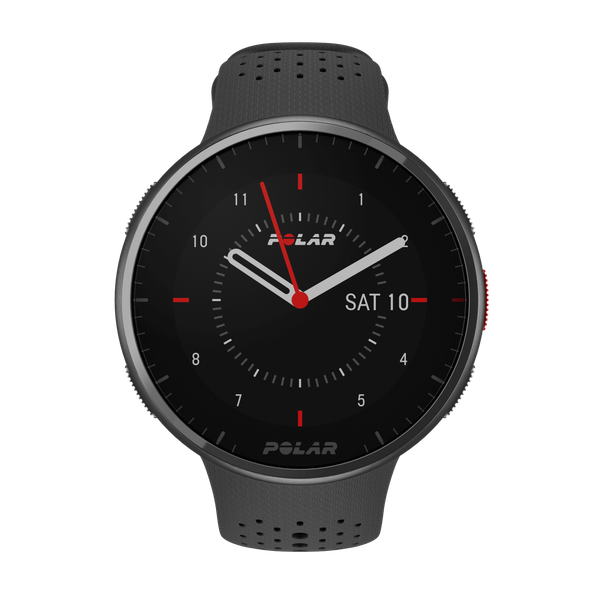
At 41 grams with an integrated barometer, running power, and Polar’s full Training Load Pro analytics, the Pacer Pro delivers serious running science at $349.90 with no subscription required. Presented…
Google quietly embedded a sleep laboratory’s most basic measurement principle inside a $99 alarm clock. The question is whether convenience can compensate for clinical depth. Presented By Our Partners The…
Zach Roberts
Sign up for personalized wellness coaching and the Daily Discovery Newsletter.