

The Breather Respiratory Trainer: FDA Cleared Inspiratory and Expiratory Muscle Training
An FDA cleared device that trains both sides of the breath, offering combined inspiratory and expiratory resistance for pulmonary rehabilitation, athletic performance, and daily respiratory health.
Presented By Our Partners



In the intensive care units of hospitals around the world, one of the earliest milestones for patients recovering from mechanical ventilation is the ability to generate enough inspiratory force to breathe independently. The muscles of respiration, weakened by days or weeks of assisted breathing, must be retrained before a patient can leave the ventilator behind. This clinical reality gave rise to an entire category of respiratory muscle training devices, tools originally designed for the sickest patients that researchers later discovered could benefit healthy people, athletes, and aging adults as well.
A 2012 systematic review published in Sports Medicine by Illi et al. examined 46 studies of respiratory muscle training in healthy individuals and found a striking result: combined inspiratory and expiratory muscle training produced 12.8% greater performance improvements compared to inspiratory only training. The finding suggested that the complete breathing cycle, not just inhalation, deserves targeted strengthening. Yet most consumer respiratory trainers on the market focus exclusively on inspiratory resistance. The Breather is one of the few devices that trains both directions of the breath through independent resistance dials, and it carries FDA clearance to back its clinical positioning.
What Is The Breather?
The Breather is a handheld respiratory muscle training device manufactured by PN Medical (formerly Breathing Technologies) that provides adjustable resistance on both inhalation and exhalation through two independent dials. The inspiratory dial offers five resistance levels, and the expiratory dial offers four levels, allowing users and clinicians to customize training intensity for each phase of the breathing cycle separately.
The device is compact, lightweight, and entirely mechanical. There are no batteries, no electronics, and no subscription. You place the mouthpiece between your lips, inhale against the set inspiratory resistance, then exhale against the set expiratory resistance. A standard training session consists of two sets of ten breaths, performed twice daily, taking approximately five to ten minutes total. The device includes a nose clip to ensure all airflow passes through the mouthpiece.
The Breather is FDA cleared as a Class II medical device (510(k) cleared) for respiratory muscle training, a regulatory distinction that separates it from most consumer breathing trainers classified as general wellness products. This clearance means The Breather has demonstrated substantial equivalence to predicate devices in safety and effectiveness for its intended use in strengthening respiratory muscles. The device retails between $39.99 and $59.99 depending on the model variant, making it one of the most affordable clinically validated respiratory trainers available.
The Science Behind Combined Respiratory Muscle Training
The respiratory system operates through two distinct muscular actions. Inhalation is driven primarily by the diaphragm and external intercostal muscles, which expand the thoracic cavity and create negative pressure that draws air into the lungs. Exhalation during quiet breathing is largely passive, but during exercise, speech, coughing, and forceful breathing, the internal intercostals and abdominal muscles actively compress the thoracic cavity to expel air. Training only one side of this equation leaves half the respiratory musculature unaddressed.
The clinical rationale for combined training is supported by multiple lines of evidence. The Illi et al. 2012 meta analysis in Sports Medicine found that among 46 studies, combined inspiratory and expiratory strength training yielded a 12.8% larger improvement in exercise performance compared to inspiratory only training (95% CI: 3.6% to 22.0%, p = 0.006). While this finding was based on six studies, it represented a statistically significant advantage for bidirectional training. The analysis also found that less fit individuals benefited more from respiratory muscle training than highly trained athletes, with improvements of approximately 6.0% per 10 mL/kg/min decrease in VO2 max.
On the cardiovascular side, a 2021 randomized controlled trial published in the Journal of the American Heart Association by Craighead et al. demonstrated that high resistance inspiratory muscle strength training reduced systolic blood pressure by 9 mmHg and improved endothelial function by approximately 45% in adults aged 50 to 79. While this trial used inspiratory only loading, the underlying mechanism (reduced sympathetic activation and improved nitric oxide bioavailability) would theoretically be augmented by additional expiratory training that engages the abdominal muscles and further modulates intra-abdominal and intrathoracic pressures.
For clinical populations, expiratory muscle training holds particular relevance. Effective coughing, which is critical for airway clearance in COPD, post surgical recovery, and neuromuscular disease, depends on expiratory muscle strength. A weakened cough increases infection risk and prolongs hospital stays. The Breather’s dual resistance design addresses this directly by strengthening both the inspiratory muscles needed for deep inhalation (the “wind up” phase of a cough) and the expiratory muscles needed for forceful air expulsion.
Cardiovascular disease stands as one of the Four Villains in Healthcare Discovery‘s longevity framework. The intersection of respiratory muscle strength, blood pressure regulation, and autonomic balance positions respiratory training devices as surprisingly relevant tools in the broader fight against chronic disease. That is the science. Here is how The Breather applies it.
What The Breather Does Well
The Breather’s defining advantage is its dual direction training capability with independent resistance control. Rather than forcing users to choose one resistance level for the entire breathing cycle, the two separate dials allow precise calibration of inspiratory and expiratory loads. This matters clinically because many patients (and healthy users) have asymmetric respiratory muscle strength, and the ability to address each independently is a meaningful therapeutic advantage.
The FDA 510(k) clearance is a genuine differentiator. In a market flooded with general wellness respiratory devices, The Breather has undergone the regulatory scrutiny required to demonstrate safety and effectiveness for its intended medical use. This clearance enables clinicians to prescribe and recommend it with confidence, and it positions the device for potential insurance reimbursement in certain clinical contexts. For speech language pathologists, pulmonologists, and physical therapists, the FDA clearance converts The Breather from a “wellness gadget” into a clinical tool.
Featured Partner
Invest in the Infrastructure Behind Modern Medicine
As healthcare expands beyond hospital walls, the buildings and campuses supporting that shift are generating compelling returns for investors who move early. The Healthcare Real Estate Fund offers qualified investors direct access to a curated portfolio of medical office, outpatient, and specialty care facilities.
Learn More →
The price point ($39.99 to $59.99) makes it the most accessible FDA cleared respiratory trainer on the market. With no subscription, no batteries, and no app requirement, the total cost of ownership is the purchase price alone. The device is simple enough for elderly patients to use independently and durable enough for daily use over months or years. PN Medical also provides downloadable training protocols and educational materials at no additional cost, partially compensating for the absence of a digital coaching platform.
Pricing, Access, and Practical Realities
The Breather retails between $39.99 and $59.99. The standard model sits at the lower end; specialty variants and bundled kits with carrying cases or additional mouthpieces reach the higher end. There are no recurring costs. Replacement mouthpieces and nose clips are available for under $10 if needed over time.
First year total cost of ownership is approximately $40 to $60, making The Breather the most affordable device in the respiratory muscle training category with formal regulatory clearance. For comparison, the PowerBreathe Plus ranges from $49.99 to $79.99 (general wellness, inspiratory only), and the Airofit PRO costs $299 plus an optional subscription (digital, inspiratory and expiratory).
The Breather is FDA 510(k) cleared as a Class II medical device for respiratory muscle training. This is a precise regulatory status: it means the device has demonstrated substantial equivalence to predicate devices for strengthening respiratory muscles. It does not mean the device is FDA approved for treating specific diseases such as COPD or asthma, though it is widely used in rehabilitation settings for these conditions under clinical supervision. HSA and FSA eligibility should be verified with individual plan administrators, though FDA cleared respiratory devices often qualify under flexible spending arrangements.
Who The Breather Is Best For
The Breather is ideally suited for clinical populations and older adults seeking a regulated, evidence backed respiratory training tool. Patients recovering from respiratory illness (including long COVID), individuals with COPD or asthma using it under clinical guidance, and post surgical patients rebuilding respiratory capacity represent the device’s strongest use cases. Speech language pathologists frequently recommend The Breather for patients with dysphagia or voice disorders, where expiratory strength directly impacts swallow safety and vocal projection.
Older adults concerned about maintaining cough strength, respiratory independence, and cardiovascular health will find the dual training and low price point compelling. Budget conscious athletes who want combined inspiratory and expiratory training without a subscription may also find The Breather attractive, though the resistance range may be insufficient for highly trained individuals.
Those who may want to skip The Breather include advanced athletes who need higher resistance ranges (the PowerBreathe Plus Fitness or K Series offers greater inspiratory resistance), users who want digital feedback and guided training (the Airofit PRO fills that niche), and individuals who prefer a premium, tech forward experience. The Breather’s analog simplicity is a feature for clinical and cost conscious users, but a limitation for data driven biohackers.
How The Breather Compares
The PowerBreathe Plus ($49.99 to $79.99) offers higher maximum inspiratory resistance and a deeper research publication footprint, but trains only the inspiratory muscles. For users who prioritize maximal inspiratory strength development, particularly athletes, the PowerBreathe Plus provides a more aggressive loading pathway. The Breather counters with bidirectional training and FDA clearance at a lower price.
The Airofit PRO ($299 plus optional subscription) represents the premium digital end of the market. It provides Bluetooth connected inspiratory and expiratory training with a companion app, guided sessions, lung capacity testing, and progress analytics. For users who want data driven respiratory training, the Airofit is the clear choice. For users who want clinical validation and simplicity at one sixth the price, The Breather is the pragmatic alternative.
The Expand a Lung ($29.99 to $39.99) offers basic single direction resistance at the lowest price point. It lacks FDA clearance, adjustable expiratory resistance, and the clinical adoption that The Breather has built over years. For absolute minimum cost entry into respiratory training, it works, but The Breather’s FDA clearance and dual training justify the modest price premium for most users.
Limitations and Open Questions
The Breather provides no objective measurement of the resistance being applied or the pressure generated during training. Users set the dials by number (1 through 5 for inspiratory, 1 through 4 for expiratory) without knowing the actual cmH2O resistance at each level. This makes it difficult to replicate the specific training intensities used in clinical trials, where researchers typically prescribe loads as a percentage of maximal inspiratory or expiratory pressure measured by a manometer.
The resistance range, while appropriate for clinical and general wellness populations, may be insufficient for well trained athletes. Users who quickly reach the maximum resistance settings on both dials will plateau without a clear upgrade pathway within the same device family. The absence of a companion app means there is no automated adherence tracking, progress visualization, or training guidance beyond the printed materials provided.
While The Breather is widely used in clinical settings and has FDA clearance as a device, the published research base using The Breather specifically (as opposed to laboratory grade threshold trainers) is smaller than that of some competitors. Clinicians often extrapolate from the broader IMT and EMT literature, which is reasonable but not identical to device specific validation. Long term outcome studies tracking respiratory muscle training beyond 12 weeks remain limited across the entire category.
What This Means for Your Health
The act of breathing is so fundamental that its quality is easy to overlook until it deteriorates. Respiratory muscle weakness develops gradually with aging, sedentary lifestyle, and chronic disease, eroding cough strength, exercise tolerance, and the autonomic regulation that connects breathing patterns to cardiovascular health. The Breather addresses this decline through the simplest possible intervention: progressive resistance applied to both phases of the breathing cycle, twice a day, for a few minutes.
Within HealthcareDiscovery.ai’s Five Pillars framework, The Breather sits at the intersection of Movement (respiratory muscle strengthening is strength training), Breathwork (the device enhances the muscular foundation that supports all deliberate breathing practices), and the cardiovascular dimension of longevity. The broader medical research community increasingly recognizes that respiratory fitness is not separate from cardiovascular fitness. The two systems are mechanically and neurologically intertwined, and training one supports the other.
The Breather’s FDA clearance, combined training design, and sub $60 price point make it one of the most accessible clinically validated health devices available today. It will not generate the excitement of a smartwatch or the data streams of a continuous glucose monitor. But for the millions of adults whose respiratory muscles are weaker than they should be, and who face the cardiovascular consequences of that weakness, a simple device that strengthens both sides of every breath is a remarkably practical foundation for longer, healthier living.
Frequently Asked Questions
Is The Breather FDA cleared?
Yes. The Breather holds FDA 510(k) clearance as a Class II medical device for respiratory muscle training. This means it has demonstrated substantial equivalence to predicate devices in safety and effectiveness for strengthening inspiratory and expiratory muscles. This regulatory status distinguishes it from most consumer respiratory trainers, which are classified as general wellness products without formal FDA review.
How does The Breather differ from the PowerBreathe Plus?
The Breather trains both inspiratory and expiratory muscles through independent resistance dials and carries FDA clearance, priced at $39.99 to $59.99. The PowerBreathe Plus trains only inspiratory muscles but offers higher maximum resistance and a deeper research publication footprint, priced at $49.99 to $79.99. Neither requires a subscription. Choose The Breather for combined training and clinical credibility; choose PowerBreathe for maximum inspiratory loading.
How often should I use The Breather?
The standard protocol is two sets of ten breaths, twice daily, which takes approximately five to ten minutes total. Most clinical trials of respiratory muscle training use similar twice daily protocols over six to eight weeks to achieve measurable improvements. Consistency matters more than session length: daily adherence at moderate resistance produces better results than sporadic high intensity sessions.
Can The Breather help with COPD or asthma?
The Breather is widely used in pulmonary rehabilitation programs for COPD, asthma, and other respiratory conditions under clinical supervision. A 2022 meta analysis by Lista-Paz et al. in Annals of Physical and Rehabilitation Medicine found that inspiratory muscle training at loads exceeding 50% of maximal inspiratory pressure improved respiratory muscle strength in adults with asthma. However, The Breather should be used for diagnosed respiratory conditions only under the guidance of a healthcare provider.
What is the total cost of owning The Breather?
First year cost is approximately $39.99 to $59.99, the purchase price alone. There are no subscriptions, no batteries, and no required accessories. Replacement mouthpieces cost under $10 if needed. Over a three year period, total cost of ownership remains under $70 to $80, making it the most affordable FDA cleared respiratory muscle trainer available.
Can athletes benefit from The Breather?
Yes, though with caveats. The Illi et al. 2012 meta analysis found that respiratory muscle training improved exercise performance across multiple sports, with greater benefits in less fit individuals. The Breather’s combined inspiratory and expiratory training aligns with the finding that bidirectional training produces larger performance gains. However, highly trained athletes may outgrow the device’s resistance range and should consider higher resistance alternatives like the PowerBreathe K Series or Airofit PRO.
The Breather Respiratory Trainer at a glance
- Hardware price
- $39.99 to $59.99
- Subscription
- None required
- First year total
- $39.99
- Form factor
- Respiratory muscle trainer (mouthpiece)
- FDA status
- Has FDA clearance
- HSA/FSA
- Possibly, with a letter of medical necessity
Measures Inspiratory/expiratory muscle training
Maintained in the Healthcare Discovery device database and updated automatically.


Similar Posts
The Daily Rounds: Longevity & Health Care Brief | May 9, 2026
⚖️ Weight and Brain Age — A 24-year study finds that sustained weight management may preserve brain age by up to two years, directly slowing the rate of memory and executive function decline. 💉 Gut Bacteria Inject Proteins Into Immune Cells — Scientists discover microbes use molecular injection systems to directly modulate immune cell behavior, explaining how microbiome composition drives systemic health outcomes. 🔓 OpenBind Opens AI Drug Discovery to Everyone — A UK consortium releases the first public AI model for atomic-level protein-drug binding prediction, leveling the pharmaceutical research playing field. 📊 Wearables Predict Insulin Resistance at 80% Accuracy — The WEAR-ME study shows wearable data plus standard blood tests can identify insulin resistance years before diabetes develops, using devices most people already own. 🏋️ Grip Strength Cuts Mortality Risk by 33% in Older Women — A JAMA study of 5,000 older women finds that high grip strength independently predicts survival, even among those who do not meet aerobic exercise guidelines.

The Mutations Hiding in Your Blood: How Clonal Hematopoiesis Quietly Drives Heart Disease, and the Rise of Precision Cardio-Hematology
Clonal hematopoiesis, a hidden buildup of mutated blood stem cells, raises heart disease risk independent of cholesterol and blood pressure. Inside the science of CHIP and the new field of…
GLP-1 Red Flags: When an Online Weight-Loss Offer Should Stop You
Six hard-stop safety signals and six serious caution flags to check before trusting an online GLP-1 medication offer.
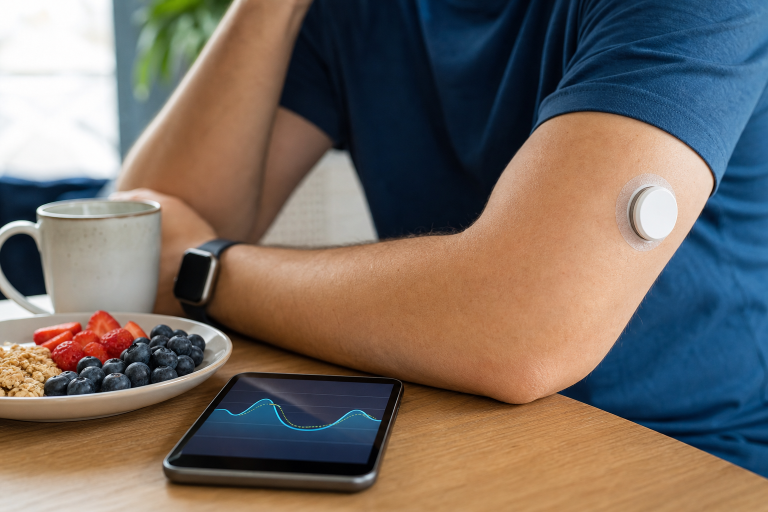
The Future of Wearable Blood Sugar Monitoring: From Glucose Tracking to Metabolic Intelligence
Wearable glucose monitoring is moving beyond diabetes management toward a broader era of metabolic intelligence, where CGMs, rings, watches, and AI begin to connect food, sleep, stress, and exercise into…

FDA AI in Cardiology: Heart Monitoring Moves From the Clinic to the Body
Cardiology is becoming one of the clearest bridges between regulated medical AI, remote monitoring, ECG analysis, and consumer heart devices.
The Daily Rounds: Longevity & Health Care Brief | June 5, 2026
🤖 Daraxonrasib Nearly Doubles Pancreatic Cancer Survival — A pivotal Phase 3 NEJM trial showed the first RAS inhibitor extending median survival from 6.7 to 13.2 months, cutting death risk by 60% in a cancer with historically grim odds. 🦠 Colon Cancer Immunotherapy Achieves 33-Month Remission — NEOPRISM-CRC showed pre-surgery pembrolizumab kept 59% of MMR-deficient patients cancer-free at nearly three years, with zero recurrences among responders. 🔬 4-Week Diet Shift Reduces Biological Age Markers in Older Adults — A low-fat, plant-forward diet reduced biological age estimates across 20 biomarkers in adults aged 65 to 75 after just four weeks. 🥗 GLP-1 Drugs Trigger Nutritional Deficiencies Within 12 Months — Major health organizations now recommend structured dietary monitoring for all GLP-1 patients to prevent protein, vitamin D, and mineral deficits that may offset weight-loss benefits. 😴 Circadian Amplitude Is the New Sleep Treatment Target — Updated guidelines shift focus from sleep duration alone to strengthening biological clock signal strength through light exposure, meal timing, and new pharmacological tools.
