
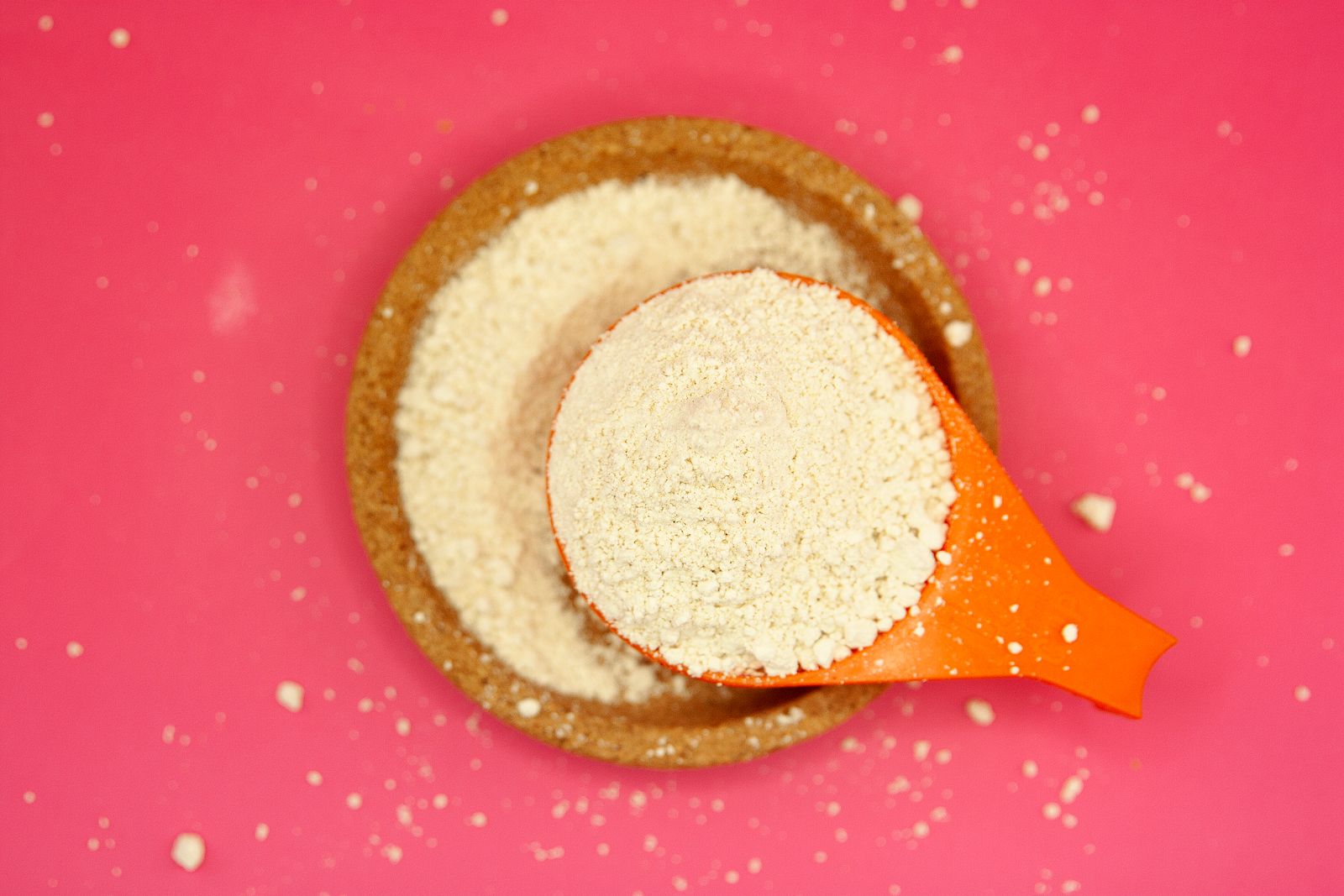
Collagen Review 2026: Evidence Grade, Best Form, Side Effects
Collagen earns a modest, well-documented place in osteoarthritis care, a contested one in skin care, and almost nothing at all for the gut, hair, nails and weight claims that sell most of the powder.
Presented By Our Partners



Across 25 randomized trials enrolling 2,856 people with osteoarthritis, oral collagen reduced joint pain by a standardized 0.35 and improved function by 0.31 versus placebo, with moderate to high certainty and no excess of adverse events. That is the strongest finding in the collagen literature, and it is a real one. It is also the claim on a typical collagen tub that best survives contact with the trial data. The skin claim, the one that built a multibillion dollar category, splits cleanly along funding lines: trials paid for by manufacturers find hydration and elasticity gains, and the independent and higher quality trials find nothing significant. The gut, hair, nail and weight claims have never been pooled in a single systematic review. This review grades all eight claims using the HDAI HYPE Index, which measures the distance between how hard a claim is sold and how well the evidence supports it, and then reports exactly what the trials used, in whom, and for how long.
The HYPE Index verdict
Eight claims, scored on four axes (Hypothesis and History, “Yes, but” and Yields, Peer Review and Proof of Work, Expectation and Evidence) and combined into a composite from 0, fully calibrated, to 100, the largest possible gap between promise and proof; anything above 60 is a Significant Evidence Gap, and the method is described in the HYPE Index methodology.
| Claim | Evidence grade | HYPE composite | Verdict |
|---|---|---|---|
| Heals the gut lining and improves digestion | Insufficient | 78, Tier 4: Significant Evidence Gap | Among 36 systematic reviews and meta-analyses retrieved for collagen, none tested oral collagen peptides on gut permeability, digestive symptoms or any gastrointestinal outcome, so the gut-healing claim currently has no controlled human evidence (search across PMIDs 40826844 to 39076515). |
| Promotes satiety and supports weight loss | Insufficient | 74, Tier 4: Significant Evidence Gap | No systematic review or meta-analysis among the 36 retrieved for collagen reported body weight, waist circumference or appetite outcomes, so the weight loss claim has no synthesized human evidence (nearest data: fat-free mass gain SMD 0.48 in exercisers, PMID 39060741). |
| Thickens hair and strengthens nails | Insufficient | 73, Tier 4: Significant Evidence Gap | None of the 36 systematic reviews retrieved for collagen pooled any hair thickness, hair growth or nail strength outcome, so the hair and nails claim stands on no synthesized human evidence despite appearing on most labels (compare skin data in PMID 40826844). |
| Supports bone density and healthy aging | Insufficient | 60, Tier 3: Mixed calibration | In a 2024 systematic review of 22 studies on bone biomarkers around exercise, collagen supplementation was synthesized only narratively with no pooled estimate, while calcium reduced the exercise-induced CTX-1 rise by an effect size of 1.1 (PMID 39136851). |
| Strengthens tendons and speeds recovery after exercise | Preliminary | 55, Tier 3: Mixed calibration | Across 19 RCTs (n=768), collagen peptides with training changed tendon morphology by a standardized 0.67 and 48-hour reactive strength recovery by 0.43 versus placebo, but the tendon evidence was rated very low certainty (PMID 39060741). |
| Improves skin hydration, elasticity and reduces wrinkles | Moderate | 54, Tier 3: Mixed calibration | Across 10 RCTs (n=646) oral collagen at 1 to 10 g per day raised skin hydration by a standardized 1.25 and elasticity by 0.61 versus placebo (PMID 40826844), but a separate 2025 analysis of 23 RCTs (n=1,474) found no significant effect once industry-funded and low-quality trials were removed (PMID 40324552). |
| Builds lean muscle and strength with resistance training | Moderate | 50, Tier 3: Mixed calibration | Across 19 RCTs (n=768) in exercising adults, at least 8 weeks of daily collagen peptides with training increased fat-free mass by a standardized 0.48 and maximal strength by only 0.19 versus placebo with the same training (PMID 39060741). |
| Reduces osteoarthritis joint pain and improves function | Moderate | 37, Tier 2: Largely calibrated | Across 25 RCTs (n=2,856) in osteoarthritis, oral collagen derivatives reduced pain by a standardized 0.35 (95% CI 0.48 to 0.22, moderate certainty) and improved function by 0.31 (high certainty) versus placebo without raising adverse events (PMID 38218227). |
The chain of hype for the top-scoring claim is unusually easy to trace. No paper started it. Collagen’s amino acid profile, heavy in glycine, proline and glutamine, was folded into the “leaky gut” narrative by wellness media, and the mechanism argument then migrated onto labels as “supports gut health” and into captions as “heals the gut lining.” The drift happened at the influencer link, before any trial existed: the research community has not run a single controlled study of oral collagen on intestinal permeability, digestive symptoms or the microbiome, which is why the gap scores 78 of 100 rather than reflecting a contested result. We trace this story in detail in Does Collagen Heal the Gut?
What the research shows
Osteoarthritis joint pain and function
Across 25 RCTs (n=2,856) in osteoarthritis, oral collagen derivatives reduced pain by a standardized 0.35 (95% CI 0.48 to 0.22, moderate certainty) and improved function by 0.31 (high certainty) versus placebo without raising adverse events (PMID 38218227). The 2024 meta-analysis behind that sentence included 35 RCTs in total, with 25 in the primary analysis, applied GRADE and trial sequential analysis, and concluded that the evidence base was large enough that further trials are unlikely to overturn the direction of effect. A second 2025 analysis of 11 RCTs in knee osteoarthritis (451 collagen, 419 placebo) reported the effect in raw points: function scores improved by 6.46 points (95% CI 9.52 to 3.40) and pain scores by 13.63 points (95% CI 20.67 to 6.58) versus placebo, with high heterogeneity (PMID 39212129). A 2025 Bayesian network meta-analysis of 39 RCTs (n=4,599) comparing seven supplements in knee osteoarthritis ranked Boswellia highest for pain and stiffness and found collagen helped on only some outcomes, again without any rise in adverse events (PMID 40806131). What we do not know: no trial has shown a structural change in cartilage; hydrolyzed collagen and undenatured type II collagen were pooled despite very different doses (grams versus 40 mg); the effect sizes are small to moderate; and healthy joints were never studied, so the claim does not transfer to people without joint disease. Full breakdown: Collagen for Joint Pain: What 25 Trials Show.
Skin hydration, elasticity and wrinkles
Across 10 RCTs (n=646) oral collagen at 1 to 10 g per day raised skin hydration by a standardized 1.25 and elasticity by 0.61 versus placebo (PMID 40826844), but a separate 2025 analysis of 23 RCTs (n=1,474) found no significant effect once industry-funded and low-quality trials were removed (PMID 40324552). The positive literature is sizable. A 2023 meta-analysis of 26 RCTs (n=1,721) found hydrolyzed collagen improved hydration and elasticity (Z = 4.94 and 4.49, p below 0.00001) but reported no pooled effect sizes and flagged several biases in the included trials (PMID 37432180). A 2021 analysis of 19 double-blind RCTs (n=1,125, 95 percent women) found improvements in hydration, elasticity and wrinkles after about 90 days, without analyzing who funded the trials (PMID 33742704). A 2025 review of 61 dietary intervention studies for skin aging pooled oral collagen at a wrinkle effect of 0.94 and hydration of 0.66 (PMID 41174715). Then the 2025 funding-stratified analysis of 23 RCTs arrived and the picture changed: once trials without pharmaceutical company funding and high-quality trials were analyzed on their own, no outcome remained significant, and the authors concluded that no clinical evidence supports collagen for skin aging (PMID 40324552). What we do not know: almost every participant was a woman aged 20 to 70; trials ran 8 to 12 weeks; outcomes are corneometer and cutometer readings rather than anything a person or a photograph would detect; and the market has not revised its claims after the null result. See Does Collagen Improve Skin?
Lean muscle and strength with resistance training
Across 19 RCTs (n=768) in exercising adults, at least 8 weeks of daily collagen peptides with training increased fat-free mass by a standardized 0.48 and maximal strength by only 0.19 versus placebo with the same training (PMID 39060741). The 2024 meta-analysis rated certainty moderate for body composition and low for strength, and noted that many of the underlying trials used a single manufacturer’s product. The failed analogue that marketing omits is that collagen is an incomplete protein, low in leucine and essentially free of tryptophan, so it is a poor substitute for whey or whole food protein when the goal is muscle protein synthesis. What we do not know: trials lasted 8 to 12 weeks; no head-to-head comparisons against complete proteins were included; and performance or injury outcomes were not measured. Details in Collagen for Muscle and Strength: The Science vs the Hype.
Tendons and recovery after exercise
Across 19 RCTs (n=768), collagen peptides with training changed tendon morphology by a standardized 0.67 and 48-hour reactive strength recovery by 0.43 versus placebo, but the tendon evidence was rated very low certainty (PMID 39060741). The same 19-trial synthesis found muscle architecture changed by a standardized 0.39, with low certainty. Recovery protocols lasted about one week, and tendon outcomes were imaging measures such as cross-sectional area rather than anything clinical. The adjacent evidence does not help: a 2024 Cochrane review of 33 RCTs (n=7,920) found protein supplements made little to no difference to pressure ulcer incidence (21 versus 28 per 1,000; RR 0.75, 95% CI 0.49 to 1.14, low certainty), and collagen was not isolated within it (PMID 38345088). What we do not know: tendon injury or rupture rates, return to play, and whether imaging changes translate into fewer injuries.
Featured Partner
Invest in the Infrastructure Behind Modern Medicine
As healthcare expands beyond hospital walls, the buildings and campuses supporting that shift are generating compelling returns for investors who move early. The Healthcare Real Estate Fund offers qualified investors direct access to a curated portfolio of medical office, outpatient, and specialty care facilities.
Learn More →
Bone density and healthy aging
In a 2024 systematic review of 22 studies on bone biomarkers around exercise, collagen supplementation was synthesized only narratively with no pooled estimate, while calcium reduced the exercise-induced CTX-1 rise by an effect size of 1.1 (PMID 39136851). The bone marker meta-analyses in this evidence set that did reach pooled estimates tested probiotics, not collagen: 15 RCTs (n=1,432) in osteoporosis found probiotics raised the formation marker P1NP by 8.4 ug/L (PMID 41574289), and 12 RCTs (n=1,183) in postmenopausal women found lumbar spine BMD rose by a standardized 0.60 (PMID 39553313). Those trials were retrieved only because their outcome markers are collagen fragments. What we do not know: any pooled effect of oral collagen on bone mineral density, fracture, frailty or mortality. The longevity framing on labels has no verifier at all.
Hair and nails
None of the 36 systematic reviews retrieved for collagen pooled any hair thickness, hair growth or nail strength outcome, so the hair and nails claim stands on no synthesized human evidence despite appearing on most labels (compare skin data in PMID 40826844). Labels bundle hair, skin and nails together, borrowing plausibility from the skin surrogate data. What we do not know: hair density, shedding, nail growth rate or brittleness in any pooled analysis.
Satiety and weight loss
No systematic review or meta-analysis among the 36 retrieved for collagen reported body weight, waist circumference or appetite outcomes, so the weight loss claim has no synthesized human evidence (nearest data: fat-free mass gain SMD 0.48 in exercisers, PMID 39060741). The hypothesis is generic protein satiety relabeled for collagen. What we do not know: energy intake, appetite hormones or weight change against either placebo or a complete protein.
Gut lining and digestion
Among 36 systematic reviews and meta-analyses retrieved for collagen, none tested oral collagen peptides on gut permeability, digestive symptoms or any gastrointestinal outcome, so the gut-healing claim currently has no controlled human evidence (search across PMIDs 40826844 to 39076515). What we do not know: permeability markers, symptoms, inflammatory bowel conditions and microbiome composition, none of which appear in any retrieved synthesis.
Doses used in studies
These are doses reported by the named sources, not recommendations. The striking feature of the collagen market is the distance between the median trial dose for skin, 3.5 g per day, and the 20 g scoop on the best-selling retail label.
| Source | Dose reported | Form | Context |
|---|---|---|---|
| PMID 40826844 | 1 to 10 g per day, most commonly 4 g, median 3.5 g | Hydrolyzed collagen peptides in most trials | 10 RCTs, 2010 to 2021, mostly women, skin outcomes |
| PMID 39060741 | Daily collagen peptides for at least 8 weeks alongside training; per-trial doses not pooled in the abstract | Collagen peptides | 19 RCTs in healthy exercising adults |
| PMID 38218227 | Trial-specific doses, varying across hydrolyzed and undenatured type II arms | Hydrolyzed collagen and undenatured type II collagen | 35 RCTs in osteoarthritis, primary analysis 25 RCTs |
| PMID 39212129 | Trial-specific doses and types, not pooled | Oral collagen-based supplements | 11 RCTs in knee osteoarthritis (451 collagen, 419 placebo) |
| PMID 37432180 | Trial-specific doses, sources and durations, not pooled | Hydrolyzed collagen | 26 RCTs for skin outcomes in adults |
| Examine collagen page | Roughly 2.5 to 15 g per day of hydrolyzed collagen; 40 mg per day for undenatured type II | Hydrolyzed peptides; undenatured type II | Independent summary across skin, joint and body composition trials |
| Vital Proteins Collagen Peptides label | 20 g per two-scoop serving | Bovine hydrolyzed peptides, types I and III | Retail label, United States |
| Lonza UC-II ingredient specification | 40 mg per day, delivering about 10 mg of undenatured type II collagen | Undenatured type II collagen from chicken sternal cartilage | Branded ingredient used in the undenatured type II osteoarthritis trials |
Forms and quality
Three forms dominate and they are not interchangeable. Hydrolyzed collagen peptides, usually bovine or marine, are what most skin and exercise trials used at gram doses; they are types I and III, absorbed as small peptides and free amino acids. Undenatured type II collagen, sold under the branded ingredient UC-II, is a milligram-dose product (40 mg per day) with a proposed immune tolerance mechanism, and it was pooled alongside hydrolyzed collagen in the osteoarthritis meta-analyses, which means the evidence does not yet say which form carries the joint effect. Gelatin is cooked collagen and shares the amino acid profile without the peptide processing. On quality, independent testing programs have found detectable lead in a share of collagen powders, which tracks with the bovine hide and marine sourcing. Third-party certification (NSF, Informed Sport, USP) and a published certificate of analysis for heavy metals are the two signals worth looking for on a label.
Interactions and who the trials excluded
Collagen is a food protein, so the interaction list is short and mostly theoretical. The trials excluded pregnant participants and people with significant disease, which is why several condition rows below are labeled theoretical.
| Interacts with | Type | Severity | Mechanism | Evidence |
|---|---|---|---|---|
| Fish, shellfish or egg allergy | Condition | Moderate | Marine collagen comes from fish skin and scales, eggshell membrane collagen from eggs; allergenic proteins can carry through processing | Allergen labeling rules and isolated case reports of hypersensitivity to fish-derived collagen |
| High-protein or protein-restricted diets | Condition | Minor | Each serving adds 9 to 20 g of incomplete protein, low in tryptophan, that counts toward total protein load in advanced chronic kidney disease | Amino acid composition; no trial has studied collagen in kidney disease |
| Heavy metal exposure (lead, cadmium, arsenic) | Condition | Minor | Bovine hide and marine sources can concentrate heavy metals; independent testing has found detectable lead in a share of powders | Third-party testing programs such as Clean Label Project |
| Calcium-containing supplements | Supplement | Minor | Some marine collagen from fish bone or shark cartilage contains measurable calcium that adds to total intake | Product analyses; NIH ODS tolerable upper intake for calcium is 2,000 to 2,500 mg per day |
| Oxalate kidney stones | Condition | Theoretical | Collagen is rich in hydroxyproline, a precursor of glyoxylate and oxalate; gelatin loading raised urinary oxalate in small feeding studies | Small metabolic studies; no stone outcome trials |
| Pregnancy and breastfeeding | Condition | Theoretical | Supplement-grade collagen has not been tested in pregnancy and heavy metal content varies by source | Collagen RCTs excluded pregnant participants |
| Wound healing or surgery | Condition | Theoretical | No bleeding or anesthetic interaction is known; collagen peptides are not on standard pre-surgical stop lists | Absence of reported interactions, not evidence of safety |
Side effects reported in trials
The osteoarthritis meta-analysis of 25 RCTs found collagen derivatives did not increase withdrawals or adverse events versus placebo (PMID 38218227), and the 2025 network meta-analysis in knee osteoarthritis likewise reported no increase in adverse events for collagen (PMID 40806131). Skin trials did not report a safety signal in their abstracts. The practical cautions are not pharmacological: allergen carry-through in marine and eggshell products, heavy metal content that varies by source, and the simple fact that 20 g of an incomplete protein displaces 20 g of something else in the diet. Few trials ran longer than about six months, so long-term safety data rest on collagen’s history as a food rather than on supplement trials.
How it fits the Five Pillars
Nutrition: collagen is a protein, and a food-first reading of the evidence puts it behind complete proteins for muscle and behind total protein adequacy for everything else; bone broth, skin-on poultry and fish provide the same amino acids. Sleep: glycine, collagen’s most abundant amino acid, has its own small sleep literature, but none of the collagen trials in this set measured sleep. Movement: the only muscle and tendon effects appeared when collagen was combined with at least eight weeks of training, and the training did most of the work; this is the pillar where the evidence is most honest about what moves the needle. Breathwork: no connection in the literature. Mindset: the collagen category is a case study in how a plausible mechanism becomes a cultural certainty. Collagen does not appear in the evidence base for any of the Four Villains of Health and Longevity (cardiovascular disease, cancer, neurodegeneration and metabolic dysfunction). For the broader protein question, see The Protein Paradox, and for a joint pain intervention with a different mechanism, the prebiotic fiber trial in knee osteoarthritis. Our berberine review applies the same HYPE Index method to a very different ingredient.
What this means for you
If the question is joint pain in diagnosed osteoarthritis, the evidence is as good as supplement evidence gets: 25 trials, nearly 3,000 people, a modest effect, no safety signal. If the question is skin, the honest answer is that the result depends on who paid for the trial, and the independent trials say no. If the question is muscle, collagen with training did something to fat-free mass and very little to strength, and a complete protein is the better-studied choice. If the question is gut, hair, nails, weight or aging, there is no pooled human evidence, which is a different statement from evidence of no effect, but it is the statement the labels do not make. The timelines that trials actually used are in How Long Does Collagen Take to Work?
New since our last review
First published October 21, 2026.
Sources
- PMID 40826844
- PMID 40324552
- PMID 41174715
- PMID 37432180
- PMID 33742704
- PMID 38218227
- PMID 39212129
- PMID 40806131
- PMID 39060741
- PMID 38345088
- PMID 39136851


Similar Posts

Zone 2 Training: The Mitochondrial Science Behind Low-Intensity Cardio and Why It Matters for Longevity
Zone 2 training has become the most talked about protocol in longevity circles, from Peter Attia to Iñigo San-Millán. Here is what the mitochondrial science actually says about low-intensity cardio,…
Luna Band Review: Is the No-Subscription Voice Coach Worth It?
The Luna Band is a €149 screenless recovery tracker from Luna with a voice-led AI coach and no subscription. It ships worldwide, but no independent study has tested it.

How Adrian Woolfson Is Helping Medicine Move From Reading DNA to Writing It
Adrian Woolfson trained under a Nobel laureate at Cambridge, ran global oncology programs at the world’s largest pharmaceutical companies, and led research and development at Sangamo Therapeutics during the first…

Dreame Haptic AI Smart Ring Review: Is It on Sale Yet?
The Dreame Haptic AI Smart Ring vibrates on your finger, but as of October 2026 it has no official US sale or confirmed price, and no independent accuracy testing.
Nebula Genomics (DNA Complete) Review: Whole Genome and Privacy
Nebula Genomics, now sold as DNA Complete, offers whole genome sequencing. A strong method, but health results need confirmation and privacy is contested.
COROS VERTIX 2S: Ultra Long Battery Adventure Watch With Dual Frequency GPS and Offline Maps
COROS’s flagship expedition watch delivers up to 140 hours of GPS tracking, titanium and sapphire construction, and comprehensive training analytics at $699 with no subscription, redefining value in the premium…
