
The Daily Rounds: Longevity & Health Care Brief | May 21, 2026
Your daily briefing on the science of living longer, better. Covering the past 24 to 48 hours in longevity, medicine, and healthspan research.
Presented By Our Partners



🧠 NEUROLOGY & COGNITIVE HEALTH
🧠 Women Are More Vulnerable to Common Dementia Risk Factors, 17,000-Person Study Finds
A new UC San Diego study tracking more than 17,000 adults found that women are significantly more sensitive to the effects of common dementia risk factors including hypertension, diabetes, and depression, with female participants showing steeper cognitive decline trajectories per unit of risk exposure compared to men. Researchers say tailoring dementia prevention strategies specifically to women, rather than applying sex-neutral protocols, could meaningfully reduce the projected female-majority dementia burden expected to intensify as the population ages. Scientists note this is among the largest studies to directly compare sex-specific sensitivity to modifiable dementia risk factors in a population-representative sample.
🧠 Newly Identified IDOL Enzyme Could Become a Major Alzheimer’s Drug Target
Scientists have identified a previously overlooked enzyme called IDOL that, when removed from neurons, sharply reduced amyloid plaque formation and restored key brain processes linked to cognitive resilience, positioning it as a compelling new pharmacological target in the Alzheimer’s drug discovery pipeline. The finding is notable because most current Alzheimer’s therapies target amyloid clearance after plaque formation rather than upstream regulatory enzymes that govern amyloid production dynamics. Researchers say IDOL’s role in neuronal lipid metabolism and receptor regulation makes it a tractable small-molecule target with near-term preclinical drug design potential.
🧠 Blood Test for Depression May Soon Be Possible by Tracking Immune Cell Aging
New research suggests depression could be detectable through a simple blood test by measuring how certain immune cells age, with scientists finding that accelerated immune cell aging patterns produce a consistent molecular signature distinguishing depressed patients from controls independent of traditional symptom scoring. The potential diagnostic would represent a major shift from subjective symptom-based depression screening toward objective biological measurement, enabling earlier and more precise identification of patients before clinical presentation becomes severe. Researchers say the immune aging signature may also serve as a treatment response biomarker, tracking whether interventions are reversing the underlying biological disruption rather than simply masking symptoms.
❤️ CARDIOVASCULAR HEALTH
❤️ Perimenopause Is a Critical Window for Preventing Heart Disease in Women
A nationwide U.S. population-based study published in May 2026 found that perimenopausal women were twice as likely to have an overall lower cardiovascular health score compared to women with regular cycles, using the American Heart Association’s Life’s Essential 8 metrics as the benchmark. The finding reframes perimenopause from a purely reproductive transition to an actionable cardiovascular risk window during which targeted lifestyle and clinical interventions may produce outsized long-term heart health benefits. Cardiologists say the data support integrating cardiovascular risk screening and prevention protocols directly into perimenopause care rather than treating it as a separate specialty silo.
📌 Read more → American Heart Association
❤️ Chronic Inflammation Emerges as Central Driver of Heart Disease, With Colchicine as Low-Cost Intervention
Scientific American’s May 2026 cover story spotlights growing evidence that chronic systemic inflammation is a primary mechanism in cardiovascular disease independent of cholesterol, with new research highlighting that inexpensive anti-inflammatory drugs like colchicine could offer a scalable, low-cost treatment avenue for the large population of cardiovascular patients who remain at elevated risk despite statin therapy. The inflammation-first cardiovascular model has been gaining scientific traction since the CANTOS and COLCOT trials, and new mechanistic data are strengthening the causal argument for anti-inflammatory therapy as a standard-of-care add-on. Researchers say the economic case for colchicine is particularly compelling given its generic availability and established safety profile relative to other anti-inflammatory biologics.
📌 Read more → Scientific American / PRNewswire
🔬 CELLULAR HEALTH, SENOLYTICS & EPIGENETICS
🔬 Longevity Gene Successfully Transferred From Naked Mole Rats to Mice, Extending Lifespan 4.4%
University of Rochester scientists published research in Nature demonstrating the successful transfer of a longevity gene responsible for producing high-molecular-weight hyaluronic acid (HMW-HA) from naked mole rats into mice, yielding a 4.4 percent increase in median lifespan along with reduced tumor formation, lower systemic inflammation, and measurable improvements in age-related health markers. Naked mole rats can live up to 41 years and rarely develop cancer or neurodegeneration, and HMW-HA appears to be a central mechanism of their exceptional healthspan rather than a byproduct of it. The team is now testing molecules that slow hyaluronan degradation in pre-clinical human translational trials, marking a direct bridge from the basic discovery to applied longevity medicine.
🔬 Combining Epigenetic Modulation With Senolytics Offers a Dual Pathway to Biological Rejuvenation
A new review published in npj Aging outlines emerging evidence that combining epigenetic reprogramming approaches with senolytic therapy produces synergistic biological age reversal effects beyond what either intervention achieves alone, with the two strategies attacking aging through complementary mechanisms: senolytics clear dysfunctional zombie cells while epigenetic modulators reset gene expression patterns in surviving cells toward a more youthful state. The dual-approach paradigm is gaining traction as researchers recognize that aging is not driven by a single mechanism and that combination protocols may be required to achieve durable, systemic biological rejuvenation. Scientists say human trials combining these modalities are now in planning stages at several major longevity institutes, with biological age clocks serving as primary outcome measures.
Featured Partner
Invest in the Infrastructure Behind Modern Medicine
As healthcare expands beyond hospital walls, the buildings and campuses supporting that shift are generating compelling returns for investors who move early. The Healthcare Real Estate Fund offers qualified investors direct access to a curated portfolio of medical office, outpatient, and specialty care facilities.
Learn More →
📌 Read more → npj Aging / Nature
🤖 AI IN MEDICINE & DRUG DISCOVERY
🤖 FDA Moves to Finalize AI Drug Development Guidance as 173 AI-Discovered Programs Enter Clinical Trials
The FDA is expected to finalize its AI guidance framework in 2026, requiring drug sponsors to submit credibility assessment plans documenting model architectures, training data provenance, and governance standards for high-risk AI applications in drug development, creating the first formal regulatory structure for AI-designed therapeutics. The timing is significant: as of mid-2026, 173 drug programs discovered or optimized by AI platforms have entered clinical development, with AI-discovered compounds achieving Phase I success rates of 80 to 90 percent compared to the historical 40 to 65 percent industry average. Analysts say the regulatory milestone and clinical pipeline maturity together mark the formal institutionalization of AI as a validated drug discovery modality rather than a supplementary tool.
📌 Read more → Clinical Trials Arena
🤖 AI Models Now Design Custom Molecules That Bind Disease-Causing Proteins With Unprecedented Precision
Scientists presenting findings to the NIH showed how next-generation AI models design custom molecules that precisely bind to disease-causing proteins, with the models trained on structural biology databases capable of generating novel binding candidates in hours rather than years. The approach represents a qualitative leap from AI as a screening accelerator to AI as a de novo molecular architect capable of creating drug candidates with no structural precedent in existing compound libraries. Researchers say the technology is being applied to previously undruggable targets across Alzheimer’s disease, metabolic syndrome, and age-related cancer, expanding the pharmaceutical addressable space substantially.
📌 Read more → Drug Target Review
💪 MUSCLE MASS, STRENGTH & METABOLIC HEALTH
💪 Five Minutes of Daily Eccentric Exercise Produces Meaningful Strength Gains, Study Confirms
New research published in May 2026 found that just five minutes per day of eccentric exercise, the lengthening phase of muscle contraction such as the lowering portion of a squat or bicep curl, produces significant improvements in strength and functional health metrics in both younger and older adults, with results comparable to much longer conventional exercise sessions. Because eccentric exercise places minimal strain on the cardiovascular system, it is especially well-suited for older adults, people with chronic health conditions, and those with limited time or mobility who are otherwise unable to sustain conventional exercise protocols. Scientists say the findings make eccentric micro-sessions one of the most accessible and evidence-supported entry points for sedentary individuals beginning a musculoskeletal health intervention.
💪 Aerobic Plus Strength Training Combination Outperforms Either Alone for Visceral Fat Reduction
A comparative exercise trial found that while aerobic exercise alone, strength training alone, and the combination of both all reduced visceral fat in participants undergoing weight loss, the combined aerobic and strength protocol produced the greatest reduction in visceral adiposity as well as superior improvements in insulin sensitivity and cardiometabolic risk markers. Visceral fat is specifically linked to systemic inflammation, metabolic syndrome, and cardiovascular risk beyond its contribution to total body mass, making its selective reduction a high-value target for longevity medicine. Researchers say the study strengthens the case for prescribing structured combination exercise programs rather than single-modality protocols in patients with metabolic disease or elevated visceral adiposity.
🦠 GUT MICROBIOME & IMMUNE HEALTH
🦠 Microscopic Gut Particles Actively Drive Inflammation and Accelerate Chronic Disease Aging
New research found that microscopic particles originating in the gut may actively promote systemic inflammation and accelerate chronic diseases associated with aging by crossing the gut barrier and circulating in the bloodstream, triggering innate immune responses that amplify low-grade inflammatory signaling across tissues. The mechanism connects intestinal permeability, a widely discussed but often poorly characterized condition, to specific circulating inflammatory mediators with measurable downstream effects on metabolic and cardiovascular disease pathways. Scientists say the findings establish gut particle translocation as a candidate causal mechanism linking diet and microbiome disruption to systemic chronic disease, warranting clinical trials targeting gut barrier integrity as a longevity intervention.
🦠 Precision Microbiome Engineering Emerges as Active Platform for Chronic Disease Prevention
A new Frontiers in Microbiology review published in May 2026 synthesizes advances in precision microbiome engineering, including targeted probiotic delivery, microbial metabolite optimization, and phage-based microbiome editing, describing a rapidly maturing toolkit for modifying gut composition with therapeutic specificity far beyond traditional broad-spectrum probiotic supplementation. Specific microbial species and metabolite profiles are now associated with measurable changes in inflammatory markers, insulin sensitivity, cognitive function, and cardiovascular risk, making the microbiome an active therapeutic target rather than a health correlate. Researchers say the convergence of wearable microbiome monitoring technology and precision editing tools is positioning personalized gut health as a cornerstone preventive medicine modality by 2027.
📌 Read more → Frontiers in Microbiology
⌚ WEARABLES, BIOMARKERS & PRECISION HEALTH
⌚ UC Irvine Sweat Sensor Continuously Tracks Cortisol, Glucose, and Lactate for 21 Days Without Recharging
UC Irvine researchers unveiled a wireless, battery-free bioelectronic sweat sensor patch that simultaneously monitors cortisol, glucose, lactate, and urea in real time for up to 21 continuous days, publishing the results in Nature Biomedical Engineering and describing it as the first system capable of both inducing perspiration on demand and regenerating its own sensing surfaces to maintain accuracy throughout extended wear. The device pairs with a standard Android smartphone or custom wristwatch reader, making high-frequency multi-biomarker monitoring accessible outside clinical settings for chronic disease management, stress monitoring, and athletic performance optimization. Scientists say the stress hormone cortisol measurement is a particular breakthrough since cortisol dynamics have been difficult to track continuously and are highly predictive of sleep quality, metabolic health, and inflammatory status.
⌚ AI-Enhanced Wearables Now Calculate Real-Time Risk Scores for Heart Failure, Hypertension, and Diabetes
A new generation of consumer health wearables is integrating AI models that synthesize heart rate variability, sleep staging, SpO2, and metabolic signals to generate real-time risk probabilities for conditions like heart failure, hypertension, and type 2 diabetes, surfacing early warning signals potentially years before clinical symptom onset. The shift from passive data collection to active predictive risk scoring represents a fundamental change in how wearables interact with preventive medicine, enabling early intervention at a scale that would be impractical through traditional clinical screening cycles. Health technology analysts say FDA clearance pathways for predictive wearable diagnostics are advancing rapidly alongside the technology, with the first fully cleared predictive wearable cardiovascular risk tools expected to reach consumers within the next 12 months.
📌 Read more → Healthcare IT Today
🥗 NUTRITION & METABOLIC HEALTH
🥗 Hidden Sugar Code on Cell Surfaces Could Transform How Diseases Are Detected and Diagnosed
Scientists have uncovered a complex molecular sugar code displayed on the surface of human cells that varies between healthy and diseased states, identifying it as a potential universal disease biomarker that could transform diagnostics across cancer, autoimmune disease, and infectious disease by reading cell surface glycan patterns rather than relying on protein or genetic biomarkers alone. The sugar code appears to shift consistently in early disease before conventional diagnostic markers become detectable, raising the prospect of earlier and more sensitive disease identification than current screening approaches allow. Researchers say the discovery opens a new layer of biological information for precision diagnostics and potentially for therapeutic targeting of disease-specific cell surface signatures.
🥗 Colorectal Cancer Now Appearing in Adults in Their 30s With No Family History or Warning Signs
A new study confirms that colorectal cancer is increasingly being diagnosed in adults as young as their thirties, often with no family history, no classic warning signs, and no prior abnormal screening, with incidence rates in the under-50 cohort rising sharply while rates in older adults continue their long-term decline attributable to colonoscopy screening. Diet patterns high in ultra-processed foods, sedentary behavior, and disrupted gut microbiome composition are under investigation as causal contributors to the early-onset trend, which represents a structural shift in a disease historically considered a condition of older adulthood. Gastroenterologists are calling for updated screening age guidelines and expanded awareness campaigns targeting younger adults who currently fall outside standard prevention protocols.
🌬️ BREATHWORK & STRESS PHYSIOLOGY
🌬️ Specific Breathwork Techniques Outperform Generic Breathing Practices for Chronic Stress Relief
A new meta-analysis published in 2026 found that the specific breathwork technique used matters significantly for chronic stress and mental health outcomes, with slow diaphragmatic breathing and resonant frequency breathing producing the most robust and durable reductions in cortisol, anxiety, and inflammatory markers compared to generic relaxed breathing or mindfulness-based breath awareness alone. The analysis of randomized controlled trials also found that technique-specific breathwork produced meaningful improvements in heart rate variability, a key biomarker of autonomic nervous system regulation and stress resilience, with effects persisting for weeks after active practice periods ended. Researchers say the findings justify moving from generic breathing recommendations to precision breathwork prescriptions matched to individual physiological profiles and clinical goals.
📌 TODAY’S TOP TAKEAWAYS
- 🔬 Naked Mole Rat Gene Extends Mouse Lifespan — University of Rochester scientists transferred an HMW-HA longevity gene from naked mole rats to mice, achieving a 4.4% median lifespan increase and reduced tumor burden, with human translational trials now underway.
- 🧠 Women Face Amplified Dementia Risk From Common Factors — A 17,000-person UC San Diego study finds women are significantly more sensitive to standard dementia risk factors, calling for sex-specific prevention protocols.
- ⌚ Sweat Sensor Monitors Four Biomarkers Continuously for 21 Days — UC Irvine’s battery-free wearable patch tracks cortisol, glucose, lactate, and urea in real time, published in Nature Biomedical Engineering as a breakthrough in continuous precision health monitoring.
- ❤️ Perimenopause Is a Heart Health Intervention Window — Women in perimenopause are twice as likely to have poor cardiovascular health scores, making it a critical and underutilized prevention opportunity for cardiologists.
- 🤖 AI Drug Discovery Reaches Regulatory Maturity — With 173 AI-designed drug programs in clinical trials and FDA guidance finalizing in 2026, AI has crossed from experimental tool to institutionalized pharmaceutical discovery platform.
Sources compiled from ScienceDaily, Medical Xpress, Nature, npj Aging, Frontiers in Microbiology, American Heart Association, Scientific American, Clinical Trials Arena, Drug Target Review, Healthcare IT Today, PMC/NCBI, UC Irvine, University of Rochester. Published: May 21, 2026.


Similar Posts

DUTCH Test Complete: The Most Comprehensive Urinary Hormone Metabolite Panel Available
Standard blood tests show you how much hormone is circulating. The DUTCH Test shows you how your body processes, metabolizes, and eliminates those hormones, revealing patterns that blood work cannot…
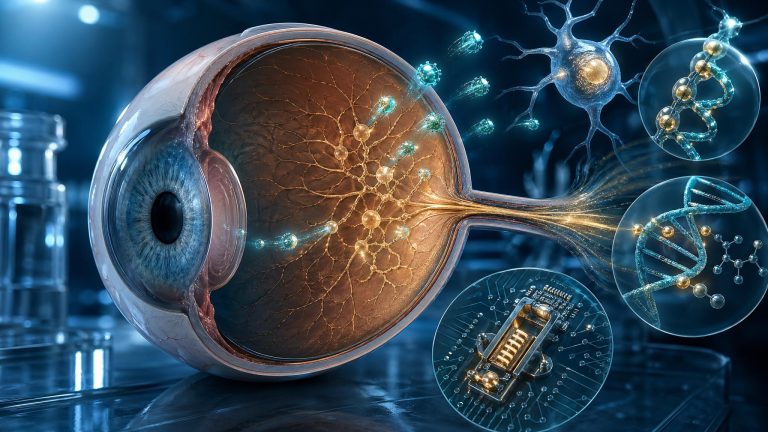
The First Human Epigenetic Reprogramming Trial Has Begun: Inside ER-100 and What It Means for the Future of Aging Medicine
For the first time in history, a therapy designed to reverse the cellular age of human tissue is being tested in living patients. Here is what the science actually shows,…
Mira Fertility Monitor: Quantitative Hormone Tracking for Cycle Intelligence
When a simple positive or negative line is not enough, quantitative hormone data transforms fertility awareness from guesswork into precision health. Presented By Our Partners For decades, the fertility testing…
Eight Sleep Pod 3 Mattress: Complete Thermal Sleep System with Integrated Biometric Tracking
What if the single most important piece of health technology in your home was not on your wrist or in your pocket, but underneath you for eight hours every night?…
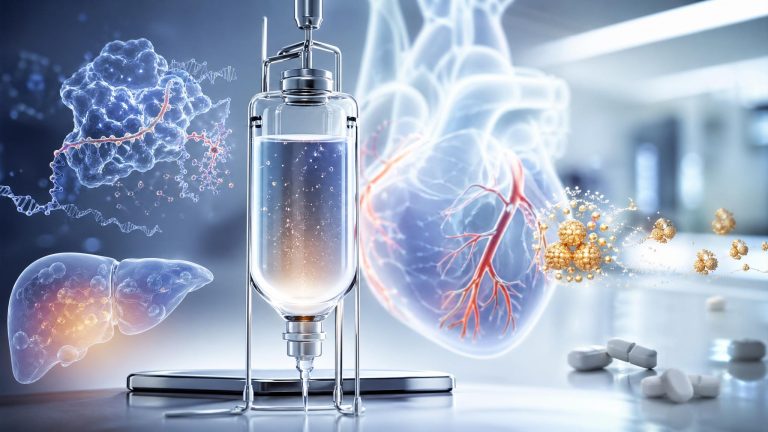
One Shot to Silence Heart Disease: How CRISPR Gene Editing Is Making Daily Cholesterol Pills Obsolete
A single infusion of CRISPR gene editing therapy has cut LDL cholesterol by up to 87 percent and triglycerides by up to 84 percent in landmark clinical trials. With Phase…
The Daily Rounds: Longevity & Health Care Brief | May 12, 2026
🧬 SuperAger Neurogenesis Decoded — 80-year-olds who stay cognitively sharp produce 2x more new hippocampal neurons than peers, revealing neurogenesis as a key driver of lifelong cognitive resilience. 🏮 Ancient Exercise Rivals Blood Pressure Meds — A year-long JACC trial confirms Baduanjin, an 800-year-old Chinese mind-body practice, lowers blood pressure as effectively as medications and walking programs alike. 💊 Semaglutide Proven Effective at 65+ — A pooled STEP program analysis at ECO 2026 shows adults over 65 achieve 15.4% weight loss on semaglutide with strong cardiometabolic improvements, resolving key uncertainty about the drug in older populations. 🩺 AI Stethoscopes Proven in National Trial — The UK TRICORDER trial across 205 NHS practices and 1.5 million patients confirms AI-enabled stethoscopes accelerate cardiovascular diagnoses, marking a milestone for clinical AI deployment at scale. 📊 Largest Wearables Dataset in History Goes Public — NIH's All of Us program releases a 59,000-participant, 14-year Fitbit dataset in Nature Medicine, giving researchers an unprecedented tool for digital biomarker discovery across diverse populations.
