
The Daily Rounds: Longevity & Health Care Brief | May 28, 2026
Your daily briefing on the science of living longer, better. Covering the past 24 to 48 hours in longevity, medicine, and healthspan research.
Presented By Our Partners



🧠 NEUROLOGY & COGNITIVE HEALTH
🧠 Supercharged Vitamin K Compounds Trigger Neuron Regeneration Threefold
Researchers at Shibaura Institute of Technology in Japan created novel compounds by combining vitamin K with retinoic acid components, producing molecules that are approximately three times more effective at converting neural stem cells into neurons than natural vitamin K alone. The compounds activate the mGluR1 receptor to drive neurogenesis, cross the blood-brain barrier efficiently, and show strong in vivo stability, offering a potential new pathway for regenerative treatments targeting Alzheimer’s and Parkinson’s disease. Published in ACS Chemical Neuroscience, the work adds a promising new class of small-molecule neurotrophic agents to the neurodegenerative disease research pipeline.
🧠 Popular Senolytic Drug Combo Linked to Severe Myelin Loss in Mouse Brains
A study published in PNAS from the University of Connecticut found that dasatinib plus quercetin, one of the most widely studied senolytic drug combinations in aging research, caused significant loss of myelin around nerve cells in mice, with the corpus callosum showing deterioration patterns resembling “chemo brain” seen in cancer treatment. Myelinating oligodendrocytes did not die but regressed to a younger, less functional state, apparently because the drug combination starved them of cellular energy. Researchers caution that findings come from mouse models and have not been confirmed in humans, but say the results warrant careful evaluation before widespread clinical use of D+Q as a longevity intervention.
📌 Read more → ScienceDaily / PNAS
❤️ CARDIOVASCULAR HEALTH
❤️ Stanford’s AI-Powered Heart Coach Enrolls 100,000 Research Participants
Stanford Medicine’s My Heart Counts app has enrolled over 100,000 participants in its latest research phase, which now features a large language model-powered coaching system that delivers personalized physical activity guidance based on each user’s behavioral stage, sleep data, and Apple Health biomarkers. Built on Stanford’s open-source Spezi framework, the platform integrates clinical survey tools, remote walk tests, and a personalized Heart Health dashboard designed to extend cardiovascular research beyond the clinic and into daily life at unprecedented scale. Researchers say the LLM coaching layer is being studied as a behavioral intervention, with early results expected to inform AI-augmented preventive cardiology protocols.
📌 Read more → Stanford Medicine
🔬 CELLULAR HEALTH, SENOLYTICS & EPIGENETICS
🔬 Naked Mole Rat Longevity Gene Transfer Extends Mouse Lifespan by 4.4 Percent
University of Rochester scientists successfully transferred the naked mole rat gene responsible for producing high molecular weight hyaluronic acid (HMW-HA) into mice, yielding animals with stronger resistance to spontaneous and chemically induced tumors, healthier gut tissue, lower systemic inflammation, and an approximately 4.4 percent increase in median lifespan compared to controls. The lead researcher described the results as proof of principle that unique longevity adaptations that evolved in long-lived mammalian species can be exported to improve healthspan and lifespan in other animals. The findings open a new avenue of investigation into HMW-HA as a potential pharmaceutical or gene therapy target for human longevity medicine.
📌 Read more → ScienceDaily / University of Rochester
🔬 Senolytic Compounds Measurably Reduce Epigenetic Age of Blood Samples in Lab Study
Research published in npj Aging found that senolytic compounds including dasatinib, quercetin, and fisetin reduced epigenetic age estimates in blood samples in vitro, with the effect attributed to preferential clearance of the most-senescent peripheral blood mononuclear cells. The findings provide molecular-level evidence that senolytic interventions can shift biological age metrics, though researchers note that in vitro results must be validated through rigorous human longitudinal trials before clinical conclusions can be drawn. The study adds to growing evidence that senescent cell burden is a meaningful driver of measured epigenetic age and a tractable target for biological age reversal.
Featured Partner
Invest in the Infrastructure Behind Modern Medicine
As healthcare expands beyond hospital walls, the buildings and campuses supporting that shift are generating compelling returns for investors who move early. The Healthcare Real Estate Fund offers qualified investors direct access to a curated portfolio of medical office, outpatient, and specialty care facilities.
Learn More →
📌 Read more → npj Aging / Nature
🤖 AI IN MEDICINE & DRUG DISCOVERY
🤖 NIH AI Identifies Three Repurposed Drug Candidates for Alzheimer’s and Parkinson’s
The NIH’s National Center for Advancing Translational Sciences deployed a deep-learning model trained on 20 years of failed clinical trial data, animal studies, and molecular interaction records to screen 12,456 compounds, identifying three cardiovascular and metabolic drugs that show neuroprotective activity in preclinical neurodegenerative disease models. Among them, finerenone, originally developed for heart failure, reduced amyloid plaque buildup by 42 percent in a 12-week Alzheimer’s mouse model. The findings, published in Nature Medicine, were described as the first instance of AI pinpointing drug repurposing candidates with 98 percent accuracy in preclinical screening, with the FDA’s Office of Neuroscience signaling openness to the pipeline pending robust Phase II data.
📌 Read more → Time.news / Nature Medicine
💪 MUSCLE MASS, STRENGTH & METABOLIC HEALTH
💪 Restoring Anti-Inflammatory Protein TTP Makes Aging Mice Stronger and More Energetic
Researchers found that the protein tristetraprolin (TTP), which suppresses inflammation-driving gene expression, naturally declines with age in immune cells, and that genetically restoring stable TTP levels in elderly mice produced animals that were measurably stronger, more energetic, and had healthier bone density than untreated aged controls. The mechanism centers on TTP’s role in preventing chronic low-grade inflammation from spreading systemically as normal cellular regulation decays with age. Published in Aging and Disease, the study identifies TTP stabilization as a potential single-target strategy for addressing the interconnected drivers of sarcopenia, inflammaging, and reduced physical capacity in older adults.
📌 Read more → ScienceDaily / Aging and Disease
💪 Muscle Strength Cuts All-Cause Mortality Risk by a Third in Women Aged 63 to 99
A 2026 JAMA Network Open cohort study of 5,472 older women found that grip strength and functional strength assessments were independently associated with a 33 percent or greater reduction in all-cause mortality risk, even after controlling for aerobic fitness, physical activity levels, sedentary behavior, age, and health status. The finding distinguishes muscular strength as a distinct, independently measurable survival predictor that operates through separate pathways from cardiorespiratory fitness, including metabolic regulation and immune system modulation. Researchers say strength testing is inexpensive, fast, and should be incorporated into routine clinical assessments for older women as a key longevity biomarker.
📌 Read more → Medical News Today / JAMA Network Open
🦠 GUT MICROBIOME & IMMUNE HEALTH
🦠 Young Gut Bacteria Transplants Reverse Liver Aging and Cut Cancer Risk in Aged Mice
Research presented at Digestive Disease Week 2026 showed that transplanting aged mice with their own earlier-stored younger gut microbiome through fecal microbiota transplantation produced striking improvements in liver tissue, where age-related damage markers decreased significantly and cancer risk indicators normalized. This was the first study to use the same animals’ stored earlier-life microbiome for transplantation, removing confounding variables from donor-recipient differences and providing cleaner evidence that gut microbial aging is itself a driver of systemic organ aging. Researchers say the findings establish a proof of concept for autologous microbiome banking as a future longevity intervention strategy in humans.
📌 Read more → ScienceDaily / Digestive Disease Week 2026
🥗 NUTRITION & METABOLIC HEALTH
🥗 ION224 Achieves 60 Percent Liver Health Improvement in Phase IIb MASH Trial
UC San Diego scientists reported results from a 160-patient Phase IIb clinical trial of ION224, an antisense oligonucleotide targeting the liver enzyme DGAT2 to block the fat production and accumulation driving metabolic dysfunction-associated steatohepatitis. At the highest dose of 120 mg, 59 percent of participants met the composite liver health endpoint compared to just 19 percent in the placebo group, with 32 percent also showing at least one-stage fibrosis improvement and no serious treatment-related adverse events. MASH, a severe form of fatty liver disease tied to obesity and diabetes, has very limited approved treatment options, and ION224 is considered a strong candidate to advance to Phase III.
📌 Read more → ScienceDaily / UC San Diego
🥗 Guava Juice Raises Hemoglobin by 1.71 g/dL and Lowers Anemia Risk in Women
A BMJ Nutrition Prevention and Health review of 17 studies found that consuming guava juice, particularly alongside iron supplements, produced an average hemoglobin increase of 1.71 g/dL in women and teenage girls, with pregnant women showing the strongest response at 1.84 g/dL. Guava’s exceptional vitamin C content, far exceeding that of oranges, enhances non-heme iron absorption through a well-established chemical reduction mechanism that converts iron to a more bioavailable form in the gut. Researchers say guava juice represents a low-cost, accessible dietary tool for reducing the burden of iron deficiency anemia affecting an estimated 1.2 billion people globally, though therapeutic dosing guidelines still require further study.
📌 Read more → ScienceDaily / BMJ Nutrition Prevention and Health
⌚ WEARABLES, BIOMARKERS & PRECISION HEALTH
⌚ New Wearable Biosensors Continuously Monitor Glucose, Lactate, and Drug Levels Through Skin
A comprehensive 2026 review in NCBI highlights the rapid advancement of wearable biosensor platforms using interstitial fluid analysis via microneedle arrays, enabling continuous real-time monitoring of glucose, lactate, alcohol, and pharmaceutical drug concentrations without finger-stick blood sampling. These lab-on-skin systems are being paired with electrochemical sensors, microfluidics, and AI-driven pattern recognition to generate personalized metabolic risk scores and medication adherence data streams that feed directly into clinical decision support tools. Experts say the commercialization of interstitial fluid biosensors marks a structural shift from wearables as fitness trackers to wearables as continuous diagnostic instruments integrated into precision preventive medicine workflows.
📌 TODAY’S TOP TAKEAWAYS
- 🔬 Naked Mole Rat Gene Extends Mouse Lifespan — University of Rochester researchers transferred the HMW-HA longevity gene from naked mole rats into mice, extending median lifespan by 4.4 percent while reducing tumors and systemic inflammation.
- 🤖 NIH AI Repurposes Three Drugs for Neurodegeneration — A deep-learning model screening 12,456 compounds identified three candidates for Alzheimer’s and Parkinson’s, with finerenone cutting amyloid plaque by 42 percent in mouse models.
- 🥗 ION224 Halts Fatty Liver Disease in 60 Percent of Trial Patients — The DGAT2-targeting drug achieved significant liver health improvement in a Phase IIb trial of 160 MASH patients with no serious adverse events, advancing toward Phase III.
- 🧠 Vitamin K Hybrid Compounds Drive 3x More Neurogenesis — Japanese researchers combined vitamin K with retinoic acid to produce compounds that convert neural stem cells into neurons three times more effectively than natural vitamin K, opening a regenerative pathway for Alzheimer’s and Parkinson’s treatment.
- 💪 Muscle Strength Cuts Mortality Risk by a Third in Older Women — A JAMA Network Open study of 5,472 women found grip and functional strength independently reduce all-cause mortality by 33 percent or more, establishing strength testing as a key clinical longevity marker.
Sources compiled from ScienceDaily, Stanford Medicine, JAMA Network Open, Nature Medicine, npj Aging, PNAS, BMJ Nutrition Prevention and Health, Medical News Today, University of Rochester, Time.news, NCBI/PMC. Published: May 28, 2026.


Similar Posts
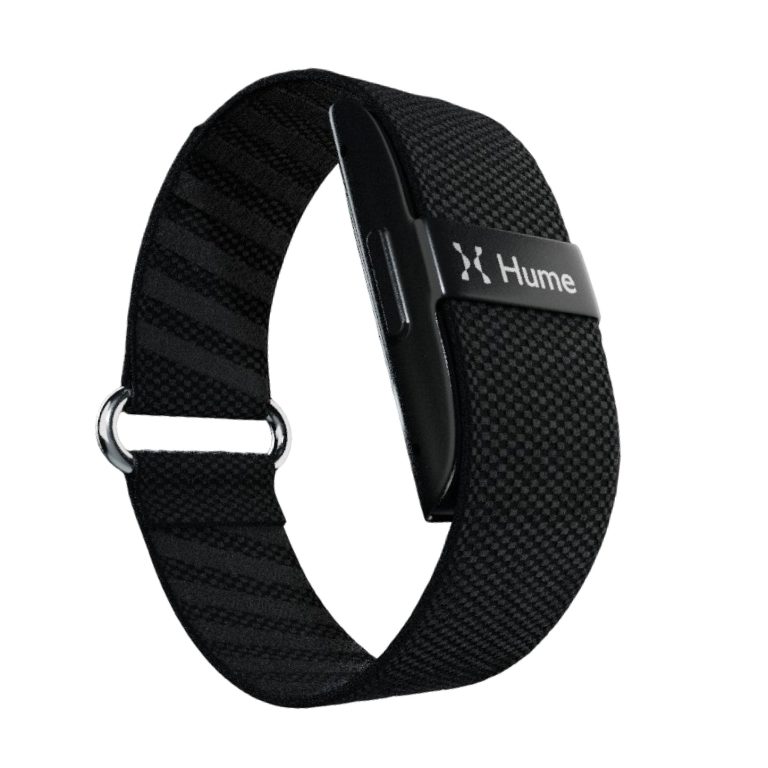
Hume Band 2.0 Review: Blood Pressure, Accuracy, Battery Life, and Cost
Hume Band 2.0 offers a 14-day battery, screen-free wellness tracking, and no required subscription. Here is what it measures, what changed, and why its blood-pressure and biological-age claims need caution.
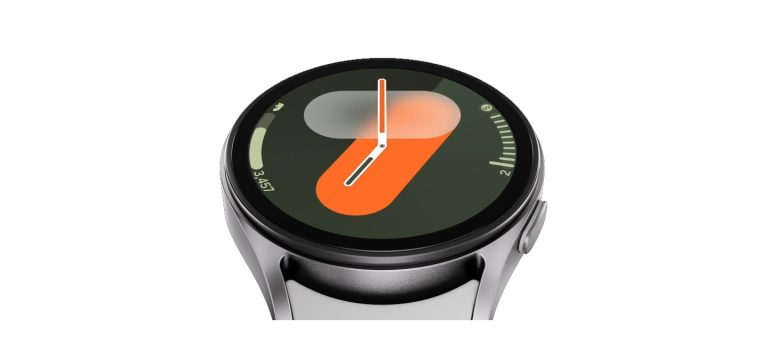
Samsung Galaxy Watch 7 Sleep: FDA-Cleared Sleep Apnea Detection and AI Sleep Coaching
The first smartwatch to receive FDA authorization for sleep apnea detection, using blood oxygen patterns during sleep to screen for a condition that affects nearly a billion people worldwide and…
The Daily Rounds: Longevity & Health Care Brief | April 23, 2026
🔥 Inflammation at the Core of Heart Disease: Scientific American's May 2026 cover spotlights chronic inflammation as a central cardiovascular driver, with inexpensive drugs like colchicine entering the prevention playbook. 🧠 Lifelong Learning Delays Alzheimer's by Years: Cognitive enrichment throughout life cuts Alzheimer's risk by 38% and delays onset by approximately five years compared to low-engagement peers. 🤖 GPT-Rosalind Enters Drug Discovery: OpenAI's new life sciences model is live at Amgen, Moderna, and the Allen Institute, built to compress the earliest and slowest stages of drug development. ⚡ Gut Bacteria Drive ALS and Frontotemporal Dementia: Scientists identify a gut-brain mechanism in which microbial sugars trigger immune-mediated brain cell death, with promising targets for intervention now identified. 🌙 Circadian Fragmentation Accelerates Brain Shrinkage: Johns Hopkins confirms that weak, irregular rest-activity rhythms are directly linked to faster volumetric loss in memory-related brain regions over time.
The Daily Rounds: Longevity & Health Care Brief | May 21, 2026
🔬 Naked Mole Rat Gene Extends Mouse Lifespan — University of Rochester scientists transferred an HMW-HA longevity gene from naked mole rats to mice, achieving a 4.4% median lifespan increase and reduced tumor burden, with human translational trials now underway. 🧠 Women Face Amplified Dementia Risk From Common Factors — A 17,000-person UC San Diego study finds women are significantly more sensitive to standard dementia risk factors, calling for sex-specific prevention protocols. ⌚ Sweat Sensor Monitors Four Biomarkers Continuously for 21 Days — UC Irvine's battery-free wearable patch tracks cortisol, glucose, lactate, and urea in real time, published in Nature Biomedical Engineering as a breakthrough in continuous precision health monitoring. ❤️ Perimenopause Is a Heart Health Intervention Window — Women in perimenopause are twice as likely to have poor cardiovascular health scores, making it a critical and underutilized prevention opportunity for cardiologists. 🤖 AI Drug Discovery Reaches Regulatory Maturity — With 173 AI-designed drug programs in clinical trials and FDA guidance finalizing in 2026, AI has crossed from experimental tool to institutionalized pharmaceutical discovery platform.
Healthtech Wearables: 250+ Devices Across 17 Categories
From FDA-cleared ECG watches to at-home brain stimulation headsets, 250+ devices across 17 categories are reshaping how we monitor, measure, and improve our health. This is the most comprehensive wearable…
Young Blood Revisited: Inside the 2026 Trials Testing Plasma Exchange and Rejuvenation Factors
A decade after parabiosis lit up the longevity field, the science of young blood has matured into rigorous plasma exchange trials, recombinant rejuvenation factors, and a quietly revealing exercise literature….
