

Theragun PRO Gen 6: Professional Grade Percussive Therapy for Deep Tissue Recovery
Muscle recovery begins at the point of contact: the precise application of force to tissue that has been stressed, damaged, and is waiting to be restored.
Presented By Our Partners



Manual massage has been a recovery intervention for millennia, and modern research has confirmed its effectiveness. A 2018 meta-analysis published in Frontiers in Physiology by Dupuy et al. examined 99 studies of post-exercise recovery techniques and identified massage as the single most effective modality for reducing delayed onset muscle soreness and perceived fatigue. The problem was never whether massage worked. The problem was access. Professional massage costs $80 to $150 per session, requires scheduling, and cannot be applied at the precise moment when recovery is most needed. Therabody’s Theragun changed that equation by putting professional-grade percussive force into a handheld device. The Theragun PRO Gen 6 represents the current pinnacle of that category: the quietest, most powerful, and most precisely engineered percussion device Therabody has ever produced.
What Is the Theragun PRO Gen 6?
The Theragun PRO Gen 6 is a handheld percussive massage device that delivers rapid, concentrated pulses of force into muscle tissue at a depth of 16 millimeters (amplitude) across five speed settings. The device generates up to 60 pounds of stall force, meaning it maintains its percussion speed even when pressed firmly against dense muscle tissue. It features a brushless motor, an OLED display showing speed and force metrics, and five interchangeable attachment heads designed for different muscle groups and treatment approaches.
The PRO Gen 6 connects to the Therabody app via Bluetooth, providing guided treatment routines for specific muscle groups, sports, and recovery goals. Battery life is approximately 150 minutes of continuous use. The PRO Gen 6 weighs approximately 2.2 pounds. At $599.99, it is Therabody’s flagship consumer percussion device with no subscription fees or recurring costs.
The Science Behind Percussive Therapy
Percussive therapy applies rapid, repetitive mechanical force to soft tissue. The proposed mechanisms include increased local blood flow from mechanical stimulation of underlying vasculature, activation of mechanoreceptors that modulate pain perception through the gate control theory, reduction of fascial adhesions through repeated tissue deformation, and stimulation of the muscle spindle stretch reflex that may reduce muscular tension and improve range of motion.
The Dupuy et al. 2018 meta-analysis in Frontiers in Physiology provides the strongest evidence base for massage as a recovery modality. Across 99 studies, massage produced the largest effect sizes for DOMS reduction of any modality examined, with moderate to large clinical benefit. Inflammatory biomarkers (CK, IL-6, CRP) also decreased with massage interventions. While this analysis primarily examined manual massage rather than device-delivered percussive therapy specifically, the mechanical principles are related: both involve applying force to soft tissue to enhance circulation, modulate pain, and support recovery.
Research on percussion devices specifically is growing but less mature than the manual massage literature. Published studies have demonstrated that percussion therapy can acutely increase range of motion, reduce perceived pain and soreness, and enhance short-term flexibility. The magnitude and duration of these effects are still being characterized.
In the context of Healthcare Discovery‘s longevity framework, percussive therapy connects to the movement pillar by supporting the musculoskeletal health that enables consistent training. Chronic muscular tension, restricted range of motion, and accumulated microtrauma all limit training capacity over time. The broader medical research community has identified consistent resistance training and cardiovascular exercise as among the strongest predictors of longevity, and maintaining the tissue quality that enables that training is how percussive therapy contributes to long-term health.
What the Theragun PRO Gen 6 Does Well
The PRO Gen 6’s 16mm amplitude delivers percussive force that penetrates through superficial tissue to reach deeper muscle layers. For large muscle groups like the quadriceps, gluteals, hamstrings, and paraspinal muscles, this depth of penetration matters. The 60-pound stall force ensures the device maintains its percussion speed even when pressed firmly into dense tissue, a critical differentiator from budget devices that stall under pressure.
Featured Partner
Invest in the Infrastructure Behind Modern Medicine
As healthcare expands beyond hospital walls, the buildings and campuses supporting that shift are generating compelling returns for investors who move early. The Healthcare Real Estate Fund offers qualified investors direct access to a curated portfolio of medical office, outpatient, and specialty care facilities.
Learn More →
The five-speed system (1750 to 2400 RPM) allows users to calibrate intensity from gentle warm-up percussion to aggressive deep-tissue work. The OLED display provides real-time feedback on speed and applied force. The Therabody app adds guided routines with specific attachment, speed, and duration recommendations for each muscle group.
Build quality and noise levels distinguish the PRO Gen 6 from budget alternatives. The brushless motor operates at significantly lower decibel levels than previous generations and most competitors. The five attachment heads (standard ball, dampener, wedge, thumb, supersoft) cover the range from broad muscle groups to trigger points to sensitive areas.
Pricing, Access, and Practical Realities
The Theragun PRO Gen 6 retails for $599.99 with no subscription or recurring costs. The device is classified as a general wellness product and is not FDA-cleared for medical or therapeutic purposes. HSA/FSA eligibility varies by plan administrator. Total cost of ownership is $599.99 plus occasional attachment head replacements. Battery life of approximately 150 minutes means most users can go several days between charges. At 2.2 pounds, the device is portable but heavier than mini percussion devices.
Percussion therapy is generally safe for most adults, but users should avoid using the device directly on bony prominences, open wounds, inflamed joints, varicose veins, or areas of acute injury. People with bleeding disorders, osteoporosis, or those on blood-thinning medications should consult a physician before use.
Who the Theragun PRO Gen 6 Is Best For
The PRO Gen 6 is ideal for athletes and physically active individuals who use percussion therapy daily and need the deepest tissue penetration and most powerful motor available. Strength athletes managing post-training tension in large muscle groups benefit from the 16mm amplitude and 60-pound stall force. Physical therapists and sports medicine professionals who treat clients with percussion therapy require the professional-grade performance the PRO Gen 6 provides.
The PRO Gen 6 may not be the right choice for casual users who need percussion therapy occasionally. The $599.99 price point is difficult to justify for infrequent use when the Theragun Relief ($149) or Mini ($199) provide adequate percussion for lighter needs.
How the Theragun PRO Gen 6 Compares
The Hyperice Hypervolt 2 Pro ($349 to $399) is the most direct competitor, offering strong percussion performance at a lower price point with HyperSmart sensor technology and Hyperice ecosystem integration. The Theragun PRO differentiates with greater amplitude (16mm vs. approximately 12mm), higher stall force, and the OLED display. The Theragun Elite ($399) offers 16mm amplitude in a quieter, slimmer design but with lower stall force. Budget percussion guns ($50 to $150) provide basic percussive therapy at dramatically lower cost but cannot match the PRO’s depth, power, and build quality.
Limitations and Open Questions
Percussive therapy research specifically on device-delivered percussion is still maturing. The dose-response relationship for percussion devices has not been definitively established in large, controlled clinical trials. The device does not assess tissue quality, identify trigger points, or measure treatment response. At $599.99, the performance premium over the $399 Elite is real but marginal for most users. Self-treatment has inherent limitations in reaching all body areas.
What This Means for Your Health
Tissue quality is the foundation of movement quality. The movement pillar of HealthcareDiscovery.ai’s longevity framework depends not only on performing exercise but on maintaining the musculoskeletal infrastructure that allows exercise to continue safely across decades. In the broader context of “The Four Villains,” musculoskeletal health supports the cardiovascular exercise and resistance training that combat cardiovascular disease, metabolic dysfunction, and neurodegenerative decline. The Theragun PRO Gen 6 protects your ability to engage in the movement practices that do combat these threats by keeping muscles, fascia, and connective tissues in functional condition. A 10-minute daily routine produces better long-term outcomes than occasional deep sessions. That consistency, applied over months and years, is how recovery tools translate from temporary relief into lasting structural health.
Frequently Asked Questions
What makes the Theragun PRO Gen 6 different from cheaper massage guns?
The PRO Gen 6 delivers 16mm amplitude (deeper than most budget devices at 8 to 12mm), 60 pounds of stall force, five speed settings, an OLED display, and a quiet brushless motor. Budget devices typically offer shallower percussion, lower stall force, louder motors, and shorter battery life.
How often should I use the Theragun PRO?
Daily use is safe and recommended. A typical session of 10 to 15 minutes targeting the day’s most stressed muscle groups is sufficient. Pre-workout percussion (30 to 60 seconds per group at low speed) enhances warm-up. Post-workout percussion (1 to 2 minutes per group at moderate to high speed) supports recovery.
Is percussive therapy as effective as professional massage?
A skilled massage therapist can assess tissue quality and adapt techniques in ways a percussion device cannot replicate. However, a massage gun is available daily at zero incremental cost per session, while professional massage costs $80 to $150 per visit. For routine daily maintenance between professional sessions, percussion therapy is practical and effective.
Is the Theragun PRO worth $600 over the Elite at $399?
Both share 16mm amplitude. The PRO adds higher stall force, OLED display, and additional speed settings. For most home users, the Elite provides the majority of the PRO’s performance at $200 less. The PRO is most justified for professional therapists and very large-framed athletes who need maximum stall force.
Can percussion therapy help with back pain?
Percussion therapy can address muscular tension and myofascial restrictions that contribute to back pain. The PRO’s ergonomic handle allows limited self-treatment of the back. However, it does not address structural causes (disc herniation, spinal stenosis). Users with chronic or severe back pain should seek medical evaluation before relying on self-treatment.
Theragun PRO Gen 6 at a glance
- Hardware price
- $599.99
- Subscription
- None required
- First year total
- $599.99
- Form factor
- Percussive massage gun
- FDA status
- Wellness device, no clearance
- HSA/FSA
- Eligible
Measures 5 speeds, 60 lbs stall force), Muscle recovery, Pain relief, Percussive therapy (16mm amplitude
Maintained in the Healthcare Discovery device database and updated automatically.


Similar Posts

Styku 3D Body Scanner: Commercial-Grade Body Composition and Posture Analysis for Gyms and Clinics
The gap between what a bathroom scale tells you and what a clinician needs to know about your body is measured in dimensions, and a 3D scanner closes that gap…
Neurosity Crown: Eight Channel EEG for Flow State and Productivity Monitoring
An eight channel EEG headset designed not for meditation or research, but for the specific challenge of measuring and sustaining deep focus during knowledge work. Presented By Our Partners The…

Tim Ferriss’s Health and Longevity Stack: The Biohacker Who Got More Conservative
Tim Ferriss’s current health and longevity stack is less extreme than many expect: sleep, exercise, food quality, creatine, vitamin D, metabolic experiments, mitochondrial health, and cautious interest in rapamycin, ketones,…

Four Weeks to a Younger Body: New Research Shows Diet Can Reverse Biological Age in Adults Over 65
A University of Sydney trial published in Aging Cell found that just four weeks of eating differently produced measurable reductions in biological age among adults between 65 and 75. The…

Medicine Has Enough AI Pilots. It Needs a Power Grid.
Healthcare AI has enough pilots, alerts, and dashboards. The harder question is whether any of them close the loop from signal to ownership, action, completed care, and measured result.
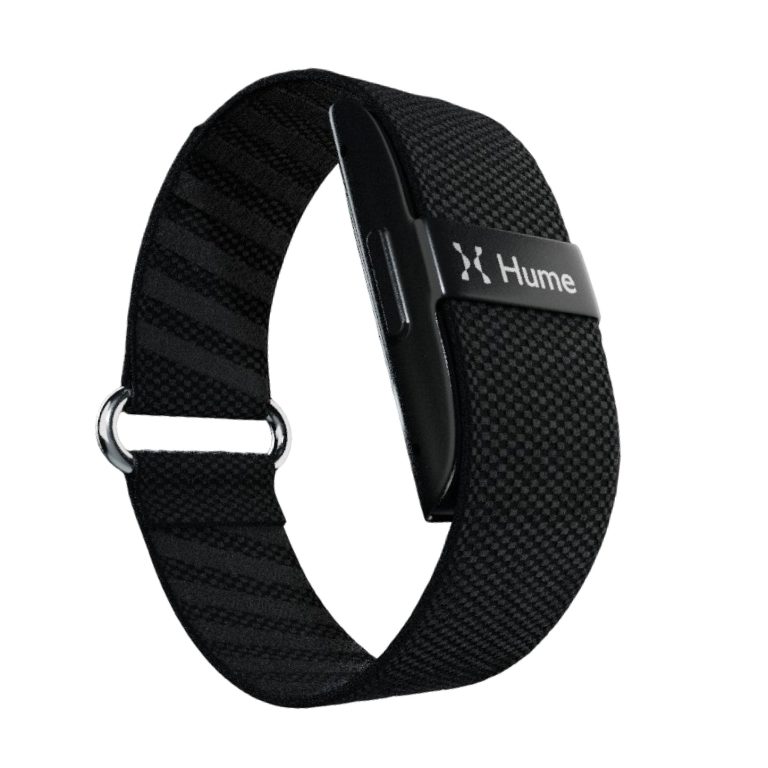
Hume Band 2.0 Review: Blood Pressure, Accuracy, Battery Life, and Cost
Hume Band 2.0 offers a 14-day battery, screen-free wellness tracking, and no required subscription. Here is what it measures, what changed, and why its blood-pressure and biological-age claims need caution.
