
🧬 Daily Discoveries: Longevity & Health Intelligence — March 25, 2026
Your daily intelligence briefing on the science of living longer and better. Covering the latest research across longevity pillars, health technology, and lifestyle optimization — curated from high-credibility sources published in the last 24–48 hours.
Presented By Our Partners



🫁 LONGEVITY PILLARS
🫀 Cardiovascular Health: Silent Genetic Risk & Risk Prediction Tools
Two major developments are reshaping how we think about heart disease prevention. First, researchers have found that nearly 90% of people with inherited familial hypercholesterolemia would not have been flagged by standard genetic testing guidelines — meaning millions carry a silent cardiovascular risk that could be caught and treated early with broader screening. Second, a new study in JAMA Cardiology validated the PREVENT equations tool, which uses common health measures (blood pressure, cholesterol, smoking, kidney function, and diabetes history) to calculate an individual’s 30-year heart disease risk percentile. Meanwhile, Mass General Brigham’s 2026 cardiology outlook identifies heart failure prevention and subclinical disease detection as the critical frontiers, with AI, genomics, and remote monitoring converging to transform how cardiac risk is managed.
Why it matters: Early identification is the most powerful intervention in cardiovascular disease. These tools are moving us from reactive treatment to proactive prevention.
🧠 Neurology: Cognitive Enrichment Delays Alzheimer’s by 5 Years + Novel Drug Target
A landmark finding published in Neurology reveals that lifetime cognitive enrichment — education, mentally stimulating activities, and intellectually demanding work — is associated with a 38% lower risk of developing Alzheimer’s dementia and an average delay of 5 years in disease onset. Separately, a promising new compound (NU-9) has shown the ability to significantly reduce early reactive astrogliosis — a hallmark of pre-symptomatic Alzheimer’s — pointing to a potential strategy for intervening before memory loss even begins. Researchers also published personalized brain models in Alzheimer’s Research & Therapy linking cognitive decline progression to measurable synaptic and connectivity degeneration, enabling more precise tracking of disease trajectory.
Why it matters: Neuroplasticity can be cultivated. These findings reinforce that keeping the brain active across a lifetime is one of the most evidence-based strategies for cognitive longevity.
💪 Muscle & Metabolic Health: New ACSM Guidelines + Sarcopenia Biomarkers
The American College of Sports Medicine (ACSM) released updated resistance training guidelines in 2026, providing clearer evidence-based recommendations for strength, hypertrophy, and power across life stages. On the research side, a new study published in GeroScience examined the intersection of sarcopenia and obesity on mitochondrial function, finding that combined sarcopenic obesity accelerates metabolic decline at the cellular level. A comprehensive umbrella review of sarcopenia biomarkers — published in PMC — identifies muscle mass, strength, and physical performance markers that are most predictive of mortality and functional decline. New research in IJERPH also found that hip extension strength is a stronger predictor of metabolic rate and functional performance than traditional handgrip testing, suggesting clinicians should expand their muscle assessment toolkit.
Why it matters: Muscle is increasingly recognized as a metabolic organ. Building and preserving it is one of the highest-leverage longevity investments at any age.
🦠 Gut Microbiome: Bacteria Deliver Proteins Directly Into Human Cells
A team at Helmholtz Munich made a significant discovery: gut bacteria can directly deliver proteins into human cells, actively shaping immune responses rather than just influencing them indirectly. These bacterial effector proteins preferentially target pathways involved in immune regulation and metabolism — including NF-κB and cytokine signaling — and genes encoding these proteins are enriched in the microbiomes of patients with Crohn’s disease. This finding reframes our understanding of how the gut microbiome drives chronic inflammation. On the therapeutic side, a new double-blind, placebo-controlled trial showed that fecal microbiota transplant (FMT) did not achieve remission in Crohn’s at 8 weeks, highlighting the need for more targeted, mechanism-driven microbial interventions.
Why it matters: Direct protein delivery from gut bacteria to host cells is a newly understood mechanism that may underpin many inflammatory conditions — and opens new therapeutic pathways.
🔬 Cellular Health: World’s First FDA-Cleared Epigenetic Reprogramming Human Trial
In what may be the most significant longevity science milestone of 2026, Life Biosciences announced FDA clearance of its IND application for ER-100 — making it the first cellular rejuvenation therapy using partial epigenetic reprogramming to enter human clinical trials. The Phase 1 study will enroll patients with glaucoma and optic neuropathy, assessing safety and impact on visual function. ER-100 uses a modified Yamanaka approach — expressing OCT4, SOX2, and KLF4 — to partially reset cell age without erasing cellular identity. Separately, a new comparative analysis published in Nature Aging identified ABT263 (Bcl-2 inhibitor) and ARV825 (BET inhibitor) as the most effective senolytics, with mitochondrial integrity playing a key role in senolytic resistance.
Featured Partner
Invest in the Infrastructure Behind Modern Medicine
As healthcare expands beyond hospital walls, the buildings and campuses supporting that shift are generating compelling returns for investors who move early. The Healthcare Real Estate Fund offers qualified investors direct access to a curated portfolio of medical office, outpatient, and specialty care facilities.
Learn More →
Why it matters: This is the beginning of the clinical translation of epigenetic reprogramming — a paradigm shift from treating disease to reversing biological aging itself.
🌬️ Pulmonary Health: Respiratory Muscle Strength Predicts VO2 Max
New research published in Applied Sciences found that respiratory muscle parameters — including maximum expiratory pressure and diaphragmatic circumference — explain 89.9% of the variance in VO2 max among competitive athletes. This suggests that targeted respiratory muscle training could be a meaningful, often overlooked lever for improving aerobic capacity and longevity-related cardiopulmonary fitness. The European Respiratory Society’s 2026 Lung Science Conference (theme: “Multiscale multiomics — dissecting lung diseases from bench to bedside”) also concluded last week in Estoril, Portugal, highlighting the integration of AI, biomarker-driven diagnostics, and digital monitoring in respiratory medicine.
Why it matters: VO2 max is one of the strongest predictors of longevity. Respiratory muscle training may be an underutilized path to improving it.
🤖 TECHNOLOGY & DISCOVERY
🧪 AI in Drug Discovery: Phase III Trials Begin for AI-Designed Compounds
2026 is being called “the year AI stops being optional in drug discovery” — and the most consequential tests are now underway. Multiple AI-designed drug candidates are entering Phase III pivotal trials, with results expected throughout the year. An MSU-led team demonstrated how gene-focused machine learning can identify therapeutics for diseases with no current effective treatments, while Chai Discovery reports AI-generated molecules achieving experimental success rates far above historical averages. In a landmark industry partnership, NVIDIA and Eli Lilly announced a co-innovation AI lab to train large biomedical foundation models for molecule identification, optimization, and validation. A key milestone: using generative AI, researchers designed 15 million potential compounds and narrowed the synthesis pool to just ~60 molecules — a dramatic compression of traditional timelines.
Why it matters: AI is compressing drug development timelines from decades to years. The 2026 Phase III readouts will determine whether AI-discovered drugs actually work at scale.
⌚ Health Wearables: Longevity Biomarkers Go Mainstream
The wearable landscape is evolving rapidly from fitness tracking to genuine health intelligence. Oura introduced a “Cumulative Stress” biomarker — a long-term metric blending heart response, sleep continuity, temperature variation, and movement to track how the body accumulates and clears stress over roughly a month. Whoop launched a “Healthspan” metric that ties daily training and sleep decisions to a pace-of-aging score. On the CGM front, Abbott is developing a dual glucose-ketone sensor as part of its Libre 3 Plus line, and the Biolinq Shine sensor becomes the first CGM to eliminate the insertion needle entirely — using a micro-sensor array for continuous metabolic monitoring. A Lancet Healthy Longevity study confirmed digital biomarkers of ageing (gait, activity, walking speed) are meaningfully associated with mortality risk.
Why it matters: Continuous, passive biomarker monitoring is becoming a practical tool for personalized longevity — no longer just for elite athletes or clinical patients.
🧬 Precision Medicine: FDA Launches “Plausible Mechanism” Approval Pathway
The FDA made a landmark move this month by launching a new “Plausible Mechanism Framework” — a novel regulatory pathway that allows cutting-edge therapies tailored for ultra-rare disease patients to gain approval based on biological plausibility, rather than traditional large-scale trial data. This is a game-changer for personalized genomic therapies. The global personalized medicine market now stands at approximately $671 billion and is projected to reach $1.37 trillion by 2035. Companion diagnostics — lab tests approved alongside specific drugs to identify eligible patients — are now the operational backbone of personalized oncology, with AI-supported imaging and biomarker testing becoming standard in clinical pathways.
Why it matters: The FDA’s new framework removes one of the biggest barriers to individualized genomic medicine — and signals a regulatory shift toward n-of-1 therapeutic development.
🏥 Longevity Research: Thymus Health Cuts Mortality Risk by 50%
A striking new finding from Mass General Brigham reveals that individuals with high thymic health scores have approximately a 50% lower risk of death, 63% lower cardiovascular mortality risk, and 36% lower lung cancer risk compared to those with low thymic health — putting the long-overlooked thymus gland back on the longevity map. Separately, Stanford geneticist Anne Brunet’s latest work on the science of aging is drawing attention to how caloric restriction, epigenetic changes, and stem cell behavior interact across species. Blue zones research received fresh validation in January 2026, with new studies confirming that lifestyle, diet, physical activity, and social connection are the core drivers of exceptional longevity.
Why it matters: Thymic health represents a newly validated longevity biomarker with profound implications for immune resilience, cancer prevention, and cardiovascular health.
🌿 LIFESTYLE & HOLISTIC
🥗 Nutrition Science: Omics-Based Anti-Inflammatory Diets + Prediabetes Reversal
Nutrition research is entering its precision era. A new review published in Frontiers in Immunology confirms that anti-inflammatory dietary patterns can achieve prediabetes remission — a return to normal glucose regulation without medication — marking a transformative therapeutic opportunity for the hundreds of millions in the prediabetes window. A multi-omics analysis in IJMS integrates gut microbiota data, adipokine profiles, nutrigenomics, and epigenetics to enable more precise personalized nutrition strategies for metabolic syndrome and obesity. In terms of specific foods, studies show that fruits and vegetables reduce circulating inflammatory cytokines in 80% of intervention studies, followed by fish (78%), dairy (67%), cereals (64%), and oils (57%). The future of nutrition science is moving toward individualized dietary prescriptions based on genetics, microbiome, and metabolic profiling.
Why it matters: Food is the most accessible longevity intervention available. Precision nutrition is making it possible to optimize diet at the individual level — not just the population level.
😴 Sleep Science: Distinct Sleep States Discovered + Circadian Chronotherapy Advances
In a significant finding published just this week in Current Biology, Indiana University scientists revealed the existence of distinct sleep states in animal models — shallower/briefer forms versus longer/deeper forms — and demonstrated that accounting for these states unlocks a new ability to measure sleep homeostasis that wasn’t previously possible. This research renews the promise of genetic sleep models for understanding human sleep regulation. Separately, research posted to bioRxiv on March 24, 2026 established a mechanistic link between microscale circadian neural dynamics and metaplastic sleep regulation, demonstrating how light-sleep interactions shape adaptive stability. On the clinical side, advances in chrononutrition (meal timing for circadian entrainment), chronomedicine (timed drug administration), and targeted light exposure therapy are gaining evidence-based momentum.
Why it matters: Sleep is foundational to every longevity pillar — cognitive health, metabolic function, immune regulation, and cellular repair. Understanding its architecture gives us new ways to optimize it.
🧘 Breathwork & Stress Physiology: Cyclic Sighing Outperforms Mindfulness for Mood
A new review published in MDPI’s Healthcare examined different breathwork techniques across chronic stress and mental health outcomes, finding that specific technique choice matters significantly for outcomes. Cyclic sighing — an exhale-focused breathing pattern — produces greater improvement in mood and reduction in respiratory rate than mindfulness meditation in controlled comparisons. A December 2025 Scientific Reports study of 404 participants found the Wim Hof Method produced greater momentary improvements in self-reported energy, mental clarity, and stress handling compared to meditation. Sustained diaphragmatic breathing interventions over 8 weeks showed significant reductions in cortisol levels, negative affect, and improvements in sustained attention. The field is moving toward identifying which techniques work best for which physiological profiles.
Why it matters: Breathwork is emerging as a evidence-backed, accessible, zero-cost intervention for stress, mood, and cortisol regulation — core factors in biological aging.
📌 TOP STORIES AT A GLANCE
- 🏆 Biggest Breakthrough: FDA clears world’s first epigenetic reprogramming human trial (Life Biosciences / ER-100)
- 🧠 Brain Health Win: Lifetime cognitive enrichment delays Alzheimer’s onset by 5 years (Neurology)
- ❤️ Heart Alert: 90% of familial hypercholesterolemia cases missed by standard genetic testing
- 🤖 AI Milestone: AI-designed drug candidates enter Phase III trials — 2026 is the year of clinical proof
- ⌚ Wearable Watch: Oura’s Cumulative Stress + Whoop’s Healthspan metrics bring longevity tracking to consumers
- 🦠 Microbiome Discovery: Gut bacteria deliver proteins directly into human cells, shaping immune responses
- 💤 Sleep Science: Distinct sleep states discovered in Current Biology — reshaping how we measure sleep homeostasis
- 🫁 Thymus Revival: High thymic health = 50% lower mortality risk (Mass General Brigham)
Daily Discoveries is curated daily from peer-reviewed journals, major research institutions, and credentialed health media. Sources include Nature Aging, Neurology, Current Biology, JAMA Cardiology, Frontiers in Immunology, Scientific Reports, bioRxiv, The Lancet Healthy Longevity, Mass General Brigham, Indiana University, Helmholtz Munich, Stanford Medicine, and the FDA.


Similar Posts
Alice 6 LDx PSG System: The Definitive Polysomnography Platform for Sleep Laboratories
Every night, roughly 70 million Americans struggle with a sleep disorder, yet the diagnostic gold standard for unraveling what happens in their brains after lights out has remained fundamentally the…
Veri: AI-Powered Consumer CGM Program for Metabolic Health Optimization
A consumer metabolic health program pairing Abbott FreeStyle Libre 3 continuous glucose monitors with AI-powered food logging, personalized meal scoring, and lifestyle coaching to help non-diabetic users understand how food,…
Natural Cycles: The Only FDA-Cleared Digital Contraceptive App
In 2018, the FDA did something it had never done before: it cleared a smartphone app as a method of contraception. The decision was controversial, the science behind it was…
Ulta Lab Tests: The Most Affordable Path to Preventive Blood Testing
Direct-access lab testing without the prescription markup. Panels from $9 to $199, nationwide availability, and the transparency that preventive health demands. Presented By Our Partners The Cost Barrier to Preventive…
Masimo W1: Clinical-Grade SpO2 Monitoring in a Wrist Wearable
The company that wrote the book on pulse oximetry accuracy brings hospital-grade oxygen monitoring to a wrist-worn form factor for the first time. Presented By Our Partners In the early…
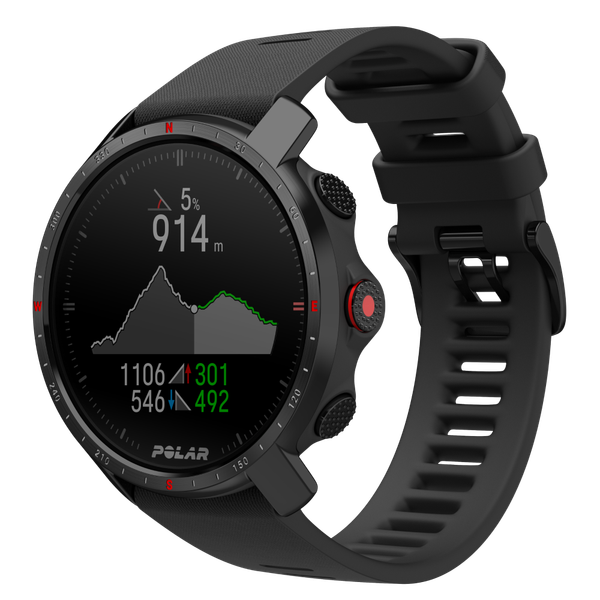
Polar Grit X Pro: Military Grade Outdoor Watch With Sapphire Glass and Advanced Navigation for Expedition Athletes
Polar’s toughest watch combines MIL STD 810G durability, sapphire crystal, and ultra long battery life with the same scientifically rigorous training and recovery analytics that have guided elite endurance athletes…
