

The AI Stool Test That Could Replace Colonoscopy: Inside the Gut Microbiome Science Changing Cancer Screening
Researchers at the University of Geneva have used machine learning to map human gut bacteria at unprecedented resolution, producing a non-invasive stool test that detects 90% of colorectal cancers. The implications extend far beyond screening.
Presented By Our Partners



Every year, colorectal cancer kills more Americans under the age of 50 than any other cancer. The numbers keep climbing: incidence among adults aged 20 to 49 is rising by nearly 3% annually, and 45% of all new colorectal cancer diagnoses in 2026 are occurring in adults younger than 65, up from just 27% in 1995. Despite this trend, fewer than 40% of adults in that younger cohort are screened. Part of the reason is the barrier of colonoscopy itself: the prep, the procedure, the time off work, the anesthesia. It is effective, but the friction is real.
New research from the University of Geneva, published in Cell Host & Microbe, suggests that a simple stool sample may soon do most of that diagnostic work instead. Scientists have created the most detailed catalogue of human gut bacteria ever assembled, then used machine learning to find patterns in that microbial data that predict colorectal cancer with 90% accuracy. That rivals colonoscopy, which detects roughly 94% of cases, and it significantly outperforms every non-invasive test currently in clinical use.
The Problem With Current Colorectal Cancer Screening
Colorectal cancer is one of the most preventable cancers when caught early. Caught at stage one, the five-year survival rate exceeds 90%. Caught at stage four, that number drops below 15%. The challenge is that early-stage disease is almost entirely silent; most people feel nothing until the cancer has grown.
Colonoscopy remains the gold standard. It allows direct visualization of the colon, enables removal of precancerous polyps in the same procedure, and achieves detection rates around 94%. But compliance rates are low. The bowel prep is uncomfortable, the procedure requires sedation, and many patients delay for years or avoid it entirely.
Alternative tests exist. The fecal immunochemical test (FIT) detects blood in stool and is simple to perform at home, but it catches only 70 to 80% of cancers and misses many precancerous lesions. Cologuard, which combines FIT with a DNA stool analysis, performs somewhat better but still falls short of colonoscopy and carries a higher false-positive rate. A screening tool that is non-invasive, inexpensive, and reliably accurate has remained elusive.
The gut microbiome may finally provide one.
What the Geneva Team Discovered
The research team, led by Mirko Trajkovski and including Matija Tricković, Silas Kieser, and Evgeny Zdobnov, started with a fundamental limitation in microbiome science: most studies classify gut bacteria at the species level, but that resolution misses important biological distinctions. Two bacteria can belong to the same species yet behave very differently depending on their strain or subspecies, including their relationship with colorectal cancer.
The Geneva group built the first comprehensive human gut bacteria catalogue at the subspecies level, a painstaking process that required new computational approaches to distinguish microbial subpopulations that had previously been lumped together. Once they had this high-resolution map, they ran machine learning algorithms across stool samples from patients with confirmed colorectal cancer and from healthy controls. The model learned to distinguish cancer from non-cancer with 90% accuracy based solely on the patterns of microbial subspecies present in the sample.
The results, published in Cell Host & Microbe (2025; 33[8]:1446), represent the most accurate non-invasive colorectal cancer detection method yet validated. In a direct comparison, this approach outperformed FIT, Cologuard, and every other stool-based test currently available. A clinical trial in partnership with Geneva University Hospitals is now being prepared to further define which cancer stages and precancerous lesions the method can detect.
Trajkovski’s lab also noted something with potentially broader implications: the same subspecies-level analysis may be applicable to a wide range of other diseases, all derived from a single microbiota profiling of a stool sample. The researchers described this as a potential platform, not just a single test.
Why the Microbiome Signals Cancer
The connection between gut bacteria and colorectal cancer is not new, but its complexity has historically made it difficult to use clinically. Decades of research have established that the gut microbiome influences colorectal cancer through several distinct mechanisms: direct genotoxic damage to intestinal cells, chronic immune activation and inflammatory signaling, metabolic reprogramming of the tumor microenvironment, and disruption of the protective mucus layer that lines the colon.
Certain bacterial species are consistently elevated in colorectal cancer patients. Fusobacterium nucleatum is the most studied: it adheres to colon epithelial cells, activates oncogenic signaling pathways including Wnt and NF-kB, and recruits immunosuppressive cells into the tumor microenvironment. A 2022 review in Nature Reviews Microbiology described Fusobacterium nucleatum as a potential driver of CRC progression, not merely a bystander, with evidence that it can accelerate tumor growth and worsen outcomes. Peptostreptococcus anaerobius, pks+ Escherichia coli, and enterotoxigenic Bacteroides fragilis are among the other pro-tumorigenic bacteria consistently identified in CRC-associated microbiome studies.
Featured Partner
Invest in the Infrastructure Behind Modern Medicine
As healthcare expands beyond hospital walls, the buildings and campuses supporting that shift are generating compelling returns for investors who move early. The Healthcare Real Estate Fund offers qualified investors direct access to a curated portfolio of medical office, outpatient, and specialty care facilities.
Learn More →
Conversely, a healthy, diverse gut microbiome appears protective. Short-chain fatty acid (SCFA) producers such as Faecalibacterium prausnitzii and Roseburia intestinalis maintain colonocyte health, support the intestinal barrier, and generate anti-inflammatory signals that reduce cancer risk. Research published in Gut (2021; 70[8]:1476) found that higher abundance of SCFA-producing bacteria was inversely associated with colorectal adenoma risk, suggesting the protective role begins before cancer even develops.
The Geneva team’s subspecies-level analysis captures these signals with greater precision than any prior method. Rather than asking whether Fusobacterium nucleatum is present, the model can identify which subspecies and in what combination, unlocking a richer diagnostic signal from the same sample.
The Machine Learning Advantage
Human biology is complex enough that traditional biomarker approaches, which look for a single elevated protein or a specific gene mutation, often struggle with sensitivity and specificity. Machine learning approaches are better suited to high-dimensional biological data, where dozens or hundreds of variables interact in ways that are difficult to capture with simple thresholds.
The Geneva model is trained on the full pattern of microbial subspecies across the stool sample. It learns which combinations of microbes, at what relative abundances, are most predictive of cancer versus healthy tissue. This is fundamentally different from FIT, which looks only for blood, or Cologuard, which screens for a small set of known DNA mutations. The microbiome-based model is reading an entirely different biological layer of information.
Parallel research published in the Journal of Translational Medicine in April 2026 reinforced this cross-disease potential. Scientists studying gut biomarkers across gastric cancer, colorectal cancer, and inflammatory bowel disease found that bacterial and metabolite signatures overlap significantly between these conditions, suggesting that a single microbiome profile from a stool sample could eventually flag risk across multiple gastrointestinal diseases simultaneously. Key metabolites identified included dihydrouracil, taurine, isoleucine, and nicotinamide, each associated with distinct disease states at different stages of progression.
This convergence of microbiome science and machine learning is producing something the field has long sought: a non-invasive, biologically rich screening platform that captures disease signals years before symptoms appear.
The Rising Threat in Younger Adults
The urgency of better screening tools is amplified by the epidemiological shift currently underway. An American Cancer Society report released in early 2026 confirmed that colorectal cancer incidence among adults under 50 is rising by 3% per year, while declining in older adults. The disease is now the leading cause of cancer mortality in men aged 20 to 49 and the second leading cause in women of the same age group.
Researchers do not yet have a definitive explanation for this trend, but hypotheses center on changes to the gut microbiome itself: the rise of ultra-processed food consumption disrupting microbial diversity, widespread antibiotic use altering colonization patterns in early life, reduced fiber intake shrinking populations of SCFA-producing bacteria, and increasing rates of obesity and metabolic dysfunction accelerating mucosal inflammation. Each of these factors is modifiable, which makes the gut microbiome both a diagnostic target and a prevention lever.
The current U.S. screening guideline recommends colonoscopy or an equivalent screening beginning at age 45 for average-risk adults, a change made in 2021 after the American Cancer Society lowered the threshold from 50. Yet implementation lags significantly in the 45 to 49 age group, where only 37% of eligible adults have been screened. A stool-based test with 90% sensitivity and no procedural burden could dramatically change that compliance picture.
How Diet and Lifestyle Reshape the Microbiome Before Cancer Arrives
One of the most important implications of this research is what it reveals about prevention, not just detection. If the microbiome carries detectable cancer signals, it also carries the residue of everything that shaped it: diet, exercise, sleep, stress, antibiotic history, and environmental exposures. This means the microbiome is not just a diagnostic mirror but a record of health behaviors.
Fermented foods have attracted particular attention. A landmark 2021 Stanford study published in Cell (184[16]:4137) found that a high-fermented-food diet increased gut microbiome diversity and significantly reduced levels of 19 systemic inflammatory proteins over a ten-week period. Greater microbiome diversity is consistently associated with lower colorectal cancer risk, and fermented food consumption represents one of the most accessible ways to support it.
Dietary fiber drives production of the SCFAs that protect colonocytes. Resistance training improves microbial diversity independently of diet, with research published in Gut Microbes (2021; 13[1]) demonstrating that exercise-induced changes to the microbiome are linked to reduced intestinal permeability and lower circulating inflammatory markers. Sleep deprivation, conversely, disrupts circadian regulation of microbial communities within 48 hours, reducing diversity and elevating bacterial taxa associated with intestinal inflammation.
These findings reinforce what integrative medicine has argued for years: foundational lifestyle practices are not secondary to drug-based cancer prevention. They are the primary lever on the biological terrain that cancer exploits.
Where This Technology Goes Next
The clinical trial being prepared with Geneva University Hospitals will be a pivotal step. The trial is designed to clarify the test’s performance across different cancer stages, from early precancerous adenomas through advanced disease, and to establish the false-positive rate in a diverse real-world population. Regulatory approval for a microbiome-based stool test would likely require demonstration of sensitivity and specificity comparable to or better than existing approved alternatives, alongside evidence of clinical utility in improving patient outcomes.
Commercial development of microbiome diagnostics is already advancing on parallel tracks. Guardant Health, Exact Sciences, and a growing field of biotech startups are investing heavily in multi-omics stool testing platforms that combine DNA, RNA, protein, and microbiome data into composite cancer-risk scores. The Geneva approach’s emphasis on subspecies-level microbial resolution adds a layer of granularity that most existing platforms do not yet capture.
Researchers also see a path toward personalized prevention. If a stool test can detect cancer-associated microbial patterns early enough, targeted dietary and probiotic interventions could theoretically be prescribed to restore a protective microbiome profile before malignancy develops. This positions the gut microbiome as an actionable prevention target, not just a passive indicator of risk.
What This Means for You
Colorectal cancer is one of the most preventable cancers, and the science of prevention keeps getting more precise. Here is what the current evidence supports, while the clinical trial of the Geneva test moves forward.
If you are 45 or older and have not been screened, that conversation with your doctor cannot wait. Current tools, including FIT and Cologuard, are imperfect but effective enough to catch many cancers early. The colonoscopy, despite its barriers, remains the only tool that both detects and removes precancerous polyps in a single procedure. Do not allow the search for a better test to become a reason to delay using the tools that exist today.
On the prevention side, the microbiome research converges with everything nutrition science already argues. A fiber-rich diet from whole plant foods, regular consumption of fermented foods, consistent resistance training, seven to nine hours of quality sleep, and minimizing ultra-processed foods are the four core interventions most supported by current evidence for maintaining the microbial diversity that keeps your colon healthy. None of these require a prescription.
The gut is not just a digestive organ. It is one of the body’s most important surveillance systems, and an entire field of science is now learning to read its signals. The ability to detect cancer in a stool sample with the accuracy of a colonoscopy is not science fiction. It is a clinical trial away from becoming a screening option for anyone willing to submit a sample.
That changes cancer screening in the same way continuous glucose monitoring changed metabolic health: not by replacing clinical judgment, but by making data available earlier, more easily, and to more people. The gut microbiome may be the most consequential frontier in preventive medicine that most people have never heard of. The research coming out of Geneva suggests that is about to change.
Sources: Tricković M, Kieser S, Zdobnov EM, Trajkovski M. Cell Host & Microbe 2025; 33(8):1446. Journal of Translational Medicine, April 2026. American Cancer Society Colorectal Cancer Statistics 2026. ScienceDaily, April 9, 2026. Sonnenburg JL et al. Cell 2021; 184(16):4137. Mols F et al. Gut 2021; 70(8):1476.


Similar Posts

Nurvv Run Smart Insoles: Pressure-Based Gait Analysis and Injury Prevention
Every running injury begins with a biomechanical pattern the runner cannot feel. The question is whether wearable technology can detect that pattern before the injury announces itself. Presented By Our…

Your Brain Ages Faster When You Sleep Poorly: What 27,000 Brain Scans Reveal About Deep Sleep and Cognitive Longevity
A landmark study of 27,500 brain scans from the UK Biobank reveals that poor sleep accelerates brain aging by up to a full year, with systemic inflammation as the mediating…
One in Three Americans Now Ask AI About Their Health. Here’s What the Data Reveals.
A Rock Health survey of 8,000 Americans and a Microsoft analysis of 500,000 Copilot conversations reveal a seismic shift in how people navigate symptoms, treatments, and the healthcare system itself….
The Wearable That Rewires Walking: How Cionic’s Neural Sleeve 2 Is Redefining Neurological Mobility
A former Apple and Jawbone engineer built the first FDA-cleared wearable that simultaneously activates muscles and relaxes spasms, giving millions with MS, stroke, cerebral palsy, and spinal cord injuries the…
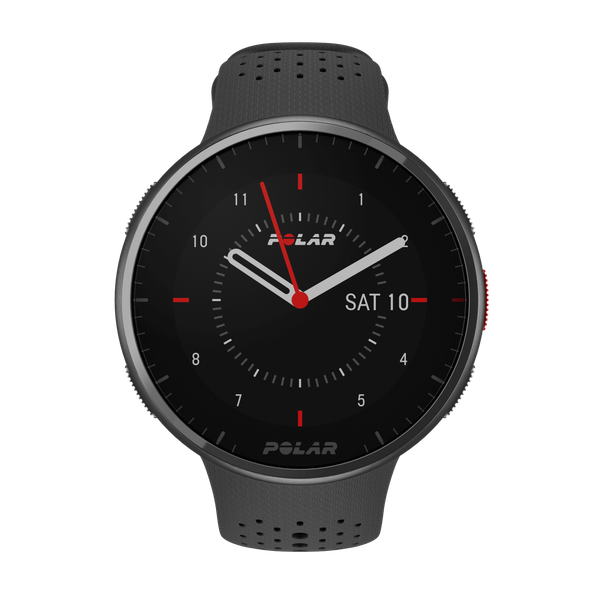
Polar Pacer Pro: Ultra Lightweight GPS Running Watch With Barometric Altitude and Training Analytics
At 41 grams with an integrated barometer, running power, and Polar’s full Training Load Pro analytics, the Pacer Pro delivers serious running science at $349.90 with no subscription required. Presented…

Strength Training Is the Most Underrated Sleep Aid in Medicine: What 86 Clinical Trials and 7,276 Participants Reveal About Lifting Weights and Deep Sleep
A 2025 network meta-analysis of 86 clinical trials and 7,276 participants reveals that resistance training significantly improves sleep quality, increases deep slow-wave sleep, reduces anxiety and inflammatory markers, and triggers…
