
Collagen for Joint Pain: What 25 Trials Show (2026 Evidence Grade)
The one collagen claim that holds up, with a modest effect and an honest ceiling.
Presented By Our Partners



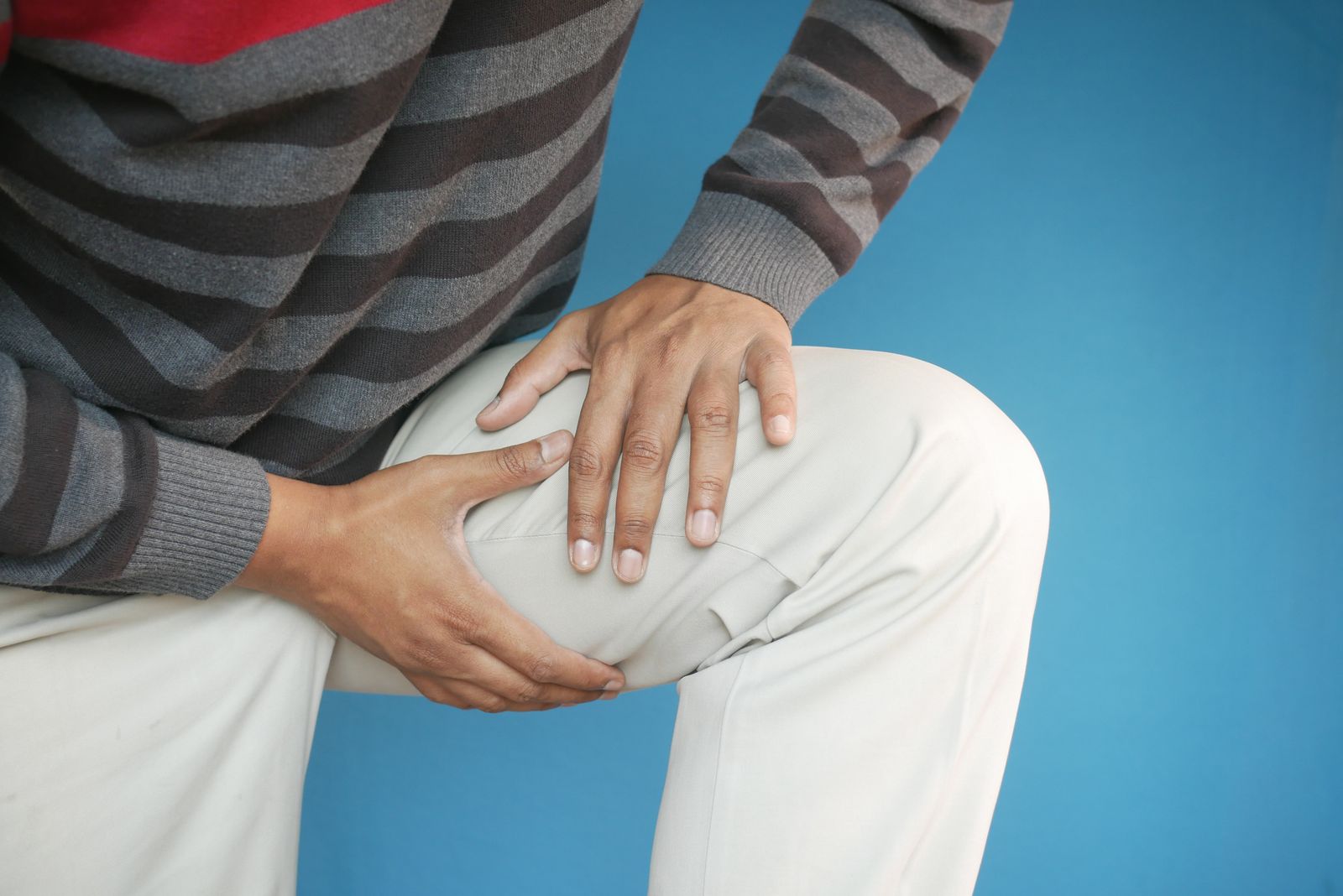
Across 25 randomized trials enrolling 2,856 people with osteoarthritis, oral collagen derivatives reduced pain by a standardized 0.35 (95% CI 0.48 to 0.22, moderate certainty) and improved function by 0.31 (95% CI 0.41 to 0.22, high certainty) versus placebo, without increasing withdrawals or adverse events (PMID 38218227). That is a small to moderate effect, it is consistent across multiple syntheses, and it is the best-supported claim in the collagen category by a wide margin.
What the trials measured
The 2024 meta-analysis searched to June 2023 and identified 35 RCTs, with 25 in the primary analysis. Outcomes were patient-reported pain and function, mostly WOMAC and visual analogue scales, which are the outcomes that matter to someone with a sore knee. The authors applied GRADE, rating pain evidence moderate certainty and function evidence high certainty, and ran trial sequential analysis, which indicated the pooled sample was large enough that further trials are unlikely to reverse the direction of effect (PMID 38218227). A 2025 meta-analysis restricted to knee osteoarthritis, 11 RCTs with 451 participants on collagen and 419 on placebo, translated the effect into raw points: function scores improved by 6.46 points (95% CI 9.52 to 3.40) and pain scores by 13.63 points (95% CI 20.67 to 6.58), with high heterogeneity (I2 75 percent for function and 88 percent for pain) (PMID 39212129).
How collagen compares with other joint supplements
A 2025 Bayesian network meta-analysis compared seven supplements across 39 RCTs (42 studies, n=4,599) in knee osteoarthritis. Boswellia ranked highest for pain and stiffness, with a WOMAC pain difference of 10.58 points (95% CI 6.45 to 14.78) versus placebo, while collagen showed benefits on only some outcomes; no supplement increased adverse events (PMID 40806131). The collagen-specific effect size was not reported in the abstract. Indirect comparisons of this kind are weaker than head-to-head trials, but the ranking is a useful corrective to the idea that collagen is the obvious first choice for joints.
Featured Partner
Invest in the Infrastructure Behind Modern Medicine
As healthcare expands beyond hospital walls, the buildings and campuses supporting that shift are generating compelling returns for investors who move early. The Healthcare Real Estate Fund offers qualified investors direct access to a curated portfolio of medical office, outpatient, and specialty care facilities.
Learn More →
| Analysis | Population | Pain | Function | Certainty |
|---|---|---|---|---|
| PMID 38218227 (2024) | 25 RCTs, n=2,856, osteoarthritis | SMD 0.35 (95% CI 0.48 to 0.22) | SMD 0.31 (95% CI 0.41 to 0.22) | Moderate for pain, high for function |
| PMID 39212129 (2025) | 11 RCTs, n=870, knee osteoarthritis | MD 13.63 points (95% CI 20.67 to 6.58) | MD 6.46 points (95% CI 9.52 to 3.40) | High heterogeneity; RoB 2 results not in abstract |
| PMID 40806131 (2025) | 39 RCTs, n=4,599, knee osteoarthritis, 7 supplements | Boswellia ranked first; collagen benefited some outcomes | Collagen effect size not reported | Indirect network comparison |
Two forms, pooled as one
The osteoarthritis trials used two very different products. Hydrolyzed collagen peptides are taken at gram doses, typically several grams a day, and are absorbed as small peptides and amino acids. Undenatured type II collagen, sold as the branded ingredient UC-II, is taken at 40 mg per day, delivering about 10 mg of intact type II collagen, with a proposed oral tolerance mechanism in gut-associated immune tissue. The meta-analyses pooled both. That means the evidence supports “collagen derivatives” as a class but does not yet tell a buyer which form, at which dose, carries the effect.
What we do not know
No trial has demonstrated a structural change in cartilage on imaging; the effect is on symptoms. Hydrolyzed and undenatured type II collagen were pooled, so the dose and form that work are not isolated. In a 2018 review of 69 studies covering 20 supplements, no supplement, collagen included, had clinically important effects on pain or function at medium-term or long-term follow-up (PMID 29018060). Healthy joints were not studied, so the trial evidence does not extend to people without osteoarthritis who are buying collagen to protect their knees. Retailer copy that says collagen rebuilds cartilage is making a claim no trial measured.
Doses used in studies
These are doses reported by the named sources, not recommendations.
| Source | Dose reported | Context |
|---|---|---|
| PMID 38218227 | Trial-specific doses across hydrolyzed and undenatured type II arms | 35 RCTs in osteoarthritis |
| Lonza UC-II ingredient specification | 40 mg per day, about 10 mg undenatured type II collagen | Branded ingredient used in the undenatured type II trials |
| Examine collagen page | Roughly 2.5 to 15 g per day hydrolyzed collagen; 40 mg per day undenatured type II | Independent summary across joint trials |
The complete HYPE Index table and interaction rows are in the hub: Collagen Review 2026: Evidence Grade, Best Form, Side Effects. A different approach to the same symptom is covered in the prebiotic fiber trial in knee osteoarthritis.


Similar Posts
The Daily Rounds: Longevity & Health Care Brief | May 4, 2026
💊 Semaglutide's Psychiatric Signal — A 100,000-person Lancet study found GLP-1 drugs are associated with 44% lower depression risk, 42% fewer psychiatric hospitalizations, and 47% fewer substance use disorder admissions. ☕ Coffee as a Gut-Brain Intervention — A Nature Communications trial confirmed daily coffee, including decaf, reshapes the gut microbiome in ways that demonstrably improve mood, lower anxiety, and enhance memory. ⚠️ Pesticide Mixtures Exceed Safe Thresholds — Individually non-carcinogenic pesticides combine to raise cancer risk by 150% in high-exposure regions, demanding mixture-based regulatory evaluation. 🧬 MLKL Death Protein Drives Immune Aging — A death protein damages stem cell mitochondria without killing cells, progressively weakening immune resilience with age, and can be targeted to preserve regenerative capacity. 💰 AI Drug Pipelines Hit Commercial Scale — Eli Lilly's $2.75 billion Insilico deal and the NVIDIA-Lilly AI lab mark the pharmaceutical industry's decisive shift from AI experiments to AI-native drug development at scale.

The Finnish Heat Prescription: Sauna, Heat Shock Proteins, and the 2026 Science of Hormetic Longevity
From Jari Laukkanen’s Finnish cohort data to new heat shock protein research, 2026 is turning sauna bathing from cultural ritual into one of the most rigorously studied longevity interventions of…

The Glymphatic System: How Sleep Cleanses the Aging Brain and What 12 Years of Neuroscience Reveal About Dementia Prevention
In 2013, Maiken Nedergaard’s lab at the University of Rochester discovered that the brain runs a sleep-gated waste clearance network called the glymphatic system. Twelve years of follow up research,…

Longevity Science Is Having a Reckoning: Why the Next Breakthrough May Not Be a Drug
Scientists at the 2nd World Congress on Targeting Longevity in Berlin delivered an uncomfortable verdict in April 2026: despite decades of discoveries, longevity science has stalled on clinical translation. The…
What Are Somatic Mutations? A Plain-English Guide to the DNA Changes Happening Inside You Right Now
Somatic mutations are DNA changes that happen in your body’s cells throughout life, not at conception. A plain-English guide to what they are, how they arise, why most of them…
The Daily Rounds: Longevity & Health Care Brief | April 23, 2026
🔥 Inflammation at the Core of Heart Disease: Scientific American's May 2026 cover spotlights chronic inflammation as a central cardiovascular driver, with inexpensive drugs like colchicine entering the prevention playbook. 🧠 Lifelong Learning Delays Alzheimer's by Years: Cognitive enrichment throughout life cuts Alzheimer's risk by 38% and delays onset by approximately five years compared to low-engagement peers. 🤖 GPT-Rosalind Enters Drug Discovery: OpenAI's new life sciences model is live at Amgen, Moderna, and the Allen Institute, built to compress the earliest and slowest stages of drug development. ⚡ Gut Bacteria Drive ALS and Frontotemporal Dementia: Scientists identify a gut-brain mechanism in which microbial sugars trigger immune-mediated brain cell death, with promising targets for intervention now identified. 🌙 Circadian Fragmentation Accelerates Brain Shrinkage: Johns Hopkins confirms that weak, irregular rest-activity rhythms are directly linked to faster volumetric loss in memory-related brain regions over time.
