

Does Collagen Improve Skin? Moderate Evidence, 23 Studies Reviewed
Yes in the trials manufacturers paid for, no in the ones they did not.
Presented By Our Partners



Oral collagen raised skin hydration by a standardized 1.25 and elasticity by 0.61 versus placebo across 10 randomized trials of 646 mostly female adults (PMID 40826844), yet when a 2025 analysis of 23 trials (n=1,474) separated out the studies without pharmaceutical company funding and the high-quality studies, no skin outcome remained significant (PMID 40324552). That pair of findings is the whole collagen skin story, and it is worth reading slowly, because the market has quoted the first paper and ignored the second.
What the positive meta-analyses found
The positive literature is not small. A 2023 meta-analysis of 26 RCTs (n=1,721) found hydrolyzed collagen improved hydration and elasticity with Z statistics of 4.94 and 4.49 (p below 0.00001), though it reported no pooled effect sizes and its authors flagged several biases in the included trials (PMID 37432180). A 2021 analysis of 19 double-blind RCTs (n=1,125, 95 percent women) found 90 days of hydrolyzed collagen improved hydration, elasticity and wrinkles, with hydration and elasticity confirmed in subgroup analysis (PMID 33742704). A 2025 review spanning 61 dietary intervention studies on skin aging pooled oral collagen at a wrinkle effect of 0.94 (95% CI 1.39 to 0.49), a hydration effect of 0.66 (95% CI 0.29 to 1.04) and a marginal pigment spot effect of 0.16 (PMID 41174715). The 2025 analysis of 10 RCTs that produced the headline hydration figure of 1.25 used doses from 1 to 10 g per day, most commonly 4 g and a median of 3.5 g, and noted moderate heterogeneity (I2 55 to 57 percent), generally unclear risk of bias, and that weather, a major driver of skin hydration, was not controlled (PMID 40826844).
What the funding-stratified analysis found
The 2025 meta-analysis of 23 RCTs (n=1,474), searched to June 2024, pooled the same kind of outcomes and reached the same overall positive result. Then it did something the earlier papers had not: it split the trials by funding source and by methodological quality. Trials without pharmaceutical company funding showed no significant effect on hydration, elasticity or wrinkles. High-quality trials showed no significant effect on any outcome. The authors concluded that no clinical evidence supports collagen supplementation for skin aging (PMID 40324552). In HYPE Index terms, this is the P axis (Peer Review and Proof of Work) doing exactly what it is designed to do: the independent, non-manufacturer trials are the verifier, and they came back null.
Featured Partner
Invest in the Infrastructure Behind Modern Medicine
As healthcare expands beyond hospital walls, the buildings and campuses supporting that shift are generating compelling returns for investors who move early. The Healthcare Real Estate Fund offers qualified investors direct access to a curated portfolio of medical office, outpatient, and specialty care facilities.
Learn More →
| Analysis | Trials and participants | Finding | Caveat |
|---|---|---|---|
| PMID 40826844 (2025) | 10 RCTs, n=646 | Hydration SMD 1.25; elasticity SMD 0.61 | Mostly women; weather not controlled; unclear risk of bias |
| PMID 37432180 (2023) | 26 RCTs, n=1,721 | Hydration and elasticity improved (Z 4.94 and 4.49) | No pooled effect sizes; biases noted |
| PMID 33742704 (2021) | 19 RCTs, n=1,125 | Hydration, elasticity, wrinkles improved at 90 days | 95 percent women; funding not analyzed |
| PMID 41174715 (2025) | 61 studies across nutrients | Wrinkles pSMD 0.94; hydration pSMD 0.66 | Single database; collagen study count not stated |
| PMID 40324552 (2025) | 23 RCTs, n=1,474 | No significant effect in non-industry or high-quality trials | Pooled effect sizes not in abstract |
Why the two results can both be true
Skin hydration measured by a corneometer and elasticity measured by a cutometer are sensitive instruments. Small differences in trial conduct, season, product supply and outcome selection can produce standardized effects above 1.0 that no participant would notice in a mirror. Manufacturer-supplied trials tend to be smaller, shorter and more likely to publish positive results. None of this requires misconduct; it is the ordinary behavior of a literature in which the party with the product also designs the test. The funding-stratified analysis is the first to measure that behavior for collagen, and the result is the most important single data point for a consumer.
What we do not know
Almost all participants were women aged 20 to 70, so the data say little about men or older adults. Trials ran about 8 to 12 weeks, so there is no evidence on whether any effect persists, plateaus or fades. No analysis has tested whether instrument-measured hydration changes are visible to an observer or in standardized photographs. Pooled results are standardized effects, so no paper reports an absolute change in hydration units or wrinkle depth. And the market has not revised: labels promising visible anti-aging at 10 to 20 g per day were written before the 2025 null result and have not changed since.
Doses used in studies
These are doses reported by the named sources, not recommendations.
| Source | Dose reported | Context |
|---|---|---|
| PMID 40826844 | 1 to 10 g per day, most commonly 4 g, median 3.5 g | 10 RCTs, 2010 to 2021, mostly women |
| PMID 33742704 | Hydrolyzed collagen, typically 90 days; doses varied | 19 double-blind RCTs, 95 percent women |
| Vital Proteins Collagen Peptides label | 20 g per two-scoop serving | Retail label, about six times the median trial dose |
The full evidence grade, interaction table and forms comparison are in the hub: Collagen Review 2026: Evidence Grade, Best Form, Side Effects. For the adjacent muscle question, see Collagen for Muscle and Strength.


Similar Posts
The Daily Rounds: Longevity & Health Care Brief | April 23, 2026
🔥 Inflammation at the Core of Heart Disease: Scientific American's May 2026 cover spotlights chronic inflammation as a central cardiovascular driver, with inexpensive drugs like colchicine entering the prevention playbook. 🧠 Lifelong Learning Delays Alzheimer's by Years: Cognitive enrichment throughout life cuts Alzheimer's risk by 38% and delays onset by approximately five years compared to low-engagement peers. 🤖 GPT-Rosalind Enters Drug Discovery: OpenAI's new life sciences model is live at Amgen, Moderna, and the Allen Institute, built to compress the earliest and slowest stages of drug development. ⚡ Gut Bacteria Drive ALS and Frontotemporal Dementia: Scientists identify a gut-brain mechanism in which microbial sugars trigger immune-mediated brain cell death, with promising targets for intervention now identified. 🌙 Circadian Fragmentation Accelerates Brain Shrinkage: Johns Hopkins confirms that weak, irregular rest-activity rhythms are directly linked to faster volumetric loss in memory-related brain regions over time.
Willow Go Wearable Breast Pump: Affordable Hands-Free Pumping with App Tracking
The wearable breast pump category was born from a simple observation: the technology meant to help mothers sustain breastfeeding was itself a barrier to breastfeeding. Willow Go brings that innovation…
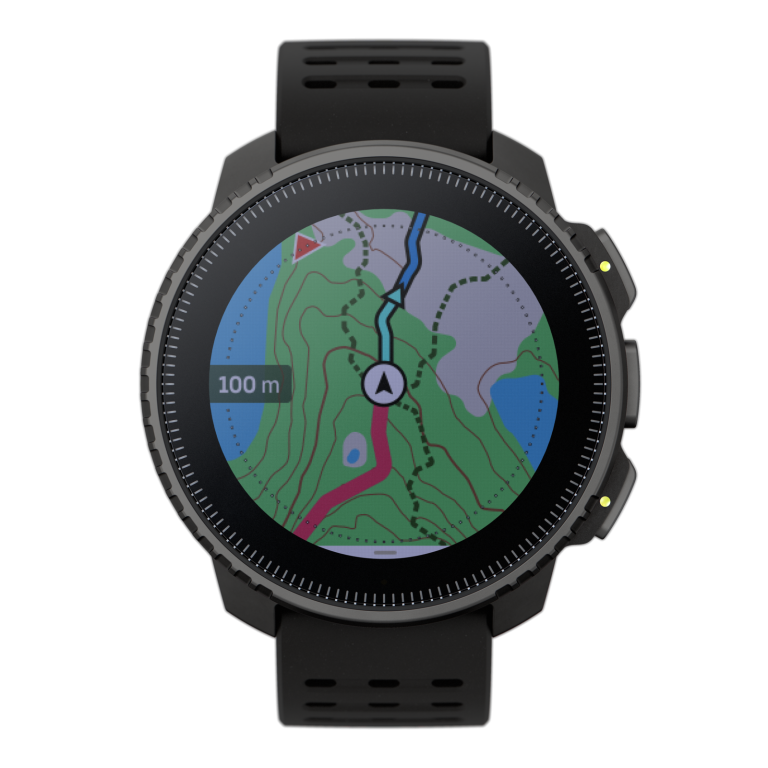
Suunto Vertical: Solar Charging Adventure Watch With Free Offline Maps and Dual Band GPS
Finland’s iconic outdoor watch brand delivers solar charging, dual band GPS, free offline topographic maps, and military grade durability in a package that spans $499 to $699 with no subscription…
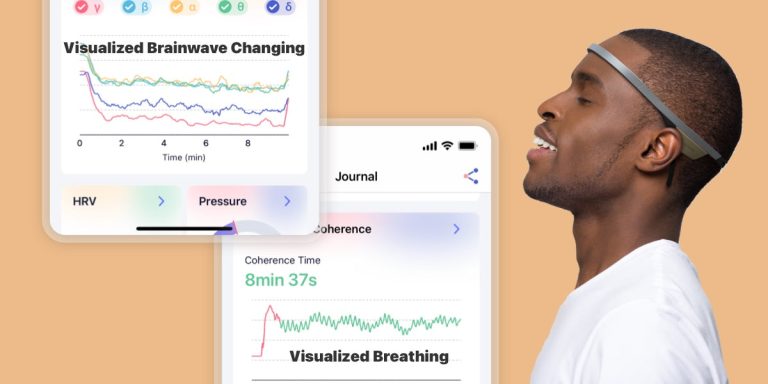
Flowtime Headband Review: EEG, HRV, and What the Evidence Shows
The Flowtime headband by Entertech pairs EEG with heart rate variability feedback. Its breathing coach is grounded in science; its brainwave scores are unvalidated.
The Future of Wearable Blood Sugar Monitoring: From Glucose Tracking to Metabolic Intelligence
Wearable glucose monitoring is moving beyond diabetes management toward a broader era of metabolic intelligence, where CGMs, rings, watches, and AI begin to connect food, sleep, stress, and exercise into…

Aging Is a Communication Failure: The New Science Redefining Longevity Medicine
At the 2nd World Congress on Targeting Longevity in Berlin, researchers are proposing a paradigm shift: aging is not a collection of molecular defects to be fixed, but a progressive…
