

Dreame AI Blood Pressure Smart Watch: Air Pump Pressurization for Medical-Grade BP Readings
A smartwatch that integrates air pump pressurization technology with AI health algorithms to deliver medical-grade blood pressure and ECG readings from the wrist, boasting 10 to 12 days of battery life in an everyday wearable design.
Presented By Our Partners



Hypertension affects nearly half of all adults in the United States and remains the single largest modifiable risk factor for cardiovascular disease, stroke, and chronic kidney disease. A 2023 scientific statement from the American Heart Association published in Hypertension by Muntner et al. reaffirmed that accurate, regular blood pressure monitoring is foundational to hypertension management, yet noted that most adults with hypertension do not monitor blood pressure at home with sufficient frequency to guide treatment decisions effectively (DOI: 10.1161/HYP.0000000000000239). The gap between guideline recommendations (regular home monitoring) and patient behavior (infrequent, often only in-clinic measurement) represents one of the largest missed opportunities in preventive cardiology.
Wrist-based blood pressure measurement has been a long-sought goal in wearable health technology. Most consumer wrist devices that claim blood pressure monitoring use photoplethysmography (PPG) to estimate blood pressure from pulse wave characteristics, an approach that lacks the accuracy of traditional oscillometric measurement. A 2022 systematic review published in the Journal of the American Heart Association by Mukkamala et al. found that cuffless PPG-based blood pressure estimation demonstrated mean errors within acceptable ranges but showed wide individual variability that limits clinical reliability for individual patient management (DOI: 10.1161/JAHA.121.023428). Dreame Technology’s approach, integrating an actual air pump pressurization mechanism into a smartwatch, represents a fundamentally different technical strategy that preserves the oscillometric measurement principle used in clinical-grade devices while miniaturizing it to wrist-wearable dimensions.
What Is the Dreame AI Blood Pressure Smart Watch?
The Dreame AI Blood Pressure Smart Watch is a wrist-worn health monitoring device unveiled at CES 2026 that combines air pump pressurization technology with ECG recording and AI-powered health algorithms. Unlike most smartwatches that estimate blood pressure using optical sensors alone, the Dreame watch includes a physical air bladder and miniaturized pump mechanism that inflates against the wrist to measure blood pressure using the same oscillometric principle as traditional arm cuff devices, adapted for the wrist form factor.
The air pump pressurization approach is a critical technical distinction. Oscillometric blood pressure measurement, which detects pressure oscillations in an inflated cuff as it deflates, is the measurement principle used in virtually all validated clinical and home blood pressure monitors. By preserving this principle rather than relying on optical estimation, the Dreame watch aims to deliver accuracy closer to medical-grade devices than PPG-only alternatives can achieve.
Beyond blood pressure, the watch provides ECG recording, continuous heart rate monitoring, blood oxygen saturation (SpO2), sleep analysis, activity tracking, and health risk assessment, all powered by Dreame’s self-developed AI Health Algorithms. The device offers 10 to 12 days of battery life, a specification that significantly exceeds most smartwatches with comparable health feature sets (Apple Watch Ultra 2 achieves approximately 36 hours; Samsung Galaxy Watch 6 approximately 40 hours).
The watch is part of Dreame’s broader CES 2026 wearable health ecosystem that includes three AI smart rings, positioning the company as a new entrant building a comprehensive digital health management platform rather than a single-device product.
The Science Behind Wrist-Based Blood Pressure Measurement
Blood pressure measurement requires detecting the force exerted by blood against arterial walls during cardiac contraction (systolic pressure) and relaxation (diastolic pressure). The gold standard for non-invasive measurement remains the auscultatory method using a mercury sphygmomanometer and stethoscope, but automated oscillometric devices have become the clinical norm due to their ease of use and elimination of observer bias.
Oscillometric devices work by inflating a cuff around an artery, then slowly deflating while detecting pressure oscillations caused by arterial blood flow. The amplitude envelope of these oscillations allows algorithmic determination of systolic, diastolic, and mean arterial pressures. This method is well-validated and forms the basis of all clinically approved automated blood pressure monitors.
Wrist-based oscillometric measurement presents unique challenges. The radial and ulnar arteries at the wrist are smaller and more superficial than the brachial artery in the upper arm, making accurate cuff-based measurement more sensitive to positioning, wrist angle, and cuff fit. Clinical guidelines from the American Heart Association recommend wrist blood pressure monitors only when upper arm measurement is not feasible, noting that wrist measurements require the wrist to be held at heart level to avoid hydrostatic pressure errors.
A 2024 study published in Blood Pressure Monitoring examined the accuracy of wrist-based oscillometric devices compared to upper arm reference monitors, finding that wrist devices can achieve acceptable accuracy when proper positioning protocols are followed, but that user positioning errors account for a larger proportion of measurement variability than the device hardware itself. This suggests that a smartwatch-based blood pressure device, which is always worn at the wrist, must either compensate algorithmically for variable wrist positioning or require users to adopt a specific arm position during measurement.
The Dreame watch’s integration of AI algorithms alongside the oscillometric hardware likely addresses this positioning challenge through software-based calibration and error correction, though the specific approach has not been detailed publicly.
What the Dreame AI Blood Pressure Smart Watch Does Well
The oscillometric approach to wrist blood pressure measurement is the watch’s most significant technical decision. By using actual air pump pressurization rather than optical estimation, the device preserves the measurement principle that underpins every validated clinical blood pressure monitor. This gives the Dreame watch a credibility foundation that PPG-only blood pressure estimation cannot match, regardless of how sophisticated the optical algorithms become.
The 10 to 12 day battery life is remarkable for a device that includes an air pump mechanism, ECG recording, continuous heart rate monitoring, and the processing power required for AI health algorithms. For comparison, the Samsung Galaxy Watch with blood pressure monitoring (available in select markets) achieves approximately 40 hours of battery life. The extended battery life suggests either highly efficient engineering or aggressive power management that limits continuous monitoring duty cycles.
The combination of blood pressure and ECG in a single wrist-worn device creates a cardiovascular monitoring platform that captures the two most clinically important cardiac measurements outside a clinical setting. Hypertension and cardiac arrhythmias (detectable via ECG) are independent but frequently co-occurring cardiovascular risk factors, and monitoring both simultaneously provides a more complete cardiovascular risk picture than either measurement alone.
Integration within Dreame’s broader AI health ecosystem means blood pressure data can be correlated with sleep patterns, activity levels, and stress metrics from companion devices (the Dreame smart rings), enabling longitudinal analysis of how lifestyle factors influence blood pressure trends.
Featured Partner
Invest in the Infrastructure Behind Modern Medicine
As healthcare expands beyond hospital walls, the buildings and campuses supporting that shift are generating compelling returns for investors who move early. The Healthcare Real Estate Fund offers qualified investors direct access to a curated portfolio of medical office, outpatient, and specialty care facilities.
Learn More →
Pricing, Access, and Practical Realities
As of CES 2026, Dreame has not announced official pricing or a specific launch date for the AI Blood Pressure Smart Watch. The device is expected to become available later in 2026 as part of Dreame’s broader wearable ecosystem rollout.
For market context, the Samsung Galaxy Watch with blood pressure monitoring (currently available only in South Korea and select markets with medical device approval) is priced at approximately $300 to $450. Omron’s HeartGuide, the most established wrist-worn oscillometric blood pressure monitor, retails for approximately $499. The Dreame watch’s eventual pricing will likely fall within or near this range given its comparable feature set.
Regulatory status represents a critical practical consideration. Blood pressure monitoring devices marketed with medical-grade accuracy claims typically require FDA clearance (or equivalent regulatory approval in other markets) for sale in the United States. Dreame has not detailed its regulatory pathway, and the timeline for obtaining medical device clearance, if pursued, could significantly affect availability in Western markets.
Users should understand that wrist-based blood pressure measurement, even with oscillometric technology, is inherently more variable than upper arm measurement. Factors including wrist position relative to heart level, cuff fit on the smaller wrist circumference, and individual vascular anatomy can affect readings. The device will likely require users to hold a specific arm position during measurement to optimize accuracy.
Who It Is Best For
The Dreame AI Blood Pressure Smart Watch is best suited for individuals with hypertension or pre-hypertension who need regular blood pressure monitoring and want the convenience of a wrist-worn device rather than a separate arm cuff monitor. The approximately 116 million American adults with hypertension represent a substantial population for whom frequent blood pressure monitoring is clinically recommended but practically underperformed.
Older adults, who face the highest hypertension prevalence and often find traditional arm cuff monitors uncomfortable or difficult to use independently, may benefit from the simplified single-device approach. Having blood pressure monitoring built into an always-worn smartwatch removes the friction of retrieving, positioning, and operating a separate dedicated device.
Individuals at cardiovascular risk who want comprehensive monitoring, blood pressure, ECG, heart rate, SpO2, and activity tracking, in a single device without carrying multiple gadgets will find the Dreame watch’s all-in-one approach appealing.
The watch is less suited for users who need FDA-validated measurements for medical decision-making until Dreame establishes its regulatory clearance. Users currently on antihypertensive medication should continue using clinically validated monitors for treatment-guiding measurements while treating the Dreame watch as a supplementary tracking tool.
How It Compares
Against the Omron HeartGuide ($499), the most established wrist-worn oscillometric BP monitor, the Dreame watch offers a broader feature set (ECG, SpO2, sleep tracking, AI health algorithms) in what appears to be a more conventional smartwatch form factor. The HeartGuide is FDA-cleared and clinically validated, giving it a significant credibility advantage. The Dreame watch’s battery life (10 to 12 days vs. HeartGuide’s approximately 2 days) is a meaningful practical advantage.
Against the Samsung Galaxy Watch with BP monitoring, the Dreame watch uses oscillometric measurement (air pump) versus Samsung’s PPG-based estimation, suggesting potentially higher accuracy for the Dreame approach. Samsung’s advantage is its mature app ecosystem, established regulatory approvals in select markets, and integration with Samsung Health. Samsung’s BP feature requires calibration against a traditional cuff every 28 days.
Against the Apple Watch Ultra 2, which does not offer blood pressure monitoring (though Apple is reportedly developing this capability), the Dreame watch fills a significant gap. Apple’s advantage is its vastly larger ecosystem, app library, and established clinical partnerships, but it cannot currently match Dreame’s blood pressure capability.
Against traditional arm cuff monitors from Omron, Withings, and others ($30 to $100), the Dreame watch offers convenience and continuous wear at substantially higher cost. Arm cuff monitors remain more accurate for clinical blood pressure measurement and are the recommended standard for home monitoring.
Limitations and Open Questions
The most critical open question is regulatory clearance. Without FDA clearance (or equivalent international approvals), the Dreame watch cannot market its blood pressure measurements as medically accurate or suitable for clinical decision-making. The timeline and likelihood of obtaining regulatory clearance for a new entrant from a company without prior medical device experience are uncertain.
Wrist-based oscillometric measurement accuracy, even with established devices, shows greater variability than upper arm measurement. The smaller arteries at the wrist, the challenge of consistent cuff positioning, and the sensitivity to wrist-to-heart height all contribute to measurement uncertainty that users must understand. Dreame’s AI algorithms may mitigate some of this variability, but the physical constraints of wrist anatomy remain.
The air pump mechanism introduces mechanical complexity that could affect long-term durability, water resistance, comfort during inflation, and noise during measurement. Users should expect a brief inflation/deflation cycle similar to traditional cuff measurement rather than instantaneous readings.
Dreame’s entry into health wearables from a home appliance background means the company must build credibility in health data accuracy, user privacy, data security, and regulatory compliance simultaneously with product launch. Established competitors have years of validation research, clinical partnerships, and regulatory experience that a new entrant cannot replicate overnight.
The AI health algorithm claims, including “health risk assessment,” raise questions about the evidence base, validation methodology, and liability framework for algorithmically generated health predictions from a consumer device.
What This Means for Your Health
Blood pressure monitoring is one of the most impactful health measurements available, and increasing monitoring frequency through wearable convenience could meaningfully improve hypertension management outcomes. Research consistently shows that regular home blood pressure monitoring leads to better blood pressure control than clinic-only measurement, particularly when combined with treatment adjustment based on home readings.
The combination of blood pressure and ECG monitoring in a single wrist-worn device represents a significant step toward comprehensive cardiovascular surveillance outside clinical settings. Within Healthcare Discovery’s Four Villains framework, cardiovascular disease remains the leading cause of death globally, and the ability to continuously monitor the two most informative non-invasive cardiovascular metrics (blood pressure and cardiac rhythm) could enable earlier detection of dangerous trends.
Within the Five Pillars framework, blood pressure connects directly to Nutrition (sodium intake, dietary patterns), Movement (exercise-induced blood pressure changes and long-term cardiovascular fitness), Sleep (nocturnal blood pressure dipping patterns), and Breathwork (stress-mediated blood pressure elevation and the hypotensive effects of controlled breathing practices).
The practical impact of a blood pressure smartwatch depends entirely on measurement accuracy and regulatory validation. A device that provides convenient but inaccurate blood pressure readings could be worse than no monitoring at all if it creates false reassurance. Users should treat the Dreame watch’s blood pressure readings as directional until independent clinical validation is established.

Explore the full wearable guide
See how the Dreame AI Blood Pressure Watch compares with smart rings, watches, ECG devices, and other connected health hardware across the full Healthcare Discovery wearables guide.
Frequently Asked Questions
What is the Dreame AI Blood Pressure Smart Watch?
The Dreame AI Blood Pressure Smart Watch is a wrist-worn health device unveiled at CES 2026 that uses air pump pressurization technology for oscillometric blood pressure measurement, combined with ECG recording, continuous heart rate monitoring, SpO2 tracking, sleep analysis, and AI-powered health risk assessment. It offers 10 to 12 days of battery life.
How does the Dreame watch measure blood pressure?
Unlike most smartwatches that estimate blood pressure from optical sensors, the Dreame watch uses a miniaturized air pump and inflatable bladder to perform oscillometric blood pressure measurement, the same physical measurement principle used in clinical blood pressure monitors. This approach is potentially more accurate than optical estimation alone.
Is the Dreame Blood Pressure Watch FDA cleared?
As of its CES 2026 announcement, Dreame has not detailed FDA clearance status or regulatory plans for the AI Blood Pressure Smart Watch. Devices marketed with medical-grade blood pressure accuracy claims in the United States typically require FDA clearance.
How much does the Dreame Blood Pressure Watch cost?
Dreame has not announced official pricing. Comparable devices in the market, including the Omron HeartGuide ($499) and Samsung Galaxy Watch with BP monitoring ($300 to $450), provide a reference range for expected positioning.
When will the Dreame Blood Pressure Watch be available?
The watch is expected to become available later in 2026 as part of Dreame’s wearable health ecosystem. A specific launch date has not been announced, and regulatory clearance timelines could affect availability in certain markets.


Similar Posts
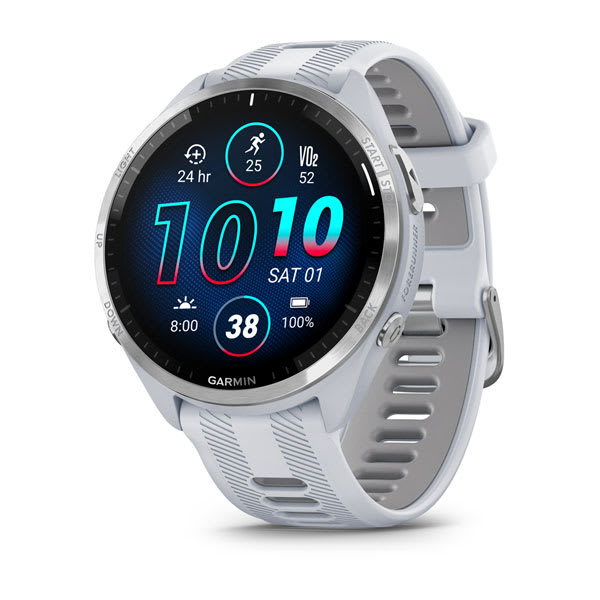
Garmin Forerunner 965 Review: The Most Accurate Wrist Based VO2 Max Estimate for Serious Endurance Athletes
Garmin’s flagship running watch pairs Firstbeat analytics with an AMOLED display to deliver the most comprehensive wrist based cardiorespiratory fitness tracking available. Presented By Our Partners Product status update, August…

Neurosity Crown: Eight Channel EEG for Flow State and Productivity Monitoring
An eight channel EEG headset designed not for meditation or research, but for the specific challenge of measuring and sustaining deep focus during knowledge work. Presented By Our Partners The…

The Daily Rounds: Longevity & Health Care Brief | April 1, 2026
🧬 Epigenetic reprogramming enters its first human trial as Life Biosciences begins treating retinal degeneration with ER-100, a cellular rejuvenation therapy that resets the biological clock without erasing cell identity. 💊 A gut bacteria compound doubles lung cancer immunotherapy response rates in preclinical models, pointing to the microbiome as a powerful and underutilized lever in oncology treatment protocols. 🤖 Over 173 AI-designed drug programs are now in human clinical trials, with 2026 marking the transition from AI-assisted research to AI-native drug discovery as a standard operating model. 🏋️ GLP-1 medications and exercise share a convergent molecular pathway through interleukin-6 signaling, meaning structured resistance and aerobic training is not just complementary to these medications but mechanistically synergistic. 😴 Consumer wearable sleep trackers have cleared the threshold for clinical validation, with the World Sleep Society formalizing recommendations that integrate these devices into clinical practice and disease management protocols.
Nurvv Run Smart Insoles: Pressure-Based Gait Analysis and Injury Prevention
Every running injury begins with a biomechanical pattern the runner cannot feel. The question is whether wearable technology can detect that pattern before the injury announces itself. Presented By Our…
Muse 2 EEG Headband: Brain Sensing Technology for Meditation and Focus Training
A consumer EEG headband that translates your brainwave activity into real time audio feedback, turning meditation from a subjective practice into a measurable skill. Presented By Our Partners Most people…
Sunlighten mPulse Believe Sauna Review: Full Spectrum Infrared Therapy for Cardiovascular Health and Recovery
Full spectrum infrared sauna therapy targets cardiovascular conditioning, detoxification, and recovery through three distinct wavelength ranges in a single cabin. Presented By Our Partners In 2018, a Finnish research team…
