

Google Nest Hub 2nd Gen: Radar-Based Sleep Tracking in a Smart Display
Google quietly embedded a sleep laboratory’s most basic measurement principle inside a $99 alarm clock. The question is whether convenience can compensate for clinical depth.
Presented By Our Partners



The gap between sleep science and sleep behavior is enormous. Researchers know with high confidence that sleep quality, not just duration, predicts cardiovascular risk, cognitive decline, metabolic health, and all-cause mortality. A 2017 meta-analysis published in the Journal of the American Heart Association by Yin et al. examining 5.1 million participants demonstrated a U-shaped relationship between sleep duration and death, with the lowest risk at approximately seven hours and a 6% increase in all-cause mortality for each hour below that threshold. Yet despite this evidence, most people have no objective data about their own sleep quality. They rely on subjective assessment (“I slept well” or “I feel tired”), which research consistently shows correlates poorly with actual sleep architecture as measured by polysomnography.
The Google Nest Hub 2nd Generation addresses this awareness gap by embedding sleep tracking into a device that millions of people already place on their nightstands: a smart display. Using Soli radar technology originally developed for gesture recognition, the Nest Hub detects respiratory patterns and body movement without cameras, microphones (for the sleep tracking function), or any wearable device.
What Is the Google Nest Hub 2nd Gen?
The Google Nest Hub 2nd Gen is a 7-inch smart display powered by Google Assistant that also functions as a contactless sleep tracker. At its core, it is a smart home hub: it plays music and podcasts, displays photos, controls smart home devices, shows recipes, makes video calls, and provides weather, calendar, and news information. The sleep tracking capability, branded as “Sleep Sensing,” is an additional feature layer enabled by a Soli miniature radar chip embedded behind the display.
The Soli radar detects motion at the sub-millimeter level, allowing it to track the rise and fall of the chest during breathing and larger body movements during sleep. The device also uses its built-in microphone (with on-device processing for privacy) to detect coughing and snoring events. From these combined signals, the Nest Hub generates nightly sleep reports including total sleep time, sleep efficiency, time to fall asleep, number of awakenings, and a sleep quality timeline showing periods of restfulness versus restlessness.
Sleep Sensing is included at no additional subscription cost; all sleep analytics are accessible through the Google Home app and displayed directly on the Nest Hub’s screen each morning. The device retails for $99.99, making it the least expensive dedicated sleep tracking solution that does not require wearing anything or placing any sensor in the bed.
The Science Behind It: Radar-Based Physiological Monitoring
Radar-based vital sign monitoring has been an active area of research since the 1970s, when military researchers first demonstrated that microwave radar could detect human respiration at a distance. The principle is straightforward: radar waves reflect off the body surface, and the Doppler shift in the reflected signal encodes information about the speed and amplitude of chest wall movement during breathing. Modern miniaturized radar chips, like Google’s Soli sensor, use frequencies in the 60 GHz range to achieve millimeter-level motion detection within a range of several feet.
A 2021 study published in Nature and Digital Medicine by Google Health researchers validated the Nest Hub’s Sleep Sensing feature against clinical polysomnography in 33 participants across 46 nights. The study found that Sleep Sensing achieved 78% agreement with PSG for detecting sleep and wake states, and correctly identified the presence or absence of respiratory disturbances with moderate accuracy. While these numbers are lower than the best wearable devices’ validation scores, they are notable for a completely contactless system that operates from a nightstand.
The respiratory monitoring capability of radar-based systems has particular relevance for detecting breathing irregularities during sleep. While the Nest Hub does not diagnose sleep apnea, its ability to detect respiratory rate changes and breathing disturbance patterns throughout the night provides information that could prompt users to seek clinical evaluation. Research from Stanford’s sleep medicine division has shown that even non-clinical screening tools that alert users to potential respiratory disturbances during sleep can increase diagnostic referral rates for obstructive sleep apnea.
The connection between respiratory health during sleep and long-term disease risk operates through multiple mechanisms. Disrupted breathing fragments sleep architecture, preventing adequate time in deep slow-wave and REM stages. It also triggers intermittent hypoxemia (oxygen desaturation) and sympathetic nervous system surges that, when repeated hundreds of times per night over years, contribute to hypertension, atherosclerosis, insulin resistance, and systemic inflammation. These pathways connect directly to The Four Villains of chronic disease: cardiovascular disease, cancer, neurodegenerative disease, and metabolic dysfunction.
That is the science. Here is how the Google Nest Hub applies it.
What the Google Nest Hub 2nd Gen Does Well
The Nest Hub’s strongest advantage is that it makes sleep tracking a byproduct of owning a useful household device rather than a standalone health commitment. People who would never buy a dedicated sleep tracker, wear a fitness ring, or place a sensor under their mattress may already want a smart display for their nightstand. The sleep tracking arrives as a free bonus feature within a device that serves multiple daily purposes. This “ambient health monitoring” approach has the potential to reach populations that dedicated health tech never would.
The privacy-conscious design deserves recognition. The Nest Hub has no camera (unlike the Nest Hub Max), and the Soli radar generates no images or audio recordings. Sleep data is processed locally on the device and synced to the user’s Google account. The microphone-based cough and snore detection uses on-device audio processing, with Google stating that raw audio is never sent to their servers. For users wary of bedroom surveillance, the radar-only approach is less intrusive than camera-based or microphone-dependent sleep systems.
The morning sleep summary displayed directly on the Nest Hub screen is a well-designed behavioral nudge. Rather than requiring users to open an app, the sleep report appears automatically when the user wakes up, creating a low-friction feedback loop that makes sleep awareness a passive daily habit. The visual timeline showing periods of restful vs. restless sleep is intuitive even for users with no health tracking experience.
Featured Partner
Invest in the Infrastructure Behind Modern Medicine
As healthcare expands beyond hospital walls, the buildings and campuses supporting that shift are generating compelling returns for investors who move early. The Healthcare Real Estate Fund offers qualified investors direct access to a curated portfolio of medical office, outpatient, and specialty care facilities.
Learn More →
As a smart home hub, the Nest Hub can coordinate sleep-related automations: dimming smart lights at bedtime, adjusting thermostat temperature for sleep, playing ambient sounds, and managing morning alarm routines. This integration between sleep tracking and environmental control creates a holistic sleep management system at a price point far below dedicated sleep environment products.
Pricing, Access, and Practical Realities
The Google Nest Hub 2nd Gen retails for $99.99 with no subscription required for Sleep Sensing or any other feature. First-year and ongoing costs are $99.99 total, making it the least expensive contactless sleep tracking solution available. No other device at this price offers radar-based sleep monitoring combined with a functional smart display.
The device requires a standard power outlet and a WiFi connection. It displays sleep data on-screen each morning and syncs detailed reports to the Google Home app (iOS and Android). Sleep Sensing works automatically once enabled; there is no nightly activation required. The device should be placed on a nightstand within approximately 2 feet of the sleeper, at the same height as the bed surface, with the display facing the bed.
The Nest Hub is not classified as a health device of any kind and makes no medical claims. Sleep Sensing is presented as a wellness feature, not a clinical tool. It does not measure heart rate, HRV, or blood oxygen levels. The radar detects only motion patterns (respiratory and body movement). There is no HSA/FSA eligibility for the Nest Hub as a consumer electronics device.
Google has stated that Sleep Sensing may be updated with new features over time through software updates, as the Soli radar chip’s capabilities exceed what is currently deployed in the sleep tracking algorithms. This suggests potential for expanded functionality without hardware changes.
Who the Google Nest Hub 2nd Gen Is Best For
The Nest Hub is ideal for sleep tracking beginners who want objective sleep data without the commitment of a dedicated health device. People who already use Google’s smart home ecosystem (Nest thermostats, smart lights, Google Assistant routines) will find the sleep tracking integration naturally additive to their existing setup. Budget-conscious users who want contactless sleep monitoring at the lowest possible price point will find nothing comparable.
Older adults or technology-averse individuals who find smartwatches, rings, or under-mattress sensors confusing may find the Nest Hub’s familiar form factor (it looks and functions like an alarm clock with a screen) more approachable. Couples who want a shared bedroom device with individual sleep tracking for the nearest sleeper will find the setup straightforward.
Those who may want to skip it include users who want detailed biometric sleep data (HRV, heart rate, SpO2, skin temperature). The Nest Hub provides sleep timing and respiratory pattern data only. Athletes and biohackers focused on recovery optimization will need a device with cardiovascular measurement capabilities. Users who do not want a Google product in their bedroom due to privacy preferences or ecosystem choices should look elsewhere. People who want to track sleep away from home cannot take a smart display with them.
How the Google Nest Hub 2nd Gen Compares
Against the SleepScore Max ($149.99), the Nest Hub offers sleep tracking at a lower price while adding full smart display functionality. The SleepScore Max has stronger clinical validation from its ResMed heritage and deeper sleep science algorithms, but lacks any utility beyond sleep tracking. For users who want a bedside device that does many things well, the Nest Hub is the better value. For users who want the best possible contactless sleep data, the SleepScore Max has the edge.
Compared to the Withings Sleep Analyzer ($129.95), the Nest Hub avoids the need for any under-mattress installation but lacks the Withings’ heart rate tracking and breathing disturbance index. The Withings provides more health-specific data; the Nest Hub provides a broader utility device with simpler sleep insights. The Withings has no screen or smart home capabilities.
Against wrist-based trackers (Apple Watch at $399, Oura Ring at $299 to $499 plus subscription), the Nest Hub costs a fraction of the price but provides significantly less health data. It cannot measure heart rate, HRV, blood oxygen, temperature, or activity. For comprehensive health monitoring, wearables are clearly superior. For low-cost, zero-effort sleep awareness, the Nest Hub fills a niche that wearables cannot.
Limitations and Open Questions
The radar-based approach captures fewer physiological signals than any other sleep tracking method. Without heart rate, HRV, SpO2, or temperature measurement, the Nest Hub’s sleep insights are limited to timing (when you slept and for how long), disruption patterns (how often you were restless), and respiratory patterns (coughing, snoring, breathing regularity). This is sufficient for basic sleep awareness but insufficient for health optimization or clinical screening.
Validation against polysomnography showed 78% sleep/wake agreement, which is lower than most wrist-based trackers achieve. The radar’s ability to distinguish between light sleep, deep sleep, and REM is less precise than accelerometry-plus-PPG wearables, and significantly less precise than EEG-based devices. Users should interpret the Nest Hub’s sleep stage breakdowns as rough estimates.
The device tracks only one person, the nearest individual within the radar’s detection zone. Partner movement and pet movement can introduce noise into the signal, potentially affecting accuracy. Environmental factors like fans causing rhythmic movement of bedding can also create false signals.
Google’s product lifecycle decisions create uncertainty about long-term feature support. Google has a history of discontinuing products and services, which may concern users investing in a sleep tracking routine built around the Nest Hub platform. Sleep Sensing data is stored in the user’s Google account and may be subject to Google’s evolving data practices and privacy policies.
What This Means for Your Health
The greatest barrier to sleep improvement is not technology; it is awareness. Most people do not know how much they actually sleep, how often they wake during the night, or whether their sleep timing aligns with their circadian biology. Without this baseline awareness, they cannot identify problems, implement targeted interventions, or track whether changes are working. Among the Five Pillars of foundational health, sleep suffers uniquely from this measurement gap: most people can roughly estimate their daily food intake, exercise duration, and stress levels, but they have no objective data about the one-third of their life spent unconscious.
The Google Nest Hub 2nd Gen addresses this gap at a price and friction level that makes sleep awareness nearly universal. It does not provide the data depth that serious health optimizers need, and it should not be confused with a clinical or even a premium consumer sleep tool. What it does provide is a gateway: a first exposure to objective sleep data that can motivate the behavioral changes and, if warranted, the clinical conversations that lead to meaningful health improvement.
In the context of The Four Villains, the chronic disease threats that the longevity framework identifies as the primary adversaries of healthspan, sleep is the single most modifiable environmental risk factor. A $99 device that makes millions of people aware of their sleep patterns for the first time has a population health impact that no $3,000 mattress system can match, regardless of the mattress system’s technical superiority. The question for each individual is not whether sleep data matters, because the evidence is unambiguous, but how much data depth they need to act on it effectively.
Frequently Asked Questions
Does the Google Nest Hub 2nd Gen require a subscription for sleep tracking?
No. Sleep Sensing is a built-in feature of the Nest Hub 2nd Gen at no additional cost beyond the $99.99 purchase price. All sleep reports, nightly timelines, cough and snore detection, and sleep quality metrics are accessible through the Google Home app and on the Nest Hub’s display at no subscription fee. This makes it the lowest total-cost-of-ownership sleep tracking solution available.
How does the Google Nest Hub track sleep without a camera?
The Nest Hub 2nd Gen uses Google’s Soli miniature radar chip, which emits radar waves in the 60 GHz frequency range. These waves reflect off the sleeper’s body, and the Doppler shift in the reflected signal detects chest wall movement during breathing and larger body movements during sleep. No camera, no images, and no wearable required. The built-in microphone detects coughing and snoring with on-device audio processing; Google states that raw audio is not sent to their servers.
How accurate is the Nest Hub’s sleep tracking compared to other devices?
A 2021 validation study published in Nature and Digital Medicine by Google Health researchers found 78% agreement between the Nest Hub’s Sleep Sensing and clinical polysomnography for sleep/wake detection across 46 nights. This is lower than most wrist-based trackers (which typically achieve 85% to 90% agreement) but notable for a completely contactless system operating from a nightstand. Sleep stage classification (light, deep, REM) should be interpreted as approximate.
Can the Google Nest Hub detect sleep apnea?
The Nest Hub can detect respiratory disturbance patterns and coughing/snoring events, which may indicate potential sleep-disordered breathing. However, it is not a medical device and makes no diagnostic claims. It cannot measure blood oxygen levels or directly detect apnea/hypopnea events. If the Nest Hub’s data shows persistent respiratory irregularities, consult a sleep medicine physician for formal clinical evaluation with polysomnography or a home sleep apnea test.
Does the Nest Hub track sleep for both partners?
The Nest Hub’s Soli radar tracks the nearest person within its detection zone. It generates a single sleep report per night and cannot simultaneously track two individuals. Couples who both want individual sleep data would need two Nest Hub units on their respective nightstands. Depending on bed width and device placement, some signal overlap is possible. For couples needing dual-tracking, under-mattress sensors with dual-zone capability may be more appropriate.


Similar Posts
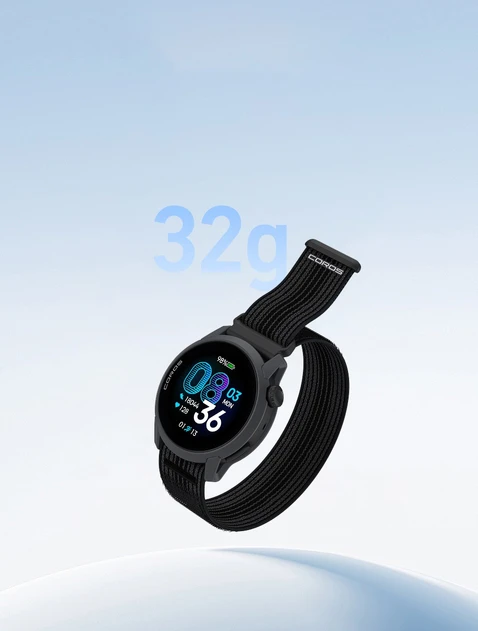
COROS PACE 4: Ultralight AMOLED Running Watch With Long Battery and Training Analytics at $249
COROS’s lightest GPS watch combines an AMOLED display, 38 hour GPS battery, and comprehensive training analytics in a 37 gram package that redefines what runners can expect at $249 with…

Emotiv EPOC X: 14 Channel Research Grade EEG for Brain Mapping and Cognitive Science
The most channel dense consumer EEG headset available, offering 14 sensors that approach the spatial resolution of clinical brain monitoring systems at a fraction of the cost and complexity. Presented…
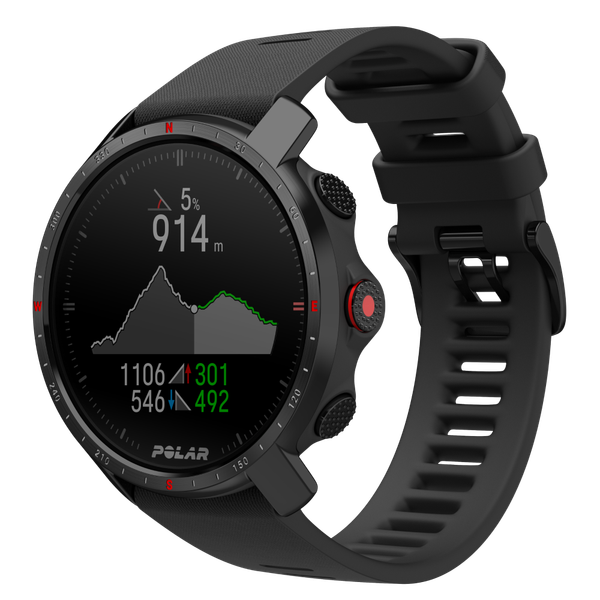
Polar Grit X Pro: Military Grade Outdoor Watch With Sapphire Glass and Advanced Navigation for Expedition Athletes
Polar’s toughest watch combines MIL STD 810G durability, sapphire crystal, and ultra long battery life with the same scientifically rigorous training and recovery analytics that have guided elite endurance athletes…
Therabody SmartGoggles: Eye Massage, Heat Therapy, and Vagal Nerve Relaxation
The vagus nerve is the longest cranial nerve in the body, and stimulating it does not require an implanted device. It starts with the face. Presented By Our Partners Stress…
InsideTracker Ultimate Plan: 54 Blood Biomarkers for Longevity Optimization
The most comprehensive consumer blood biomarker panel available, measuring 54 markers across metabolic, hormonal, inflammatory, and cardiovascular categories, with AI-powered recommendations and biological age calculation. Presented By Our Partners The…

AI Is Now Building Drugs That Target Aging Itself: Inside the Longevity Board and the New Science of Healthspan Medicine
A Nobel laureate on its board. The world’s largest pharmaceutical company as a founding partner. And a scientific mission to build drugs that target aging itself. Inside Insilico Medicine’s Longevity…
