
FDA AI in Neurology: Stroke, Seizures, Sleep, and the Measured Brain
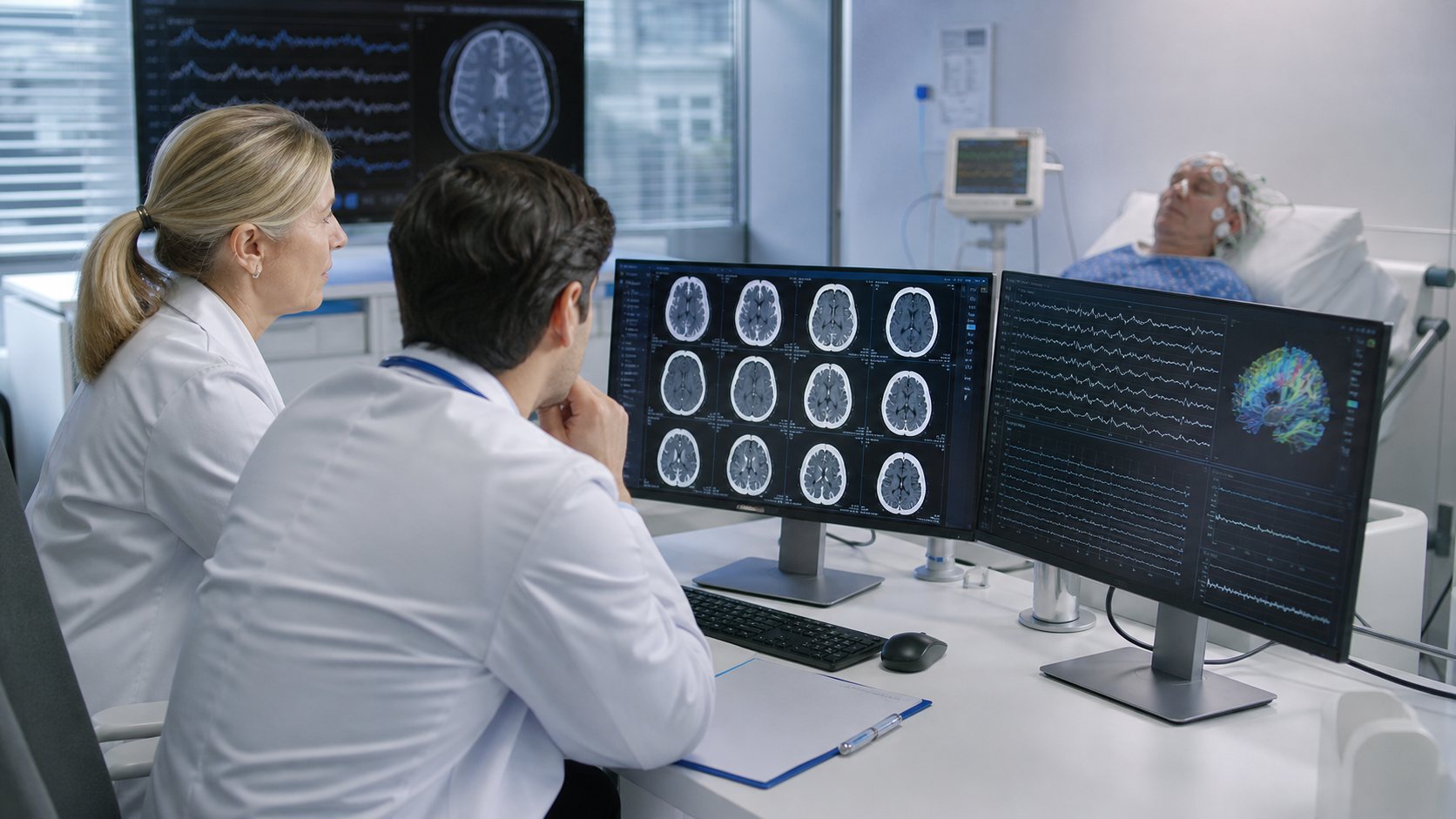
The brain is harder to measure than the lung, the bone, or even the heart. It does not simply produce one clean image or one repeating wave. It produces behavior, speech, consciousness, movement, sensation, sleep, attention, memory, seizure activity, injury patterns, and subtle changes that can be difficult to capture in a single moment.
Presented By Our Partners



That is why the neurology section of the FDA artificial-intelligence-enabled medical device list looks so interesting. It is not dominated by one massive workflow in the way radiology is. It is a more fragmented category, spread across stroke triage, seizure monitoring, sleep analysis, concussion assessment, autism-related diagnostics, cranial navigation, spine surgery, and other forms of neurologic workflow support.
In the current FDA AI-enabled medical device landscape, neurology sits far behind radiology and behind cardiology as well. But it still matters because it shows where artificial intelligence begins to enter care for the most complex organ medicine deals with: the one that changes who a person is.
This is the neurology chapter of the broader FDA AI medical devices story. It is not one clean market. It is a collection of narrower systems trying to make the brain more measurable without pretending the brain has become simple.
It also overlaps naturally with anesthesiology’s sleep and respiratory monitoring lane, while neighboring pieces in cardiology and gastroenterology-urology show how the same FDA dataset breaks into very different clinical stories.
Why Neurology Splits Across Categories
Neurology is a good example of why FDA panel labels can mislead anyone looking for a tidy specialty story.
Some of the most important neurologic AI tools do not appear under Neurology at all. Stroke triage often shows up under Radiology because the clinical action begins with CT imaging and image analysis. Recent FDA-listed examples include Brainomix 360 Triage Stroke, Methinks CTA Stroke, StrokeSENS ASPECTS Software Application, Methinks NCCT Stroke, and StrokeViewer Perfusion. These systems are about the brain, but they live inside imaging workflow.
Meanwhile, the Neurology panel itself contains a different mix: seizure monitoring, EEG review, sleep staging, brain injury assessment, developmental or behavioral evaluation, cranial and spine navigation, and other tools that assist with how neurologic data are interpreted or how neurologic procedures are performed.
That split matters. If radiology became AI’s first beachhead because medical imaging was already digital and structured, neurology becomes a second kind of test. Can software help when the signal is more ambiguous, the physiology more distributed, and the consequences more personal?
The Brain Is Becoming a Signal Stack
Heart care often begins with rhythm. Radiology often begins with pixels. Neurology begins with a stack.
A neurologic evaluation may involve imaging, but it can also involve electrical signals, sleep architecture, eye movements, language changes, motor performance, cognitive patterns, reflexes, intracranial anatomy, procedural planning, and the timing of symptoms. A stroke may be seen on a scan. A seizure may be buried in EEG data. A concussion may show up as subtle functional disruption rather than a dramatic lesion. Sleep-related neurologic disease may emerge through repeated physiologic patterns over time.
That is why neurology AI is unlikely to mature as one grand system. It is more likely to arrive as many narrower tools for many narrower questions.
The FDA list reflects that pattern. Ceribell’s Delirium Monitor System and earlier Status Epilepticus Monitor point toward rapid neurologic monitoring in acute care. Empatica’s EpiMonitor and earlier Embrace-related entries point toward seizure detection and ongoing monitoring. Holberg’s autoSCORE, Epitel’s REMI-AI modules, Beacon Biosignals’ Dreem 3S and SleepStageML, and Nox Medical’s DeepRESP show how the border between neurology and sleep medicine can become highly computational.
Then there is another side of the category entirely: Brainlab navigation tools, ClearPoint systems, and Augmedics’ xvision Spine system. These are not consumer-facing brain apps. They are procedural tools. They show AI and advanced software entering the operating room, navigation suite, and intervention workflow where anatomic precision matters more than spectacle.
Stroke Is the Urgent Edge of the Story
If one neurologic use case best captures why medical AI matters, it may be stroke.
Featured Partner
Invest in the Infrastructure Behind Modern Medicine
As healthcare expands beyond hospital walls, the buildings and campuses supporting that shift are generating compelling returns for investors who move early. The Healthcare Real Estate Fund offers qualified investors direct access to a curated portfolio of medical office, outpatient, and specialty care facilities.
Learn More →
Stroke is a condition in which minutes can change disability, recovery, and survival. The clinical challenge is not only whether a stroke occurred. It is what kind, where, how large, how early, and whether there is salvageable tissue or a large-vessel occlusion that requires rapid escalation. That urgency is one reason stroke AI often lives inside radiology rather than the Neurology panel itself. The action starts with imaging.
Software such as Brainomix 360 Triage Stroke, Methinks CTA Stroke, StrokeSENS ASPECTS, Methinks NCCT Stroke, and StrokeViewer Perfusion exists because stroke care is a workflow problem as much as a pattern-recognition problem. The scan must be acquired, processed, highlighted, prioritized, and moved through a clinical system quickly enough to affect what happens next.
This is a good reminder that the meaningful unit of medical AI is often not the specialty label. It is the workflow. Neurology cannot claim stroke AI cleanly because stroke begins in emergency medicine, radiology, neurology, and intervention all at once.
That makes stroke one of the clearest examples of what regulated AI can do well: not solve the entire disease, but help the right information surface faster inside a time-critical system.
Seizures, Sleep, and the Continuous Brain
Neurology also matters because it extends beyond acute events into continuous monitoring.
Seizure care is a perfect example. A patient may not be seizing when a clinician happens to be watching. EEG review can be labor-intensive. Relevant patterns may be intermittent, subtle, or buried in long recordings. In this environment, software does not need to replace the neurologist to be useful. It only needs to make the meaningful segment easier to find, classify, or escalate.
That is the logic behind systems such as Ceribell’s neurologic monitoring products, Empatica’s EpiMonitor, Epitel’s REMI-AI modules, and EEG-review software such as autoSCORE. The clinical value is not drama. It is signal extraction.
Sleep-related neurologic and respiratory monitoring points in the same direction. DeepRESP, Dreem 3S, SleepStageML, Falcon HST, and related systems show how the sleeping brain becomes computational territory. Sleep is one of the most repetitive and measurable states the nervous system enters, which makes it more tractable than many other neurologic problems. But it is also clinically important because sleep quality, sleep-disordered breathing, arousal patterns, and nocturnal brain activity can shape cognition, mood, cardiovascular health, and neurodegenerative risk over time.
This is one reason neurology may matter more to longevity than its FDA count suggests. The future of brain health will not be built only around emergency events and operating rooms. It will also be built around repeated signals collected over time, where software helps clinicians distinguish noise from change.
Brain Injury and Developmental Signals
Another thread inside the neurology category involves functional assessment rather than classic imaging or seizure workflow.
BrainScope TBI and EyeBOX show one route into concussion and brain injury assessment. EarliPoint and Canvas Dx show another route, where software-assisted systems touch developmental and behavioral evaluation. These are very different clinical problems, but they share something important: the relevant signal is real, yet difficult to reduce to a single lab value or obvious image finding.
This is where the public conversation around AI can become confusing. A system may be clinically narrow and still deeply important. A tool that helps assess one kind of neurologic dysfunction in one setting may matter far more than a broad model that makes grand claims across many settings without evidence.
Neurology rewards precision because so many neurologic conditions resist simplification. A headache is not one thing. A seizure is not one thing. Confusion is not one thing. Concussion is not one thing. Developmental difference is not one thing. The tools that survive regulation are the ones narrow enough to test.
The Surgical and Navigation Side
Some of the most revealing neurology entries are the ones least likely to attract consumer attention.
Brainlab cranial navigation systems, ClearPoint neuro-interventional platforms, 7D Surgical entries, and Augmedics’ xvision Spine system show a quieter future for AI in neurologic care. It is the future in which software helps a surgeon or proceduralist know exactly where they are, how anatomy aligns, where a trajectory should go, or how a case should be visualized in real time.
That future looks less like a chatbot for the brain and more like precision scaffolding. It is the same broader pattern visible across the FDA list. The most useful forms of medical AI often do not announce themselves as revolutionary. They become embedded in planning, routing, registration, segmentation, guidance, and review.
For neurology, that embedding may be especially important because brain and spine procedures punish error harshly. Navigation software, registration systems, and anatomy-aware platforms do not need to be theatrical to matter. They only need to reduce uncertainty at the moment it counts.
What This Means for Patients and for the Field
The public version of AI in neurology is often dramatic. People imagine a machine that can diagnose Alzheimer’s disease from a voice sample, detect every stroke instantly, or decode the whole brain from a wearable. The FDA’s actual device landscape is more restrained and more believable.
It shows a field moving one workflow at a time.
That is not disappointing. It is how real medicine usually changes. Stroke triage tools become faster. Seizure detection becomes more continuous. Sleep signals become more interpretable. Concussion assessments become more structured. Surgical planning becomes more exact. Developmental evaluation becomes more instrumented. None of those changes solves neurology. Together, they make more of the nervous system legible.
This is also where the broader Healthcare Discovery lens matters. Brain health is not only a hospital problem. It touches sleep, injury, cognitive decline, developmental care, recovery, resilience, and long-term function. But the bridge from brain-health aspiration to real medicine will be built through regulated functions with specific intended uses, not through vague claims about optimizing the mind.
The Measured Brain
Neurology may never look as neatly conquerable by AI as radiology. The signals are too varied, the organ too complex, and the consequences too human.
But the FDA list suggests that the brain is becoming more measurable in practical ways. Not fully measurable. Not simplifiable. Just more legible than before.
Stroke software helps time matter less cruelly. Seizure and EEG systems help clinicians find critical patterns in long recordings. Sleep-related neurotechnology helps track the brain across the night. Brain injury tools attempt to structure subtle dysfunction. Procedural platforms make delicate navigation more exact.
That is the real neurology AI story. The field is not being replaced by artificial intelligence. It is being instrumented by it.
And in medicine, better instrumentation often comes first. Understanding follows later.
Sources
- FDA: Artificial Intelligence-Enabled Medical Devices
- FDA: Examples of Device Software Functions the FDA Regulates
- FDA: Ceribell Delirium Monitor System 510(k) entry
- FDA: Empatica EpiMonitor 510(k) entry
- FDA: Holberg autoSCORE 510(k) entry
- FDA: EarliPoint System 510(k) entry
- FDA: Canvas Dx 510(k) entry
- FDA: xvision Spine System 510(k) entry
- FDA: ClearPoint System 510(k) entry
- Healthcare Discovery: FDA AI in Radiology: Why Medical Imaging Became AI’s First Beachhead
- Healthcare Discovery: FDA AI in Cardiology: Heart Monitoring Moves From the Clinic to the Body


Similar Posts

Beyond Weight Loss: Lancet Psychiatry Study of 100,000 People Links Semaglutide to 44% Lower Depression Risk
A Swedish national cohort study of over 100,000 people published in The Lancet Psychiatry found that semaglutide use was associated with 44% lower depression risk, 38% lower anxiety, and 47%…
OhmBody: Dual-Pathway Auricular Neurostimulation Wearable for Menstrual Wellness
The first consumer wearable designed to simultaneously engage vagus and trigeminal nerve pathways through ear-based neurostimulation for drug-free menstrual comfort, with pilot studies showing 88% of participants experiencing greater comfort,…
BrainCo FocusCalm: EEG Neurofeedback Headband for Attention Training and Focus
A consumer EEG headband designed around a single premise: that focused attention is a trainable skill, and gamified neurofeedback can build it faster than willpower alone. Presented By Our Partners…
Tempo Studio: 3D Motion Capture and Real Weights for AI-Coached Strength Training
The only smart home gym that combines real weight plates with 3D body scanning and AI form correction. Does adding a depth sensor to a barbell change the equation for…
The Daily Rounds: Longevity & Health Care Brief | March 28, 2026
🧬 Epigenetic reprogramming has entered human trials — Life Biosciences is now enrolling patients in the first FDA-cleared age-reversal study. 🧠 Two major Alzheimer's breakthroughs this week — a newly identified "death switch" molecule and CAR-astrocyte plaque cleaners. 🤖 AI co-scientists are validating drug discoveries in real time — Google's system confirmed AML drug candidates; NVIDIA + Lilly committed $1B to the space. 🦠 A single gut bacteria molecule doubled cancer immunotherapy response — Bac429 is moving toward human drug development. 😴 Sleep is about daytime function, not just nighttime hours — a new clinical framework is changing how insomnia is measured and treated.
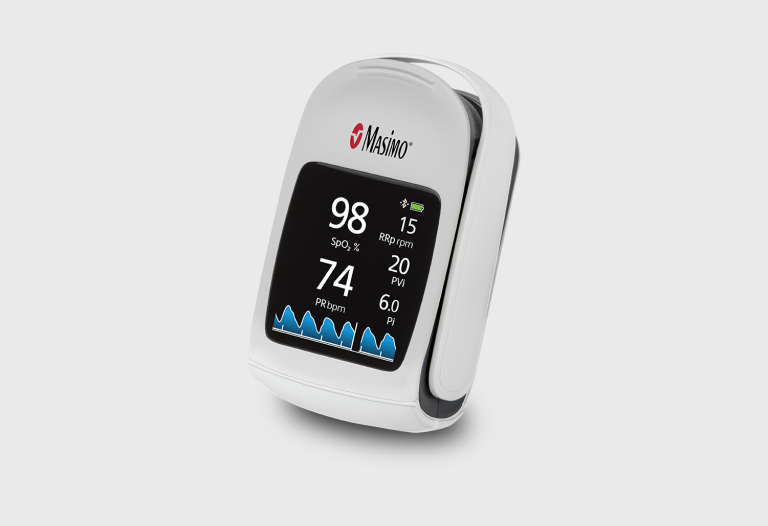
Masimo MightySat: Clinical Grade Pulse Oximetry in a Consumer Fingertip Device
The consumer version of the pulse oximetry technology used in hospital ICUs worldwide, delivering clinical grade SpO2, perfusion index, and pleth variability measurements from your fingertip. Presented By Our Partners…
