
Omron HeartGuide: The First FDA Cleared Wrist Blood Pressure Watch
The first and only FDA cleared oscillometric blood pressure monitor built into a wristwatch, turning discreet on demand blood pressure readings into a daily habit rather than a clinical chore.
Presented By Our Partners



For decades, blood pressure measurement has been anchored to a ritual: sit down, wrap a cuff around your upper arm, hold still, and wait. The arm cuff remains the clinical gold standard for good reason; oscillometric measurement at the brachial artery, roughly at heart level, produces the most reliable readings with the least positional variability. But the inconvenience of that ritual is also a primary reason that home blood pressure monitoring compliance rates remain stubbornly low, even among patients with diagnosed hypertension who have the most to gain from consistent tracking.
A 2022 review published in Nature Reviews Cardiology by Schutte, Kollias, and Stergiou examined blood pressure measurement techniques and highlighted that while out of office monitoring is recommended by all major medical associations, the practical barriers to consistent home measurement remain significant. The review noted that blood pressure variability, including moment to moment fluctuations tied to stress, posture, and activity, carries independent prognostic significance for cardiovascular outcomes. Capturing this variability requires frequent measurements throughout the day, something a traditional arm cuff makes impractical.
Omron addressed this gap with the HeartGuide, a wristwatch that embeds a miniaturized oscillometric blood pressure monitor directly into the watch band. Press a button, hold your wrist at heart level for 30 seconds, and you have a reading. No separate cuff. No special setup. No audience in the office conference room wondering why you just wrapped a medical device around your arm.
What Is the Omron HeartGuide?
The Omron HeartGuide is an FDA cleared wrist worn blood pressure monitor packaged in a smartwatch form factor. Unlike cuffless blood pressure estimation technologies that use optical sensors and algorithms to infer blood pressure from pulse wave characteristics, the HeartGuide uses actual oscillometric measurement: the watch band contains an inflatable cuff mechanism that compresses the radial artery at the wrist, measures the oscillations as the cuff deflates, and calculates systolic and diastolic blood pressure using the same fundamental methodology as a traditional arm cuff.
This distinction is critical. The HeartGuide does not estimate blood pressure; it measures it using the validated oscillometric method, miniaturized to fit on a wrist. The device holds FDA 510(k) clearance as a blood pressure monitor, placing it in the same regulatory category as clinical arm cuff devices.
Beyond blood pressure, the HeartGuide tracks heart rate, daily steps, distance, and calories. It includes basic sleep tracking and syncs via Bluetooth to Omron’s HeartAdvisor app, which stores readings, tracks trends, and enables sharing with healthcare providers. The device retails at $499.99 with no subscription requirement and is confirmed HSA and FSA eligible.
The Science Behind Wrist Blood Pressure Monitoring
The clinical evidence for blood pressure monitoring’s importance in cardiovascular risk management is overwhelming and uncontested. Hypertension is the single most prevalent modifiable risk factor for cardiovascular disease, stroke, and chronic kidney disease. The relationship between blood pressure and cardiovascular events is continuous and graded: each 20 mmHg increase in systolic pressure above 115 mmHg approximately doubles the risk of cardiovascular death.
The debate around wrist blood pressure monitoring centers not on whether blood pressure matters, but on whether wrist measurement is accurate enough for clinical decision making. Wrist measurements are inherently more sensitive to arm positioning than brachial (upper arm) measurements. If the wrist is held above or below heart level during measurement, hydrostatic pressure differences can introduce errors of 5 to 10 mmHg or more. This is why the American Heart Association and European Society of Hypertension have historically recommended upper arm cuff devices over wrist monitors.
A 2022 systematic review and meta analysis published in European Heart Journal: Digital Health by Islam et al. evaluated wearable blood pressure monitoring devices and found that while cuffless technologies showed pooled mean differences of 3.42 mmHg (systolic) and 1.16 mmHg (diastolic) compared to reference devices, the variation in validation standards limited cross study comparisons and highlighted the need for standardized protocols.
The HeartGuide’s advantage in this context is that it uses actual oscillometric measurement rather than cuffless estimation, which theoretically provides more reliable absolute values. However, it remains subject to the positional sensitivity inherent in all wrist measurement devices. Omron addresses this with an on screen indicator that guides users to hold their wrist at heart level during measurement.
The clinical value proposition of the HeartGuide is frequency, not precision. A wrist device that produces slightly less accurate but far more frequent readings throughout the day may capture blood pressure patterns, including stress related spikes, postprandial changes, and morning surges, that an arm cuff used once or twice daily simply cannot reveal. For patients and clinicians who value pattern recognition over absolute precision, this trade off may be favorable.
What the Omron HeartGuide Does Well
The HeartGuide’s singular achievement is making blood pressure measurement genuinely convenient. A reading takes approximately 30 seconds, requires no additional equipment, and can be taken discreetly in virtually any setting. For patients with white coat hypertension, the ability to measure blood pressure in calm, familiar environments rather than clinical settings may produce readings that better reflect their true hemodynamic profile.
The device captures blood pressure alongside contextual data (time of day, activity level) that enables pattern analysis over time. The HeartAdvisor app presents trends and correlations that can inform both patient self management and clinical discussions. Multi measurement averaging, a feature recommended by hypertension guidelines to reduce measurement to measurement variability, is built into the app’s reporting.
Omron’s brand credibility in blood pressure monitoring is a meaningful differentiator. Omron has been the dominant manufacturer of home blood pressure monitors for decades, with extensive clinical validation across their product line. The HeartGuide benefits from this institutional expertise in oscillometric measurement, even as the wrist form factor introduces new variables.
Featured Partner
Invest in the Infrastructure Behind Modern Medicine
As healthcare expands beyond hospital walls, the buildings and campuses supporting that shift are generating compelling returns for investors who move early. The Healthcare Real Estate Fund offers qualified investors direct access to a curated portfolio of medical office, outpatient, and specialty care facilities.
Learn More →
The absence of a required subscription means the total cost of ownership is the $499.99 purchase price alone, with no ongoing fees for data storage, trend analysis, or reporting features. HSA and FSA eligibility further improves accessibility for patients who can use pre tax healthcare dollars.
Pricing, Access, and Practical Realities
The Omron HeartGuide retails at $499.99, making it one of the most expensive consumer health wearables on the market. This price reflects the engineering complexity of miniaturizing a validated oscillometric blood pressure mechanism into a watch band. There is no subscription requirement; all features, including blood pressure measurement, heart rate tracking, sleep monitoring, and HeartAdvisor app functionality, are included in the purchase price.
The device is confirmed HSA and FSA eligible with a Letter of Medical Necessity, which effectively reduces the net cost for eligible purchasers. For patients prescribed ambulatory blood pressure monitoring, the HeartGuide may represent a cost effective alternative to clinical ambulatory monitors that require rental, office visits, and uncomfortable 24 hour wear.
The HeartGuide holds FDA 510(k) clearance as a blood pressure monitor. This is the same regulatory classification as Omron’s arm cuff devices and represents a higher level of clinical validation than cuffless blood pressure estimation technologies, which are generally positioned as wellness devices rather than medical monitors.
Battery life is a practical limitation. The HeartGuide requires charging every two to three days with typical use, significantly less than analog hybrid watches but comparable to most digital smartwatches. The inflatable cuff mechanism consumes more power per measurement than passive optical sensors, contributing to the shorter battery life.
Who the Omron HeartGuide Is Best For
The HeartGuide is best suited for patients with diagnosed hypertension who have been non compliant with traditional home monitoring, whether due to inconvenience, stigma, or the disruption that arm cuff measurement introduces into daily routines. It is also well suited for patients with suspected white coat hypertension who need to demonstrate their blood pressure in non clinical settings.
Professionals who cannot interrupt their workday with traditional arm cuff measurements may find the HeartGuide’s discreet, 30 second readings practical. Frequent travelers who would not carry a separate blood pressure cuff represent another core audience. Patients whose physicians have recommended ambulatory blood pressure profiling may find the HeartGuide a more convenient alternative to traditional 24 hour ambulatory monitors.
Users who prioritize maximum blood pressure measurement accuracy should stick with a validated upper arm cuff device. The positional sensitivity of wrist measurement, even with oscillometric technology, introduces more variability than brachial measurement. Users seeking a full featured smartwatch with robust fitness and app ecosystems may be disappointed; the HeartGuide’s smart features are minimal compared to Apple Watch, Samsung Galaxy Watch, or Garmin alternatives. Users on a budget should note that excellent FDA cleared arm cuff monitors are available for $30 to $100.
How the Omron HeartGuide Compares
Against the Withings BPM Connect ($99.95), the HeartGuide is five times the price for a less accurate measurement location (wrist vs upper arm). The BPM Connect offers Wi-Fi sync, multi user support, and six month battery life in a stationary arm cuff format. The HeartGuide’s advantage is portability and measurement frequency; the BPM Connect’s advantage is accuracy, cost, and simplicity. For most patients, the BPM Connect is the more practical choice. For patients who will not use an arm cuff consistently, the HeartGuide’s convenience may justify the premium.
Against the Apple Watch Series 9, which does not offer validated blood pressure measurement, the HeartGuide provides a capability no consumer smartwatch currently matches: actual oscillometric blood pressure readings from the wrist. The Apple Watch offers a vastly superior smart feature set, ECG capability, and health ecosystem, but cannot measure blood pressure. These are complementary rather than competing devices for users who need both.
Against future cuffless blood pressure wearables, the HeartGuide occupies an interesting position. Cuffless technologies promise continuous, passive blood pressure estimation, but none have yet achieved FDA clearance for standalone blood pressure monitoring. The HeartGuide’s oscillometric approach is more clinically established but requires an active measurement session. As cuffless technologies mature and gain regulatory validation, the HeartGuide’s niche may narrow.
Limitations and Open Questions
Positional sensitivity is the HeartGuide’s fundamental limitation. Wrist blood pressure measurements are affected by arm position relative to heart level. Omron includes a position indicator to guide users, but real world measurement conditions (sitting at a desk, standing in line, lying in bed) introduce positional variability that brachial measurement largely avoids. Users must be disciplined about technique to obtain reliable readings.
The HeartGuide’s smart features are minimal compared to modern smartwatches. Step counting, basic sleep tracking, and heart rate monitoring represent the extent of its non blood pressure functionality. Users expecting the app ecosystem, notifications, and fitness capabilities of an Apple Watch or Samsung Galaxy Watch will be disappointed. This is a blood pressure monitor that happens to be on your wrist, not a smartwatch that happens to measure blood pressure.
At $499.99, the price barrier is significant, especially when highly accurate FDA cleared arm cuff monitors are available for a fraction of the cost. The HeartGuide’s value proposition depends entirely on whether its convenience advantage translates into meaningfully higher measurement compliance for the individual user.
Long term durability of the miniaturized inflatable cuff mechanism is an open question. Traditional arm cuffs are simple pneumatic devices with few failure points. The HeartGuide’s engineering is considerably more complex, and the watch band containing the inflatable bladder will be subject to daily flexing, sweat exposure, and wear that traditional cuffs do not experience.
What This Means for Your Health
Cardiovascular disease is one of the Four Villains, and uncontrolled hypertension is its most common gateway. The fundamental challenge in hypertension management is not knowledge or medication availability; it is consistent monitoring. You cannot manage what you do not measure, and you will not measure what is inconvenient.
The Omron HeartGuide addresses this challenge directly by making blood pressure measurement as convenient as checking the time. Within Healthcare Discovery‘s Five Pillars framework, consistent blood pressure monitoring intersects every pillar: it reveals how Nutrition choices affect hemodynamics, how Movement and exercise modulate blood pressure response, how Sleep quality correlates with morning blood pressure patterns, how Breathwork and stress management translate into measurable cardiovascular changes, and how Mindset and adherence determine whether monitoring data leads to clinical action.
If you have hypertension and have been told to monitor at home, the most important thing is that you actually do it. The HeartGuide removes the most common barrier, inconvenience, but it requires a substantial financial commitment to do so. For patients who have struggled with arm cuff compliance, that investment may pay for itself in better blood pressure control and the clinical outcomes that follow. For patients who reliably use an arm cuff, a $100 connected monitor provides similar data quality at a fifth of the price.

Explore the full wearable guide
See how the Omron HeartGuide compares with smart rings, watches, ECG devices, and other connected health hardware across the full Healthcare Discovery wearables guide.
Frequently Asked Questions
Is the Omron HeartGuide FDA cleared?
Yes. The Omron HeartGuide holds FDA 510(k) clearance as a blood pressure monitor. It uses oscillometric measurement technology, the same validated method used in clinical arm cuff monitors, miniaturized into a wristwatch band. It is the first and currently only FDA cleared wrist worn oscillometric blood pressure watch on the market.
How accurate is the Omron HeartGuide?
The HeartGuide uses the same oscillometric measurement principle as clinical arm cuff monitors and meets FDA accuracy requirements. However, wrist blood pressure measurements are inherently more sensitive to arm positioning than upper arm measurements. Users must hold the wrist at heart level during measurement for optimal accuracy. Consistent technique is essential; readings taken with the arm raised or lowered can differ by 5 to 10 mmHg from properly positioned measurements.
Does the Omron HeartGuide require a subscription?
No. All features, including blood pressure measurement, heart rate tracking, sleep monitoring, and the HeartAdvisor app for trend analysis and physician reporting, are included with the $499.99 purchase price. There are no ongoing fees or subscription requirements.
Is the Omron HeartGuide HSA or FSA eligible?
Yes. Omron confirms the HeartGuide is eligible for HSA and FSA reimbursement with a Letter of Medical Necessity. This allows eligible purchasers to use pre tax healthcare dollars, which can substantially reduce the effective cost depending on the user’s tax bracket.
How long does the Omron HeartGuide battery last?
The HeartGuide battery lasts approximately two to three days with typical use, including multiple blood pressure readings per day along with heart rate, step, and sleep tracking. The inflatable cuff mechanism consumes more power per measurement than passive optical sensors found in standard smartwatches, contributing to the shorter battery life compared to devices that do not perform oscillometric measurement.
How does the Omron HeartGuide compare to cuffless blood pressure watches?
The HeartGuide uses actual oscillometric measurement (inflatable cuff) rather than cuffless estimation algorithms. This provides validated, FDA cleared blood pressure readings rather than estimated values. Currently, no cuffless blood pressure watch has achieved FDA clearance for standalone blood pressure monitoring. The trade off is that the HeartGuide requires an active 30 second measurement session, while future cuffless devices may offer continuous passive estimation once regulatory validation is achieved.
Omron HeartGuide at a glance
- Hardware price
- $499.99
- Subscription
- None required
- First year total
- $499.99
- Form factor
- Watch-style oscillometric BP monitor
- FDA status
- Has FDA clearance
- HSA/FSA
- Possibly, with a letter of medical necessity
Measures Blood pressure, HR, Sleep, Steps
Pricing verified August 5, 2026. Maintained in the Healthcare Discovery device database and updated automatically.


Similar Posts

🧬 Daily Discoveries — Longevity & Health Intelligence | March 27, 2026
Your daily briefing on the latest breakthroughs in longevity science, health technology, and lifestyle optimization — curated from the world's top research institutions.

Veri: AI-Powered Consumer CGM Program for Metabolic Health Optimization
A consumer metabolic health program pairing Abbott FreeStyle Libre 3 continuous glucose monitors with AI-powered food logging, personalized meal scoring, and lifestyle coaching to help non-diabetic users understand how food,…

The Glymphatic System: How Sleep Cleanses the Aging Brain and What 12 Years of Neuroscience Reveal About Dementia Prevention
In 2013, Maiken Nedergaard’s lab at the University of Rochester discovered that the brain runs a sleep-gated waste clearance network called the glymphatic system. Twelve years of follow up research,…
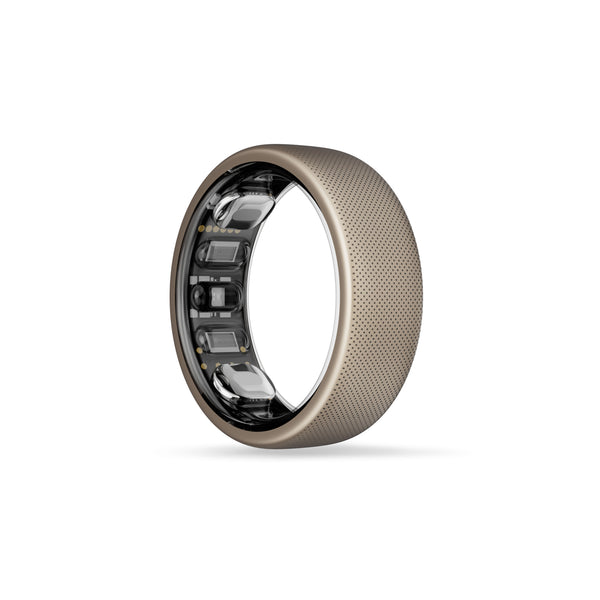
Amazfit Helio Ring: Affordable Titanium Smart Ring with EDA Stress Sensing
A titanium alloy smart ring offering heart rate, HRV, SpO2, skin temperature, sleep staging, and electrodermal activity (EDA) stress sensing at $149.99 when bundled with an Amazfit watch or $299.99…
QardioBase 2: Smart Scale with Pregnancy Mode and Cardiovascular Ecosystem Integration
Pregnancy transforms body composition monitoring from a fitness tool into a clinical necessity. Most smart scales were not designed with this reality in mind. Presented By Our Partners Weight monitoring…
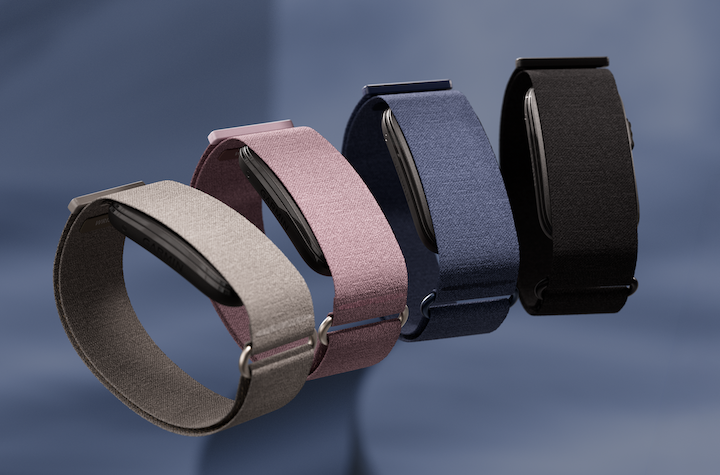
Garmin CIRQA Smart Band: Pricing, Features, and Accuracy
Garmin CIRQA is a $199.99 screen-free health and fitness band with no required subscription. Here is what it tracks, what it omits, and how its pricing compares.
