

The PEARL Trial Is In: What Low-Dose Rapamycin Actually Did to Human Aging Over 48 Weeks
The most anticipated longevity drug trial in a generation has delivered its full one-year results. Here is what rapamycin actually did to lean muscle, pain, biological age, and overall healthspan in healthy adults between 50 and 85 years old.
Presented By Our Partners



For decades, rapamycin sat at a peculiar crossroads in medicine. Scientists had watched it extend lifespan in every model organism tested, from yeast to worms to flies to mice, yet no large, rigorously controlled human trial had asked the central question: does it actually improve healthspan in normal, aging adults who are not fighting cancer or recovering from a transplant? The PEARL trial was designed to answer exactly that. Now, with 48 weeks of data published in peer-reviewed form, the longevity medicine field has its first real verdict.
The findings are not a silver bullet. But they are significant enough to reshape how clinicians, researchers, and informed patients think about mTOR inhibition as a strategy for slowing biological aging.
Why Rapamycin Became the Longevity Field’s Most Watched Drug
Rapamycin was first isolated in 1972 from a soil bacterium called Streptomyces hygroscopicus, discovered on Easter Island, known in the indigenous Rapa Nui language as Rapa Nui. Its original function in the body of that bacterium was antifungal defense. In humans, it became a cornerstone immunosuppressant used in organ transplantation. It was not until 2009 that the longevity field took notice.
That year, the National Institute on Aging’s Interventions Testing Program (ITP), the gold standard for rigorous longevity research, published a landmark finding: rapamycin fed to mice starting at 600 days of age, roughly equivalent to 60 human years, extended median lifespan by 9% in males and 14% in females. This was extraordinary because it meant the drug worked even when given to already middle-aged animals. Subsequent ITP cohorts confirmed the finding consistently across three independent testing sites. Rapamycin remains, as of 2026, the most robustly replicated lifespan-extending compound ever tested in mammals.
The mechanism centers on mTOR, or mechanistic target of rapamycin, a protein kinase that functions as the cell’s master growth regulator. When nutrients are abundant, mTOR signals cells to grow, divide, and synthesize proteins. When nutrients are scarce or stress signals arrive, mTOR should quiet down, allowing cellular housekeeping processes to run: autophagy clears damaged proteins and organelles, the senescence-associated secretory phenotype (SASP) is dampened, and stem cell function is preserved. The problem in aging is that mTOR becomes chronically hyperactivated, effectively locking cells into growth mode and starving them of maintenance time. Rapamycin interrupts that signal.
The ITP also established that combining rapamycin with acarbose, a glucose-lowering drug used in type 2 diabetes, produced dramatically stronger effects: a 28% increase in median lifespan in females and a 34% increase in males when treatment began at 9 months of age, according to findings published in Aging Cell in 2022. More recent research combining rapamycin with the MEK inhibitor trametinib showed a 30% average lifespan increase in mice, along with reduced tumor burden, preserved cognitive function, and improved metabolic health. The animal data points strongly toward combination mTOR inhibition strategies as the next frontier.
But mice are not humans. The crucial missing piece was a well-designed, placebo-controlled human trial in healthy normative-aging adults.
The PEARL Trial: Design, Participants, and What Made It Rigorous
The Participatory Evaluation of Aging with Rapamycin (PEARL) trial was a 48-week decentralized, double-blinded, randomized, placebo-controlled study that enrolled 114 healthy adults between the ages of 50 and 85. Participants were assigned to one of three arms: placebo, 5 mg of compounded rapamycin weekly, or 10 mg of compounded rapamycin weekly.
The trial was notable for several reasons. First, it used a participatory research model, meaning that patients and the broader longevity-interested public helped fund and shape the study, which speaks to the urgency with which non-academic communities are tracking this science. Second, it was designed specifically to measure healthspan metrics, not just safety signals. Endpoints included body composition (lean tissue mass and visceral adiposity), self-reported pain, emotional well-being, general health perception, and a battery of biomarkers. Third, it was conducted with healthy, normative-aging adults, not a diseased or high-frailty population, making it the first real test of rapamycin’s longevity potential outside of pathological contexts.
One important caveat must be noted upfront: the compounded form of rapamycin used in the trial has lower bioavailability than pharmaceutical-grade versions. This means the labeled 5 mg dose functioned more like approximately 1.5 mg of bioavailable rapamycin, and the 10 mg dose closer to 3 mg. This difference likely influenced the magnitude of effects observed. Researchers noted this limitation explicitly in their published findings.
What the Data Actually Showed
The headline finding concerns lean tissue mass in women. Females in the 10 mg rapamycin group showed statistically significant improvements in lean tissue mass at both 24 and 48 weeks compared to both the placebo group and the 5 mg group. Specifically, women taking 10 mg weekly gained approximately 2.5% in lean tissue mass by week 24 and approximately 5% by week 48 relative to their baseline measurements.
That number deserves emphasis. A 5% gain in lean tissue mass over one year, in healthy older women, is clinically meaningful. Sarcopenia, the progressive loss of muscle mass with age, is one of the four primary threats to healthy longevity. It underlies fall risk, metabolic vulnerability, functional decline, and ultimately loss of independence. A drug that meaningfully preserves or builds lean mass in aging adults, particularly in women who face accelerated muscle loss after menopause, would represent a genuine advance in preventive medicine.
The 10 mg group of women also reported significant improvements in self-reported pain at both 24 and 48 weeks. Chronic pain is one of the most debilitating and underappreciated aspects of aging, driving opioid dependence, mobility limitation, and depression. That rapamycin appeared to modulate pain experience in a placebo-controlled setting opens an interesting question about its effects on systemic inflammation and the SASP, both of which contribute to chronic pain states.
Featured Partner
Invest in the Infrastructure Behind Modern Medicine
As healthcare expands beyond hospital walls, the buildings and campuses supporting that shift are generating compelling returns for investors who move early. The Healthcare Real Estate Fund offers qualified investors direct access to a curated portfolio of medical office, outpatient, and specialty care facilities.
Learn More →
In the 5 mg group, participants reported meaningful improvements in emotional well-being and general health perception. These are softer endpoints, but they reflect something real: how people actually experience aging day to day. When participants across a broad age range report feeling better in their general health and emotional state after a year of low-dose mTOR inhibition, that signal should not be dismissed as noise.
On the safety side, adverse and serious adverse events were similar across all groups. There was no significant change in visceral adiposity. The immune suppression concerns that have historically shadowed rapamycin, including elevated infection risk and impaired wound healing, did not emerge as prominent signals at these low, intermittent doses. This matters enormously for translational potential: a longevity drug that causes meaningful immunosuppression in healthy people is not a drug most physicians will prescribe.
The Epigenetic Clock Question: Is Rapamycin Moving the Biological Age Needle?
One of the most pressing questions the longevity field is wrestling with is whether interventions that improve healthspan metrics are also moving biological age as measured by DNA methylation clocks. These epigenetic clocks, including GrimAge, PhenoAge, DunedinPACE, and newer variants like DeepStrataAge, represent the best available proxies for biological rather than chronological age. A drug that improves lean mass but does not alter epigenetic aging trajectories may be producing symptomatic benefits without touching the fundamental clock.
The PEARL trial did not produce definitive epigenetic clock data as a primary endpoint, and this is one of the limitations the research community has flagged for future work. However, a separate 12-week rapamycin intermittent dosing study in healthy adults showed reductions in cellular aging markers measured by DNA methylation, suggesting that the mTOR pathway does interact with epigenetic aging mechanisms.
This connects to a broader wave of research now quantifying how lifestyle and pharmaceutical interventions move epigenetic clocks. A 2025 study published in npj Aging (PMID 40221397) found, in a sample of 948 adults with a mean age of 62, that higher physical activity was significantly associated with younger biological ages across all eight epigenetic clocks analyzed, with the strongest effects on SkinBloodAge and LinAge. A parallel study from the Health and Retirement Study, published in the Journal of Cachexia, Sarcopenia and Muscle (PMID 40511567), tracked 12 years of physical activity data and found that both accumulated physical activity over time and concurrent activity in the final assessment year were the strongest predictors of reduced epigenetic age acceleration as measured by GrimAge, PhenoAge, and DunedinPACE.
Taken together, these findings suggest something important: the pathways that exercise activates, specifically AMPK signaling, mitochondrial biogenesis, and anti-inflammatory cascades, appear to converge with the pathways that rapamycin targets. Both reduce mTOR hyperactivation. Both slow cellular aging programs. Both improve muscle and metabolic function. Rapamycin may be acting, in part, as a pharmacological mimic of the molecular effects of vigorous physical activity in tissues that exercise cannot fully reach.
What the Field Is Building Toward
The PEARL trial’s publication in peer-reviewed form in 2026 marks an important threshold, but it is not the finish line. The longevity medicine field is now moving toward the next generation of human trials that will address the limitations the PEARL study surfaced.
The most immediate priority is a trial using pharmaceutical-grade rapamycin with verified bioavailability, rather than compounded versions. The dose discrepancy in PEARL means that effects at the labeled 10 mg compounded dose may actually represent what 3 mg pharmaceutical-grade sirolimus would produce. A trial using consistent, verified doses would clarify the dose-response relationship significantly.
The rapamycin-acarbose combination is a compelling candidate for a human trial. The ITP data showing 28-34% median lifespan extension in mice, and the known complementary mechanisms (mTOR inhibition via rapamycin plus glucose-lowering and AMPK activation via acarbose), provide a strong biological rationale. Acarbose is already generic, inexpensive, and has decades of human safety data from diabetes treatment, lowering the regulatory and liability barriers considerably.
The TAME trial (Targeting Aging with Metformin), run through the American Federation for Aging Research, is simultaneously advancing the case for metformin as a longevity therapeutic. Metformin has been shown to modulate eight of the twelve recognized hallmarks of aging, including telomere attrition, epigenetic changes, and stem cell exhaustion, a breadth of mechanism no other drug currently matches. Its parallel development alongside rapamycin-based approaches is moving the field toward genuine combination longevity medicine.
Meanwhile, epigenetic reprogramming is crossing the threshold from concept to clinical reality. Life Biosciences received FDA approval for the first partial reprogramming human trial, targeting vision loss using three of the four Yamanaka factors to reset cellular age without triggering full pluripotency. This trial is now enrolling, and its results will inform whether the partial reprogramming strategy can be extended to other tissues and age-related diseases.
The convergence of these approaches reflects a broader conceptual shift in aging science, one that researchers at the 2026 World Congress on Targeting Longevity in Berlin articulated explicitly: aging is not a single target to fix, but a progressive failure of coordination across multiple biological systems. Effective longevity medicine will likely require multi-pathway interventions, and the rapamycin-acarbose-metformin combination, or variations of it, may represent the first generation of such approaches.
The Off-Label Reality and What Physicians Are Navigating
While clinical trials advance, a growing number of physicians are already prescribing low-dose intermittent rapamycin off-label to healthy aging patients. Estimates suggest tens of thousands of people in the United States are currently taking weekly rapamycin at doses between 2 mg and 10 mg, many of them guided by physicians working at the frontier of longevity medicine.
This off-label adoption is proceeding faster than the trial data is arriving, which creates genuine clinical complexity. The PEARL results support cautious optimism about the safety profile at low, intermittent doses. They provide signal, particularly in women, that lean mass and pain outcomes may improve. But they do not yet provide the long-term safety data or epigenetic clock data that would make rapamycin prescribing a clear, evidence-based standard of care.
The immune question remains the most important unresolved variable. Standard immunosuppressive rapamycin dosing for transplant patients runs 1-5 mg daily, and those doses carry well-documented risks: impaired wound healing, elevated infection susceptibility, hyperlipidemia. The intermittent weekly dosing strategy used in longevity medicine, typically 2-10 mg once weekly, is specifically designed to avoid sustained mTOR suppression while still delivering the cellular maintenance benefits of periodic inhibition. The theory is sound and the PEARL safety data is encouraging. But longer-term, larger trials remain essential.
Physicians prescribing rapamycin for longevity in 2026 are doing so within a framework of informed consent that emphasizes both the promising animal and early human data and the limits of current evidence. This is precisely the kind of nuanced clinical territory that longevity medicine must navigate as the field matures from bench discovery to clinical practice.
What This Means for You
If you are an adult over 50 interested in what the PEARL trial means for your own biology, here is the honest, evidence-grounded framework for thinking about it.
First, the lifestyle foundation cannot be bypassed. The epigenetic clock data from the Health Retirement Study and the npj Aging study makes a compelling case that consistent moderate-to-vigorous physical activity, accumulated over years, produces measurable biological age deceleration. The molecular mechanisms of exercise, including mTOR modulation, AMPK activation, and anti-inflammatory signaling, appear to overlap substantially with those targeted by rapamycin. Before considering any pharmaceutical intervention, the exercise protocol needs to be in place. Resistance training specifically builds lean tissue mass and activates the myokine cascades that link muscle to brain and metabolic health. This is not a footnote. It is the foundation.
Second, the PEARL results are most relevant to women over 50 considering lean tissue preservation strategies. The 5% lean tissue gain at 48 weeks in the 10 mg compounded group (equivalent to roughly 3 mg pharmaceutical-grade) is a meaningful signal. For women facing the accelerated sarcopenia that follows menopause, this is worth tracking closely as larger trials deliver more data.
Third, rapamycin is not a supplement or a nutraceutical. It is a prescription pharmaceutical with a real mechanism of action and a real risk profile. The intermittent low-dose strategy has a favorable safety signal in PEARL, but the appropriate route is through a physician who understands longevity medicine, can assess your immune function, lipid profile, and metabolic baseline, and can monitor for the adverse signals that matter.
Fourth, the combination therapy story is worth watching. Rapamycin plus acarbose, rapamycin plus metformin, and rapamycin plus lifestyle optimization represent the next chapter. If you are interested in this space, the TAME trial metformin data and the upcoming rapamycin-acarbose human pilot findings will be the most important publications to follow in the next 12 to 24 months.
The PEARL trial did not produce a longevity moonshot. What it produced is something arguably more valuable: the first credible human evidence that periodic, low-dose mTOR inhibition in healthy aging adults is safe over 48 weeks and produces meaningful improvements in lean tissue mass and pain, at least in women, without a dangerous immunosuppressive footprint. That is a solid foundation for the next iteration of longevity pharmacology. And it is the kind of signal that moves a field forward.
Sources: PEARL trial full results, PMC12074816 / PMID 40188830; ITP rapamycin-acarbose combination, Aging Cell, PMC9741502; Physical activity and epigenetic clocks, npj Aging, 2025; Health Retirement Study epigenetic aging, PMID 40511567; Rapamycin-trametinib combination lifespan extension, Frontiers in Aging, 2025.


Similar Posts
The Daily Rounds: Longevity & Health Care Brief | May 2, 2026
🧠 Cognitive Speed Training Cuts Dementia Rate: An NIH study linked brief weeks of targeted cognitive training to a 25% lower dementia diagnosis rate over 20 years, among the strongest behavioral dementia prevention findings on record. ❤️ Menopause and Heart Disease: Virginia Tech researchers found that estrogen loss triggers broad epigenetic disruption across cardiovascular and metabolic gene regulation pathways, revealing new prevention targets beyond hormone therapy. 🤖 Open-Access AI Drug Discovery: MSU's "GPS" model identified validated candidates for liver cancer and pulmonary fibrosis using only public data, and released the tool freely to the research community. 🦠 Carbs Rewire Gut Immunity Fast: A Nature Communications study found that dietary carbohydrate type shifts gut bacteria between anti-inflammatory and pro-inflammatory states within weeks, putting food quality at the center of immune health strategy. ⌚ Smartwatch Plus Blood Test Predicts Diabetes Risk: The WEAR-ME study in Nature showed that consumer wearable data combined with routine blood panels predicts insulin resistance at 88% accuracy, enabling scalable early diabetes screening.

RingConn Gen 2: Sleep Apnea Monitoring Smart Ring with 12-Day Battery Life
An ultra-thin titanium smart ring weighing just 2 to 3 grams at 2.5mm thickness, offering AI-powered sleep apnea monitoring with AHI scoring, 12-day battery life with 150-day charging case, heart…
Sunlighten mPulse Believe Sauna Review: Full Spectrum Infrared Therapy for Cardiovascular Health and Recovery
Full spectrum infrared sauna therapy targets cardiovascular conditioning, detoxification, and recovery through three distinct wavelength ranges in a single cabin. Presented By Our Partners In 2018, a Finnish research team…
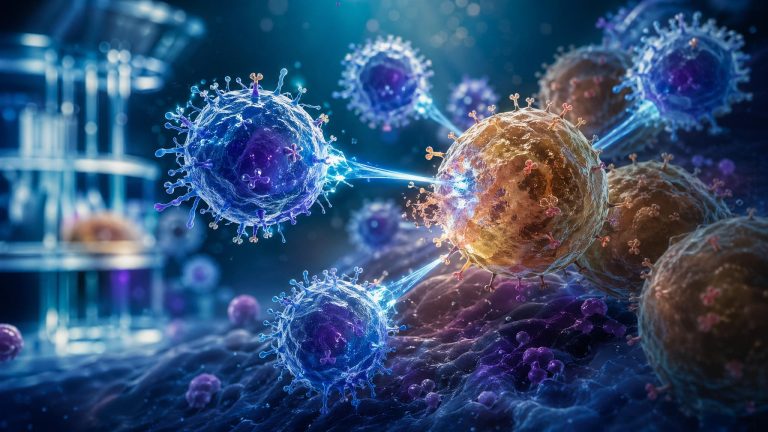
Zombie Cells Meet Their Match: How Natural Fatty Acids Could Become Longevity’s Most Promising New Weapon
Researchers at the University of Minnesota have identified naturally occurring fatty acids, specifically alpha-eleostearic acid and its methyl ester derivative, that selectively kill senescent zombie cells through ferroptosis. Published in…
The Daily Rounds: Longevity & Health Care Brief | May 3, 2026
🧠 Alzheimer's "Death Switch" Identified — Scientists found a toxic protein pair that triggers neuron destruction, with a compound that breaks it apart slowing disease progression in laboratory models. ❤️ Gene Silencing Cuts LDL 50% Without Statins — DNA-based PPRH molecules silence the PCSK9 gene, offering a new cardiovascular treatment pathway for the millions who cannot tolerate statins. ⚠️ Rapamycin Caution for Exercising Adults — The RAPA-EX-01 randomized trial found weekly rapamycin supplementation blunted functional fitness gains in older adults, raising important questions for longevity enthusiasts combining the drug with exercise. 🦠 Gut Bacteria Drive Inflammatory Depression Pathway — Harvard researchers traced a hidden mechanism in which a gut bacterium interacting with a common environmental pollutant produces a molecule that triggers cytokine-driven inflammation linked to major depressive disorder. 🐕 Immune Bloodhounds Hunt Solid Tumors — Stanford engineered NK cells with metabolite-sensing receptors that navigate to and infiltrate solid tumors, addressing a longstanding barrier to immunotherapy for solid cancers.

The Sauna Longevity Effect: 25 Years of Finnish Research on Heat Therapy, Heart Health, and Healthspan
A quarter century of Finnish epidemiology and a decade of mechanistic work have turned sauna and heat therapy into one of the most reliable non pharmacologic recovery interventions in longevity…
