

The Sauna Prescription: What 30 Years of Finnish Research Reveal About Heat Exposure, Cardiovascular Mortality, and the Recovery Science That Rewrites Hormesis
For most of the twentieth century, the sauna was a cultural ritual in search of a clinical literature. In Finland, where roughly one sauna exists for every two citizens, the practice carried generations of folk wisdom about warmth, sweat, and the slow exhale at the end of a hard day. What it did not carry was peer reviewed evidence. That changed in 2015, when a single paper in JAMA Internal Medicine, drawn from a cohort of 2,315 middle aged Finnish men followed for more than two decades, produced one of the most arresting dose response curves in cardiovascular epidemiology. Men who used the sauna four to seven times per week had a 63 percent lower risk of sudden cardiac death and a 50 percent lower risk of all cause mortality compared with men who used it once a week, after adjustment for the usual cardiovascular suspects.
Presented By Our Partners



That paper, led by Jari Laukkanen at the University of Eastern Finland, did not arrive in a vacuum. It sat on top of the Kuopio Ischemic Heart Disease, or KIHD, prospective cohort, a study that had been quietly collecting biomarkers, lifestyle data, and cardiovascular endpoints since the early 1980s. What Laukkanen and his collaborators noticed was that an exposure no one had been studying carefully, heat, was sitting in the data with effect sizes that rivaled the most aggressive pharmacological interventions in modern cardiology. Eleven years later, in 2026, the literature has caught up. Mayo Clinic Proceedings has published a synthesis. The American Heart Association has issued cautious recommendations. And recovery science, long dominated by ice baths and compression garments, has had to make room for an intervention that is in some ways the oldest in the human catalog.
This is the story of how that happened, what the mechanisms actually are, where the limits of the evidence sit, and how a careful clinician or self directed reader can translate the findings into a practice rooted in the four fundamentals of health.
The Kuopio Mortality Curve
The 2015 JAMA Internal Medicine paper is the anchor study because of how its design forecloses several of the usual objections. The KIHD cohort enrolled men aged 42 to 60 between 1984 and 1989. At baseline, every participant completed a detailed lifestyle questionnaire that included sauna frequency, duration of each session, and temperature preference. Then the cohort was followed for a median of 20.7 years, with cause of death adjudicated from national registries. The exposure was measured before the outcome, the follow up was long enough to capture meaningful mortality endpoints, and the multivariate adjustment included age, body mass index, systolic blood pressure, LDL cholesterol, triglycerides, smoking, alcohol consumption, type 2 diabetes, prior coronary artery disease, resting heart rate, cardiorespiratory fitness, and socioeconomic status.
The dose response was monotonic. Compared with one session per week, two to three sessions per week reduced sudden cardiac death by 22 percent. Four to seven sessions per week reduced it by 63 percent. The all cause mortality curve told the same story. Duration mattered as well. Sessions longer than 19 minutes were associated with a 52 percent reduction in sudden cardiac death compared with sessions under 11 minutes.
In epidemiological terms, this is a large effect size from a well designed prospective cohort. It is not a randomized trial, and it cannot rule out residual confounding from variables not measured in the questionnaire. But it is among the cleanest observational signals in the cardiovascular literature, and subsequent KIHD analyses have replicated and extended it. A 2018 Mayo Clinic Proceedings paper from the same group, looking at 1,628 men, reported a 66 percent reduction in dementia and a 65 percent reduction in Alzheimer’s disease incidence among the four to seven sessions per week group. A BMC Medicine paper in 2018 reported a 47 percent reduction in incident hypertension. A 2017 paper in Age and Ageing reported reduced incidence of pneumonia, a finding consistent with the long observed sauna effect on immune function.
The pattern across endpoints is not random. It tracks the biology of repeated, controlled physiological stress.
The Biology Underneath
Heat exposure is, in the language of evolutionary medicine, a hormetic stressor. The body is briefly destabilized in a controlled way, and the adaptive response leaves the system more resilient than baseline. The same general framework describes exercise, fasting, cold exposure, and the moderate inflammation of a vaccine. What makes heat distinct is the specific molecular toolkit it activates.
The first piece is the heat shock protein response. Within minutes of core temperature rising one to two degrees Celsius, cells begin expressing heat shock proteins, particularly HSP70 and HSP90. These are molecular chaperones that fold misfolded proteins, escort damaged proteins to the proteasome, and stabilize cellular machinery under stress. The 2007 work by Kavanagh and colleagues on long lived rhesus macaques showed that animals with robust heat shock protein responses to caloric restriction had measurably slower aging in skeletal muscle. The implication, more recently extended in human work, is that the chaperone network is a load bearing component of the cellular resilience that healthy aging requires.
The second piece is cardiovascular conditioning. A typical Finnish sauna session at 80 to 100 degrees Celsius raises core body temperature by roughly one degree, heart rate by 60 to 100 beats per minute, and stroke volume meaningfully. Peripheral blood flow can increase from 5 to 10 percent of cardiac output at rest to as high as 50 to 70 percent during heat exposure, as the cardiovascular system shunts blood to the skin for cooling. This produces a cardiovascular load that, in healthy individuals, approximates moderate intensity exercise. Earl Bahn and colleagues described this overlap in detail in their 2018 review in the European Journal of Preventive Cardiology, characterizing sauna as a cardiovascular "exercise mimetic" in populations who cannot tolerate the orthopedic loads of conventional aerobic training.
The third piece is vascular endothelial conditioning. The vasodilation of sauna exposure increases nitric oxide bioavailability, improves flow mediated dilation, and reduces arterial stiffness. The Laukkanen group reported in 2018 in the American Journal of Hypertension that sauna sessions acutely reduce blood pressure and improve arterial compliance, and that habitual users have lower resting blood pressure and pulse wave velocity than infrequent users. These vascular effects are mechanistically consistent with the observed reductions in incident hypertension and cardiovascular mortality.
The fourth piece is what is sometimes called the autophagy and neurotrophin response. Heat exposure transiently elevates brain derived neurotrophic factor, or BDNF, a growth factor implicated in synaptic plasticity, learning, and resistance to neurodegeneration. The Patrick FoundMyFitness reviews have synthesized this literature for a general audience, and the underlying primary work, including studies by Hannuksela and colleagues, supports the idea that the dementia signal in the Mayo Clinic Proceedings paper has plausible biological underpinnings.
Featured Partner
Invest in the Infrastructure Behind Modern Medicine
As healthcare expands beyond hospital walls, the buildings and campuses supporting that shift are generating compelling returns for investors who move early. The Healthcare Real Estate Fund offers qualified investors direct access to a curated portfolio of medical office, outpatient, and specialty care facilities.
Learn More →
These mechanisms do not require the sauna to be uniquely magical. They require it to deliver a particular kind of repeated, controlled physiological stress. Which raises an obvious question.
Sauna, Hot Tub, or Hot Bath?
If the mechanism is heat, not wood paneling, then any sufficient heat exposure should produce similar adaptations. The data here is thinner than the Finnish cohort literature, but it is moving in a consistent direction.
The clearest signal comes from the work of Charles Steward, Christopher Minson, and their collaborators at the University of Oregon. In a series of trials beginning in 2016, the group showed that eight to ten weeks of hot water immersion at 40 to 41 degrees Celsius, 60 minutes per session, four to five sessions per week, produced reductions in blood pressure, improvements in flow mediated dilation, and improvements in fasting glucose comparable to moderate aerobic exercise. A subsequent 2020 Journal of Applied Physiology paper extended the protocol to longer durations and reported reductions in fasting insulin and inflammatory markers. The Faulkner laboratory in the United Kingdom has reported similar findings using hot water immersion in sedentary populations and in patients with type 2 diabetes.
The takeaway is that the meaningful variable is core temperature elevation maintained for sufficient time, not the specific format. A traditional Finnish sauna delivers this through hot, relatively dry air. A Russian banya delivers it through high humidity. A hot tub or bath delivers it through water immersion, which transfers heat to the body more efficiently than air at the same temperature. Infrared saunas, which heat the body directly through radiant infrared rather than warming the surrounding air, achieve lower ambient temperatures and may not raise core temperature as reliably. The infrared literature is younger and more heterogeneous, and the strongest evidence remains anchored in traditional Finnish sauna and hot water immersion protocols.
The Limits of the Evidence
Three honest caveats sit alongside the enthusiasm.
First, the strongest data is observational. The KIHD cohort is well designed, but no large randomized controlled trial has yet tested sauna or heat exposure against a sham comparator for hard cardiovascular endpoints. A 2018 trial by Laukkanen and colleagues randomized 102 adults to sauna or no sauna and found short term improvements in blood pressure and arterial stiffness, but mortality endpoints require sample sizes and durations that no funded trial has yet attempted.
Second, the populations studied are not fully representative. The KIHD cohort is all male, all middle aged, and all Finnish, in a culture where habitual sauna use begins in childhood and is woven into the rhythm of life. The replication studies in non Finnish populations are encouraging, but the dose response curve in someone starting heat exposure at 50 with no prior conditioning may not match the curve in someone with 40 years of weekly exposure behind them.
Third, the contraindications are real. Sauna and heat immersion lower blood pressure and produce significant orthostatic stress. Patients with unstable angina, recent myocardial infarction, severe aortic stenosis, or autonomic dysfunction should not begin a sauna practice without cardiology clearance. Pregnant women are typically advised to avoid sauna in the first trimester due to concerns about neural tube development. Alcohol use during or immediately before heat exposure is a known driver of sauna related deaths, mostly through arrhythmia and dehydration. The intervention is broadly safe in healthy populations but is not zero risk, and the public health messaging on this point has been less careful than it should be.
The Bridge: Heat as a Recovery Fundamental
The four fundamentals of health, Nutrition, Breath, Recovery and Sleep, and Movement, are not isolated domains. They interact. A poor night of sleep degrades the quality of the next day’s movement. A skipped meal disrupts the breath. Heat exposure, like cold exposure, sits inside the Recovery and Sleep pillar but pulls on Movement and Nutrition as well, both through the cardiovascular load it places on the system and through the substantial water and electrolyte demands it creates.
In the practical playbook that follows, the question is not whether heat is magical. It is whether a careful heat exposure practice, layered onto the rest of the fundamentals, returns more than it costs. The evidence suggests that for most adults, it does.
What This Means For Your Practice
Start with the easiest realistic exposure. If you have access to a traditional Finnish sauna, the KIHD curve suggests aiming for two to three sessions per week as a starting target, with sessions of 15 to 20 minutes at 80 to 90 degrees Celsius. The four to seven sessions per week tier is where the largest effect sizes sit, but that frequency is a destination, not a starting line. Build to it across several months.
If you do not have sauna access, a hot water immersion protocol drawn from the Steward and Minson trials is a reasonable substitute. Aim for 40 to 41 degrees Celsius for 30 to 60 minutes, four to five sessions per week if cardiovascular conditioning is the goal. Many home tubs cannot reach 41 degrees safely. A walk in hot tub set to 40 degrees, or a deep bath drawn at 41 to 42 degrees that cools toward 40 across the session, both work.
Hydrate before, during if the session allows, and after. A typical 20 minute sauna session at 85 degrees produces 0.5 to 1.5 liters of sweat in a habituated adult. Replace fluids with water plus a measured electrolyte source. Sodium loss is real and is the single most common cause of post sauna headache, fatigue, and dizziness.
Do not combine with alcohol. The Finnish epidemiological literature is clear that the substantial majority of sauna related sudden deaths involve alcohol intoxication, often in combination with cardiovascular disease. The same logic applies to hot water immersion. If you would not drive after the alcohol, do not sauna after it.
Pair heat with breath. The slow nasal breathing protocols documented in recent resonance breathing research are an effective complement to sauna. Six breaths per minute, nasal inhale, slightly extended exhale, while sitting on the bench, lowers heart rate, increases heart rate variability, and turns the session into a combined heat and parasympathetic intervention.
Sequence heat and cold thoughtfully if you use both. The Finnish tradition of avantouinti, the post sauna plunge into cold water or snow, is hormetically interesting but is also the highest cardiovascular load moment of the entire practice. Patients with cardiovascular disease should avoid the immediate post sauna cold plunge until cleared by a cardiologist. For healthy adults, the data on contrast therapy is suggestive but not yet definitive, and a more conservative pattern is a warm or neutral shower after sauna, with cold exposure scheduled as a separate session.
Sleep on it. One of the most consistent subjective and objective findings in the sauna literature is sleep improvement. Sessions in the late afternoon or early evening, timed so that the body has cooled by bedtime, are associated with longer slow wave sleep duration and improved sleep efficiency in wearable data. The mechanism is plausibly the post heat drop in core body temperature, which mimics the natural circadian thermal decline that initiates sleep. If you struggle with sleep onset and you have access to a sauna, a 15 to 20 minute session two to three hours before bed is worth trialing.
Use the wearable data carefully. Heart rate variability, resting heart rate, and sleep architecture data from devices like Oura, Whoop, and Apple Watch are reasonable proxies for recovery quality. Most habituated sauna users report HRV gains over weeks to months, but day to day variability is large. Do not chase the daily number. Look at the seven and 30 day trend lines.
Track one cardiovascular biomarker if you can. Resting heart rate trends, ambulatory blood pressure, and pulse wave velocity all respond to consistent heat exposure across weeks. A home blood pressure cuff used twice weekly is a low cost, high signal way to verify that the intervention is producing the kind of vascular response the published literature predicts.
Finally, treat heat as a fundamental, not a hack. The most striking feature of the KIHD cohort is not that the four to seven sessions per week group used sauna intensely. It is that they used it consistently, in a population where the practice was woven into ordinary life across decades. The longevity science of heat exposure rewards habit, not heroics. A 15 minute session three times a week, for the next 20 years, is the protocol the data actually supports. Anything else is decoration.
The Larger Picture
Recovery science has been pulled in two directions over the last decade. One direction is technological, with increasingly elaborate compression devices, percussive massagers, and contrast therapy chambers. The other direction is mechanistic, returning to the underlying biology of repeated, controlled physiological stress and asking what the cleanest delivery vehicles for that stress actually are. Heat exposure sits squarely in the second tradition. It is mechanistically interpretable, biologically conserved across human evolution, inexpensive to deliver in its simplest forms, and supported by some of the strongest longitudinal cardiovascular data in the recovery literature.
The Finnish sauna, in this reading, is not a wellness fad. It is one of the oldest and best documented hormetic interventions in human history, and the science of the last decade has done it the small but important favor of explaining why it has always worked.


Similar Posts

Owlet Dream Sock: FDA Cleared Infant SpO2 and Heart Rate Monitor for Home Use
The first FDA cleared consumer pulse oximetry monitor designed specifically for infants, offering continuous SpO2 and heart rate tracking from a soft fabric sock worn during sleep. Presented By Our…
Imaware At-Home Blood Tests: Autoimmune and Metabolic Screening Made Accessible
Twenty-four million Americans have autoimmune disease. On average, it takes 4.5 years and five doctor visits to get a diagnosis. What if the first test could be done at home?…
Everlywell Metabolic Panel: Accessible At-Home Blood Testing for Metabolic Health
A widely available at-home blood and urine testing platform that puts basic metabolic screening in reach for anyone who wants to check their HbA1c, cholesterol, thyroid, and cortisol without a…
Senolytic CAR-T Cells: How Cancer Immunotherapy Is Being Reengineered to Clear Aging Cells
First-generation senolytics like dasatinib plus quercetin showed only subtle effects in human trials. A new generation of senolytic CAR-T cells borrows cancer immunotherapy and retrains it to hunt senescent cells….

Somatic vs Germline Mutations: The Difference That Changes Everything
Germline mutations are inherited from your parents and present in every cell. Somatic mutations arise during life and live in only some cells. The distinction shapes how cancer is treated,…
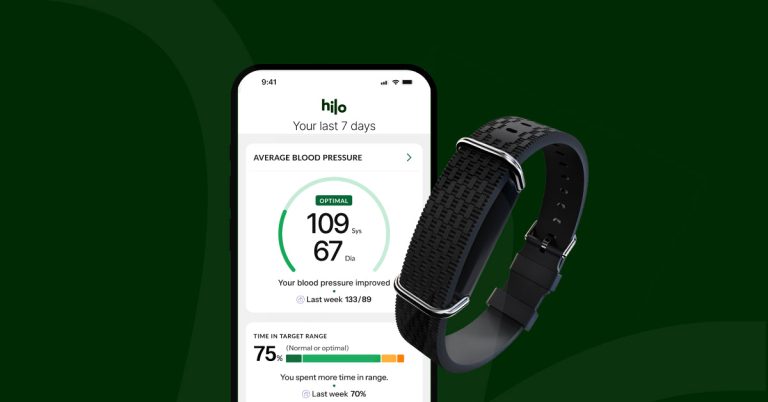
Aktiia Bracelet: 24/7 Cuffless Blood Pressure Monitoring From Your Wrist
A wrist worn bracelet that measures blood pressure continuously throughout the day and night using optical sensors, CE marked in Europe and awaiting FDA clearance in the United States. Presented…
