
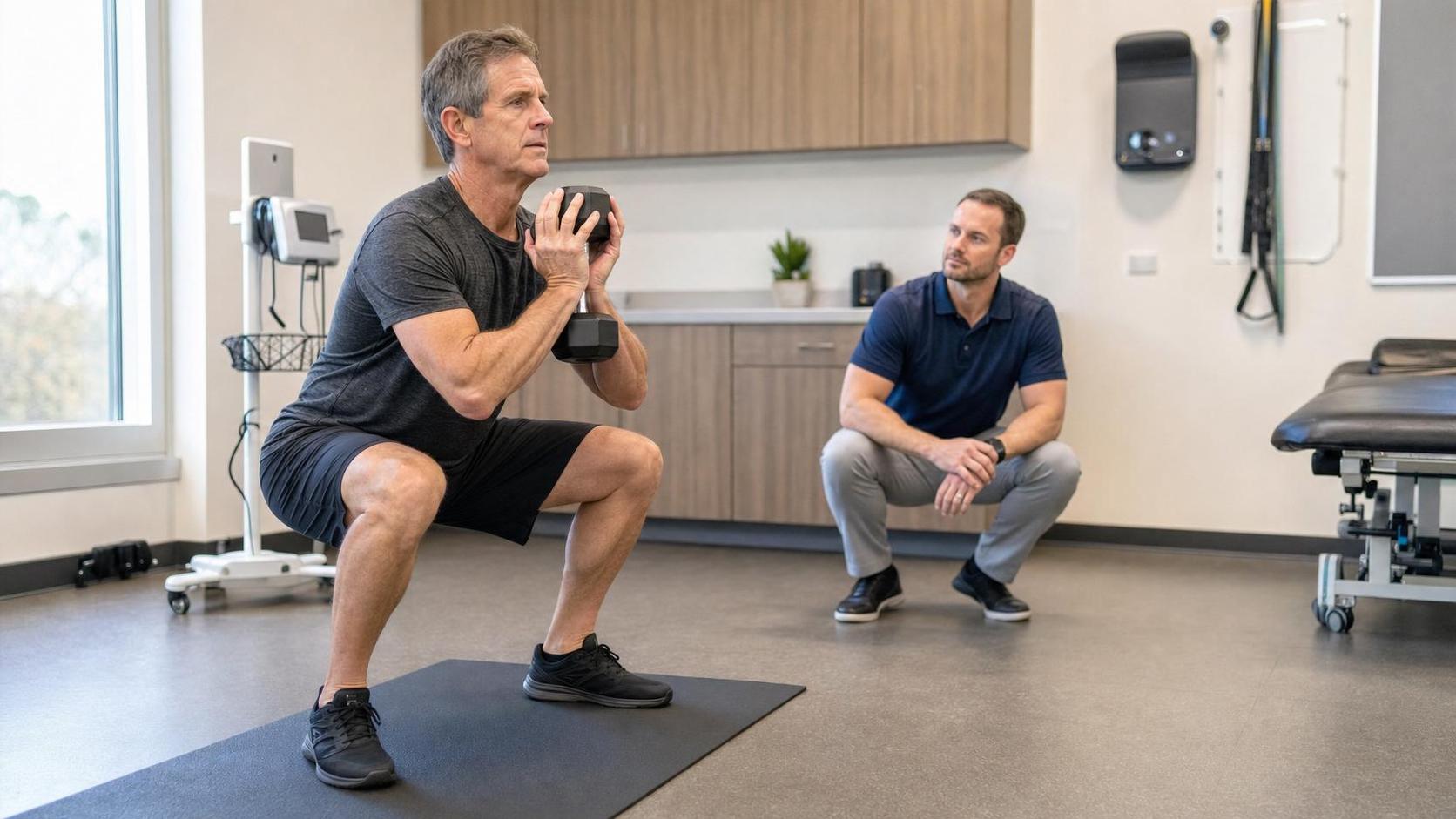
The Strength Training Sweet Spot: 30 Years of Data From 147,000 People Reveals the Exact Weekly Dose That Lowers Mortality Risk
A landmark British Journal of Sports Medicine analysis tracked 147,374 adults across three Harvard cohort studies for up to 30 years and found that 90 to 120 minutes of weekly resistance training reduces all-cause mortality by 13%, cardiovascular disease deaths by 19%, and neurological disease deaths by 27%. The benefits reach 45 to 58% when combined with sufficient aerobic exercise.
Presented By Our Partners



For decades, the exercise prescription for longevity has centered on aerobic activity. Walk briskly. Run. Cycle. Get your heart rate up. The evidence for cardio and mortality was so strong and so consistent that strength training often played a supporting role in public health guidelines, an important addition but rarely the headline.
A study published June 12, 2026, in the British Journal of Sports Medicine changes that framing. Researchers from the Harvard T.H. Chan School of Public Health and the Harvard-affiliated cohort studies program analyzed three decades of exercise data from 147,374 adults and found that resistance training has a precise, quantifiable dose that delivers the greatest survival benefit. That dose is 90 to 120 minutes per week. Go below it, and you leave mortality risk on the table. Go above it, and the additional returns disappear. The window is narrow enough to be actionable and specific enough to rewrite how clinicians and coaches should think about the strength training prescription.
The Study That Defined the Prescription
Lead author Yiwen Zhang and senior author Edward Giovannucci of Harvard drew on data from three of the most rigorously maintained long-term cohort studies in American medicine: the Health Professionals Follow-up Study (1992 to 2022), the Nurses’ Health Study (2002 to 2021), and the Nurses’ Health Study II (2003 to 2021). Together, these cohorts enrolled 31,540 men and 115,834 women with an average entry age of 54, and followed them for up to 30 years through biennial questionnaires that captured detailed exercise habits, lifestyle factors, and health outcomes.
During the 30-year monitoring period, 35,798 participants died. The researchers used that mortality record to build dose-response curves for both resistance training and aerobic exercise, and then examined how the two forms of exercise interacted when combined. The scale of the dataset and the duration of follow-up give this analysis a statistical power that short-term exercise intervention studies cannot match.
Exercise was self-reported every two years. Aerobic activities included brisk walking, running, jogging, swimming, cycling, tennis, squash, strenuous outdoor work, and stair climbing. Strength training covered exercises using weights or body weight, including presses, squats, lunges, and resistance machine work. At entry, 74% of participants were already exceeding the recommended 150 minutes per week of moderate-intensity aerobic exercise. Roughly 46% reported doing some form of strength training.
The Numbers Behind the Sweet Spot
After adjusting for age, body mass index, dietary quality, smoking, alcohol, and other potential confounders, the findings were precise and consistent across subgroups.
Participants who performed 90 to 119 minutes of strength training per week showed a 13% lower risk of death from any cause compared to those who did no resistance training. That hazard reduction was statistically robust and held across the full analytical model. What is equally important is what happened above the threshold: participants who trained for 120 minutes or more per week saw no additional reduction in all-cause mortality. The dose-response curve plateaued, suggesting a saturation point beyond which the longevity signal from strength training stops accumulating.
The cardiovascular mortality data was even more striking. The same 90 to 119 minute weekly dose was associated with a 19% lower risk of dying from cardiovascular disease. For neurological disease, including conditions such as Parkinson’s disease and related neurodegenerative disorders, the risk reduction reached 27%. These cause-specific reductions are large enough to be clinically meaningful for any patient discussing preventive strategies with a physician.
Cancer mortality followed a different pattern, one that suggests the underlying protective mechanisms differ by disease category. The greatest cancer survival benefit appeared at lower training volumes: 1 to 29 minutes per week was associated with a 21% lower cancer mortality risk, and 30 to 59 minutes per week with an 18% reduction. The benefit attenuated at higher volumes, meaning some strength training is better than none for cancer outcomes, but the dose-response does not continue climbing the way it does for cardiovascular and neurological disease. Researchers speculate this may reflect the role of immune surveillance, inflammation modulation, and adiposity reduction that even modest resistance activity provides.
Why Different Diseases Require Different Doses
The divergence between cancer and cardiovascular or neurological mortality in the dose-response curves points to distinct biological pathways through which resistance training protects against specific causes of death.
Featured Partner
Invest in the Infrastructure Behind Modern Medicine
As healthcare expands beyond hospital walls, the buildings and campuses supporting that shift are generating compelling returns for investors who move early. The Healthcare Real Estate Fund offers qualified investors direct access to a curated portfolio of medical office, outpatient, and specialty care facilities.
Learn More →
For cardiovascular disease, the mechanisms are multifactorial and have been studied for decades. Resistance training increases lean muscle mass, which improves insulin sensitivity and glucose disposal. It reduces visceral adiposity and resting blood pressure. It improves arterial stiffness and endothelial function. In older adults, it attenuates the loss of cardiac output capacity that accompanies sarcopenia. The 90 to 120 minute threshold may reflect the dose needed to drive meaningful, sustained adaptations in these cardiovascular parameters over decades of practice.
The 27% reduction in neurological disease mortality is arguably the most striking finding in the dataset, given that neurodegenerative conditions have historically been seen as poorly modifiable through lifestyle intervention. The biological explanation centers on skeletal muscle’s role as an endocrine organ. During resistance exercise, contracting muscle fibers release signaling molecules known as myokines, including irisin, brain-derived neurotrophic factor (BDNF), interleukin-6, and cathepsin B. These molecules cross the blood-brain barrier, where they promote neuronal survival, synaptic plasticity, and the clearance of toxic protein aggregates associated with conditions such as Alzheimer’s and Parkinson’s disease. A sufficient dose of regular resistance exercise appears necessary to sustain elevated myokine secretion over time, which may explain why the neurological benefit tracks with the higher 90 to 119 minute weekly dose rather than appearing at lower training volumes.
For cancer, the relevant mechanisms include immune cell mobilization, reductions in circulating insulin and insulin-like growth factor 1, improvements in adipokine profiles, and direct anti-inflammatory effects. These processes appear to be activated even at modest resistance training doses, which aligns with the finding that cancer benefits appear at 1 to 29 minutes per week and do not scale linearly with greater training volume.
Aerobic Exercise Amplifies Everything
The study’s most clinically useful output is not the strength training dose-response curve in isolation. It is the joint dose-response analysis, which examined how aerobic exercise and resistance training interact across the full range of weekly volumes.
The baseline comparison was participants doing less than 7.5 metabolic equivalent task (MET) hours of aerobic activity per week and no strength training. Against that reference group, the survival benefits of combining both forms of exercise were substantial. Participants who performed 30 to 44 MET hours per week of aerobic activity alongside 60 to 119 minutes of weekly strength training had a 45% lower risk of death. Those who accumulated 45 or more MET hours of aerobic activity per week saw mortality reductions of 53 to 58%, largely independent of how much strength training they added once aerobic thresholds were reached.
The practical interpretation is that strength training delivers meaningful independent survival benefits, and those benefits are compounded by aerobic activity at every level of cardiorespiratory engagement. The two modalities do not compete. They stack. A person doing 30 minutes of strength training three times per week and 30 minutes of brisk walking five times per week is operating in a zone where the evidence suggests profound, sustained reductions in mortality risk across the four major causes of death.
What This Means for Guidelines
Current physical activity guidelines from the United States Department of Health and Human Services and the World Health Organization recommend at least 150 minutes per week of moderate-intensity aerobic activity and muscle-strengthening activities on two or more days per week. The two-day recommendation for strength training has always been somewhat imprecise, specifying frequency without quantifying duration or volume in actionable terms.
The BJSM analysis provides that missing precision. Two strength training sessions totaling 90 to 120 minutes per week, combined with sufficient aerobic activity, appears to represent the minimum effective dose for maximizing cardiovascular and neurological mortality protection. The study does not suggest that three or four sessions per week are harmful. The dose-response plateau above 120 minutes for all-cause mortality simply indicates that the returns on additional resistance training investment diminish from a longevity standpoint, even if additional training may deliver benefits in strength, muscle mass, bone density, metabolic function, and quality of life that the mortality data does not capture.
The researchers from the Zhang and Giovannucci group were careful to note the study’s observational nature. This means the analysis can establish association but not definitively prove that resistance training caused the reduction in mortality. Self-reported exercise data introduces the potential for recall error and social desirability bias. The cohorts also excluded calisthenics and Pilates from the strength training category, and did not capture the intensity of individual training sessions, which are variables that could meaningfully influence outcomes. Still, the scale of the dataset, the duration of follow-up, and the consistency of effects across three independent cohort studies give the findings considerable weight.
The Longevity Science Context
This BJSM analysis arrives as part of a broader convergence of evidence positioning skeletal muscle as a central organ in longevity biology. Research from the past decade has established that muscle mass is a stronger predictor of all-cause mortality in older adults than body weight, body mass index, or even standard cardiovascular risk markers. The 2024 JAMA Network Open analysis of more than 5,000 women found that grip strength, as a proxy for total body muscle function, predicted survival even in individuals who did not meet standard exercise guidelines.
A 2025 systematic review in Sports Medicine examined the dose-response relationship between resistance training and mortality across 16 prospective cohort studies and found consistent protective effects, but noted that most studies had shorter follow-up periods and smaller sample sizes than the current BJSM analysis. The 147,374-person, 30-year dataset published this week is the most statistically powered examination of this relationship to date.
The neurological mortality findings in particular connect to a growing body of research on exercise and neurodegenerative disease prevention. A 2023 Lancet Neurology analysis estimated that physical inactivity accounts for approximately 13% of the global burden of Alzheimer’s disease. The mechanistic research into myokines, particularly the irisin-BDNF signaling axis that has been documented in multiple human and animal studies by researchers including Bruce Spiegelman’s group at the Dana-Farber Cancer Institute, provides a plausible molecular explanation for why sustained resistance exercise over years and decades appears to offer meaningful neurological protection.
The cardiovascular findings extend and reinforce a 2022 meta-analysis published in the British Journal of Sports Medicine that found resistance training alone was associated with a 15% lower risk of cardiovascular events, independent of aerobic activity. The current study’s 19% cardiovascular mortality reduction from 90 to 119 minutes of weekly training is consistent with that earlier estimate and provides the dose specificity that population-level guidance has lacked.
What This Means for You
Three decades of evidence condensed into a single paragraph of practical guidance: perform 90 to 120 minutes of resistance training each week, across two or three sessions, and pair it with at least 150 minutes of moderate-intensity aerobic activity. That combination is associated with up to a 45% lower risk of death over a 30-year monitoring period.
The 90 to 120 minute weekly range translates to approximately two 45-minute sessions or three 30-minute sessions. The specific exercises matter less than the principle: load the major muscle groups through a range of motion under resistance. Squats, deadlifts, presses, rows, and lunges capture this across the entire body. Body weight exercises such as push-ups, pull-ups, and split squats are fully eligible and were included in the study’s definition of strength training. Pilates and calisthenics were not captured in this dataset, but the underlying physiology suggests that any sufficiently challenging resistance-based practice applied consistently over years would likely produce comparable benefits.
The cancer data offers a separate, lower-bar entry point: even one to 29 minutes of strength training per week was associated with a 21% lower cancer mortality risk. For those just beginning, or managing injury or time constraints, even a minimal dose of resistance work appears meaningful.
The upper limit of the dose-response finding should not discourage heavier training. People who strength train four or five times per week for reasons of performance, aesthetics, or metabolic health are not doing themselves harm. The longevity mortality curve simply stops steepening above 120 minutes per week, not because additional training is detrimental, but because the protective signal saturates. The four fundamentals of longevity, nutrition, sleep, movement, and breathwork, all interact. Resistance training’s contribution to the movement pillar at 90 to 120 minutes per week appears to be near-maximal from a mortality standpoint, freeing the remaining training capacity for aerobic work that continues to compound survival benefits at higher volumes.
This is the most precise, most statistically powered dose-response evidence for resistance training and longevity ever published. The prescription is no longer ambiguous: two hours, two or three sessions, and the major muscle groups. The largest human study of its kind says that is enough to protect the heart, the brain, and the longevity clock by margins that rival some of the most powerful drugs in preventive medicine.
Source: Zhang Y, Lee DH, Rezende LFM, Ma Y, Giovannucci E. “Long-term resistance training with all-cause and cause-specific mortality: assessing dose-response and joint associations with aerobic physical activity.” British Journal of Sports Medicine, 2026. DOI: 10.1136/bjsports-2025-110503


Similar Posts

Eko Core 500: The AI Powered Digital Stethoscope That Detects Murmurs and AFib
An FDA cleared digital stethoscope with AI algorithms that detect cardiac murmurs and atrial fibrillation in real time, transforming the most iconic instrument in medicine into a screening platform. Presented…

The Quiet Drug Discovery Revolution: How Protein Degraders Are Cracking the Undruggable Proteome in 2026
More than thirty targeted protein degraders are now in human trials, with the first Phase 3 readouts arriving in 2026. Inside the vepdegestrant breast cancer data, the BTK degrader race,…
The Daily Rounds: Longevity & Health Care Brief | April 9, 2026
🧬 Aging Reframed as Coordination Failure: Scientists at the World Longevity Congress are shifting from single-target anti-aging interventions toward restoring coordination across the body's biological systems. ❤️ Long COVID and the Heart: A 1.2-million-person Swedish study confirms long COVID significantly raises cardiovascular disease risk, including in younger non-hospitalized adults, with women facing more than double the risk. 🤖 AI Hits a Clinical Milestone: With 173 AI-discovered drugs now in clinical trials and Insilico's AI-designed pulmonary fibrosis drug showing Phase IIa efficacy, generative AI in medicine has arrived at clinical scale. 🦠 Fasting for Gut Health: Just five days per month of low-calorie plant-based eating reduced gut inflammation and achieved clinical response in nearly 70% of Crohn's disease patients in a Nature Medicine randomized trial. 😴 Circadian Health and Cancer: New ACS-funded research at Fred Hutch will investigate whether night-shift-driven solar jet lag is a driver of liver cancer, reinforcing circadian alignment as a cancer prevention frontier.

The Heat Prescription: What 20 Years of Finnish Sauna Data Reveal About Your Heart, Brain, and Recovery
Two decades of Finnish KIHD cohort data link frequent sauna bathing to a 50 percent lower risk of cardiovascular death and a 66 percent lower risk of dementia. Inside the…

The Science of Breath: How Vagus Nerve Research Is Rewriting Stress, Recovery, and HRV in 2026
A new wave of 2026 research from Stanford, Harvard, and the Karolinska Institutet is rewriting what the vagus nerve does and how simple breathing practices can tune it. Here is…

InsideTracker Ultimate Plan: 54 Blood Biomarkers for Longevity Optimization
The most comprehensive consumer blood biomarker panel available, measuring 54 markers across metabolic, hormonal, inflammatory, and cardiovascular categories, with AI-powered recommendations and biological age calculation. Presented By Our Partners The…
