

The Daily Rounds: Longevity & Health Care Brief | June 3, 2026
Your daily briefing on the science of living longer, better. Covering the past 24 to 48 hours in longevity, medicine, and healthspan research.
Presented By Our Partners


🧠 NEUROLOGY & COGNITIVE HEALTH
🧠 Alzheimer’s Brain Pathology Detectable in Adults With Only Subtle Cognitive Decline
A study published in Neurology finds that Alzheimer’s disease neuropathology is present in adults showing only subtle, early signs of cognitive decline, with neuropathology positivity linked to accelerated worsening on verbal memory and processing speed tasks. The findings strengthen the case for biomarker-based screening in the preclinical stage, before individuals or their clinicians notice meaningful impairment. Researchers say the window between detectable pathology and noticeable symptoms may offer the most actionable opportunity for disease-modifying interventions.
📌 Read more → HealthDay / Alzheimer Disease Neuropathology and Subtle Cognitive Decline
🧠 Thymus Organ Quietly Predicts Longevity and Cancer Survival, Mass General Brigham Finds
Two new studies from Mass General Brigham, analyzing more than 25,000 adults and 1,200 immunotherapy-treated cancer patients, found that adults with a healthy thymus had a 50% lower risk of death, a 63% lower risk of cardiovascular death, and a 36% lower risk of lung cancer. The research, published in Nature, overturns the assumption that this small immune organ becomes irrelevant after childhood and reveals it remains an active regulator of adult immunity and longevity. Using AI analysis of routine CT scans to score thymic health, the researchers are now positioning thymus monitoring as a potentially routine longevity biomarker.
📌 Read more → ScienceDaily / The Forgotten Organ That Could Predict How Long You Live
❤️ CARDIOVASCULAR HEALTH
❤️ European Cardiology Consensus Links Ultra-Processed Foods to 67% Higher Heart Attack Risk
A consensus statement published in the European Heart Journal warns that people who eat the most ultra-processed foods face up to a 67% higher risk of heart attacks, strokes, cardiovascular death, and irregular heart rhythms, with each additional daily serving increasing event risk by more than 5%. The statement reviewed years of accumulated evidence and found consistent associations between high ultra-processed food consumption and elevated risks for obesity, diabetes, and hypertension as compounding factors. European physicians are now being urged to counsel all patients on reducing ultra-processed food intake as a primary preventive cardiology measure.
🦠 GUT MICROBIOME & IMMUNE HEALTH
🦠 Pasteurized Akkermansia Muciniphila Cuts Post-Diet Weight Regain in Half, RCT Finds
A landmark randomized controlled trial published in Nature Medicine enrolled 90 adults who had completed an 8-week low-energy diet and found that daily supplementation with pasteurized Akkermansia muciniphila slowed weight regain to 1.2 kg over 24 weeks versus 3.2 kg in the placebo group, while also preserving insulin sensitivity throughout the maintenance period. The beneficial effects were most pronounced in participants who had the lowest baseline levels of Akkermansia in their gut, suggesting that microbiome composition at the start of weight maintenance predicts how much benefit supplementation will provide. The pasteurized form works through bacterial cell wall components rather than live organisms, opening a new formulation approach to probiotic therapy for metabolic health.
📌 Read more → Nature Medicine / Pasteurized Akkermansia Muciniphila for Weight Loss Maintenance
🦠 Infant Gut Microbiome Diverges From Healthy Peers by 6 Months in Eczema and Allergy Cases
A study published in Frontiers in Microbiomes found that gut microbiome composition in infants who develop eczema or food allergies begins to look distinctly different from healthy peers as early as 6 months old, before allergic symptoms are typically diagnosed. Analyzing gut microbes from 97 children aged 4 to 36 months, researchers identified meaningful mid-infancy divergence that may mark the beginning of the “atopic march” progressing from eczema toward hay fever and asthma. The findings support early microbiome screening and targeted probiotic or dietary interventions during the first 1,000 days of life, when the gut is most plastic and responsive to change.
Featured Partner
Invest in the Infrastructure Behind Modern Medicine
As healthcare expands beyond hospital walls, the buildings and campuses supporting that shift are generating compelling returns for investors who move early. The Healthcare Real Estate Fund offers qualified investors direct access to a curated portfolio of medical office, outpatient, and specialty care facilities.
Learn More →
🔬 CELLULAR HEALTH, SENOLYTICS & EPIGENETICS
🔬 Scientists Transfer Naked Mole Rat Longevity Gene Into Mice, Extending Lifespan by 4.4%
University of Rochester scientists successfully transferred the naked mole rat version of hyaluronan synthase 2 (HAS2) into mice, producing animals with higher levels of high molecular weight hyaluronic acid, stronger cancer resistance, healthier guts, lower systemic inflammation, and a 4.4% increase in median lifespan compared to controls. The naked mole rat’s extraordinary longevity, living up to ten times longer than similarly-sized rodents, has long been linked to its unusually high HMW-HA production, and this study provides the first proof that cross-species transfer of this mechanism can produce measurable benefits in another mammal. Researchers say it establishes a proof of principle that longevity adaptations evolved in long-lived species can, in theory, be exported to extend healthspan in other mammals.
📌 Read more → ScienceDaily / Scientists Successfully Transfer Longevity Gene and Extend Lifespan
🔬 2026 Research Shifts Senolytics Toward Precision: Target Harmful Cells, Spare Beneficial Ones
The newest frontier in senolytic therapy focuses on selectively eliminating only the pathological senescent cells while preserving those that support wound healing and tissue repair, a critical distinction first-generation broad-spectrum drugs did not make. Early human pilot trial data suggest well-designed senolytic regimens can lower epigenetic age markers and improve mobility and cognition, with combinations of senolytics and epigenetic modulators showing additive potential. The field is maturing from blunt clearance strategies toward precision compounds that distinguish between harmful and beneficial senescence states, setting up a new generation of clinical trials for 2026 to 2028.
🤖 AI IN MEDICINE & DRUG DISCOVERY
🤖 2026 Declared the Inflection Point as AI Becomes Non-Negotiable in Drug Discovery
Drug Target Review reports that 2026 has become the year the pharmaceutical industry fully crosses the threshold from AI as experiment to AI as core infrastructure, with machine learning now embedded across target identification, lead optimization, toxicity forecasting, and clinical development decision-making across major pharma and CRO platforms. AI-driven platforms are increasingly applied earlier in discovery, allowing computational hypothesis testing to run alongside wet lab experiments rather than sequentially after them, compressing development timelines and reducing late-stage attrition. With 173 AI-discovered programs in clinical development and Phase I success rates of 80 to 90% versus the historical 40 to 65% baseline, the clinical proof-of-concept phase of AI pharma has fully arrived.
📌 Read more → Drug Target Review / 2026: The Year AI Stops Being Optional in Drug Discovery
⌚ WEARABLES, BIOMARKERS & PRECISION HEALTH
⌚ UC Irvine Develops Battery-Free Sweat Sensor That Monitors Cortisol, Glucose, and Stress for 21 Days
Researchers at UC Irvine published in Nature Biomedical Engineering the development of a wireless, battery-free bioelectronic skin patch that simultaneously tracks cortisol, glucose, lactate, and urea in sweat continuously for up to 21 days, far longer than any previous sweat biosensor. Unlike earlier devices that required frequent replacement, this system can regenerate its sensing surfaces and even stimulate perspiration when the wearer is not actively sweating, making it the first continuous multi-biomarker wearable suited for real-world deployment. The platform has immediate potential applications in stress and mental health monitoring, chronic disease management, athletic performance optimization, and remote health surveillance for underserved communities.
📌 Read more → UC Irvine News / Wearable Bioelectronic Sweat Sensor for Long-Term Health Monitoring
🥗 NUTRITION & METABOLIC HEALTH
🥗 Yale Study Finds Fat Type, Not Amount, Determines Pancreatic Cancer Risk
A study published in Cancer Discovery by Yale researchers found that oleic acid, the primary fat in olive oil, accelerated pancreatic tumor growth in predisposed mice by protecting cancer cells from ferroptosis (lipid oxidation cell death), while omega-3 polyunsaturated fats from fish oil had the opposite effect, dramatically slowing tumor development. The cancer-promoting effects of oleic acid were pronounced in male mice but largely absent in females, revealing important sex-based differences in how dietary fats interact with cancer biology. While the study was conducted in mice, researchers believe the findings are most immediately relevant for high-risk individuals, including those with chronic pancreatitis, a family history of pancreatic cancer, or late-onset diabetes.
📌 Read more → Yale School of Medicine / The Type of Fat, Not the Amount, Fuels Pancreatic Cancer
🥗 Amino Acid Methionine Dramatically Boosts Survival in Severe Infection by Enhancing Kidney Filtration
Salk Institute researchers published findings in Cell Metabolism showing that dietary supplementation with methionine improved survival rates in mice experiencing severe infection and systemic inflammation, not by directly suppressing the immune response, but by boosting kidney filtration efficiency to clear excess inflammatory molecules before they could damage organs or cross the blood-brain barrier. The mechanism’s relevance extends beyond infection to sepsis, acute kidney injury, and dialysis patients, suggesting methionine may be a broadly applicable nutritional intervention in inflammatory critical illness. The study opens a new research direction focused on amino acid-based approaches to managing inflammation in ICU settings.
💪 MUSCLE MASS, STRENGTH & METABOLIC HEALTH
💪 47-Year Study Pinpoints Age 35 as When Fitness and Strength Begin Their Decline
A landmark Swedish longitudinal study tracking participants across nearly five decades found that physical fitness, muscular strength, and aerobic capacity begin declining measurably around age 35, with the rate of decline accelerating sharply through the 50s. The findings underscore the critical importance of building and preserving muscle mass and cardiovascular fitness beginning in one’s 30s, as the physiological reserve established in earlier decades determines how much function remains in later life. Researchers emphasize that even modest resistance and aerobic training sustained through midlife can substantially slow the trajectory of functional decline and extend the years of healthy independent living.
📌 Read more → ScienceDaily / A 47-Year Study Reveals When Strength and Fitness Start to Fade
😴 SLEEP & CIRCADIAN HEALTH
😴 Weak Circadian Rhythms Linked to Nearly 2.5x Higher Dementia Risk, Neurology Study Confirms
Researchers publishing in Neurology found that individuals with the weakest circadian rhythm amplitude and coherence faced nearly 2.5 times the dementia risk of those with strong circadian patterns, independent of age, blood pressure, and cardiovascular disease status. People whose activity levels peaked late in the afternoon at 2:15 p.m. or later had a 45% higher dementia risk than early peakers, suggesting that circadian timing rather than sleep duration alone is a critical variable in brain aging. The findings add urgency to calls for morning light exposure, regular meal timing, and consistent sleep schedules as active, evidence-based dementia prevention strategies.
📌 Read more → U.S. News / Internal Body Clock Linked to Dementia Risk
🌬️ BREATHWORK & STRESS PHYSIOLOGY
🌬️ Twice-Daily Structured Breathwork Significantly Reduces Stress in New Randomized Clinical Trial
A 2026 randomized controlled trial conducted with paramedic students found that a twice-daily structured breathwork protocol produced significant reductions in perceived stress and physiological stress markers compared to a control group, with participant adherence rates above 90% across the study period. The findings contribute to a growing body of RCT evidence that specific breathing protocols at roughly five breaths per minute can reliably activate the parasympathetic nervous system, increase heart rate variability, and reduce cortisol levels. Researchers note that protocolized breathwork is consolidating the scientific credibility that informal or unguided breathing practices have historically lacked, opening pathways toward clinical adoption in high-stress occupations and patient populations.
📌 Read more → Yoga Jala / Twice-Daily Breathwork Cut Paramedic Student Stress
📌 TODAY’S TOP TAKEAWAYS
- 🦠 Akkermansia Muciniphila Cuts Post-Diet Weight Regain in Half: A Nature Medicine RCT shows pasteurized Akkermansia supplementation slows weight regain and preserves insulin sensitivity during a 24-week maintenance period after dieting.
- 🧠 Thymus Organ Predicts Longevity and Cancer Survival: Mass General Brigham’s study of over 25,000 adults links a healthy thymus to 50% lower mortality and 63% lower cardiovascular death risk throughout adulthood.
- 🔬 Naked Mole Rat Longevity Gene Successfully Transferred to Mice: University of Rochester demonstrates cross-species transfer of the HMW-HA-producing HAS2 gene extends median lifespan and reduces cancer risk in mice, establishing a proof of principle for interspecies longevity translation.
- ❤️ Ultra-Processed Foods Linked to 67% Higher Heart Attack Risk: A European Heart Journal consensus statement calls for immediate patient counseling to reduce ultra-processed food intake as a primary cardiovascular prevention measure.
- 😴 Weak Circadian Rhythms Drive Nearly 2.5x Dementia Risk: Neurology study confirms that circadian amplitude and timing, not just sleep hours, are major independent drivers of brain aging and dementia risk.
Sources compiled from Nature Medicine, HealthDay, ScienceDaily, Mass General Brigham, GlobeNewswire, European Heart Journal, Yale School of Medicine, Salk Institute, UC Irvine News, Drug Target Review, Dove Medical Press, U.S. News, Yoga Jala. Published: June 3, 2026.


Similar Posts

The Daily Rounds: Longevity & Health Care Brief | March 31, 2026
🧠 - Heidelberg scientists have identified a protein pairing that acts as a molecular "death switch" in Alzheimer's disease, and a new compound can break it apart, protecting neurons even as it reduces amyloid. 🧬 - The first-ever human trial of partial epigenetic reprogramming is now enrolling, with Life Biosciences testing ER-100 in patients with retinal degeneration in a trial that could redefine what it means to treat aging at the cellular level. 💊 - GLP-1 receptor agonists do not cause disproportionate muscle loss, and new data shows they actually increase mitochondrial proteins in skeletal muscle, suggesting metabolic benefits that go well beyond weight reduction. 🦠 - Gut bacteria are actively injecting proteins into human intestinal cells via molecular syringes, and this mechanism appears more prevalent in people with Crohn's disease, pointing to a new pathway for understanding and treating chronic gut inflammation. ⌚ - ARPA-H's new Delphi program is funding wearable biosensors that can continuously track cytokines and hormones in real time, a potential leap from tracking symptoms to detecting the earliest biological signals of disease and aging.
The Daily Rounds: Longevity & Health Care Brief | May 18, 2026
🧠 Brain Choline Deficit Drives Anxiety — A 25-study meta-analysis finds 8% lower brain choline in anxiety disorder patients, the first chemical brain pattern clearly linked to anxiety. ❤️ Inflammation Cuts Cardiac Events by 31% — Scientific American confirms chronic inflammation is a primary heart disease driver and colchicine reduces events by nearly a third in clinical trials. 🔬 First Epigenetic Reprogramming Trial Enters Humans — FDA clearance of ER-100 marks the first human test of partial epigenetic reprogramming to rejuvenate aged tissue. 🦠 Gut Microbiome Redirects Amino Acids Against Cancer — Weill Cornell research shows microbiome composition determines whether dietary asparagine feeds tumors or boosts immune defense. 🥗 Meal Timing Amplifies Exercise Metabolic Benefits — A 19-RCT meta-analysis confirms time-restricted eating plus exercise outperforms exercise alone for fat loss and cardiometabolic health.
Stryd Running Power Pod: Precision Running Power Measurement for Performance and Longevity
Cyclists have trained by power for decades. Running is finally catching up, and the implications for both performance and longevity are significant. Presented By Our Partners A 2022 systematic review…
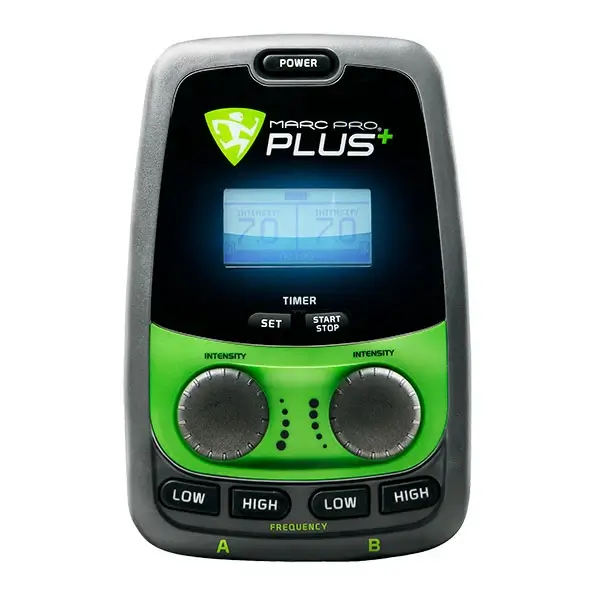
Marc Pro Plus Review: Does EMS Speed Recovery, and Is It Worth It?
Marc Pro Plus is an electrical muscle stimulator for recovery and pain relief. It feels good and eases pain, but trials show little measurable recovery gain.
Ulta Lab Tests: The Most Affordable Path to Preventive Blood Testing
Direct-access lab testing without the prescription markup. Panels from $9 to $199, nationwide availability, and the transparency that preventive health demands. Presented By Our Partners The Cost Barrier to Preventive…
Hume Body Pod: 8-Electrode BIA Smart Scale with 45+ Body Composition Metrics
An 8-electrode, multi-frequency bioelectrical impedance analysis scale that measures over 45 body composition metrics in under 90 seconds, claiming 98% correlation with DEXA scanning for fat-free mass and body fat…
