The Daily Rounds: Longevity & Health Care Brief | November 26, 2026
Your daily briefing on the science of living longer, better. Covering the past 24 to 48 hours in longevity, medicine, and healthspan research.
Presented By Our Partners


🧠 NEUROLOGY & COGNITIVE HEALTH
💉 mRNA Nose Drops Restore Youthful Memory in Aging Mice
University of Sydney scientists have developed an experimental mRNA-based nasal delivery system that reversed memory loss in aged mice without requiring injections or crossing the blood-brain barrier through traditional routes. The intranasal approach delivers therapeutic molecules directly via the olfactory pathway and produced measurable improvements in spatial and associative memory tasks. Researchers say the method offers a safer and more accessible route to brain-targeted gene therapy for Alzheimer’s and age-related cognitive decline.
🫀 Stem Cell Therapy for Parkinson’s Shows Clean 4-Year Safety Record
BlueRock Therapeutics’ bemdaneprocel, a dopaminergic neuron replacement derived from human embryonic stem cells, has demonstrated a favorable safety profile through four years of follow-up in Parkinson’s patients, with no serious adverse events attributable to the cell therapy itself. The data, presented at AAN 2026, marks the longest safety observation period for any transplanted neural stem cell therapy in humans. If efficacy trials confirm the safety signal, bemdaneprocel could become the first regenerative cell therapy approved for Parkinson’s disease.
📌 Read more → Healio
🔗 Women with Parkinson’s Carry Heavier Alzheimer’s Brain Burden, Study Finds
A new analysis finds that women diagnosed with Parkinson’s disease show significantly more Alzheimer’s-related pathological brain changes than their male counterparts, including higher levels of amyloid and tau accumulation in regions tied to memory and executive function. The finding may help explain why women with Parkinson’s experience faster cognitive decline and more pronounced dementia symptoms. Researchers say sex-specific biomarker monitoring and treatment protocols may be needed in Parkinson’s care.
📌 Read more → Medical Xpress
❤️ CARDIOVASCULAR HEALTH
🧬 Genetic Map of Heart Disease Opens New Therapeutic Routes
Washington University in St. Louis researchers have produced a large-scale genetic analysis of coronary artery disease that reveals previously uncharacterized causal pathways, several of which point toward druggable targets not addressed by current therapies. The study identifies specific gene variants that influence plaque formation, arterial inflammation, and lipid processing independently of known cholesterol pathways. The authors say the map could guide an entirely new generation of cardiovascular drugs beyond statins and PCSK9 inhibitors.
📌 Read more → WashU Source
🫘 Kidney Protein Discovery Reveals a New Guardian of Vascular Health
Scientists have identified a previously unknown kidney-secreted protein that regulates phosphate levels in the bloodstream and actively protects blood vessel walls from calcification and stiffening. When the protein is absent or suppressed, excess phosphate accumulates and accelerates vascular aging even in the absence of kidney disease. The finding opens a new biology-based target for treating vascular aging and arterial stiffness in the broader population, not just patients with chronic kidney disease.
📌 Read more → News-Medical
🦠 GUT MICROBIOME & IMMUNE HEALTH
🔬 Gut Microbiota Rewrites the Rules of Cancer Immunotherapy Response
Harvard Medical School and collaborating institutions have published evidence that gut microbiota composition directly governs whether checkpoint immunotherapy succeeds or fails, beyond previously known mechanisms. Specific microbial metabolites appear to prime immune effector cells in ways that existing checkpoint inhibitor models do not fully account for, explaining some of the wide variability in patient response rates. The findings suggest that microbiome profiling and targeted modification before immunotherapy could become standard practice in oncology.
Featured Partner
Invest in the Infrastructure Behind Modern Medicine
As healthcare expands beyond hospital walls, the buildings and campuses supporting that shift are generating compelling returns for investors who move early. The Healthcare Real Estate Fund offers qualified investors direct access to a curated portfolio of medical office, outpatient, and specialty care facilities.
Learn More →
📌 Read more → Harvard Medical School
🫐 Diet-Microbiome Interactions Could Amplify Immunotherapy Effectiveness
A new mouse study finds that specific dietary patterns shape gut microbial communities in ways that substantially enhance the tumor-killing effectiveness of cancer immunotherapy. Mice fed a diet optimized for beneficial microbial activity showed significantly stronger anti-tumor immune responses when given checkpoint inhibitors compared to controls on standard diets. Researchers say the results support clinical trials examining pre-treatment dietary interventions as an immunotherapy enhancer in human cancer patients.
📌 Read more → Patient Worthy
🔬 CELLULAR HEALTH, SENOLYTICS & EPIGENETICS
⚡ New Precision Strategies Emerge to Target Mitochondrial Dysfunction in Aging
A major review published this week outlines a new generation of therapeutic strategies aimed at correcting mitochondrial dysfunction during aging, moving beyond broad antioxidant approaches toward precision targets in mitochondrial membrane dynamics, biogenesis pathways, and mitophagy regulation. The authors identify several small molecules currently in early clinical development that showed measurable improvements in mitochondrial function in aged tissue models. Experts say this shift from symptom management to mitochondrial repair represents a meaningful advance in cellular longevity science.
📌 Read more → News-Medical
🧟 Mayo Clinic Advances Molecular Understanding of Senescent “Zombie” Cells
Mayo Clinic researchers have published new data on the mechanisms by which senescent cells accumulate in aging tissue and drive chronic inflammation and organ dysfunction. The team identified a specific signaling cascade that prevents senescent cells from triggering programmed clearance, offering a precise intervention point for next-generation senolytic compounds. The work adds molecular resolution to one of the most actively pursued areas of longevity pharmacology.
📌 Read more → Mayo Clinic News Network
🤖 AI IN MEDICINE & DRUG DISCOVERY
🧪 AI Drug Design Summit Highlights Urgent Need for Biological Validation Standards
GenScript convened AI, biotech, and investment leaders in London this week to address a growing challenge in AI-accelerated drug design: the gap between computationally generated candidates and biological validation. As AI tools compress lead identification timelines, pressure on wet-lab infrastructure and in vitro evidence standards is intensifying, with investors demanding clearer proof that AI-designed molecules behave as predicted in biological systems. Industry participants called for standardized biological evidence benchmarks before AI candidates advance to preclinical stages.
⌚ WEARABLES, BIOMARKERS & PRECISION HEALTH
📱 Wearables Blur the Line Between Consumer Device and Medical Instrument
A new analysis of the wearable health technology landscape finds that devices are rapidly shifting from medical-grade registration requirements toward AI-driven health insight platforms, raising both opportunity and regulatory complexity. Consumer wearables are integrating biosensors formerly restricted to clinical settings, while AI layers transform raw data into predictive health scores and personalized recommendations. Regulators globally are grappling with where the line falls between a lifestyle product and a medical device as the technology outpaces existing frameworks.
📌 Read more → Financial Content
💪 MUSCLE MASS, STRENGTH & METABOLIC HEALTH
🧠 Muscle Loss May Flag Dementia Risk Better Than Body Weight
A systematic review from Curtin University finds that sarcopenia (loss of skeletal muscle mass and function) is more closely linked to dementia risk than body weight or BMI alone, with muscle loss independently predicting cognitive decline across multiple longitudinal datasets. The connection appears to involve shared inflammatory pathways, impaired insulin signaling in muscle and brain tissue, and reduced neurotrophic factor production triggered by muscle atrophy. Researchers say muscle mass monitoring should be incorporated into dementia risk screening protocols.
📌 Read more → Curtin University
⚖️ Scientists Find the “More Muscle Equals Healthier” Rule Has Important Exceptions
New Pennington Biomedical research finds that the relationship between lean muscle mass and metabolic health is more nuanced than broadly assumed, with body fat distribution modifying whether increased muscle mass translates into measurable metabolic protection. In individuals with specific fat patterning, additional muscle did not confer the expected metabolic benefits, challenging the blanket assumption that maximizing muscle is always optimal. The findings highlight the need for personalized body composition assessment in clinical and wellness contexts.
📌 Read more → Newsweek
🥗 NUTRITION & METABOLIC HEALTH
⚠️ Excess Phosphorus Intake Linked to Accelerated Blood Vessel Aging
A new study finds that consuming more phosphorus than the body can efficiently regulate accelerates vascular aging through calcification and stiffening of arterial walls, even in people without diagnosed kidney disease. Processed foods, cola beverages, and food additives are the primary drivers of elevated phosphorus intake in Western diets, often well above the threshold for healthy vascular biology. Researchers say phosphorus restriction should be considered as a preventive strategy for arterial health alongside sodium and saturated fat guidance.
📌 Read more → ScienceDaily
😴 SLEEP & CIRCADIAN HEALTH
🌙 Insufficient Sleep Directly Undermines Cardiometabolic and Weight Management Goals
A comprehensive review in Current Obesity Reports finds that inadequate sleep duration and poor circadian alignment significantly impair the physiological mechanisms behind weight management and cardiometabolic health, independent of diet and physical activity. Sleep loss disrupts leptin and ghrelin balance, elevates cortisol, and shifts glucose metabolism toward fat storage, creating a biological environment that resists weight loss even under caloric restriction. The authors argue that sleep optimization should be treated as a frontline cardiometabolic intervention, not a secondary consideration after diet and exercise.
📌 Read more → Current Obesity Reports / Springer
🌬️ BREATHWORK & STRESS PHYSIOLOGY
🤝 Loneliness Is a Medical Crisis, But Standard Treatments Are Missing the Mark
A major analysis finds that the clinical approach to loneliness, which focuses primarily on social skills training and cognitive behavioral techniques, is largely ineffective for the most isolated individuals, who are least able to benefit from therapy-based approaches. The authors argue that structural interventions at the community and policy level are required to address loneliness as a health crisis, given its documented links to elevated cortisol, chronic inflammation, and all-cause mortality comparable to smoking 15 cigarettes per day. The analysis calls for public health infrastructure redesigned around social connection as a core health determinant.
📌 Read more → ScienceDaily
📌 TODAY’S TOP TAKEAWAYS
- 🧠 mRNA Nose Drops Restore Memory in Mice: Intranasal mRNA delivery reverses age-related memory loss in mice, offering a needle-free brain-targeted therapy route for Alzheimer’s and cognitive aging research.
- ❤️ Heart Disease Gets a Genetic Remap: WashU’s large-scale genetic analysis of coronary artery disease reveals druggable pathways beyond the statin era, pointing toward a next generation of cardiovascular medicines.
- 🦠 Gut Microbiome Governs Immunotherapy Success: Harvard evidence confirms gut bacteria composition is a critical determinant of checkpoint immunotherapy response, paving the way for microbiome-based treatment optimization in cancer care.
- 💪 Muscle Loss Flags Dementia Risk Better Than Body Weight: Curtin University’s systematic review finds sarcopenia independently predicts cognitive decline, suggesting muscle mass monitoring should enter dementia prevention screening.
- 😴 Sleep Is a Frontline Cardiometabolic Prescription: A comprehensive review confirms inadequate sleep directly sabotages weight management and cardiovascular health through multiple biological pathways, independent of diet and exercise habits.
Sources compiled from News-Medical, Healio, Medical Xpress, Washington University, Harvard Medical School, Patient Worthy, Mayo Clinic News Network, GenScript/PR Newswire, Curtin University, Newsweek, Pennington Biomedical, ScienceDaily, Springer/Current Obesity Reports, and Financial Content. Published: November 26, 2026.


Similar Posts
Oura Ring Gen 4: Readiness Scoring, HRV Tracking, and Recovery Intelligence
Recovery does not announce itself with a sensation. It reveals itself in data: the subtle shift of autonomic balance that determines whether today is a day to push or a…

Five Years of Proof: The Personalized mRNA Cancer Vaccine That Halved Melanoma Recurrence
Five-year data from the KEYNOTE-942 trial, presented at ASCO 2026, show that intismeran autogene plus Keytruda sustains a 49% reduction in melanoma recurrence risk and drives overall survival to 92.2%…

The Mosaic Body: How Your Cells Are Quietly Mutating, and Why It’s Rewriting Medicine
A new picture of the human body is emerging from the world’s genome sequencers, and it is not the one most of us were taught. We are not single, settled…

The Gray Market Is Not a GLP-1 Care Path
How to distinguish accountable GLP-1 care from counterfeit products, research-use peptides, illegal online sellers, and poorly disclosed compounded offers.
Emotiv EPOC X: 14 Channel Research Grade EEG for Brain Mapping and Cognitive Science
The most channel dense consumer EEG headset available, offering 14 sensors that approach the spatial resolution of clinical brain monitoring systems at a fraction of the cost and complexity. Presented…
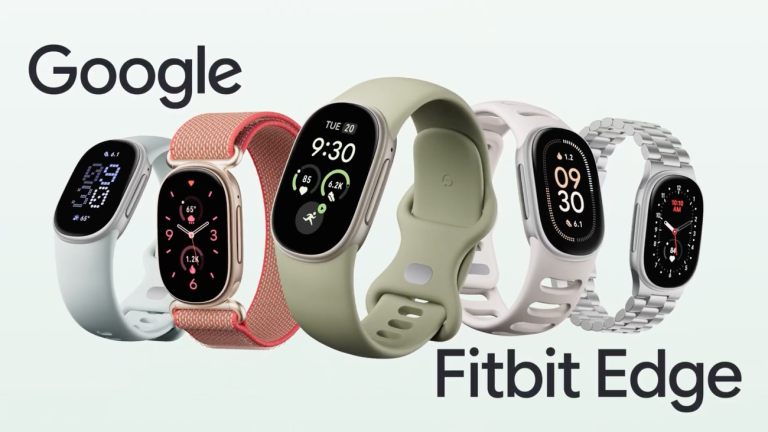
Fitbit Edge Review 2026: $179.99 Price, 7-Day Battery, HSA/FSA Status
Fitbit Edge first look: $179.99 price, 7-day replaceable battery, what studies of earlier Fitbits show about AFib alerts, ECG, heart rate and sleep, and HSA/FSA status.