
Fitbit Edge Review 2026: $179.99 Price, 7-Day Battery, HSA/FSA Status
Google’s new Fitbit Edge puts a screen, GPS and an ECG app on a $179.99 band with a battery you can replace. The heart rhythm science behind Fitbit is strong, but heart rate during sports, sleep staging, step counts at slow speeds and the ECG app’s unreadable tracings deserve more caution than the launch suggests.
Presented By Our Partners



Google launched the Fitbit Edge in October 2026 as the successor to the Fitbit Charge 6 (Tech Advisor; 9to5Google). Thurrott describes it as Google’s new midrange fitness tracker at $179.99 (Thurrott), iDevice reports that it ships October 27 with a battery you can replace (iDevice), and the Free Press Journal led its launch story with a 7-day battery, ECG and GPS (Free Press Journal). This review looks past the launch to what Fitbit’s sensors have been shown to measure in published studies.
First look. No peer-reviewed study has tested the Fitbit Edge itself yet; a PubMed search on October 28, 2026 found none. The accuracy section draws on the Fitbit Heart Study, which tested Fitbit’s irregular rhythm algorithm across Fitbit devices, and on studies of the Fitbit Charge 4, Charge 5, Charge 6, Inspire 3 and Sense. The coverage we found does not confirm that the Edge uses the same sensors as those models, so the Edge may perform better or simply differently.
The short answer: The Fitbit Edge is Google’s October 2026 fitness tracker, priced at $179.99, with a screen, GPS, an ECG app and a claimed week of battery. Fitbit’s irregular rhythm algorithm, tested on earlier Fitbit devices, has strong evidence: in the 455,699-person Fitbit Heart Study, 98.2 percent of repeat alerts during ECG patch monitoring matched atrial fibrillation. Heart rate on the Charge 6 was among the most accurate of 10 wearables tested, but the ECG app, sleep stages and step counts at slow walking speeds carried larger errors in studies of earlier Fitbits.
- Best for: People who want a Fitbit band with a screen, built-in GPS, an ECG app and a claimed week of battery, and who like owning a tracker whose battery can be replaced.
- Not for: Anyone who needs a diagnosis, buyers who want tap-to-pay on the wrist (launch coverage reports no NFC), or people who want a full smartwatch, where the Pixel Watch 5 fits better.
- Price (October 2026): $179.99 at launch in the US and £159.99 in the UK.
- Regulatory status: Fitbit’s ECG app was FDA cleared in 2020, and the FDA has also cleared a Fitbit feature to detect atrial fibrillation. We found no FDA clearance specific to the Fitbit Edge hardware, and we could not confirm which Fitbit heart features the Edge supports in the US.
- Evidence: Strong for Fitbit’s irregular rhythm algorithm, from a company-run study; good for heart rate during steady exercise; mixed for the ECG app, sleep stages and step counts; none published for the Edge itself.
What Is the Fitbit Edge?
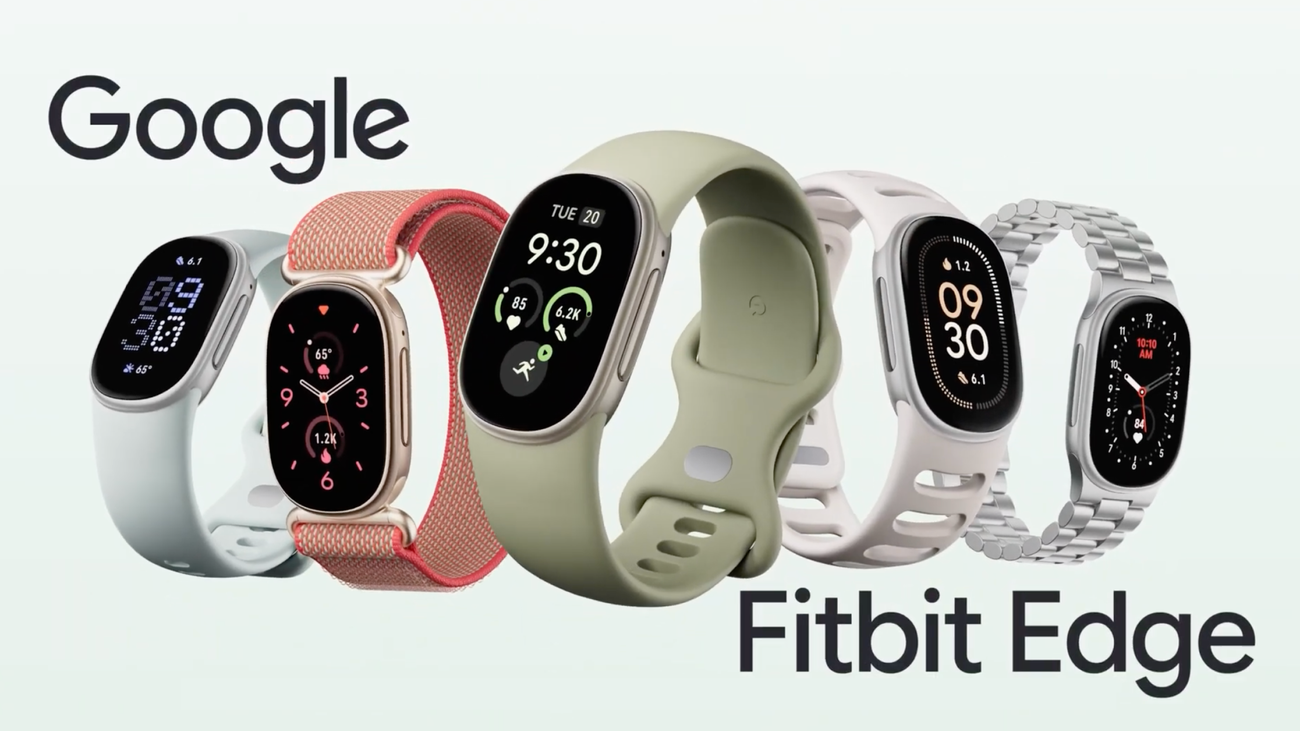
The Fitbit Edge is Google’s screened fitness tracker band, launched in October 2026 as the Charge 6’s successor, that tracks heart rate, sleep and workouts and adds built-in GPS, an ECG app and a replaceable battery.
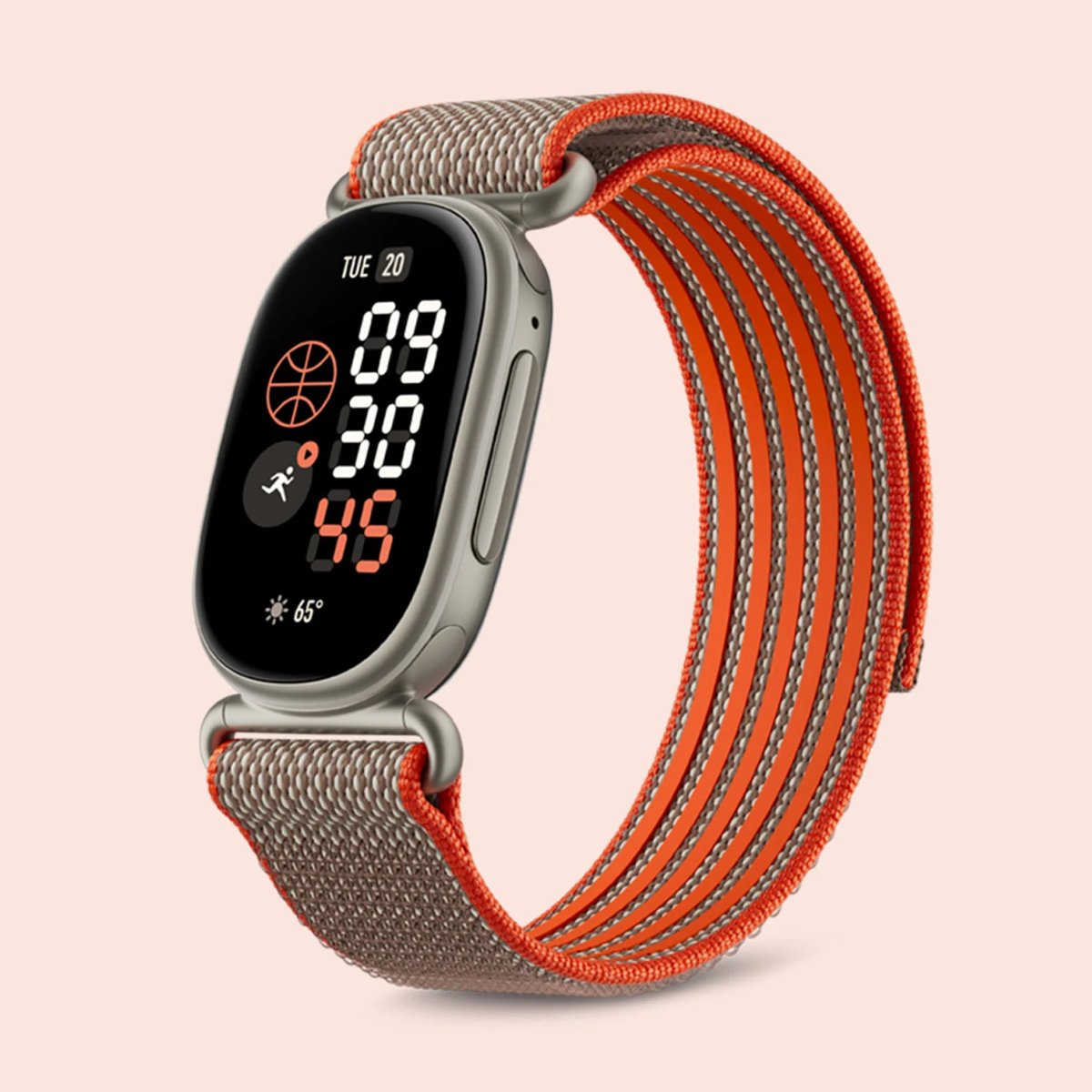
TechRadar reports a hybrid OLED display, weekend-to-weekend battery life, a Garmin-style physical side button and a replaceable battery (TechRadar). Technave headlines a 46 percent larger hybrid OLED display, a 7-day battery, precision GPS and advanced health sensors (Technave), and ProPakistani lists more than 50 workouts (ProPakistani). Tech Insider reports that the Edge has no NFC (Tech Insider). Those details come from the publications’ headlines and were not tested by Healthcare Discovery.
Early impressions are positive with caveats. Tom’s Guide came away impressed after 24 hours with the band (Tom’s Guide), PhoneArena wrote that it fixes one thing the Pixel Watch 5 cannot (PhoneArena), and Android Headlines called it the Charge successor fans had been waiting for (Android Headlines). Tech Advisor counted three key Charge 6 features missing from the Edge (Tech Advisor), and Business Today flagged a catch buyers should know about (Business Today).
Can your doctor see this data? Partly, if you share it. The Google Health app (formerly Fitbit) now pulls in your medical records; ECG readings export as a PDF; no automatic clinic feed confirmed.
How Does the Fitbit Edge Work?
Like other wrist trackers, the Fitbit Edge reads the body through light, electricity and motion. An optical sensor on the back tracks each pulse for heart rate, electrodes record a single-lead ECG when you hold them, an accelerometer tracks steps and sleep, and GPS maps outdoor workouts without a phone.
The optical sensor does most of the work. Each heartbeat pushes blood into the small vessels of the wrist, and the sensor sees the skin brighten and dim with every beat. In the Fitbit Heart Study, Fitbit’s irregular rhythm algorithm checked overlapping 5-minute windows of pulse data in the background and flagged a possible rhythm problem only after 11 irregular windows in a row (PMID 36148649). The launch headlines we found do not say whether the Edge runs that algorithm in the US.
The ECG works differently. It is a spot check you start yourself, so it only sees your rhythm while you are holding it. That matters: intermittent atrial fibrillation can come and go between checks.
How Accurate Is the Fitbit Edge? What the Research Shows
No study has tested the Edge yet. On earlier Fitbit devices, repeat irregular rhythm alerts were confirmed by ECG patch 98.2 percent of the time, and Charge 6 heart rate was among the most accurate of 10 wearables tested. The ECG app left about one in five tracings unreadable, and sleep staging, heart rate during sports with sharp arm movements and step counts at slow speeds carried larger errors.
Atrial fibrillation alerts. The Fitbit Heart Study enrolled 455,699 adults without known atrial fibrillation. Irregular rhythm detections occurred in 4,728 participants, or 1 percent, and in 4 percent of those aged 65 or older. Among 1,057 people who returned an analyzable ECG patch, 32.2 percent had atrial fibrillation on the patch. When the algorithm flagged a rhythm again during patch monitoring, 221 of 225 alerts matched atrial fibrillation, a positive predictive value of 98.2 percent, and 97.0 percent in people 65 or older (PMID 36148649). A follow-up analysis found that 57.2 percent had another detection within 3 months, and that a single 10-second ECG would confirm atrial fibrillation in only 7.6 percent of people after a first alert, compared with 32.2 percent for a 1-week patch and 60.8 percent for a 4-week monitor (PMID 40557492).
The ECG app. The BASEL Wearable Study of 201 cardiology patients found 66 percent sensitivity and 79 percent specificity for the Fitbit Sense, with 21 percent of tracings inconclusive (PMID 36858690). In a second Basel study of 206 patients, the Fitbit Sense’s own algorithm reached 67 percent sensitivity and 82 percent specificity, while a competing artificial intelligence algorithm reading the same tracings reached 91 and 94 percent (PMID 38390580). In a third study of 117 patients, Fitbit’s algorithm gave a conclusive result for 81 percent of tracings, compared with 99 percent for a competing deep learning algorithm (PMID 37183163).
Heart rate. In a 2026 study of 45 adults in hot, cold and neutral climate chambers, the Fitbit Charge 6 had a mean absolute error of 4.5 beats per minute and a mean absolute percentage error of 5.5 percent against an ECG chest strap, one of the two best results among 10 wearables; intermittent walking increased errors for several devices (PMID 41701929). A Fitbit Inspire 3 study of 22 students found a strong match with ECG heart rate but a consistent underestimate of about 3 beats per minute (PMID 41209591). Sport matters: in 26 young adults tracked across six sports, the Charge 4 was nearly exact during running, with a 1.2 percent average error, but underestimated heart rate by 16.5 beats per minute during badminton and soccer (PMID 39789790). In 55 students doing stress and reading tasks, the Charge 5 underestimated heart rate by 24 to 32 beats per minute compared with a research-grade monitor (PMID 40735859).
Sleep. A systematic review of 8 studies found the Fitbit Charge 4 moderately accurate against polysomnography, with a 4.0 minute disagreement for REM sleep and sensitivities of 75 percent for deep sleep and 86.5 percent for REM sleep (PMID 38557808). In 10 people with Huntington’s disease, the Charge 4 agreed well with polysomnography on total sleep, but detected wake with 68.6 percent sensitivity and deep sleep with 56.4 percent sensitivity, and its overnight heart rate had an average error of 1.16 beats per minute (PMID 38450553).
Featured Partner
Invest in the Infrastructure Behind Modern Medicine
As healthcare expands beyond hospital walls, the buildings and campuses supporting that shift are generating compelling returns for investors who move early. The Healthcare Real Estate Fund offers qualified investors direct access to a curated portfolio of medical office, outpatient, and specialty care facilities.
Learn More →
Steps and active minutes. In 14 adults with lung cancer, the Fitbit Charge 6 undercounted steps most at slow walking speeds below 0.6 meters per second, with a 56.6 percent average error, and had a 50.6 percent error on 5-second walking bouts. It also labeled many sedentary minutes as active, with a positive predictive value of 0.31 for active minutes (PMID 42585577).
Company ties: both Fitbit Heart Study papers list authors from Fitbit LLC (Google LLC) (PMID 36148649; PMID 40557492). The second Basel ECG study lists authors from PulseAI, the company behind the competing algorithm it tested (PMID 38390580), and the third lists authors from Cardiologs, which made the competing deep learning algorithm (PMID 37183163). The other studies list academic or hospital affiliations only. PubMed affiliations are not a full disclosure of funding or conflicts.
What the Fitbit Edge Gets Right
The Edge gets the core of a tracker right on paper: Fitbit heart rate that tested among the best of 10 wearables, a rhythm algorithm with a very large study behind it, and a claimed week of battery that you can replace rather than throwing the band away.
A rhythm algorithm with evidence behind it. Few consumer health features have a study of more than 450,000 people behind them, and a repeat Fitbit alert matched atrial fibrillation 98.2 percent of the time during patch monitoring (PMID 36148649). Whether the Edge runs it in the US is still to be confirmed.
Strong heart rate during steady activity. The Charge 6, the Edge’s predecessor, had a 4.5 beats per minute average error against an ECG chest strap in tests that included heat, cold and a stress task (PMID 41701929), and the Charge 4 was nearly exact during running (PMID 39789790).
A battery built to last. A claimed 7-day battery makes it easier to wear the band to bed every night, and a replaceable battery could extend the life of the device. Several launch reports single out the replaceable battery as the Edge’s headline feature.
Where the Fitbit Edge Falls Short
The weaknesses are an ECG app that often cannot read its own tracings, heart rate that slips during sports with sharp arm movements, approximate sleep stages, step counts that miss slow walking, no NFC, and no independent data on the Edge itself.
The ECG app often comes back inconclusive. About one in five Fitbit Sense tracings was inconclusive, and sensitivity was 66 percent (PMID 36858690). A normal or inconclusive wrist ECG does not rule out atrial fibrillation if you have symptoms.
Heart rate slips in stop and start sports. Underestimates of 16.5 beats per minute during badminton and soccer (PMID 39789790) mean training zones and calorie estimates in those sports are rough at best.
Sleep stages and steps are estimates. Wake and deep sleep detection were weaker than total sleep time (PMID 38450553), and the Charge 6 undercounted slow, short bouts of walking (PMID 42585577). People who walk slowly, including many older adults, may see lower step counts than they earn.
Missing features. Tech Insider reports no NFC (Tech Insider), and Tech Advisor counts three Charge 6 features missing from the Edge (Tech Advisor). NationalWorld’s UK pre-order guide covers a subscription (NationalWorld); we could not confirm which Edge features require one.
New hardware, older evidence. Every study above tested an earlier Fitbit. Until researchers test the Edge, its accuracy is inferred, not shown.
Fitbit Edge vs Fitbit Charge 6 vs Pixel Watch 5 vs Polar Loop vs Amazfit Helio Strap
The Edge replaces the Charge 6 as Google’s screened band, while the Pixel Watch 5 is Google’s full smartwatch. The Polar Loop and Amazfit Helio Strap are screenless or subscription-free alternatives for people who mainly want recovery and sleep data.
| Feature | Fitbit Edge | Fitbit Charge 6 | Pixel Watch 5 | Polar Loop | Amazfit Helio Strap |
|---|---|---|---|---|---|
| Form | Band with hybrid OLED screen | Fitness tracker band | Smartwatch | Screen-free band | Strap |
| Claimed battery | Up to 7 days, replaceable | Not verified for this review | Not verified for this review | Not verified for this review | Not verified for this review |
| ECG app | Yes, per launch coverage | Yes, per Notebookcheck | Not verified for this review | No | No |
| Subscription | Not verified for this review | Not verified for this review | Not verified for this review | Subscription-free, per Polar | Subscription-free, per Wareable |
| Price (October 2026) | $179.99 at launch | $160 at launch, often discounted | From $399 at launch | $199.90, per our Polar Loop review | $99, per our Helio Strap review |
If you want a full smartwatch from Google, see our Pixel Watch 5 review. For a screen-free band with no subscription, see our Polar Loop review and Amazfit Helio Strap review. Garmin’s band option is covered in our Garmin CIRQA band overview, and our sleep score essay explains what any tracker’s sleep number can and cannot tell you. Every device we track is in our healthtech wearables guide.
How Much Does the Fitbit Edge Cost, and Is It HSA or FSA Eligible?
The Fitbit Edge launched at $179.99 in the US (Thurrott) and £159.99 in the UK (NationalWorld), and shipping began October 27 (iDevice). We found no confirmation that the Edge is HSA or FSA eligible as a standard purchase, and insurance does not cover it as far as we found.
Google’s cheaper Fitbit Air is a different case: 9to5Google reported in June 2026 that it is HSA and FSA eligible (9to5Google), and Google’s own blog covers buying it with pre-tax health savings (Google). That does not extend to the Edge. Some plans may accept a tracker with a letter of medical necessity from your clinician, so ask your HSA or FSA administrator before assuming it qualifies. Budget too for the follow-up a tracker can prompt: after a rhythm alert, the usual next step is a clinician-ordered ECG monitor, and the Fitbit Heart Study suggests longer monitoring finds more atrial fibrillation (PMID 40557492).
Who Should Buy the Fitbit Edge, and Who Should Skip It?
The Edge suits people who want a Fitbit band with a screen, GPS and an on-demand ECG, and who value a long, replaceable battery. It is a poor fit for people who need a diagnosis, want tap-to-pay, play stop and start sports and need precise heart rate, or want a full smartwatch.
Good candidates:
- Adults who want to record an ECG when they feel palpitations, to share with their doctor.
- Runners and walkers who want GPS on a slim band without carrying a phone.
- Fitbit Charge owners ready to upgrade who want a brighter screen and a battery that can be replaced.
Better served by something else:
- Chest pain, fainting, or a racing heart with shortness of breath: that is an emergency. Call 911; do not wait for a tracker.
- Buyers who pay with their wrist: launch coverage reports no NFC, so look at a smartwatch such as the Pixel Watch 5.
- Racket and team sport players who train by heart rate zones: a chest strap is more accurate during sharp arm movements.
- Anyone who suspects a sleep disorder or has heart symptoms now: see a clinician rather than relying on tracker data.
If a reading sends you looking for a cardiologist or sleep specialist, the Healthcare Discovery doctor directory lists clinicians by state and specialty.
What This Means for You
The most valuable heart feature in the Fitbit family is the background rhythm check that has a 455,699-person study behind it, but the launch coverage we found does not confirm how it works on the Edge in the US. The on-demand ECG is useful for capturing symptoms, as long as you treat an inconclusive or normal result as a reason to keep talking with your doctor, not a clean bill of health. For the wider picture of what drives heart risk, see our heart health evidence review.
Use the sleep stages, readiness and step numbers as trends, not verdicts. Buy the Edge for its screen, GPS, battery and Fitbit’s well-tested heart rate, and wait for independent studies before trusting any newer health feature it adds.
Compiled by Healthcare Discovery from the cited PubMed studies and Google’s launch materials. Every PMID, study size and result on this page was checked against PubMed on October 28, 2026. Launch, price, specification and review details come from the named publications’ headlines and listings and were not independently tested. This is a first look; no Healthcare Discovery hands-on testing was done.
Is the Fitbit Edge accurate for detecting atrial fibrillation?
No study has tested the Fitbit Edge itself yet. Fitbit’s irregular rhythm algorithm, tested on earlier Fitbit devices in the 455,699-person Fitbit Heart Study, had a 98.2 percent positive predictive value when a repeat alert came during ECG patch monitoring (PMID 36148649). The study was run with Fitbit (Google) authors, and we could not confirm which heart features the Edge supports in the US.
How long does the Fitbit Edge battery last?
Launch coverage describes a 7-day battery, and TechRadar describes weekend-to-weekend battery life. The battery is replaceable, according to several launch reports. Healthcare Discovery has not tested battery life.
Does the Fitbit Edge have ECG and GPS?
Launch coverage from the Free Press Journal lists both ECG and GPS. In an earlier Fitbit model, the Fitbit Sense, the ECG app found atrial fibrillation with 66 percent sensitivity and 79 percent specificity, and 21 percent of tracings were inconclusive (PMID 36858690).
How accurate is Fitbit heart rate?
In a 2026 study of 10 wearables, the Fitbit Charge 6 had a mean absolute error of 4.5 beats per minute against an ECG chest strap, among the best results tested (PMID 41701929). Earlier Fitbits were far less accurate during sports with sharp arm movements, such as badminton and soccer (PMID 39789790).
Is the Fitbit Edge HSA or FSA eligible?
We found no confirmation that the Fitbit Edge qualifies as a standard HSA or FSA purchase. Google has said the Fitbit Air can be bought with pre-tax health savings, but that does not cover the Edge. Check with your plan administrator before buying with pre-tax funds.
How much does the Fitbit Edge cost?
It launched at $179.99 in the US and £159.99 in the UK, and shipping began October 27, 2026, according to launch coverage. Check Google for current pricing.
Sources
- Lubitz SA, et al. Detection of atrial fibrillation in a large population using wearable devices: the Fitbit Heart Study. Circulation, 2022. PMID 36148649
- Lubitz SA, et al. Wearable irregular heart rhythm detection recurrences and electrocardiographic atrial fibrillation confirmation: the Fitbit Heart Study. Circulation: Arrhythmia and Electrophysiology, 2025. PMID 40557492
- Mannhart D, et al. Clinical validation of 5 direct-to-consumer wearable smart devices to detect atrial fibrillation: BASEL Wearable Study. JACC: Clinical Electrophysiology, 2023. PMID 36858690
- Weidlich S, et al. Reducing the burden of inconclusive smart device single-lead ECG tracings via a novel artificial intelligence algorithm. Cardiovascular Digital Health Journal, 2023. PMID 38390580
- Mannhart D, et al. Clinical validation of an artificial intelligence algorithm offering cross-platform detection of atrial fibrillation using smart device electrocardiograms. Archives of Cardiovascular Diseases, 2023. PMID 37183163
- Gielen J, et al. Accuracy of optical heart rate measurements for 10 commercial wearables in different climate conditions and activities: instrument validation study. JMIR Formative Research, 2026. PMID 41701929
- Higuchi D, et al. Validation of heart rate measured by the consumer-level wearable device Fitbit: a cross-sectional observational study. Journal of Physical Therapy Science, 2025. PMID 41209591
- Ceugniez M, et al. Reliability and accuracy of the Fitbit Charge 4 photoplethysmography heart rate sensor in ecological conditions: validation study. JMIR mHealth and uHealth, 2025. PMID 39789790
- Ko K, et al. Validation of the Fitbit Charge 5 for the detection of heart rate and electrodermal activity. Psychophysiology, 2025. PMID 40735859
- Schyvens AM, et al. Accuracy of Fitbit Charge 4, Garmin Vivosmart 4, and WHOOP versus polysomnography: systematic review. JMIR mHealth and uHealth, 2024. PMID 38557808
- Doheny EP, et al. Assessment of Fitbit Charge 4 for sleep stage and heart rate monitoring against polysomnography and during home monitoring in Huntington’s disease. Journal of Clinical Sleep Medicine, 2024. PMID 38450553
- Singh R, et al. Criterion validity of a consumer wearable for step counting and activity intensity classification in adults with lung cancer: laboratory-based validation study. JMIR Formative Research, 2026. PMID 42585577
- Tech Advisor. Google Fitbit Edge launching today as Charge 6 successor. Tech Advisor
- 9to5Google. Google Fitbit Edge price, specs and features, October 2026. 9to5Google
- Thurrott. The $179.99 Fitbit Edge is Google’s new midrange fitness tracker. Thurrott
- iDevice. Google’s $179.99 Fitbit Edge ships October 27 with a battery you can replace. iDevice
- Free Press Journal. Google launches Fitbit Edge with 7-day battery, ECG and GPS: price, specifications. Free Press Journal
- TechRadar. Google Fitbit Edge unveiled with a brilliant hybrid OLED display and weekend-to-weekend battery life, along with a Garmin-style physical side button and replaceable battery. TechRadar
- Technave. Google Fitbit Edge release: 46% larger hybrid OLED display, 7-day battery life, precision GPS and advanced health sensors. Technave
- ProPakistani. Google’s new Fitbit Edge offers 50+ workouts and replaceable 7-day battery life, October 2026. ProPakistani
- Tech Insider. Google Fitbit Edge $179.99, no NFC. Tech Insider
- Tom’s Guide. I just spent 24 hours with the Fitbit Edge: 3 reasons why I’m already impressed. Tom’s Guide
- PhoneArena. Google’s Fitbit Edge is here, and it fixes the one thing Pixel Watch 5 can’t. PhoneArena
- Android Headlines. Google’s Fitbit Edge is official and it’s the Fitbit Charge successor we’ve been waiting for, October 2026. Android Headlines
- Tech Advisor. Google Fitbit Edge vs Charge 6: 3 key features missing. Tech Advisor
- Business Today. Google’s new Fitbit Edge can track your heart and sleep, but there’s a catch buyers should know, October 2026. Business Today
- NationalWorld. Google Fitbit Edge pre-orders open at £159.99: release date, features and subscription explained. NationalWorld
- MedCity News. Fitbit gets FDA clearance for ECG app, September 2020. MedCity News
- American Academy of Sleep Medicine. FDA clears Fitbit feature to detect AFib. American Academy of Sleep Medicine
- 9to5Google. Fitbit Air now HSA/FSA eligible, June 2026. 9to5Google
- Google. Buy Fitbit Air with pre-tax health savings. Google
- Droid Life. Fitbit Charge 6 is official at $160 with a lot of fitness to track. Droid Life
- TechRadar. Post-Prime Day deal: the feature-packed Fitbit Charge 6 is on sale for $119 at Amazon. TechRadar
- Notebookcheck. Fitbit Charge 6 review: fitness tracker with ECG reveals strengths and weaknesses. Notebookcheck
- Thurrott. Google Pixel Watch 5 starts at $399 and launches on August 20. Thurrott
- Polar. Polar launches Polar Loop, its first screen-free, subscription-free wearable. Polar
- Wareable. Amazfit Helio Strap review: a worthy, subscription-free alternative. Wareable


Similar Posts

WHOOP MG Review 2026: $359 Price, FDA-Cleared ECG, HSA/FSA Status
WHOOP MG first look: $359 Life membership, FDA-cleared ECG, the blood pressure warning letter, what studies show on WHOOP heart rate, HRV and sleep, and HSA/FSA status.
twiist for Type 2 Diabetes: FDA Clearance, Trial Results and Who It Is For
The FDA cleared Sequel Med Tech’s twiist automated insulin delivery system for adults with insulin treated type 2 diabetes. Trial results, how it works, who qualifies and Libre Duo compatibility.

The Daily Rounds: Longevity & Health Care Brief | June 9, 2026
🤖 Pancreatic Cancer Gets Its Biggest Breakthrough in a Decade: Daraxonrasib nearly doubles median survival versus chemotherapy, earning a standing ovation at ASCO 2026 and advancing toward FDA submission. 🦠 Gut Bacteria Talk to Your Immune System in a Newly Discovered Molecular Language: A Helmholtz Munich team maps over 1,000 direct protein interactions between common gut bacteria and human cells, fundamentally reframing how the microbiome shapes immunity. ❤️ Night Owl Cardiac Risk Is Mostly Behavioral, Not Biological: AHA research shows the elevated heart disease risk for evening types is largely explained by modifiable lifestyle factors, making it genuinely actionable. 💪 Grip Strength Is a Mortality Predictor for Older Women, Period: The largest study of its kind confirms muscle strength protects women over 60 from early death regardless of how much aerobic exercise they do. 🥗 GLP-1 Success Depends on What You Keep, Not Just What You Lose: A new clinical framework urges practitioners to prioritize muscle preservation alongside weight loss in GLP-1 therapy to protect long-term function and metabolic health.

Empatica Parkinson’s Monitoring: FDA Clears a Wearable Platform for Tremor, Dyskinesia and Slowness
Empatica’s Health Monitoring Platform for Parkinson’s received FDA 510(k) clearance in August 2026. What it measures, the evidence behind the PKG algorithms, and how patients can access it.

Gatorade Gx Sweat Patch: Affordable Sweat Sodium Profiling for Athletes
Professional sports teams have spent thousands testing athletes’ sweat composition in labs. A $25 patch and your phone camera now approximate the same insight. Presented By Our Partners For decades,…

Headspace Review: Is It Worth It? Price, Research, Verdict
Headspace is a guided meditation and sleep app with more randomized trials than its rivals; it helps modestly, and only if you use it several times a week.
