
Withings Body Scan 2: 60+ Biomarkers From Your Bathroom Scale
Muscle mass may be the most underappreciated vital sign in medicine. A smart scale that measures it alongside cardiac function, vascular health, and nerve activity could change what people learn about their bodies every morning.
Presented By Our Partners



Sarcopenia, the progressive loss of skeletal muscle mass and function that accelerates after age 50, is one of the strongest independent predictors of disability, hospitalization, and death in older adults. Yet unlike blood pressure, cholesterol, or blood glucose, muscle mass is rarely measured in routine clinical practice. Most people learn they have lost dangerous amounts of muscle only after a fall, a fracture, or a functional decline that lands them in a hospital. According to PubMed, a 2019 study published in the Journal of Cachexia, Sarcopenia and Muscle by Suetta et al. (the Copenhagen Sarcopenia Study) established population-based reference data for lean mass, strength, and physical function across 1,305 Danish adults aged 20 to 93. The study found that power-based muscle measurements began declining at age 50, while lean mass characteristics remained relatively stable until age 70, revealing a critical window where muscle quality deteriorates before quantity visibly drops (DOI).
A 2023 study published in the same journal by Liu et al. followed 44,374 participants in the Kailuan cohort over 11 years and found that predicted lean body mass trajectories were significantly associated with cancer risk, cancer-specific mortality, and all-cause mortality. Participants who maintained or increased lean mass had 24% to 47% lower all-cause mortality compared to those in the lowest lean mass trajectory (DOI).
The message from the research is unambiguous: body composition matters for longevity, and tracking it over time provides actionable data. The Withings Body Scan 2, unveiled at CES 2026, is the most ambitious attempt yet to bring clinical-grade body composition analysis into a consumer bathroom scale, combining 60+ biomarkers with ECG, vascular assessment, and nerve health monitoring in a single 90-second daily scan.
What Is the Withings Body Scan 2?
The Withings Body Scan 2 is a connected smart scale with a retractable handle that combines bioelectrical impedance spectroscopy (BIS), impedance cardiography (ICG), and electrocardiography (ECG) to measure over 60 biomarkers in a single 90-second session. It is the successor to the original Withings Body Scan and represents Withings’ most comprehensive health monitoring platform to date.
The device stands on four load cells for weight measurement and integrates multiple electrode arrays in both its platform and its handle. When a user stands on the scale barefoot and holds the handle, electrical signals pass through the body via multiple pathways, enabling segmental body composition analysis (separate measurements for each limb and the torso), a 6-lead ECG recording, impedance cardiography for cardiac output estimation, and vascular age assessment based on pulse wave velocity measurements.
Withings has organized the 60+ raw biomarkers into several composite health scores: Heart Age (combining ECG and ICG data), Vascular Age (arterial stiffness assessment), Body Composition Score (muscle-to-fat balance with visceral fat estimation), Cellular Health (body water and cellular integrity), and a new Longevity Assessment that synthesizes all available data into a single healthspan metric. The device also introduces nerve health monitoring through sweat gland analysis in the feet and early glycemic imbalance detection.
The Body Scan 2 syncs with the Withings Health Mate app, which provides trend visualization, health reports, and integration with Apple Health, Google Health Connect, and select electronic health record systems. It supports multiple users with automatic recognition.
The Science Behind Body Composition and Longevity
Body composition, specifically the ratio of lean mass to fat mass and the distribution of visceral versus subcutaneous fat, is among the most powerful predictors of long-term health outcomes. The broader medical research community has increasingly recognized that body weight alone, measured by a traditional scale, obscures the metrics that actually matter for disease risk and longevity.
Visceral adipose tissue, the fat surrounding abdominal organs, is metabolically active and produces inflammatory cytokines that drive insulin resistance, atherosclerosis, and chronic low-grade inflammation. Even in individuals with a “normal” body mass index, elevated visceral fat (sometimes called “normal weight obesity” or “metabolically obese normal weight”) confers cardiovascular and metabolic risk comparable to clinical obesity. Visceral fat measurement, which the Withings Body Scan 2 estimates through segmental impedance analysis, provides risk information that a bathroom scale displaying only weight cannot capture.
Skeletal muscle mass is equally consequential. As the Copenhagen Sarcopenia Study demonstrated, muscle power begins declining at age 50, and this decline accelerates with each subsequent decade. Muscle tissue is not merely structural; it is the body’s largest glucose disposal organ, a primary driver of resting metabolic rate, and a reservoir of amino acids that supports immune function during illness. Preserving and building muscle mass through resistance training is one of the most effective interventions for extending healthspan, yet without regular measurement, most people have no idea whether they are gaining or losing this critical tissue.
The Kailuan cohort study’s finding that lean mass trajectories predict cancer risk and all-cause mortality over an 11-year period underscores a key principle: a single measurement is less valuable than a trend. Body composition tracked over months and years reveals whether lifestyle interventions are working, whether aging-related decline is accelerating, and whether metabolic risk is increasing or decreasing. This is precisely the use case that a connected smart scale, used daily, is designed to serve.
Arterial stiffness, measured by pulse wave velocity, is another biomarker with robust epidemiological support. Increased arterial stiffness independently predicts cardiovascular events, stroke, and cognitive decline. It reflects the structural aging of blood vessels and responds to exercise, blood pressure management, and dietary interventions. By including vascular age assessment, the Withings Body Scan 2 adds a cardiovascular dimension that typical body composition scales omit entirely.
That is the science. Here is how the Withings Body Scan 2 applies it.
What the Withings Body Scan 2 Does Well
The Withings Body Scan 2 consolidates an unprecedented breadth of health measurements into a single daily routine that takes 90 seconds. No other consumer scale approaches the combination of segmental body composition, 6-lead ECG, impedance cardiography, vascular age, nerve health monitoring, and glycemic imbalance detection in a single device. The closest clinical equivalent would require separate appointments with a body composition lab, a cardiologist, and a vascular specialist.
The segmental body composition analysis is a meaningful upgrade over standard BIA scales, which provide only whole-body estimates. By measuring impedance separately through each limb and the torso, the Body Scan 2 can identify asymmetries in muscle mass (a potential indicator of injury, disuse, or neurological issues) and provide more accurate visceral fat estimation. This approach is closer to the methodology used in clinical InBody devices found in hospitals and research laboratories.
The 6-lead ECG, which uses electrodes in both the scale platform and the handle, captures more cardiac information than the single-lead ECG available in smartwatches. While not equivalent to a clinical 12-lead ECG, a 6-lead recording can identify rhythm abnormalities, conduction delays, and certain structural patterns that single-lead devices miss.
Featured Partner
Invest in the Infrastructure Behind Modern Medicine
As healthcare expands beyond hospital walls, the buildings and campuses supporting that shift are generating compelling returns for investors who move early. The Healthcare Real Estate Fund offers qualified investors direct access to a curated portfolio of medical office, outpatient, and specialty care facilities.
Learn More →
The integration of impedance cardiography for cardiac output and stroke volume estimation adds a functional cardiac measurement that no other consumer device offers. This allows the Body Scan 2 to assess not just heart rhythm but heart performance, providing a more complete picture of cardiovascular efficiency.
The daily-use form factor is perhaps the device’s most underappreciated strength. A scale is something people step on every morning without thinking about it. By embedding comprehensive health monitoring into this existing habit, Withings eliminates the compliance challenge that plagues more intrusive monitoring approaches.
Pricing, Access, and Practical Realities
The Withings Body Scan 2 is priced at $599.95 with no subscription required for any health monitoring feature. All biomarker data, trend analysis, and health scores are available through the free Withings Health Mate app. This is a significant differentiation from subscription-dependent wearables; the entire cost of ownership is the purchase price.
First-year cost of ownership is $599.95, with no recurring fees. Amortized over a typical 5-year product lifespan (Withings scales are known for durability), the effective annual cost is approximately $120 per year for daily access to 60+ biomarkers. For comparison, a single clinical DEXA scan for body composition typically costs $75 to $200 per session.
Regarding regulatory status, the original Withings Body Scan received medical device certification in Europe (CE marking) for its ECG and body composition features. The Body Scan 2’s expanded feature set, including hypertension risk detection and glycemic imbalance detection, has FDA clearance pending for certain capabilities. Withings has stated that some advanced features will activate via firmware updates as regulatory clearances are received. Users should be aware that not all 60+ biomarkers may be available at launch in all markets.
The Body Scan 2 launches in Q2 2026. HSA/FSA eligibility has not been confirmed at this time.
Who the Withings Body Scan 2 Is Best For
The Withings Body Scan 2 is best suited for longevity-focused individuals who want comprehensive daily health monitoring without wearing a device. Adults over 40 concerned about sarcopenia, visceral fat accumulation, and cardiovascular aging will find the body composition and vascular age tracking particularly valuable. People engaged in resistance training programs benefit from tracking segmental muscle mass changes to verify that their training is producing the desired adaptations. Biohackers and quantified-self enthusiasts who want the densest health data stream possible from a single daily touchpoint will appreciate the 60+ biomarker breadth.
Users managing cardiometabolic risk factors, including hypertension, prediabetes, and dyslipidemia, gain a daily feedback mechanism that can reflect the impact of medication, dietary, and exercise interventions on body composition, vascular health, and cardiac function.
Users who may want to consider alternatives include budget-conscious consumers (at $599.95, it is roughly 3 to 10 times the price of standard smart scales), anyone who needs clinical-grade body composition accuracy (DEXA scanning remains the reference standard), and users who primarily want weight tracking without the complexity of 60+ biomarkers. People who do not use a scale regularly will not benefit from a device designed for daily longitudinal tracking.
How the Withings Body Scan 2 Compares
The InBody H20N ($199.99) offers segmental BIA analysis with InBody’s professional-grade algorithm at a significantly lower price point. It provides skeletal muscle mass, body fat percentage, and water balance with technology derived from InBody’s clinical devices. It lacks ECG, vascular assessment, nerve monitoring, and the breadth of the Body Scan 2’s biomarker suite, but for users who want reliable body composition tracking without cardiac features, the InBody H20N offers strong value.
The Garmin Index S2 ($149.99) integrates with the Garmin ecosystem and provides weight, BMI, body fat percentage, skeletal muscle mass, bone mass, and body water percentage. It is a solid choice for Garmin watch users who want scale data to flow into their existing training analytics. It does not offer ECG, segmental analysis, or vascular health metrics.
The Naked Labs 3D Body Scanner ($1,395) takes a fundamentally different approach, using 3D infrared scanning to map body shape changes and estimate body fat percentage from visual data. It excels at visual progress tracking for physique-focused users but does not measure cardiac, vascular, or metabolic biomarkers. At more than twice the price of the Body Scan 2, it targets a narrower use case.
Limitations and Open Questions
Bioelectrical impedance analysis, even in its advanced spectroscopy form, has inherent accuracy limitations compared to clinical reference methods like DEXA. Hydration status, recent meals, exercise, and skin contact quality all affect BIA readings. The Body Scan 2 mitigates some of these factors through multi-frequency spectroscopy and segmental measurement, but users should interpret daily readings as trend indicators rather than absolute values. A single reading that shows a 2% change in body fat may reflect hydration fluctuations rather than actual fat loss.
The pending FDA clearance for several advanced features means that the full 60+ biomarker suite may not be available to US users at launch. Withings has a track record of delivering on regulatory milestones (the original Body Scan received its certifications over time), but buyers should purchase based on currently available features rather than promised future capabilities.
The $599.95 price point places the Body Scan 2 in a category where value perception depends entirely on how many of the available biomarkers the user actually monitors and acts upon. A user who steps on daily, reviews trends weekly, and adjusts behavior based on the data will extract substantial value. A user who checks their weight twice a month would be better served by a $30 scale.
The glycemic imbalance detection feature, which monitors sweat gland activity in the feet as a proxy for early metabolic dysfunction, is an innovative approach that lacks the depth of published clinical validation available for the device’s body composition and ECG features. Users should treat this as an emerging screening signal rather than a validated diagnostic tool.
What This Means for Your Health
Body composition sits at the intersection of at least three of The Four Villains that Healthcare Discovery‘s longevity framework identifies as the primary chronic disease threats. Sarcopenia and visceral fat accumulation are direct drivers of metabolic dysfunction and cardiovascular disease, the first and fourth Shadows. The Kailuan cohort study demonstrated that lean mass trajectories also predict cancer risk and cancer-specific mortality, connecting body composition to the second Shadow. And emerging research increasingly links muscle mass and metabolic health to neurodegenerative disease risk through shared inflammatory and insulin-signaling pathways, touching the third Shadow.
Within the Five Pillars framework, the Withings Body Scan 2 creates a daily feedback loop across multiple foundations. The Movement pillar benefits directly: resistance training is the primary intervention for building and preserving skeletal muscle mass, and the Body Scan 2 quantifies whether that training is working at the tissue level. The Nutrition pillar is reflected in visceral fat trends, glycemic balance indicators, and body water measurements, all of which respond to dietary quality. The Sleep pillar connects through recovery; body composition changes reflect whether sleep quality is supporting or undermining metabolic function. Even the Breathwork and Mindset pillars are indirectly served: chronic stress elevates cortisol, which promotes visceral fat accumulation and muscle catabolism, both measurable through longitudinal body composition tracking.
The Withings Body Scan 2 is not a replacement for clinical assessment, but it may be the closest thing to a daily checkup that consumer technology has produced. For anyone committed to the long-term health practices that bridge to the medical breakthroughs arriving in the next decade, having 60+ biomarkers of body composition, cardiac function, and vascular health available every morning is a powerful tool for staying on course.
Frequently Asked Questions
What does the Withings Body Scan 2 measure?
The Withings Body Scan 2 measures over 60 biomarkers in a single 90-second scan. These include weight, segmental body composition (body fat, muscle mass, and water for each limb and torso separately), visceral fat, 6-lead ECG, cardiac output via impedance cardiography, vascular age through pulse wave velocity, nerve health through sweat gland analysis, and early glycemic imbalance detection. The data is synthesized into composite scores including Heart Age, Vascular Age, Body Composition Score, and a Longevity Assessment. No subscription is required for any feature.
How accurate is the Withings Body Scan 2 for body fat?
The Withings Body Scan 2 uses bioelectrical impedance spectroscopy (BIS), a more advanced form of BIA that measures impedance across multiple frequencies for improved accuracy. Based on published specifications, it provides segmental analysis comparable to professional InBody devices. However, all BIA technology, including BIS, is less accurate than DEXA scanning, the clinical reference standard. Hydration, meals, and exercise affect readings. The Body Scan 2 is best used for tracking trends over weeks and months rather than relying on single-day absolute values.
Is the Withings Body Scan 2 FDA cleared?
The original Withings Body Scan received medical device certification in Europe (CE marking) for its ECG features. The Body Scan 2, announced at CES 2026 with expanded capabilities including hypertension risk detection and glycemic imbalance detection, has FDA clearance pending for certain advanced features. Some capabilities may activate via firmware updates as clearances are received. Users should check Withings’ website for current regulatory status at time of purchase, as the clearance timeline is expected to progress through Q2 to Q3 2026.
Withings Body Scan 2 vs InBody H20N: which is better?
The Withings Body Scan 2 ($599.95) offers 60+ biomarkers including segmental body composition, 6-lead ECG, impedance cardiography, vascular age, and nerve health monitoring. The InBody H20N ($199.99) focuses specifically on body composition with InBody’s professional-grade segmental BIA algorithm. Choose the Body Scan 2 for comprehensive health monitoring across cardiac, vascular, and metabolic domains. Choose the InBody H20N for focused body composition tracking at one-third the price. Both offer no-subscription operation.
When does the Withings Body Scan 2 launch?
The Withings Body Scan 2 was announced at CES 2026 in January and is scheduled for launch in Q2 2026 at a price of $599.95. Pre-orders may be available through Withings’ website. The device launches globally with pricing of $599.95 USD, 499.95 EUR, 449.95 GBP, and 899 AUD. Some advanced health features may roll out progressively as regulatory clearances are completed in different markets.
Does the Withings Body Scan 2 require a subscription?
No. The Withings Body Scan 2 operates entirely without a subscription. All 60+ biomarkers, health scores, trend analysis, and longitudinal tracking are available through the free Withings Health Mate app. This is a one-time purchase of $599.95 with no recurring fees. The Health Mate app syncs with Apple Health, Google Health Connect, and select electronic health record systems at no additional cost.


Similar Posts
The Breather Respiratory Trainer: FDA Cleared Inspiratory and Expiratory Muscle Training
An FDA cleared device that trains both sides of the breath, offering combined inspiratory and expiratory resistance for pulmonary rehabilitation, athletic performance, and daily respiratory health. Presented By Our Partners…
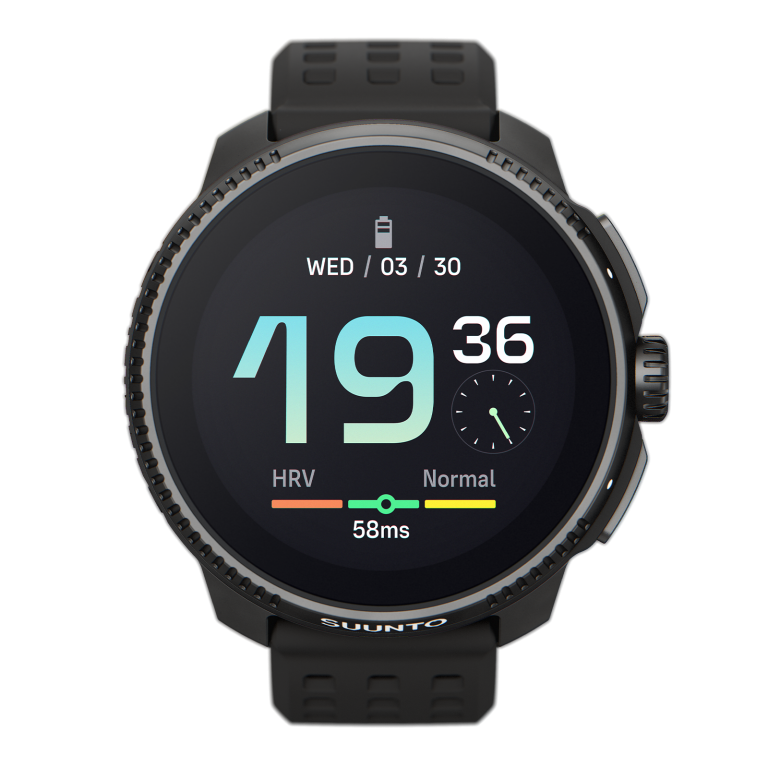
Suunto Race: AMOLED Performance Watch With Dual Band GPS, Free Maps, and Advanced HRV Training
Suunto’s performance focused watch combines a vibrant AMOLED display with dual band GPS, free offline maps, and HRV driven training analytics at $349 to $549, challenging premium competitors on both…
Levels Health: The CGM Platform Turning Glucose Data into Metabolic Intelligence
Glucose is the universal metabolic currency. Every cell in your body runs on it. Until recently, tracking it continuously was a privilege reserved for diabetics. That is changing. Presented By…

The Daily Rounds: Longevity & Health Care Brief | May 20, 2026
🧠 Brain Gain Is Possible at Any Age — A 3-year study of 4,000 adults confirms that targeted cognitive practices produce measurable brain performance improvements from age 19 to 94. 🥗 Four-Week Diet Reverses Biological Age — University of Sydney research shows a structured dietary intervention produces epigenetic rejuvenation in older adults within a single month. 🤖 Pharma AI Goes Supercomputer-Scale — Eli Lilly's LillyPod delivers 9,000+ petaflops of AI performance, signaling a structural shift in how drugs are discovered at the molecular level. 🦠 Young Gut Bacteria Reverse Liver Aging — Transplanting youthful microbes into aging animals reduces liver damage and lowers cancer risk markers, pointing to microbiome rejuvenation as a systemic longevity strategy. 💪 Exercise Plus Creatine Is the Optimal Metabolic Aging Combination — A new review confirms synergistic blood sugar and muscle health improvements in older adults beyond what either intervention achieves alone.

Movano Evie Ring: FDA-Cleared Smart Ring Designed for Women’s Health
The first smart ring designed specifically for women’s health, featuring an open-band design that accommodates finger size fluctuations, FDA-cleared SpO2 monitoring, sleep staging, HRV, skin temperature trends, and menstrual cycle…
AI-Designed Drugs Are Entering Human Trials: Inside the Quiet Pharmaceutical Revolution of 2026
For the first time in pharmaceutical history, molecules designed almost entirely by artificial intelligence are surviving Phase 2 trials in real patients. From Insilico’s rentosertib to Isomorphic Labs’ multi-billion dollar…
