
Sleep Regularity May Matter More Than Sleep Duration for How Long You Live: What 60,977 People and Three Landmark Studies Reveal About the Dimension of Sleep Most People Ignore
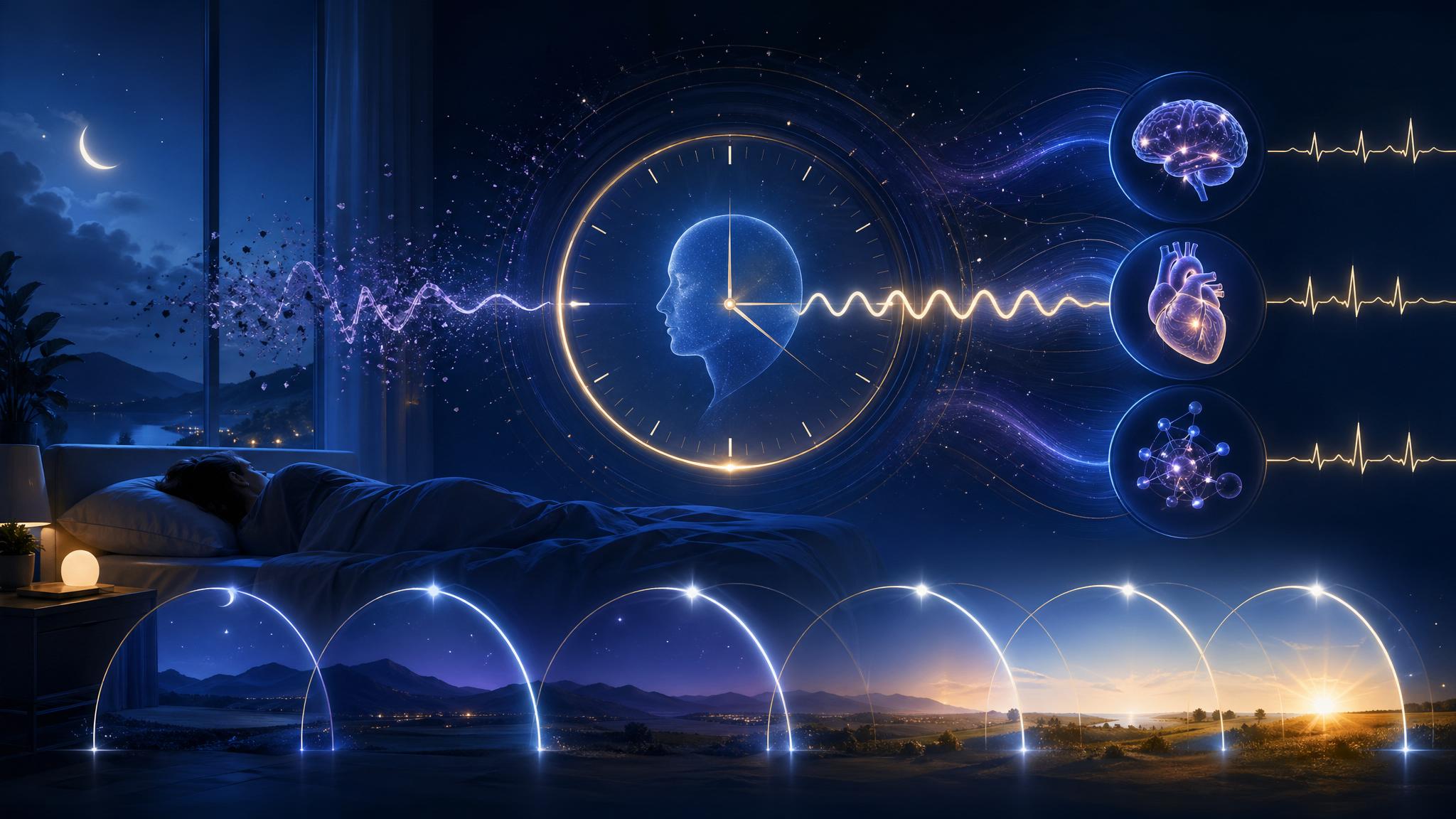
For decades, the central question in sleep science was straightforward: how many hours do you need? Seven to nine became the standard recommendation, repeated by every physician, every public health campaign, and every wellness influencer with a ring on their finger. And the recommendation was not wrong. But a growing body of evidence from the last two years suggests that we have been asking an incomplete question. The real variable that predicts whether you will die earlier or later, whether your heart will fail or hold, and whether your brain will stay sharp or erode may not be how long you sleep. It may be how consistently you sleep.
Presented By Our Partners


A landmark prospective cohort study published in the journal SLEEP in January 2024, drawing on accelerometer data from 60,977 UK Biobank participants, found that sleep regularity was a stronger predictor of all-cause mortality than sleep duration. A 2026 population-level analysis from Oregon Health and Science University found that insufficient sleep tracked more tightly with life expectancy across 3,000 U.S. counties than diet, exercise, or social isolation. And in April 2025, the American Heart Association issued its first-ever scientific statement recognizing sleep as a multidimensional construct, moving far beyond duration alone.
Together, these three studies form a new framework for understanding sleep and longevity. And the practical implications for anyone interested in living longer and living better are immediate.
The Sleep Regularity Index: 60,977 People and 10 Million Hours of Data
The study that changed the conversation was led by researchers at Brigham and Women’s Hospital and Harvard Medical School, using objective wrist-worn accelerometer data from nearly 61,000 participants in the UK Biobank. The research team, led by Lachlan Cribb and colleagues, calculated a Sleep Regularity Index (SRI) for each participant based on the day-to-day similarity of their sleep-wake patterns across a full week of continuous monitoring. The SRI captures not just whether someone went to bed and woke up at the same time, but whether their overall sleep architecture, including naps, awakenings, and fragmentation, remained consistent from one 24-hour period to the next.
The participants were followed for up to 7.8 years, during which 1,859 deaths occurred. The results were striking.
Participants in the highest quintile of sleep regularity, meaning those with the most consistent daily sleep-wake patterns, had a 30 percent lower risk of death from all causes compared to those in the lowest quintile. For cardiometabolic mortality specifically, the risk reduction was 38 percent. For cancer mortality, it ranged from 16 to 39 percent across the upper quintiles.
What made the finding genuinely novel was the head-to-head comparison. When the researchers built equivalent mortality models, sleep regularity explained 19.0 percent of the hazard reduction, compared to 12.4 percent for sleep duration and 13.1 percent for sleep efficiency. Regularity was, statistically, the single strongest sleep-related predictor of whether someone would be alive at the end of the follow-up period.
The editorial that accompanied the paper in SLEEP, titled "Consistency Is Key," noted that the finding challenged a long-standing assumption in sleep medicine. For years, the field had treated duration as the dominant metric. The SRI data suggested that the timing and consistency of sleep may be doing more biological work than the total number of hours logged.
Insufficient Sleep and Life Expectancy Across 3,000 U.S. Counties
If the UK Biobank study established the importance of regularity at the individual level, a 2026 study from Oregon Health and Science University established the importance of sleep at the population level with remarkable clarity.
Published in SLEEP Advances, the OHSU study was led by Kathryn McAuliffe, Madeline Wary, and senior author Andrew McHill, PhD, working out of the Sleep, Chronobiology and Health Laboratory within the OHSU School of Nursing. The team analyzed CDC survey data collected between 2019 and 2025, covering more than 3,000 U.S. counties, and compared the proportion of residents reporting at least seven hours of sleep per night with county-level life expectancy.
The findings were blunt. Sleep sufficiency outperformed diet, physical activity, and loneliness as a predictor of life expectancy. Only smoking showed a stronger association. In nearly every state, insufficient sleep correlated significantly with shorter lives. Neighboring counties sometimes differed by 15 percentage points in the share of residents getting adequate sleep, and those differences aligned with life expectancy gaps spanning several years.
McHill summarized the implication directly: people should strive for seven to nine hours of sleep whenever possible.
The OHSU study has important limitations. It relied on self-reported survey data and could not establish causation. It also did not capture sleep quality, regularity, or architecture. But its sheer scale and the consistency of its findings across thousands of geographically and demographically diverse counties made it one of the most compelling population-level arguments for prioritizing sleep ever published.
The American Heart Association Redefines Sleep Health
In April 2025, the American Heart Association released a scientific statement that may represent the most important institutional shift in how sleep is understood in clinical medicine. Published in Circulation: Cardiovascular Quality and Outcomes and led by Marie-Pierre St-Onge, PhD, of Columbia University and Michael Grandner, PhD, of the University of Arizona, the statement formally defined sleep health as a multidimensional construct.
The AHA identified eight distinct dimensions of sleep health: regularity and rhythmicity, satisfaction and quality, alertness and sleepiness, timing, efficiency, duration, disturbed sleep, and sleep architecture. The statement argued that evaluating any single dimension in isolation, as most clinical practice and most research had done, was insufficient. Optimal cardiometabolic health required attention to the full profile.
The specific clinical associations were sobering. Sleeping fewer than seven hours per night increased the risk of atrial fibrillation, cardiometabolic syndrome, and blunted nocturnal blood pressure dipping. Sleeping more than nine hours was also associated with increased risk of cardiometabolic syndrome, arterial stiffness, stroke, and death. Disrupted sleep continuity was linked to higher risk of atrial fibrillation, heart attack, hypertension, and insulin resistance.
Featured Partner
Invest in the Infrastructure Behind Modern Medicine
As healthcare expands beyond hospital walls, the buildings and campuses supporting that shift are generating compelling returns for investors who move early. The Healthcare Real Estate Fund offers qualified investors direct access to a curated portfolio of medical office, outpatient, and specialty care facilities.
Learn More →
The AHA had added sleep duration to its Life’s Essential 8 cardiovascular health framework in 2022. The 2025 statement made clear that duration was just the beginning. The writing group urged the medical and scientific communities to evaluate multiple facets of sleep health across the lifespan when assessing cardiometabolic risk.
For clinicians, the message was unmistakable: asking a patient how many hours they sleep is no longer enough.
Deep Sleep Is Declining, and It Matters
Among the eight dimensions the AHA identified, sleep architecture deserves particular attention. Sleep architecture refers to the structural composition of a night of sleep: the cycling between light sleep (stages N1 and N2), deep sleep (stage N3, also called slow-wave sleep), and REM sleep. Each stage serves distinct biological functions. Slow-wave sleep is when the brain clears metabolic waste, consolidates memory, repairs tissue, and releases growth hormone. REM sleep supports emotional processing, learning, and creativity.
One of the most consistent findings in sleep science is that slow-wave sleep declines with age. By middle age, most people have lost a significant fraction of the deep sleep they had in their twenties. By older age, some individuals have almost none. This decline is not benign. Research has consistently associated decreased slow-wave sleep and decreased sleep efficiency with hypertension incidence, cardiovascular events, and increased all-cause mortality.
A deep-learning study using polysomnography data found that each 10-year increment in a person’s estimated "sleep age" beyond their chronological age was associated with a 29 percent increase in all-cause mortality. The difference between a sleep age 10 years younger and 10 years older than chronological age translated to an estimated 8.7 years of life expectancy. Greater sleep age was primarily reflected in increased sleep fragmentation, reinforcing the importance of both architecture and continuity.
Research on centenarians and the "oldest old" has found that the maintenance of slow-wave sleep, regular sleep patterns, and favorable lipid profiles tend to co-occur. The relationship between sleep, circadian rhythm, and metabolism suggests that preserving deep sleep may be one of the most underappreciated components of healthy aging.
Circadian Alignment: The Missing Piece
The AHA’s 2025 statement also addressed circadian health directly. In a companion scientific statement published in Circulation in October 2025, titled "Role of Circadian Health in Cardiometabolic Health and Disease Risk," the AHA reviewed the evidence that circadian disruption, independent of sleep duration or quality, contributes to metabolic dysfunction.
The circadian system regulates 24-hour rhythms across virtually every physiological process in the body, from hormone secretion to immune function to gene expression. When that system is disrupted, whether by shift work, irregular meal timing, late-night light exposure, or erratic sleep schedules, the downstream metabolic consequences are profound.
A January 2026 study published in Cells demonstrated that time-restricted feeding in a mouse model induced circadian rhythmicity in previously arrhythmic liver genes. Genes involved in autophagy, fatty acid metabolism, and protein breakdown began expressing in coherent, timed waves, suggesting that meal timing alone could restructure metabolic gene networks. A 2025 systematic review in Frontiers in Physiology extended this by showing that short-chain fatty acids produced by the gut microbiome, specifically propionate, acetate, and butyrate, modulated the expression of peripheral circadian clock genes including PER1, PER2, BMAL1, CRY1, and CRY2.
The practical implication is that your circadian clock is not just set by light. It is set by when you eat, when you move, and what your gut bacteria are producing. And when those signals are misaligned, the metabolic consequences ripple outward into glucose intolerance, lipid dysregulation, inflammation, and cardiovascular risk.
Exercise as a Sleep Architecture Intervention
If deep sleep declines with age and circadian alignment matters for metabolic health, the natural question becomes: what can you actually do about it?
The 2025 research on exercise and sleep architecture provides one of the most actionable answers in recent science.
A network meta-analysis published in BMC Geriatrics in 2025, involving 62 randomized controlled trials and 5,005 older adults, found that combined aerobic and resistance training was the optimal exercise prescription for improving sleep quality in older populations. Clinically meaningful improvements were observed in as little as five weeks.
A randomized controlled trial published in Psychology of Sport and Exercise in 2025 studied a 12-week resistance training program in older women and found significant improvements in subjective sleep quality, cognitive function, mental health, and functional capacity, regardless of initial sleep quality. In participants who started with poor sleep, Pittsburgh Sleep Quality Index scores dropped from 7.26 to 4.61, a clinically meaningful improvement.
A separate meta-analysis found that structured exercise increased slow-wave sleep duration, with interventions performed four or more times per week showing the greatest effect on deep sleep. The mechanisms include modulation of the sympathetic nervous system, reduction of inflammatory biomarkers including IL-6 and TNF-alpha, and increased expression of brain-derived neurotrophic factor (BDNF), all of which support the neural conditions required for consolidated slow-wave sleep.
The consistency of these findings is notable. Across multiple study designs, populations, and intervention protocols, the message is the same: structured physical activity, particularly when it includes resistance training, is one of the most effective non-pharmacological tools for protecting and restoring the deep sleep that declines with age.
The Gut-Sleep-Circadian Axis
One of the more surprising threads in the 2025 literature is the emerging connection between the gut microbiome, circadian gene expression, and sleep quality. Research has shown that the gut microbiome operates on its own circadian rhythm, and that disruptions to microbial timing, whether from erratic eating, antibiotic use, or chronic stress, can desynchronize peripheral clocks throughout the body.
The short-chain fatty acids produced by fiber fermentation in the gut, particularly butyrate, appear to serve as molecular time cues for tissues far from the digestive tract, including the liver, kidneys, and potentially the brain. A 2025 review in the Journal of Genetics and Genomics described how metabolites generated from intestinal microbial metabolism and nutrient intake serve as time cues that drive changes in circadian rhythms, which in turn influence metabolism and aging.
This means that what you eat, and when you eat it, may directly affect the circadian signals your body uses to regulate sleep architecture. A high-fiber diet that supports butyrate-producing bacteria, consumed within a consistent daily window, may reinforce the very circadian rhythms that protect deep sleep. Conversely, a low-fiber, high-processed diet consumed at irregular hours may undermine those rhythms, even in someone who technically logs enough hours of sleep.
What This Means For Your Practice
The research converging in 2025 and 2026 points to a fundamental reframing of how we should think about sleep. Duration matters, but it is only one of at least eight dimensions that predict health outcomes. For anyone serious about longevity, metabolic health, and cardiovascular resilience, here are the concrete action items the science now supports.
Prioritize consistency over duration. The UK Biobank data showed that a regular sleep-wake schedule was a stronger predictor of survival than total hours slept. Set a consistent bedtime and wake time, including on weekends. A 30-minute window of variability is a reasonable target. If you use a wearable that tracks sleep regularity, pay attention to that metric at least as closely as you track total sleep time.
Protect your deep sleep with exercise. Resistance training, either alone or combined with aerobic activity, is the most evidence-supported intervention for maintaining slow-wave sleep as you age. Aim for structured strength training three to four times per week. Morning or early afternoon sessions are ideal for circadian alignment.
Align your meals with your circadian clock. The time-restricted feeding and gut-circadian research suggest that eating within a consistent 10 to 12-hour daily window, and avoiding food in the two to three hours before bed, supports the circadian signals that regulate sleep architecture. A high-fiber diet that feeds butyrate-producing gut bacteria reinforces those signals further.
Control your light environment. The AHA’s circadian health statement specifically recommended morning bright light exposure and avoidance of light at night. Get at least 10 to 15 minutes of outdoor light within the first hour of waking. After sunset, dim indoor lighting and limit screens, or use blue-light filtering if screens are unavoidable.
Track more than hours. If you use a wearable device, look beyond total sleep time. Devices like the Oura Ring, Apple Watch, and Whoop now report sleep regularity, deep sleep percentage, and HRV trends during sleep. These metrics map directly onto the dimensions the AHA has identified as clinically meaningful. Use them to identify patterns, not just totals.
Address sleep fragmentation. If you consistently wake multiple times per night, the underlying cause matters more than the total time in bed. Common and addressable factors include evening alcohol, caffeine after noon, an overheated bedroom, untreated sleep apnea, and chronic stress. The AI-based sleep age research showed that fragmentation was the primary driver of accelerated sleep aging.
The era of treating sleep as a single number is ending. The science now makes clear that how you sleep, when you sleep, and how consistently you sleep are at least as important as how long you sleep. The fundamentals have not changed. What has changed is our understanding of how deeply they are interconnected, and how much of the control is still in your hands.


Similar Posts

Peloton Guide: Camera-Based Strength Tracking and the Future of Connected Fitness
A camera-based movement tracker that brings AI form feedback to your living room. Can a $295 device with no resistance hardware change how people strength train at home? Presented By…
Biolinq Shine: First FDA-Cleared Needle-Free Glucose Sensor with Color-Coded LED Display
The first wearable glucose sensor to receive FDA de novo clearance without using a needle or filament, employing a microsensor array that sits in the uppermost skin layers to provide…

The Wearable That Rewires Walking: How Cionic’s Neural Sleeve 2 Is Redefining Neurological Mobility
A former Apple and Jawbone engineer built the first FDA-cleared wearable that simultaneously activates muscles and relaxes spasms, giving millions with MS, stroke, cerebral palsy, and spinal cord injuries the…

The Grip Strength Signal: What 30 Years of Research Reveals About the Most Underrated Longevity Biomarker and How to Build It
A two dollar handheld dynamometer can predict mortality better than blood pressure in millions of people across 17 countries. Inside the Leong PURE cohort, the Saeidifard and Stamatakis meta-analyses, the…
Google Pixel Watch 2: Continuous Stress Monitoring and Loss of Pulse Detection
Chronic stress kills slowly and silently, remodeling the cardiovascular system, suppressing immune function, and accelerating every major disease of aging. A smartwatch that measures it continuously could change the way…

Anthropic Just Bought a Drug Discovery Startup for $400M. Here Is What It Means for Healthcare AI.
A foundation model company just paid $400 million in stock for a team of fewer than 10 people. The implications for drug discovery, precision medicine, and the entire healthcare AI…
