
The Gut-Joint Axis Proves Its Case: A Daily Fiber Supplement Reduced Knee Arthritis Pain in Six Weeks
A randomized controlled trial from the University of Nottingham has delivered a striking result: a simple, daily prebiotic fiber supplement reduced knee osteoarthritis pain in six weeks, rivaled the effects of a digital physiotherapy program, and did so through a mechanism that links gut bacteria directly to joint health.
Presented By Our Partners



Knee osteoarthritis affects approximately 607 million people worldwide, making it one of the most common and most disabling conditions in aging populations. Current treatment options are limited: anti-inflammatory drugs carry long-term gastrointestinal and cardiovascular risks, corticosteroid injections lose efficacy over time, and exercise programs, however effective in principle, suffer from notoriously high dropout rates. Knee replacement remains the endpoint for many patients. Against this backdrop, a randomized controlled trial published in the journal Nutrients in February 2026, and highlighted by ScienceDaily on July 24, 2026, has added a genuinely unexpected tool to the conversation: inulin, a prebiotic dietary fiber found in chicory root, Jerusalem artichokes, and garlic, taken at 20 grams per day for six weeks.
The findings are clinically meaningful. And the mechanism they reveal, which runs through the gut microbiome, short-chain fatty acid production, and a hormone best known for its role in blood sugar regulation, is reshaping how researchers think about inflammation, pain, and the connection between digestive health and musculoskeletal disease.
The INSPIRE Trial: What Researchers Found
The lIfestyle iNterventionS for PaIn ReliEf (INSPIRE) trial was a 2×2 factorial randomized controlled study led by researchers at the University of Nottingham. It enrolled 117 community-dwelling adults with diagnosed knee osteoarthritis and randomized them into four groups: inulin alone (20 grams per day), a digitally delivered physiotherapy exercise program alone, a combination of both, and a maltodextrin placebo control. The intervention lasted six weeks.
The primary outcome was change in knee pain measured using the Numerical Rating Scale (NRS), a validated tool used widely in musculoskeletal research. Both the inulin group and the physiotherapy group achieved pain reductions that exceeded the minimum clinically important difference, the threshold below which a result is considered statistically significant but not necessarily meaningful to the patient. The inulin group showed a mean baseline-adjusted improvement of 1.11 points on the NRS; the physiotherapy group achieved 1.55 points. In practice, that gap is modest, and clinicians typically consider reductions of 1 point or more to be clinically meaningful.
But the secondary findings are where the trial becomes particularly compelling. Participants taking inulin showed improved grip strength, a key functional marker of overall musculoskeletal health and a well-established predictor of mortality risk in older adults. They also demonstrated lower pain sensitivity, measured through standardized pressure pain thresholds, suggesting the supplement was modulating the nervous system’s response to pain signals, not merely masking them at the site of the joint.
Perhaps most practically significant: the inulin group had a dropout rate of just 3.6% over six weeks. The physiotherapy group’s dropout rate was 21%. This gap matters enormously in real-world clinical settings. A dietary supplement that produces clinically meaningful results and that nearly everyone actually takes is, in many ways, more valuable than an equally effective treatment that most patients abandon.
607 Million People, Too Few Solutions
Knee osteoarthritis is not a niche problem. Global Burden of Disease data published in peer-reviewed literature estimates that by 2021, the condition had become one of the leading contributors to years lived with disability worldwide, particularly among women and populations aged 55 and older. By 2035, projections suggest the total number of cases will continue rising, driven not primarily by rising incidence rates but by the sheer growth and aging of the global population.
The current standard of care reflects a condition science has struggled to treat at its root. Non-steroidal anti-inflammatory drugs (NSAIDs) reduce inflammation and pain but carry cumulative risks with long-term use. Intra-articular corticosteroid injections provide temporary relief but do not slow cartilage degradation and may, over repeated administrations, actually accelerate joint damage. Lifestyle interventions, including weight management, resistance training, and physiotherapy, remain the most durable options but face adherence challenges. Disease-modifying osteoarthritis drugs (DMOADs) have been an active area of pharmaceutical research for decades, and no fully validated agent yet exists.
The INSPIRE trial’s inulin result does not propose to replace any of these approaches. What it suggests is that the gut microbiome may represent an underexplored lever in this disease, and that pulling that lever through dietary means is feasible, safe, and clinically meaningful.
The Gut-Joint Axis: A Mechanism Science Is Rapidly Validating
The phrase “gut-joint axis” has moved from speculative biology to peer-reviewed consensus in a surprisingly short period. A review published in Nature Reviews Rheumatology in 2026 titled “The gut-joint axis in osteoarthritis” formalized the framework, drawing on an accumulating body of evidence that gut microbial composition influences systemic inflammation, metabolic signaling, and cartilage health.
The foundational mechanism is well-established. Gut bacteria ferment dietary fiber, particularly prebiotic fiber like inulin, producing short-chain fatty acids (SCFAs) as byproducts. The primary SCFAs are acetate, propionate, and butyrate. These molecules do far more than feed the colonocytes lining the colon. They bind to G-protein-coupled receptors throughout the body, modulate immune cell behavior, reduce systemic inflammatory cytokine production, and, critically, stimulate enteroendocrine L-cells in the intestinal wall to secrete glucagon-like peptide-1 (GLP-1).
Featured Partner
Invest in the Infrastructure Behind Modern Medicine
As healthcare expands beyond hospital walls, the buildings and campuses supporting that shift are generating compelling returns for investors who move early. The Healthcare Real Estate Fund offers qualified investors direct access to a curated portfolio of medical office, outpatient, and specialty care facilities.
Learn More →
A landmark study published in Science in 2025, titled “Osteoarthritis treatment via the GLP-1-mediated gut-joint axis targets intestinal FXR signaling,” provided one of the first mechanistic maps of this pathway in the context of joint disease. The research showed that when the farnesoid X receptor (FXR), a bile acid receptor in the intestinal wall, is modulated, it increases the number of GLP-1-secreting enteroendocrine cells. The resulting GLP-1 enters the bloodstream and reaches cartilage-producing chondrocytes in the joint, where it exerts protective effects on cartilage integrity.
This is a significant scientific advance. It means the gut is not just passively associated with joint health through inflammation markers. There is a specific, molecularly traceable pathway from gut microbial activity to GLP-1 secretion to chondrocyte protection. The INSPIRE trial’s mechanistic findings align with this model: participants taking inulin showed elevated butyrate and GLP-1 levels compared to placebo, and higher GLP-1 was specifically associated with improved grip strength, suggesting the hormone was exerting systemic effects on muscle and connective tissue health.
The GLP-1 Connection You Did Not See Coming
GLP-1 has dominated pharmaceutical news cycles because of its role in drugs like semaglutide and tirzepatide for weight loss and type 2 diabetes management. The receptor agonist class has shown benefits far beyond blood sugar control, including cardiovascular protection, reductions in systemic inflammation, and emerging evidence of effects on neurodegenerative disease risk.
The INSPIRE trial’s finding that dietary fiber elevates endogenous GLP-1 production adds a new dimension to this story. Pharmaceutical GLP-1 agonists work by mimicking the hormone’s action at receptors throughout the body. The gut-joint axis research suggests the body can be induced to produce more of this hormone naturally, through dietary means, and that this dietary pathway produces measurable effects on joint health within a six-week window.
The research from Science (2025) and the Nature Reviews Rheumatology review (2026) both point to GLP-1 as a key mediator in how gut microbial signals are translated into anti-inflammatory and tissue-protective effects at distant anatomical sites. A 2026 study published in The Lancet Rheumatology confirmed that GLP-1 peptide and the enzyme that degrades it (DPP-4) are both detectable in synovial fluid, the lubricating fluid inside joints. GLP-1 is not merely passing through; it is active at the joint itself.
This does not mean a fiber supplement can replace pharmaceutical GLP-1 agonists for patients who need them. What it suggests is that optimizing gut microbial activity through dietary choices may contribute meaningfully to joint health as part of a broader musculoskeletal wellness strategy, and that the same hormonal pathways driving the pharmaceutical revolution in metabolic disease are also accessible through foundational nutrition choices.
Inulin: What It Is and Where to Find It
Inulin is a fructan, a class of polysaccharide that the human digestive system cannot break down directly. Because human gut enzymes lack the capacity to hydrolyze inulin’s beta-glycosidic bonds, it passes intact into the large intestine, where it is selectively fermented by beneficial bacterial species including Bifidobacterium and Lactobacillus strains. This fermentation is what produces the butyrate and other SCFAs the INSPIRE trial measured.
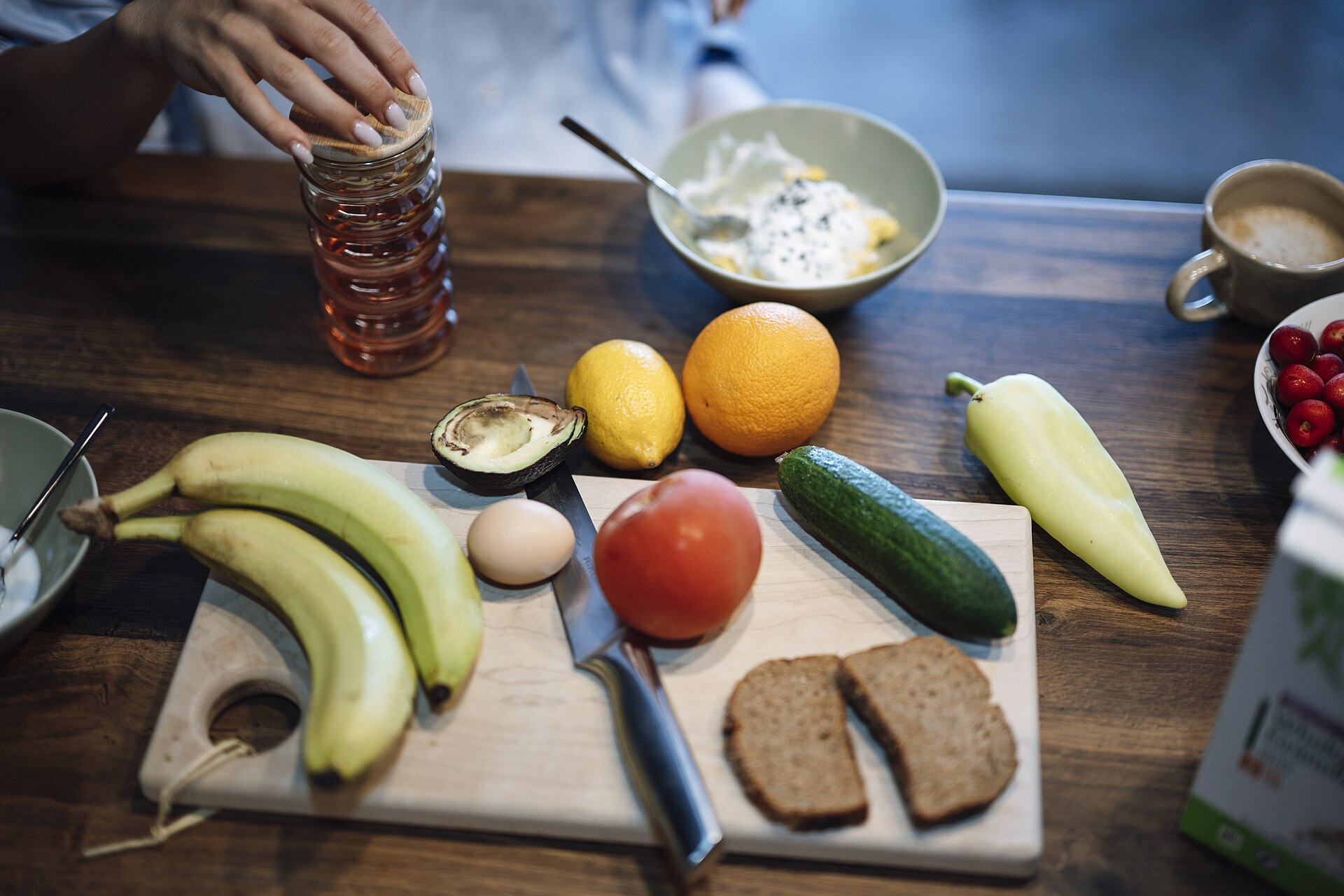
Inulin is naturally abundant in several common foods: chicory root contains the highest concentration (around 41.6% dry weight), followed by Jerusalem artichokes, garlic, leeks, onions, asparagus, and bananas. It is also widely available as a dietary supplement, typically derived from chicory, in powder form.
The INSPIRE trial used 20 grams per day, which is substantially higher than typical dietary intake but within ranges studied in other gut microbiome research. At this dose, some participants experience transient bloating or gas as the microbiome adjusts. This effect typically diminishes within one to two weeks as microbial populations adapt. The trial’s exceptionally low dropout rate (3.6%) suggests that at this dose level, most participants found the supplement tolerable and manageable over the six-week duration.
Inulin supplements are widely available and relatively inexpensive compared to most pharmacological options. This accessibility is clinically relevant: a meaningful intervention that most people can afford and that most people will actually use over time is, from a population health standpoint, a very significant finding.
Resistance Training, Gut Health, and the Bigger Picture
The INSPIRE trial’s results do not exist in isolation. They land alongside a growing body of research suggesting that movement and gut health are mutually reinforcing in ways science is only beginning to map systematically. Exercise alters gut microbial composition, increases microbial diversity, and has been shown to elevate SCFA-producing bacterial populations independently of diet. Resistance training in particular has established links to GLP-1 secretion and gut microbiome modulation, which may help explain some of its well-documented systemic anti-inflammatory effects.
A 2026 study published in eGastroenterology found that both exercise and time-restricted eating reduce liver fat by lowering levels of a small molecule called miR-802, a finding that illustrates how the gut, liver, and metabolic system interact in response to lifestyle inputs. The convergence of these findings points toward a model in which gut health is not a separate domain of wellness but a central regulatory hub through which nutrition, movement, sleep quality, and metabolic function are all mediated.
For aging adults, the implications of the INSPIRE trial’s grip strength finding deserve particular attention. Grip strength is one of the most robust predictors of all-cause mortality in older adults, outperforming many traditional clinical biomarkers. It serves as a proxy for overall musculoskeletal integrity and functional reserve. A supplement that improves grip strength as a secondary effect of its gut-mediated GLP-1 elevation is doing something more than reducing pain. It is strengthening a system whose decline correlates with accelerated aging and earlier death.
Limitations to Keep in Mind
The INSPIRE trial is a strong piece of evidence, but it has limits that honest reporting requires acknowledging. The study enrolled 117 participants across four groups, making the individual arms relatively small. The trial lasted six weeks, which is insufficient to evaluate long-term effects on cartilage integrity, disease progression, or joint replacement outcomes. The primary measurement of pain was self-reported, introducing the possibility of placebo response, although the magnitude of grip strength and pain sensitivity improvements suggests genuine physiological effects beyond expectation alone.
The gut microbiome findings were exploratory, meaning the study was not powered to definitively establish the SCFA-GLP-1 pathway as causal in humans at this dose. That mechanistic chain is supported by substantial converging evidence from other research, including the Science and Nature Reviews Rheumatology papers, but the INSPIRE trial itself does not close the causal loop. Larger, longer trials are needed.
Finally, the 20-gram daily inulin dose used in the trial is higher than typical supplementation protocols. Whether lower doses produce similar effects, and whether effects accumulate over longer periods beyond six weeks, remain open questions.
What This Means For You
If you or someone you care for lives with knee osteoarthritis, the INSPIRE trial’s results deserve attention alongside any conversation you have with a rheumatologist or primary care physician. Inulin supplementation at 20 grams per day is safe, inexpensive, widely available, and now backed by an adequately powered randomized controlled trial showing pain reduction equivalent to digital physiotherapy, with a fraction of the dropout rate.
More broadly, this research reinforces a principle at the core of the Healthcare Discovery framework: the gut microbiome is not a peripheral concern in health optimization. It is a central regulatory system that influences pain, inflammation, hormonal signaling, muscle function, and metabolic health. Prioritizing dietary fiber from diverse plant sources, including naturally inulin-rich foods like garlic, onions, leeks, asparagus, and Jerusalem artichokes, is one of the most evidence-supported and accessible ways to support that system.
The connection to GLP-1, one of the most consequential hormones in modern medicine, is not accidental. The gut is a GLP-1 production facility, and dietary fiber is its primary input. Every meal that includes substantial prebiotic fiber is, in a meaningful biochemical sense, a choice to support the same hormonal pathway that the most successful class of pharmaceutical metabolic treatments is designed to enhance.
Resistance training, as the evidence increasingly confirms, amplifies this effect. The combination of adequate dietary fiber and regular movement creates conditions in the gut and throughout the body that reduce chronic inflammation, protect cartilage, support muscle integrity, and lower the systemic inflammatory burden that accelerates aging across every tissue system.
Osteoarthritis has long been framed as an inevitable consequence of age and mechanical wear. The INSPIRE trial and the science behind the gut-joint axis suggest it is also, at least in part, a metabolic and microbial disease, one that responds to metabolic and microbial interventions. That is a fundamentally more hopeful picture than the current standard of care implies.
Sources: INSPIRE trial, Nutrients, February 2026; “Osteoarthritis treatment via the GLP-1-mediated gut-joint axis targets intestinal FXR signaling,” Science, 2025; “The gut-joint axis in osteoarthritis,” Nature Reviews Rheumatology, 2026; Global Burden of Disease Study 2021; ScienceDaily, July 24, 2026.


Similar Posts

The Machine That Learned to Read the Immune System
Harvard’s COMPASS model uses tumor gene activity to map cancer immunotherapy response, translating thousands of gene-expression signals into interpretable immune concepts.

Upright GO 2 Posture Trainer: Wearable Biofeedback for Spinal Alignment
The average office worker spends over 10 hours per day seated. The cumulative biomechanical toll of that posture, compounded across years and decades, is one of the most underappreciated threats…

The Daily Rounds: Longevity & Health Care Brief | March 30, 2026
❤️ New ACC/AHA guidelines recommend cardiovascular screening starting at age nine and statin consideration at 30, with evolocumab cutting first heart attacks by 31 percent in diabetes patients. 🤖 Eli Lilly's $2.75 billion deal with Insilico Medicine marks the largest AI drug discovery partnership ever, as over 173 AI-discovered drugs advance through clinical trials toward the first potential FDA approval. 🦠 A gut bacteria compound called Bac429 doubled cancer immunotherapy response in resistant lung tumors and is now being prepared for human testing. 😴 A study of nearly 39,000 adults proved that combining morning sunlight, time-restricted eating, Zone 2 exercise, and five minutes of breathwork significantly improves sleep, fitness, and nervous system resilience. ⛰️ Multi-biomarker wearables combining glucose, heart, temperature, and activity sensing are launching in 2026, while the first needle-free CGM has received FDA clearance.
A Nasal Spray That Reverses Brain Aging: The Texas A&M Breakthrough Reshaping Alzheimer’s Research
A two-dose nasal spray built from human neural stem cell-derived particles silenced the inflammation signals that drive cognitive decline, restored memory in aged mice, and is now being positioned for…
Bello 2 Fat Scanner: Handheld NIR Device for Localized Body Fat Measurement
The fat you can see is not the fat that kills you. A handheld scanner that peers beneath the skin surface is trying to change how we measure the difference….
Cellular Reprogramming Reaches the Clinic: Inside ER-100, the First Human Trial to Rewind Aging Inside the Eye
The FDA has cleared ER-100, the first cellular rejuvenation therapy using partial epigenetic reprogramming to reach human trials. Here is what the science actually shows, why researchers started in the…
