
Curcumin Side Effects: The Science vs the Hype in 2026
In trials curcumin is one of the gentler supplements. Outside trials, it has a liver injury record the label never mentions.
Presented By Our Partners


The US Drug-Induced Liver Injury Network adjudicated 10 cases of turmeric-associated liver injury between 2004 and 2022, of whom 5 were hospitalized, 1 died of acute liver failure, and 7 carried the HLA-B*35:01 genetic variant (PMID 36252717). The same compound, inside randomized trials, produced fewer adverse events than NSAIDs across 15 osteoarthritis RCTs (PMID 34017975). Both statements are true, and the gap between them is the subject of this page.
What the trials report
The randomized trial record is reassuring. The 2021 osteoarthritis meta-analysis of 15 RCTs (n=1,621) found fewer adverse events with curcumin than NSAIDs (PMID 34017975). The 2019 analysis of 5 studies found a side effect rate not higher than ibuprofen (PMID 30772789). The 2022 meta-analysis of 29 RCTs (n=2,396) across arthritis types judged curcumin safe (PMID 35935936). A 2022 polyphenol meta-analysis found curcumin improved liver enzymes and lipids in fatty liver disease without more adverse events than placebo (PMID 36159792), and a 2023 review of 8 nano-curcumin trials (n=569) reported no major adverse effects (PMID 36799442). Gastrointestinal complaints, nausea, diarrhea and yellow stool are the recurring minor findings across this literature. If trials were the whole story, curcumin would be among the safest supplements graded.
What the case series report
Trials of a few hundred people over 4 to 16 weeks cannot detect a harm that occurs in a small fraction of users after 1 to 4 months. That is what pharmacovigilance is for, and the DILIN series is the clearest signal. Across the 10 adjudicated cases, median age was 56, most were women, latency ran 1 to 4 months, and chemical analysis confirmed turmeric in all 7 products tested, 3 of which also contained piperine (PMID 36252717). Herbal and dietary supplements now account for about 20 percent of DILIN liver injury cases, with turmeric among the implicated agents (PMID 39136211). An Italian cluster of about 27 cases in 2019 preceded the US series, and the NIH LiverTox database carries a turmeric record. The NIH NCCIH fact sheet now states that liver injury has been reported with some higher-absorption products.
Featured Partner
Invest in the Infrastructure Behind Modern Medicine
As healthcare expands beyond hospital walls, the buildings and campuses supporting that shift are generating compelling returns for investors who move early. The Healthcare Real Estate Fund offers qualified investors direct access to a curated portfolio of medical office, outpatient, and specialty care facilities.
Learn More →
| Source | Population | Safety finding | Limit |
|---|---|---|---|
| PMID 34017975 (2021 meta-analysis) | 15 RCTs, n=1,621, osteoarthritis | Fewer adverse events than NSAIDs | Weeks-long trials cannot detect rare harm |
| PMID 35935936 (2022 meta-analysis) | 29 RCTs, n=2,396, arthritis | Judged safe | Low trial quality |
| PMID 36799442 (2023 review) | 8 trials, n=569, nano-curcumin in COVID-19 | No major adverse effects | Small trials; narrative review |
| PMID 36252717 (2023 DILIN case series) | 10 adjudicated US liver injury cases, 2004 to 2022 | 5 hospitalized, 1 death, 7 of 10 HLA-B*35:01 carriers; 3 of 7 tested products contained piperine | Incidence per user unknown |
| PMID 39136211 (2024) | DILIN registry | Herbal and dietary supplements about 20 percent of liver injury cases; turmeric among implicated agents | Registry, not population denominator |
The bioavailability connection
The liver cases cluster in the modern era of enhanced-absorption products. Piperine raised curcumin bioavailability about 20-fold in a 1998 human pharmacokinetic study (PMID 9619120), and water-dispersible, phytosome and nano forms raise plasma levels further. Whether higher systemic exposure drives the liver signal is unproven, but 3 of the 7 chemically tested products in the DILIN series contained piperine, and the NCCIH fact sheet ties its liver injury note to higher-absorption formulations. The claim scored here, that curcumin is natural and safe for long-term daily use with no liver risk, is graded contradicted: the case adjudication is the appropriate verifier for rare harm, and it found harm.
Interactions that matter
Beyond the liver, curcumin inhibits platelet aggregation and has case reports of raised INR with warfarin; it lowers endoxifen, the active metabolite of tamoxifen, in a crossover study of 16 breast cancer patients; it inhibits the BCRP transporter, raising sulfasalazine exposure 2 to 3 fold; and it stimulates gallbladder contraction, about 50 percent emptying after 40 mg in a human ultrasound study, which matters for people with gallstones. Piperine-enhanced products add inhibition of CYP3A4 and P-glycoprotein, affecting tacrolimus, cyclosporine, phenytoin, propranolol, theophylline and some statins.
What we do not know
Incidence of liver injury per user is unknown because there is no denominator. Whether piperine or high-bioavailability forms raise the risk is suggested but unproven. Long-term trials beyond 12 months are scarce. HLA-B*35:01 testing is not part of routine care, so most people in the at-risk group do not know they are in it.
Doses used in studies
These are doses reported by the named sources, not recommendations.
| Source | Dose reported | Context |
|---|---|---|
| PMID 35935936 | 120 mg to 1,500 mg per day for 4 to 36 weeks | 29 RCTs; judged safe within trials |
| NIH NCCIH turmeric fact sheet | No dose listed; notes liver injury reports with some higher-absorption products | US federal consumer summary |
| Thorne Meriva-SF label | 1,000 mg curcumin phytosome per day | Retail label for an enhanced-absorption product |
The complete interaction table with sources and all ten HYPE Index scores are in the hub: Curcumin Review 2026: Evidence Grade, Best Form, Side Effects. The absorption claims behind the enhanced products are examined in Does Curcumin Need Black Pepper?


Similar Posts
Fitbit Sense 2 Sleep Tracking Review: Discontinued but Still Useful
The Fitbit Sense 2 is a discontinued Google smartwatch whose sleep tracking still works. Good for duration and regularity, weaker on deep sleep and stages.
The Zone 2 Reckoning: What the 2025 Evidence Really Says About Slow Cardio and Longevity
For three years Zone 2 has been sold as the optimal longevity cardio. A July 2025 Sports Medicine review pushed back. Inside what the evidence actually shows about slow cardio,…
The Daily Rounds: Longevity & Health Care Brief | June 1, 2026
🧠 Alzheimer's Inflammation Switch Identified — Scripps Research maps the exact cysteine 148 site on the STING protein where S-nitrosylation triggers neuroinflammation, revealing a concrete small-molecule drug target. 🧠 Nasal Spray Reverses Brain Aging — Texas A&M's neural stem cell-derived particles reduce neuroinflammation and restore memory in aged mice for months after just two doses. ❤️ Ozempic Works Powerfully in Adults Over 65 — A new analysis confirms 15 percent-plus body weight loss and strong cardiovascular gains in older adults, reshaping GLP-1 prescribing for elderly patients. 🦠 Gut Bacteria Inject Proteins Into Human Immune Cells — Common gut microbes use type III secretion systems to directly modulate host immunity, overturning a foundational assumption in microbiome science. 😴 Sleep Regularity Trumps Sleep Duration — Actigraphy data spanning 6.8 years links irregular sleep timing to over 20 percent of the risk burden for 92 distinct diseases.
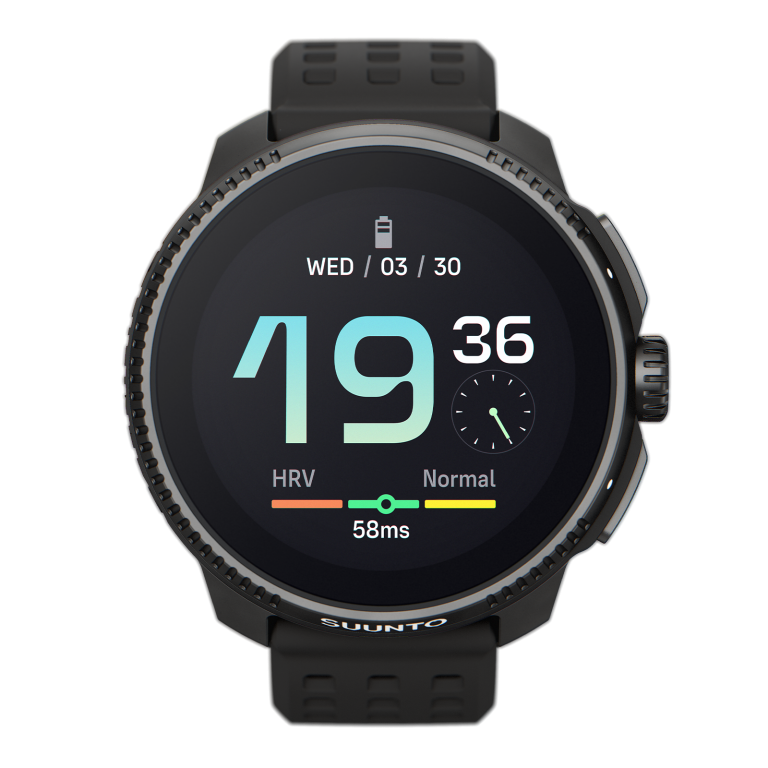
Suunto Race: AMOLED Performance Watch With Dual Band GPS, Free Maps, and Advanced HRV Training
Suunto’s performance focused watch combines a vibrant AMOLED display with dual band GPS, free offline maps, and HRV driven training analytics at $349 to $549, challenging premium competitors on both…
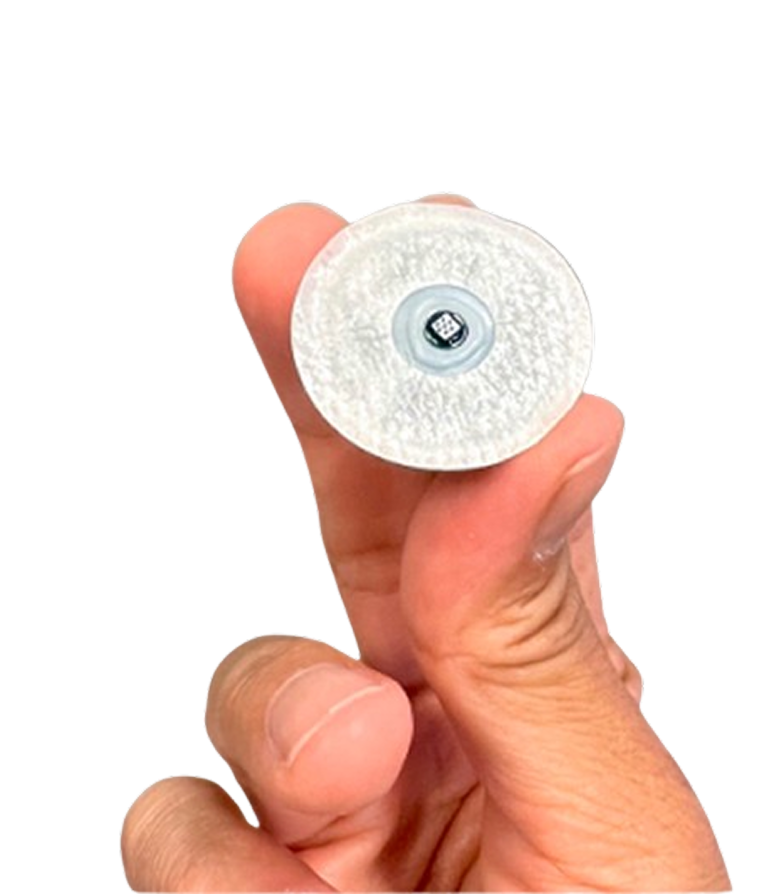
Biolinq Shine Review: Needle-Free Glucose Sensor, Price, FDA Status
The Biolinq Shine is an FDA-authorized needle-free glucose patch that signals ranges by color. Promising, but price, labeled use and accuracy data are unconfirmed.

The Four Villains of Health and Longevity
Four diseases will kill almost everyone you love. They are not random. They are not inevitable. And they are coming. The framework, science, and tools for the fight ahead.
