
Does Curcumin Match Ibuprofen? Moderate Evidence, 5 Studies Reviewed
Head-to-head, curcumin kept pace with ibuprofen on pain over weeks, in trials too small and too short to settle a swap.
Presented By Our Partners


In a 2019 meta-analysis of 5 studies (n=599) in osteoarthritis, curcumin improved WOMAC scores by a standardized 0.96 and visual analogue pain by 1.65 versus placebo, with a side effect rate not higher than ibuprofen (PMID 30772789), and a larger 2021 analysis of 15 RCTs (n=1,621) found curcumin matched NSAIDs for pain with fewer adverse events (PMID 34017975). That is the evidence behind the “natural ibuprofen” claim. It is moderate evidence, it is real, and it comes from non-inferiority style comparisons over weeks, not from trials designed to show one is better.
What the head-to-head comparisons show
Two independent syntheses reached the same reading. The 2021 meta-analysis pooled trials of curcumin or Curcuma longa extract alone or alongside NSAIDs and found curcumin matched NSAIDs for pain relief with fewer adverse events; the authors also noted that use longer than 12 weeks was associated with benefit (PMID 34017975). The 2019 analysis, whose search ended in November 2015, found 5 studies and reported that curcumin’s side effect rate was not higher than ibuprofen’s (PMID 30772789). A 2016 analysis of 3 to 5 studies per outcome found no difference between turmeric or curcumin and pain medication, with pain falling 2.04 points on a 10-point scale versus placebo (PMID 27533649). The comparison is consistent across reviews. It is also drawn from a small number of trials, several of which appear in all three syntheses, so three meta-analyses agreeing is less independent confirmation than it looks.
Featured Partner
Invest in the Infrastructure Behind Modern Medicine
As healthcare expands beyond hospital walls, the buildings and campuses supporting that shift are generating compelling returns for investors who move early. The Healthcare Real Estate Fund offers qualified investors direct access to a curated portfolio of medical office, outpatient, and specialty care facilities.
Learn More →
| Comparison | Source | Pain result | Adverse events | Duration |
|---|---|---|---|---|
| Curcumin versus NSAIDs | PMID 34017975, 15 RCTs | Matched NSAIDs for pain | Fewer with curcumin | Most trials 4 to 16 weeks |
| Curcumin versus ibuprofen | PMID 30772789, 5 studies, n=599 | WOMAC SMD 0.96 and VAS SMD 1.65 versus placebo | Not higher than ibuprofen | Short term |
| Turmeric or curcumin versus pain medicine | PMID 27533649, 3 to 5 studies | No difference from pain medication | Not reported in abstract | Short term |
What a swap would and would not mean
The HYPE Index pattern here is swap, and the question is what each side of the trade carries. Ibuprofen’s gastrointestinal, renal and cardiovascular risks with long-term use are well characterized, which is the main reason people look for an alternative. Curcumin’s trial-level safety is favorable, with gastrointestinal complaints the usual finding and fewer adverse events than NSAIDs in pooled data. What the trials do not capture is the rare harm: the US Drug-Induced Liver Injury Network adjudicated 10 turmeric-associated liver injury cases from 2004 to 2022, 5 hospitalized and 1 fatal, with 7 of 10 carrying HLA-B*35:01 (PMID 36252717). Curcumin also inhibits platelet aggregation and interacts with warfarin, and piperine-enhanced products raise blood levels of many drugs. A swap is not a move from a drug to a food; it is a move between two agents with different interaction profiles, one of which is far better characterized.
What we do not know
The head-to-head data come from 5 small trials, none designed as a superiority trial and none with long-term follow-up. No trial compares curcumin with ibuprofen on gastrointestinal bleeding, kidney function or cardiovascular events, which are the outcomes that make NSAID risk matter. No trial compares them beyond 16 weeks. Doses and formulations differ across trials, so the comparison is between “curcumin preparations” as a class and ibuprofen, not a specific product. A 2018 network review found no supplement with clinically important long-term effects in osteoarthritis (PMID 29018060).
Doses used in studies
These are doses reported by the named sources, not recommendations.
| Source | Dose reported | Context |
|---|---|---|
| PMID 27533649 | About 1,000 mg per day of curcumin | 8 RCTs in arthritis, including comparisons with pain medicine |
| PMID 34017975 | Doses varied; use longer than 12 weeks associated with benefit | 15 RCTs in osteoarthritis, alone or alongside NSAIDs |
| Examine curcumin page | Commonly 500 to 1,500 mg per day of curcuminoids | Independent summary of joint pain trials |
The full HYPE Index scoring and the complete interaction table are in the hub: Curcumin Review 2026: Evidence Grade, Best Form, Side Effects. The placebo-controlled joint evidence is in Curcumin for Joint Pain: What 15 Trials Show, and the safety data in Curcumin Side Effects.


Similar Posts
Mitochondrial Transplantation Enters Human Trials: How Moving Living Powerhouses Between Cells Is Rewriting Longevity Medicine
Mitochondrial transplantation, once a fringe idea, is now being tested in human clinical trials for heart failure, stroke, and age-related cellular decline. A new wave of 2026 research shows that…
Renpho Smart Scale: The Best-Selling Budget Body Composition Scale Under $50
Thirty million people have stepped on a Renpho scale. At under $50, the barrier between ignorance and awareness about body composition has never been lower. Presented By Our Partners The…
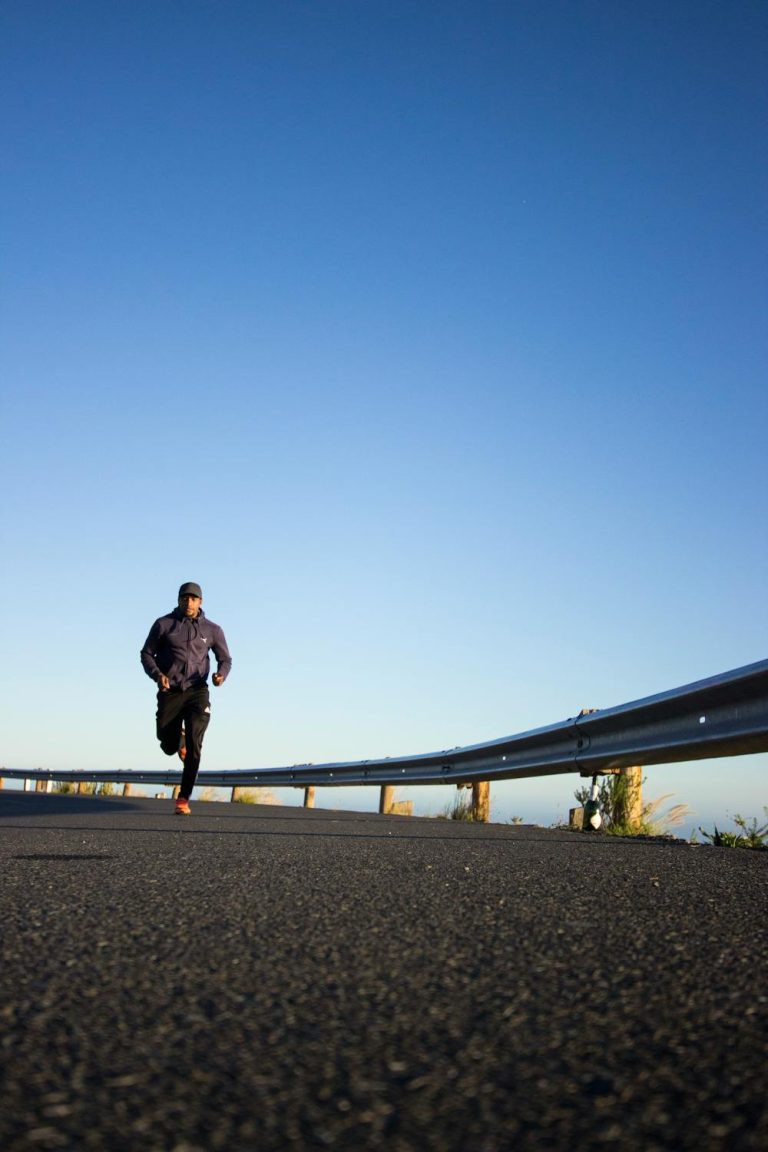
The VO2 Max Equation: Why Cardiorespiratory Fitness Predicts Lifespan Better Than Almost Any Other Biomarker
A 2018 JAMA Network Open study of 122,007 patients found that low cardiorespiratory fitness was a stronger predictor of mortality than smoking, diabetes, or coronary artery disease. Inside the Mandsager,…
The Daily Rounds: Longevity & Health Care Brief | March 30, 2026
❤️ New ACC/AHA guidelines recommend cardiovascular screening starting at age nine and statin consideration at 30, with evolocumab cutting first heart attacks by 31 percent in diabetes patients. 🤖 Eli Lilly's $2.75 billion deal with Insilico Medicine marks the largest AI drug discovery partnership ever, as over 173 AI-discovered drugs advance through clinical trials toward the first potential FDA approval. 🦠 A gut bacteria compound called Bac429 doubled cancer immunotherapy response in resistant lung tumors and is now being prepared for human testing. 😴 A study of nearly 39,000 adults proved that combining morning sunlight, time-restricted eating, Zone 2 exercise, and five minutes of breathwork significantly improves sleep, fitness, and nervous system resilience. ⛰️ Multi-biomarker wearables combining glucose, heart, temperature, and activity sensing are launching in 2026, while the first needle-free CGM has received FDA clearance.
The Daily Rounds: Longevity & Health Care Brief | April 9, 2026
🧬 Aging Reframed as Coordination Failure: Scientists at the World Longevity Congress are shifting from single-target anti-aging interventions toward restoring coordination across the body's biological systems. ❤️ Long COVID and the Heart: A 1.2-million-person Swedish study confirms long COVID significantly raises cardiovascular disease risk, including in younger non-hospitalized adults, with women facing more than double the risk. 🤖 AI Hits a Clinical Milestone: With 173 AI-discovered drugs now in clinical trials and Insilico's AI-designed pulmonary fibrosis drug showing Phase IIa efficacy, generative AI in medicine has arrived at clinical scale. 🦠 Fasting for Gut Health: Just five days per month of low-calorie plant-based eating reduced gut inflammation and achieved clinical response in nearly 70% of Crohn's disease patients in a Nature Medicine randomized trial. 😴 Circadian Health and Cancer: New ACS-funded research at Fred Hutch will investigate whether night-shift-driven solar jet lag is a driver of liver cancer, reinforcing circadian alignment as a cancer prevention frontier.
Heart Health: What the Evidence Actually Shows
Roughly half of first heart attacks happen to people whose cholesterol panel looked fine. That is not a failure of the patients. It is a failure of what we were…
