
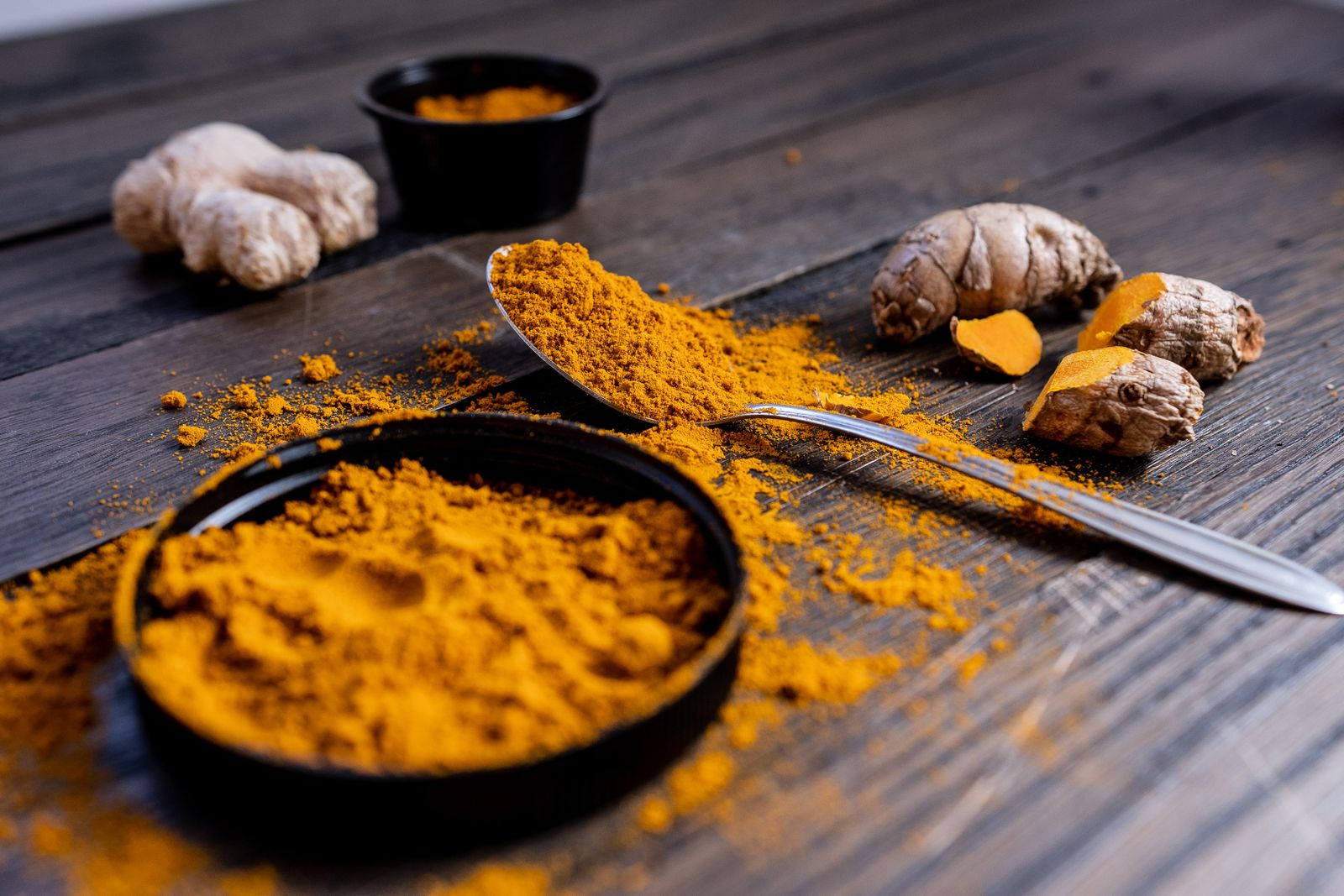
Curcumin Review 2026: Evidence Grade, Best Form, Side Effects
Curcumin has real trial support for osteoarthritis pain and modest metabolic effects, a liver safety signal the market does not mention, and cancer and brain claims that have never been tested on the outcomes they promise.
Presented By Our Partners


Across 15 randomized trials enrolling 1,621 people with osteoarthritis, curcumin or Curcuma longa extract lowered pain and WOMAC function scores versus placebo and matched NSAIDs for pain relief with fewer adverse events (PMID 34017975). That is the best number in the curcumin literature, and it sits next to a quieter one: the US Drug-Induced Liver Injury Network adjudicated 10 cases of turmeric-associated liver injury between 2004 and 2022, half of them hospitalized and one fatal (PMID 36252717). This review scores ten marketed claims with the HDAI HYPE Index, which measures the distance between how hard a claim is sold and how well the evidence supports it, then reports the doses, forms, interactions and side effects the trials actually recorded.
The HYPE Index verdict
Ten claims, scored on four axes (Hypothesis and History, “Yes, but” and Yields, Peer Review and Proof of Work, Expectation and Evidence) and combined into a composite from 0, fully calibrated, to 100, the largest possible gap; above 60 is a Significant Evidence Gap and above 80 a Substantial one, with the method described in the HYPE Index methodology.
| Claim | Evidence grade | HYPE composite | Verdict |
|---|---|---|---|
| Prevents or fights cancer | Insufficient | 85, Tier 5: Substantial Evidence Gap | Reviews of curcumin in gastric, colorectal, esophageal and liver cancers describe microRNA effects from largely preclinical models and report 0 human efficacy estimates (PMID 34214729). |
| Branded forms are many times more bioavailable and therefore work better | Preliminary | 73, Tier 4: Significant Evidence Gap | In a 16-person open-label crossover, a water-dispersible extract at 250 mg reached a curcuminoid Cmax of 74.56 ng/mL versus 22.75 ng/mL for a curcuminoid-piperine reference, but no trial in this set compared branded forms on a clinical outcome (PMID 38702159). |
| Natural and safe for long-term daily use with no liver risk | Contradicted | 71, Tier 4: Significant Evidence Gap | The US Drug-Induced Liver Injury Network adjudicated 10 turmeric-associated liver injury cases from 2004 to 2022, of whom 5 were hospitalized, 1 died of acute liver failure, and 7 carried HLA-B*35:01 (PMID 36252717). |
| Protects memory and prevents Alzheimer’s disease | Preliminary | 67, Tier 4: Significant Evidence Gap | In an 18-month RCT of 40 non-demented adults, Theracurmin at 90 mg curcumin twice daily improved a verbal memory score versus placebo (between-group effect size 0.68, p = 0.05) (PMID 29246725), while a 24-week RCT of 36 people with Alzheimer’s disease found no cognitive benefit (PMID 23107780). |
| Clears and improves skin | Preliminary | 60, Tier 3: Mixed calibration | In a 2016 systematic review of 18 clinical studies, 10 reported statistically significant improvement in skin disease severity with oral or topical turmeric or curcumin versus control (PMID 27213821). |
| Lowers blood sugar, cholesterol and liver fat | Moderate | 57, Tier 3: Mixed calibration | In a 2024 meta-analysis of 18 trials (n=1,382) in type 2 diabetes, curcumin lowered fasting glucose by 11.48 mg/dL and HbA1c by 0.54 percentage points versus placebo (PMID 39683570), while a 2022 lipid meta-analysis found no significant change in LDL-C (PMID 36264280). |
| Powerful anti-inflammatory that lowers CRP and inflammatory markers | Moderate | 57, Tier 3: Mixed calibration | In a 2023 dose-response meta-analysis of 66 RCTs, turmeric or curcumin lowered CRP by 0.58 mg/L, TNF-alpha by 3.48 pg/mL and IL-6 by 1.31 pg/mL versus control (PMID 36804260). |
| Speeds exercise recovery and reduces muscle soreness | Preliminary | 56, Tier 3: Mixed calibration | A 2024 systematic review of 11 studies in regularly exercising adults found curcumin may reduce delayed-onset muscle soreness after eccentric exercise, but it reported no pooled effect size (PMID 39623590). |
| Eases depression and lifts mood | Preliminary | 51, Tier 3: Mixed calibration | In a 2016 meta-analysis of 6 trials in major depressive disorder, curcumin reduced depression symptom scores with a standardized mean difference of -0.34 (95% CI -0.56 to -0.13) versus control (PMID 26610378). |
| Relieves joint pain and osteoarthritis symptoms as well as NSAIDs | Moderate | 49, Tier 3: Mixed calibration | In a 2021 meta-analysis of 15 RCTs (n=1,621), curcumin or Curcuma longa extract lowered osteoarthritis pain and WOMAC scores versus placebo and matched NSAIDs for pain with fewer adverse events (PMID 34017975). |
The chain of hype for the cancer claim breaks at a single, identifiable link: the jump from a cell culture paper to a caption. Curcumin regulates dozens of pathogenic microRNAs in gastric, colorectal, esophageal and liver cancer models, and those papers are real. But the plasma concentrations that produce those effects in a dish are far above anything an oral supplement achieves, and no randomized trial in this evidence set measured cancer incidence, recurrence or survival. The 85 composite reflects that this is the widest possible gap, a stage 0 claim sold as a stage 3 result, and that cancer claims fall outside the structure and function language supplement labels are permitted to use.
What the research shows
Osteoarthritis and joint pain
In a 2021 meta-analysis of 15 RCTs (n=1,621), curcumin or Curcuma longa extract lowered osteoarthritis pain and WOMAC scores versus placebo and matched NSAIDs for pain with fewer adverse events (PMID 34017975). A 2019 analysis of 5 studies (n=599) found curcumin improved WOMAC scores by a standardized 0.96 and visual analogue pain by 1.65 versus placebo, with a side effect rate no higher than ibuprofen (PMID 30772789). A 2016 analysis found pain fell by 2.04 points on a 10-point scale across 3 RCTs and WOMAC by 15.36 points across 4 studies, with no difference from pain medication (PMID 27533649). A 2022 meta-analysis of 29 RCTs (n=2,396) across arthritis types found improved inflammation and pain but rated trial quality low (PMID 35935936), and a 2024 umbrella review of 11 pooled meta-analyses confirmed the direction while noting the same trials are counted repeatedly across them (PMID 38576215). What we do not know: few trials exceed 16 weeks; no trial measures cartilage structure or joint replacement; most participants had knee osteoarthritis; and a 2018 network review of 20 supplements found none, curcumin included, with clinically important long-term effects (PMID 29018060). Details in Curcumin for Joint Pain: What 15 Trials Show and Does Curcumin Match Ibuprofen?
Inflammation and CRP
In a 2023 dose-response meta-analysis of 66 RCTs, turmeric or curcumin lowered CRP by 0.58 mg/L, TNF-alpha by 3.48 pg/mL and IL-6 by 1.31 pg/mL versus control (PMID 36804260). The biomarker evidence is large: a 2024 umbrella review of 103 RCTs (n=7,216) found 23 of 42 outcomes statistically significant, with high-certainty evidence for fasting blood sugar, CRP, HDL and weight, but rated 28 of 42 outcomes low or very low certainty (PMID 39478418). In rheumatoid arthritis, 6 publications (n=539) found DAS28 fell by 1.20 points and ESR by 29.47 mm/h (PMID 37325651). Against that, a 2023 review of 8 nano-curcumin trials (n=569) in COVID-19 found no change in CRP, TNF-alpha or IL-6 (PMID 36799442). What we do not know: whether a 0.58 mg/L CRP reduction changes any clinical event; healthy adults with normal CRP are underrepresented; and “powerful” is an influencer word, not a trial result.
Blood sugar, cholesterol and liver fat
In a 2024 meta-analysis of 18 trials (n=1,382) in type 2 diabetes, curcumin lowered fasting glucose by 11.48 mg/dL and HbA1c by 0.54 percentage points versus placebo (PMID 39683570), while a 2022 lipid meta-analysis found no significant change in LDL-C (PMID 36264280). The glycemic signal is consistent: a 2021 review of 16 studies also reported lower fasting glucose, HbA1c and BMI (PMID 34012421). The lipid claim is where the bundle falls apart. The 2022 lipid meta-analysis found LDL-C fell by a non-significant 0.17 (95% CI -0.43 to 0.09, p = 0.2) and total cholesterol by 0.21 (p = 0.22), yet its authors still concluded curcumin may be hypolipidemic (PMID 36264280). Phytosomal curcumin lowered BMI by 0.72 and body fat by 2.04 percentage points across 7 RCTs in fatty liver disease (PMID 39969338), and a polyphenol meta-analysis pooling 2,173 participants found curcumin reduced BMI, AST, ALT, triglycerides and HOMA-IR, though the overall all-polyphenol analysis was null (PMID 36159792). Vascular effects are small: diastolic blood pressure fell by 0.94 mmHg and flow-mediated dilation rose by 1.64 (PMID 39265778). What we do not know: almost no trials in people with normal glucose; no cardiovascular or diabetes incidence outcomes. See Curcumin for Blood Sugar: What 18 Trials Show.
Depression and mood
In a 2016 meta-analysis of 6 trials in major depressive disorder, curcumin reduced depression symptom scores with a standardized mean difference of -0.34 (95% CI -0.56 to -0.13) versus control (PMID 26610378). The effect is small to moderate, several trials were add-ons to antidepressants, and branded forms dominate. A 2018 review of 24 herbs labeled turmeric’s depression evidence preliminary while rating St John’s wort and saffron high quality (PMID 29575228). What we do not know: no large multicenter trial; durations mostly 4 to 12 weeks; no relapse or remission data; nothing in people without diagnosed depression. See Curcumin Lifts Depression: The Science vs the Hype.
Featured Partner
Invest in the Infrastructure Behind Modern Medicine
As healthcare expands beyond hospital walls, the buildings and campuses supporting that shift are generating compelling returns for investors who move early. The Healthcare Real Estate Fund offers qualified investors direct access to a curated portfolio of medical office, outpatient, and specialty care facilities.
Learn More →
Exercise recovery
A 2024 systematic review of 11 studies in regularly exercising adults found curcumin may reduce delayed-onset muscle soreness after eccentric exercise, but it reported no pooled effect size (PMID 39623590). Post-exercise intake appeared more beneficial than pre-exercise, and a 2023 review of 21 RCTs on muscle and joint health judged curcumin an effective adjuvant with low adverse event incidence, while flagging very high heterogeneity and emphasizing one branded extract at 250 mg per day (PMID 37574203). What we do not know: long-term strength or endurance adaptation, and whether an anti-inflammatory agent blunts the training response it is sold to support.
Skin
In a 2016 systematic review of 18 clinical studies, 10 reported statistically significant improvement in skin disease severity with oral or topical turmeric or curcumin versus control (PMID 27213821). A 2022 review found clinical efficacy in psoriasis, ulcerative colitis and rheumatoid arthritis but not oral lichen planus, with most conditions resting on 1 or 2 small RCTs (PMID 35979355), and a 2019 review of 9 oral lichen planus studies (n=259) found 7 showed improvement and 3 found no difference from corticosteroids (PMID 30388912). What we do not know: anything about healthy skin, which is where the beauty copy points.
Memory and Alzheimer’s disease
In an 18-month RCT of 40 non-demented adults, Theracurmin at 90 mg curcumin twice daily improved a verbal memory score versus placebo (between-group effect size 0.68, p = 0.05) (PMID 29246725), while a 24-week RCT of 36 people with Alzheimer’s disease found no cognitive benefit (PMID 23107780). The positive trial used one branded form in 40 people and reached p = 0.05; the null trial enrolled actual Alzheimer’s patients. A 2024 review of 15 trials on healthy aging gave no pooled numbers (PMID 39203857). What we do not know: dementia incidence, which no trial measures; and whether native curcumin reaches the brain at the 7.32 ng/mL plasma levels the Alzheimer’s trial recorded.
Bioavailability and branded forms
In a 16-person open-label crossover, a water-dispersible extract at 250 mg reached a curcuminoid Cmax of 74.56 ng/mL versus 22.75 ng/mL for a curcuminoid-piperine reference, but no trial in this set compared branded forms on a clinical outcome (PMID 38702159). The 1998 study that launched the “2,000 percent” figure found piperine raised curcumin bioavailability about 20-fold in a small human pharmacokinetic study (PMID 9619120). Higher plasma levels are real. What we do not know is the thing labels imply: no head-to-head trial shows that a higher Cmax produces a better clinical result, and the liver injury series below suggests the higher-absorption products may carry the risk. See Does Curcumin Need Black Pepper?
Safety and liver injury
The US Drug-Induced Liver Injury Network adjudicated 10 turmeric-associated liver injury cases from 2004 to 2022, of whom 5 were hospitalized, 1 died of acute liver failure, and 7 carried HLA-B*35:01 (PMID 36252717). Herbal and dietary supplements now account for about 20 percent of DILIN liver injury cases, with turmeric among the implicated agents (PMID 39136211). The at-risk profile in the series was median age 56, mostly women, HLA-B*35:01 carriers, latency 1 to 4 months, and 3 of the 7 products chemically tested contained piperine. What we do not know: incidence per user, since trials of a few hundred people over weeks cannot detect a rare harm. Full breakdown in Curcumin Side Effects: The Science vs the Hype.
Cancer
Reviews of curcumin in gastric, colorectal, esophageal and liver cancers describe microRNA effects from largely preclinical models and report 0 human efficacy estimates (PMID 34214729). What we do not know: everything that matters clinically, including incidence, recurrence, survival and interactions with chemotherapy, where cell and animal data suggest curcumin can blunt the apoptosis some agents depend on.
Doses used in studies
These are doses reported by the named sources, not recommendations. The range is wide, 120 mg to 1,500 mg per day, because formulations differ in absorption by an order of magnitude and trials rarely standardize on one.
| Source | Dose reported | Form | Context |
|---|---|---|---|
| PMID 27533649 | About 1,000 mg per day of curcumin | Turmeric extract or curcumin, formulations varied | Meta-analysis of 8 RCTs in arthritis |
| PMID 35935936 | 120 mg to 1,500 mg per day for 4 to 36 weeks | Curcumin or Curcuma longa extract, formulations varied | Meta-analysis of 29 RCTs across arthritis types and gout |
| PMID 37574203 | 250 mg per day of a water-dispersible turmeric extract (WDTE60N) highlighted among commercial products | Water-dispersible turmeric extract | Systematic review of 21 RCTs on muscle and joint health |
| PMID 34017975 | Doses varied by trial; use longer than 12 weeks was associated with benefit | Curcuma longa extract or curcumin, alone or alongside NSAIDs | Meta-analysis of 15 RCTs in osteoarthritis |
| PMID 39969338 | Doses not stated in the abstract; all 7 trials used a phytosomal formulation | Phytosomal curcumin | Meta-analysis of 7 RCTs in nonalcoholic fatty liver disease |
| NIH NCCIH turmeric fact sheet | No dose listed; notes poor absorption, use of enhanced-absorption formulations in studies, and liver injury reports with some higher-absorption products | Turmeric and curcumin products, varied | US federal consumer and clinician summary |
| Examine curcumin page | Commonly 500 to 1,500 mg per day of curcuminoids, often paired with piperine or in phytosome, micellar or nanoparticle forms | Curcuminoid extracts, about 95 percent curcuminoids | Independent summary of human trials |
| Thorne Meriva-SF label | 500 mg curcumin phytosome per capsule; label serving 2 capsules (1,000 mg) daily | Curcumin phytosome (phosphatidylcholine complex) | Retail label for a phytosomal product of the type used in several trials |
Forms and quality
Plain curcumin extract, typically about 95 percent curcuminoids, is poorly absorbed and rapidly metabolized, so the market sells enhanced forms: curcumin with piperine, phytosome complexes (Meriva), water-dispersible extracts, micellar and nanoparticle preparations, and turmeric oil blends (BCM-95). Pharmacokinetic studies consistently show these raise plasma curcuminoids. Three cautions follow. No trial compares forms on a clinical outcome, so “more bioavailable” has not been shown to mean “works better.” Piperine raises the blood levels of many drugs by the same mechanism, turning a supplement into a drug interaction. And the liver injury case series skews toward high-absorption products, which the NIH NCCIH fact sheet now notes. Third-party testing (NSF, USP, Informed Sport) matters because synthetic curcumin adulteration and lead contamination of turmeric root have both been documented.
Interactions and who the trials excluded
Curcumin has more documented pharmacokinetic interactions than most botanicals, and piperine-enhanced products add a second layer. Trials typically excluded people on anticoagulants, with liver disease, and in pregnancy.
| Interacts with | Type | Severity | Mechanism | Evidence |
|---|---|---|---|---|
| Drugs metabolized by CYP3A4 or carried by P-glycoprotein, when the product contains piperine (tacrolimus, cyclosporine, phenytoin, propranolol, theophylline, some statins) | Drug | Major | Piperine (usually 5 to 20 mg per dose) inhibits intestinal CYP3A4 and P-glycoprotein; it raised curcumin bioavailability about 20-fold in a human PK study and raises blood levels of co-administered drugs by the same route | Human PK study (PMID 9619120); PK studies of piperine with phenytoin, propranolol and theophylline; a case report of calcineurin inhibitor nephrotoxicity after turmeric in a transplant recipient |
| Pre-existing liver disease; hepatotoxic drugs | Condition | Moderate | Idiosyncratic hepatocellular injury reported with high-bioavailability turmeric and curcumin products, often with piperine; HLA-B*35:01 carriers over-represented | US DILIN series of 10 cases (PMID 36252717); Italian cluster of about 27 cases in 2019; NIH LiverTox record |
| Warfarin | Drug | Moderate | Curcumin inhibits platelet aggregation and may inhibit CYP2C9 and CYP3A4 metabolism of warfarin, raising INR | Case reports of elevated INR and bleeding; in vitro antiplatelet data; no controlled trial |
| Antiplatelet drugs (aspirin, clopidogrel) and direct oral anticoagulants | Drug | Moderate | Additive antiplatelet effect via thromboxane and platelet aggregation; possible P-glycoprotein inhibition raising DOAC exposure | In vitro and animal data; human bleeding reports are mostly with warfarin; DOAC effect theoretical |
| Tamoxifen | Drug | Moderate | Curcumin, especially with piperine, lowered plasma endoxifen, the active metabolite of tamoxifen | One crossover PK study in 16 breast cancer patients |
| Sulfasalazine | Drug | Moderate | Curcumin inhibits the intestinal BCRP (ABCG2) transporter, raising sulfasalazine exposure roughly 2 to 3 fold | One human PK study in healthy volunteers |
| Surgery | Condition | Moderate | Antiplatelet effect may increase perioperative bleeding | Extrapolated from in vitro data and case reports; standard guidance is to stop botanicals about two weeks before procedures |
| Gallstones and bile duct obstruction | Condition | Moderate | Curcumin stimulates gallbladder contraction (about 50 percent emptying after a 40 mg dose in a human ultrasound study), which could precipitate biliary colic | Human gallbladder ultrasound studies in healthy volunteers; precautionary extrapolation |
| Antidiabetic drugs (metformin, sulfonylureas, insulin) | Drug | Minor | Curcumin modestly lowers fasting glucose and HbA1c; additive glucose lowering is possible | Meta-analyses of small RCTs; no documented hypoglycemia cases |
| Iron supplements; iron deficiency anemia | Supplement | Minor | Curcumin chelates ferric iron in the gut and reduced iron absorption in animals; a case report describes iron deficiency anemia resolving after stopping high-dose turmeric | Animal data plus one published case report |
| Chemotherapy agents (camptothecin, doxorubicin, mechlorethamine, cyclophosphamide) | Drug | Theoretical | Curcumin blunted chemotherapy-induced apoptosis in breast cancer cell lines and animal models | In vitro and animal data only; no human outcome data |
| Pregnancy | Condition | Theoretical | Culinary turmeric is considered safe; supplement-level curcumin has no human pregnancy safety data and animal studies suggest possible uterine stimulant activity | No controlled human data; precautionary status from NCCIH |
Side effects reported in trials
Within trials, curcumin looks benign. The 2021 osteoarthritis meta-analysis found fewer adverse events than NSAIDs (PMID 34017975), the 2019 analysis found a side effect rate no higher than ibuprofen (PMID 30772789), the 2022 arthritis meta-analysis of 29 RCTs judged it safe (PMID 35935936), and the fatty liver and COVID-19 reviews reported no increase in adverse events. Gastrointestinal complaints are the usual finding. The signal that trials cannot see is idiosyncratic liver injury: 10 adjudicated US cases with 5 hospitalizations and 1 death, an Italian cluster of about 27 cases in 2019, and over-representation of HLA-B*35:01 carriers (PMID 36252717). Short trials have almost no power to detect an event that occurs in a small fraction of users after 1 to 4 months, which is why “no side effects in trials” and “liver injury has been reported” are both true.
How it fits the Five Pillars
Nutrition: turmeric as a culinary spice has a long safety record and contributes to a diet pattern, but a 2024 meta-analysis of 12 spices in type 2 diabetes found the largest glucose falls with black cumin, cinnamon and ginger rather than turmeric (PMID 38542668), a reminder that the food-first version of this story is a whole kitchen, not one jar. Sleep: no curcumin trial in this set measured sleep. Movement: the soreness data are the closest curcumin gets to a movement claim, and the open question is whether blunting post-exercise inflammation also blunts adaptation. Breathwork: no connection in the literature. Mindset: the depression data are small but real. Among the Four Villains of Health and Longevity, curcumin touches metabolic dysfunction (glucose, HbA1c, liver fat) with surrogate-marker evidence and cardiovascular disease with a sub-1 mmHg blood pressure effect; its cancer and neurodegeneration claims have no outcome trials. For the cardiovascular context see Heart Health: What the Evidence Actually Shows, and for another botanical graded with the same method, our berberine review.
What this means for you
If the question is knee osteoarthritis pain, curcumin has 15 trials, 1,621 people and a result that matches NSAIDs over weeks with fewer side effects, which is as good as the supplement literature gets for a symptom. If the question is blood sugar in type 2 diabetes, the effect is modest and consistent; if the question is cholesterol, the pooled result is null. If the question is depression, the effect is small and comes from add-on trials. If the question is cancer or dementia, there is no outcome trial, and the plasma levels at which curcumin does interesting things in a dish are not the plasma levels a capsule produces. The question no label asks, whether a high-absorption product with piperine changes the risk profile, is the one the liver injury data raise. The head-to-head NSAID data are in Does Curcumin Match Ibuprofen?
New since our last review
First published October 21, 2026.
Sources
- PMID 34017975
- PMID 30772789
- PMID 27533649
- PMID 35935936
- PMID 38576215
- PMID 29018060
- PMID 37574203
- PMID 36804260
- PMID 39478418
- PMID 37325651
- PMID 36799442
- PMID 39683570
- PMID 36264280
- PMID 39969338
- PMID 36159792
- PMID 39265778
- PMID 32101871
- PMID 26610378
- PMID 29575228
- PMID 39623590
- PMID 27213821
- PMID 35979355
- PMID 30388912
- PMID 29246725
- PMID 23107780
- PMID 34214729
- PMID 38702159
- PMID 9619120
- PMID 36252717
- PMID 39136211
- PMID 39203857
- PMID 36640146


Similar Posts
The Alzheimer’s Blood Test Has Arrived: How Plasma p-Tau217 Is Rewriting Early Diagnosis in 2026
For decades, confirming Alzheimer’s disease required a spinal tap or a PET scan that few patients ever received. In 2025 the FDA cleared the first plasma p-tau217 blood test, and…
Hilo Core Blood Pressure Wearable: What the U.S. System Actually Does
Hilo Core brings Aktiia’s optical blood-pressure technology to the United States in a $239.98 first-year system. The wristband is a wellness trend tool, while exact reference readings come from the…
Base Hormone Subscription: Monthly Blood-Based Hormone Tracking for Optimization
A single hormone test tells you where you stand today. A year of monthly tests tells you the story of how your body is responding to every decision you make….
Samsung Galaxy Watch Ultra Review: Sleep Apnea, ECG, and the Ultra2
The Samsung Galaxy Watch Ultra is a 2024 rugged smartwatch with an FDA authorized sleep apnea feature. Replaced by the Ultra2, buy it only at a deep discount.

Your Gut Microbiome Is Talking to Your Brain, Heart, and Kidneys: Five 2026 Studies Reveal the Body’s Hidden Communication Network
A Stanford Nature study shows gut bacteria drive age-related memory loss through vagus nerve inflammation, while new research in Nature Communications, npj Biofilms and Microbiomes, and Microbiology Spectrum reveals that…
