
Sea Moss Review 2026: Evidence Grade, Best Form, Side Effects
Sea moss is sold on a mineral count no one has verified and supported by zero controlled human trials; the only hard numbers in the story belong to iodine, and they cut against the marketing.
Presented By Our Partners



The single most important number about sea moss is not a trial result, because no randomized trial of sea moss as a supplement has been published. It is an iodine figure from the National Institutes of Health Office of Dietary Supplements: seaweed delivers anywhere from about 16 micrograms to 2,984 micrograms of iodine per gram, against an adult recommended intake of 150 micrograms per day and a tolerable upper limit of 1,100 micrograms per day. A two-tablespoon serving of gel or a 1,600 mg capsule can therefore land anywhere from trivial to several times the daily ceiling, and almost no label tells you which.
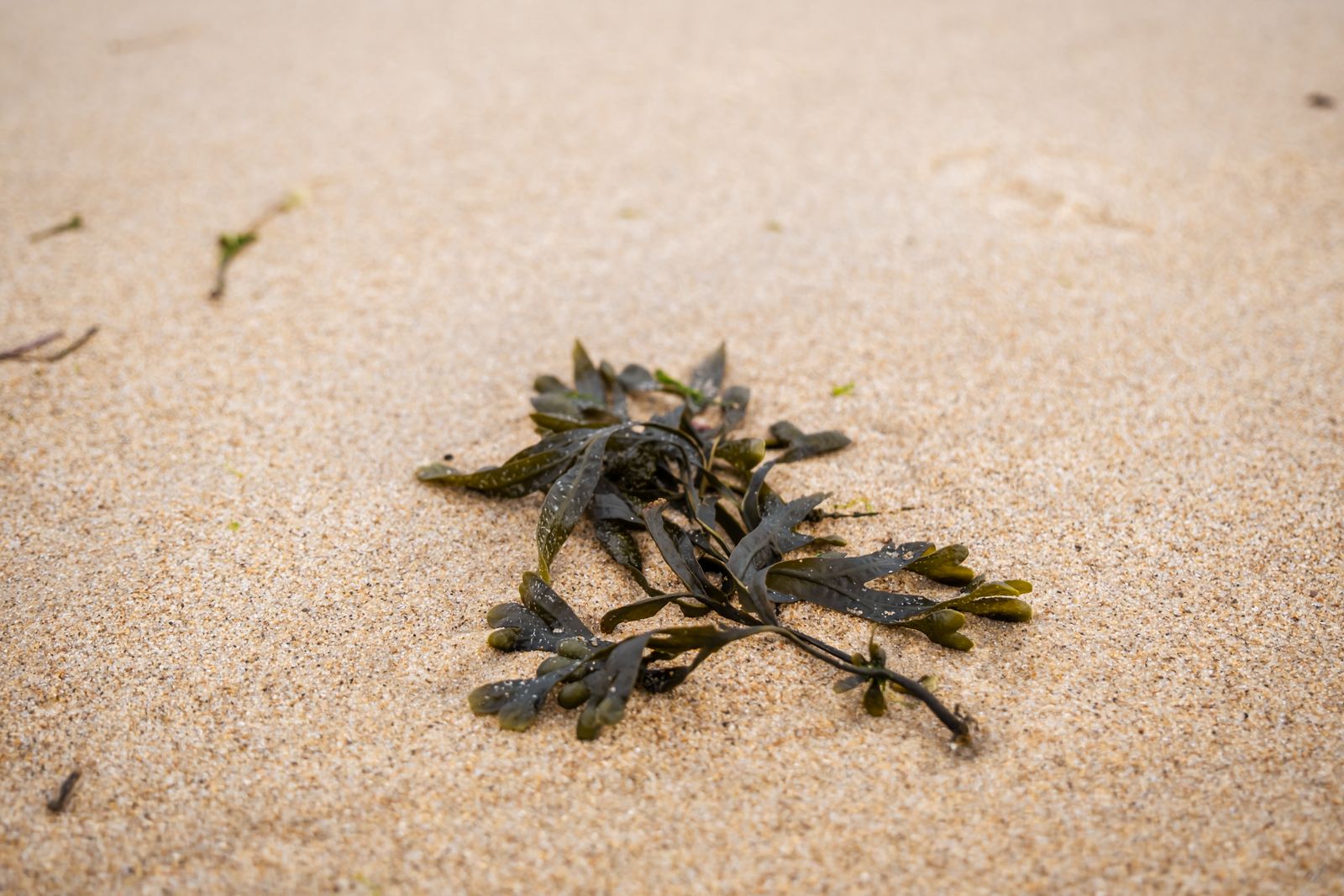
That gap between what is claimed and what is measured is the whole sea moss story. Chondrus crispus, the red alga also called Irish moss, has been eaten in coastal Ireland and the Caribbean for centuries and has been used as a food thickener for just as long. Its reinvention as a wellness staple came through social video, where it is credited with supplying 92 of the 102 minerals the human body supposedly needs, with supporting the thyroid, boosting immunity, healing the gut, clearing skin, and helping with weight loss. HDAI searched PubMed for controlled human studies of Chondrus crispus supplementation and found none that met the inclusion threshold for this review. What follows is a review of an evidence vacuum, which is itself a finding worth publishing.
The HYPE Index verdict
The HYPE Index measures the distance between a claim’s calibration and its evidence on a 0 to 100 scale, where 0 is fully calibrated and anything above 60 is a Significant Evidence Gap; sea moss scores in the Substantial Evidence Gap tier on every marketed claim because the claims are loud and the human evidence is absent.
| Claim | Evidence grade | HYPE composite | Verdict |
|---|---|---|---|
| Contains 92 of 102 minerals the body needs | Insufficient | 94, Substantial Evidence Gap | No nutrient database lists 102 essential minerals; human physiology requires roughly 20 mineral elements, and no published assay of sea moss reports a 92-mineral profile, while NIH ODS confirms only that iodine content varies more than 100-fold between seaweed samples. |
| Helps with weight loss | Insufficient | 92, Substantial Evidence Gap | Zero controlled human trials of sea moss report body weight as an outcome; the carrageenan fiber that makes gel feel filling has never been tested for weight change in people. |
| Supports thyroid health | Insufficient | 88, Substantial Evidence Gap | NIH ODS reports that seaweed supplements can exceed the 1,100 microgram daily iodine upper limit in a single serving, and chronic iodine excess causes goiter, thyroiditis, and both hypo- and hyperthyroidism, so the thyroid claim describes a risk as if it were a benefit. |
| Boosts immunity and heals the gut | Insufficient | 88, Substantial Evidence Gap | No human trial of sea moss reports an immune or gut outcome; the sulfated polysaccharides cited as the mechanism have been studied in vitro and in animals only, according to the published Chondrus crispus literature. |
| Clears skin and supports collagen | Insufficient | 84, Substantial Evidence Gap | No controlled trial of oral sea moss has measured any skin outcome; the claim rests on the alga’s mineral content, which, per NIH ODS seaweed data, is unlabeled and unpredictable. |
The chain of hype for the top claim is short and traceable. The 102-mineral figure does not come from a paper; it appears in wellness marketing and was repeated by creators until it acquired the texture of a fact. No peer-reviewed assay was ever the source, so the drift happened not between paper and label but at the label itself, which then fed the caption. That is the rarest and cleanest HYPE Index case: a claim with no upstream evidence to be distorted.
What the research shows
The mineral claim. Human nutrition recognizes a defined set of essential minerals: calcium, phosphorus, magnesium, sodium, potassium, chloride, sulfur, iron, zinc, copper, manganese, iodine, selenium, molybdenum, chromium, and a handful of trace elements with debated essentiality. That list does not reach 102 under any authority, and no published compositional analysis of Chondrus crispus reports 92 distinct minerals. What the published seaweed composition literature does show is that red algae are rich in iodine, potassium, magnesium, and calcium, and that the amounts vary with harvest location, season, and processing. What we do not know: the actual mineral content of any specific retail sea moss product, because labels rarely declare it and third-party assays are scarce.
Thyroid support. The strongest study here is not a study of sea moss but the federal iodine fact sheet, which is a synthesis of controlled iodine research in humans. It documents that intakes above the upper limit are associated with thyroiditis, goiter, elevated TSH, and in susceptible people, overt hypothyroidism or hyperthyroidism. Sea moss delivers iodine in an unmeasured amount. A product that could supply a therapeutic dose on Monday and a toxic dose on Tuesday is not thyroid support; it is thyroid roulette. What we do not know: the iodine content of any given gel jar, how much is lost in soaking and blending, and whether any brand tests batch by batch.
Immunity and gut health. Chondrus crispus contains carrageenan, a sulfated galactan, and the in vitro literature on sulfated polysaccharides from red algae reports antiviral, immunomodulatory, and anticoagulant activity in cell and animal models. None of this has crossed into a human feeding trial of sea moss. There is also a separate scientific argument about degraded carrageenan and intestinal inflammation in animal models, which cuts in the opposite direction of the gut-healing claim. What we do not know: whether any of the polysaccharides survive digestion in a form that acts on human immune cells, and whether whole-food carrageenan behaves like the degraded form used in animal studies.
Weight loss. The plausible mechanism is satiety from viscous fiber. Viscous fibers such as psyllium and glucomannan have human trial data for modest effects on appetite and weight; sea moss has none. What we do not know: everything about dose, duration, and whether gel servings deliver enough fiber to matter.
Featured Partner
Invest in the Infrastructure Behind Modern Medicine
As healthcare expands beyond hospital walls, the buildings and campuses supporting that shift are generating compelling returns for investors who move early. The Healthcare Real Estate Fund offers qualified investors direct access to a curated portfolio of medical office, outpatient, and specialty care facilities.
Learn More →
Skin. Topical carrageenan appears in cosmetics as a film-former, and that is likely the origin of the skin claim. No oral trial has measured hydration, elasticity, or acne. What we do not know: all of it.
Doses used in studies
These are doses reported by the named sources, not recommendations. Because no human trial of sea moss exists, the table reports what labels and federal fact sheets state.
| Source | Reported amount | Form | Context |
|---|---|---|---|
| NIH ODS Iodine fact sheet for health professionals | Seaweed iodine content ranges from about 16 mcg to 2,984 mcg per gram; adult RDA 150 mcg per day; upper limit 1,100 mcg per day | Whole seaweed and seaweed-derived products including Chondrus crispus | Federal fact sheet on dietary iodine; no controlled human trial of sea moss as a supplement has been published |
| Typical retail capsule and gel labels | 500 mg to 1,600 mg of Chondrus crispus powder per serving in capsules; one to two tablespoons daily for gel | Dried powder in capsules; whole-seaweed gel; often blended with bladderwrack and burdock root | Label amounts are not derived from any human trial and iodine content per serving is rarely declared |
| NIH ODS Iodine fact sheet, seaweed supplement section | Kelp and other seaweed supplements can deliver iodine above the 1,100 mcg per day upper limit in a single serving | Seaweed supplements including kelp and sea moss | The statement concerns seaweed supplements generally; sea moss is sold as a whole-seaweed product with undeclared iodine |
Forms and quality
Sea moss reaches consumers as dried whole alga for home soaking, as pre-made gel, as capsules of dried powder, and as gummies. The form matters less than the sourcing. Wild-harvested seaweed concentrates whatever is in the water it grows in, and product surveys have found arsenic and lead in seaweed supplements; the FDA’s Total Diet Study and published seaweed metal surveys document the pattern. Pool-grown sea moss, which is cultivated in tanks rather than harvested from the ocean, has become common because it is cheap and uniform, and it may carry less heavy metal exposure, though it also tends to contain less iodine and fewer trace minerals, which undercuts the mineral pitch.
Two label features would make a sea moss product reviewable. The first is a declared iodine content per serving, verified by a batch certificate of analysis. The second is a heavy metal panel, ideally from a third-party program such as NSF or USP, though as of this review neither program lists a certified sea moss product that HDAI could identify. A product that declares neither is asking the buyer to trust a number that has never been measured.
Interactions and who the trials excluded
With no trials, there are no exclusion criteria to report. The interaction table below is built from iodine, potassium, and carrageenan pharmacology as summarized by NIH ODS and the published literature.
| Interacts with | Type | Severity | Mechanism | Evidence |
|---|---|---|---|---|
| Iodine excess (upper limit 1,100 mcg per day for adults) | Condition | Major | Iodine content of seaweed products is unlabeled and can exceed the adult upper limit in a single serving; chronic excess causes goiter, thyroiditis, and thyroid dysfunction | NIH ODS Iodine fact sheet; published seaweed iodine content surveys |
| Levothyroxine and thyroid disease (hypothyroidism, hyperthyroidism, Hashimoto’s, Graves’) | Drug | Major | Variable and sometimes very high iodine can trigger iodine-induced hypothyroidism or hyperthyroidism and destabilize thyroid hormone replacement | NIH ODS Iodine fact sheet; case reports after seaweed supplements |
| Antithyroid drugs (methimazole, propylthiouracil) | Drug | Moderate | High iodine intake can blunt or alter the response to antithyroid therapy | NIH ODS interaction listing |
| Amiodarone | Drug | Moderate | Amiodarone already delivers a large iodine load; additional iodine compounds the risk of thyroid dysfunction | Amiodarone FDA label; NIH ODS Iodine fact sheet |
| Lithium | Drug | Moderate | Lithium inhibits thyroid hormone release; combined with iodine excess the hypothyroid effect is additive | NIH ODS Iodine fact sheet |
| Thyroid function tests (TSH, free T4, radioactive iodine uptake) | Lab test | Moderate | Recent high iodine intake suppresses radioactive iodine uptake and can transiently shift TSH | Nuclear medicine uptake scan preparation protocols |
| Chronic kidney disease | Condition | Moderate | Reduced clearance of iodine and potassium raises the risk of both thyroid dysfunction and hyperkalemia | NIH ODS Iodine and Potassium fact sheets |
| Heavy metal exposure (arsenic, lead, cadmium, mercury) | Condition | Moderate | Seaweeds bioaccumulate metals from coastal water; wild-harvested sea moss has tested positive for arsenic and lead in product surveys | FDA Total Diet Study; published seaweed metal surveys |
| Pregnancy and breastfeeding | Condition | Moderate | Fetal and infant thyroid is sensitive to iodine excess; the upper limit in pregnancy is unchanged at 1,100 mcg and unlabeled seaweed can exceed it | American Thyroid Association guidance; NIH ODS Iodine fact sheet |
| ACE inhibitors, ARBs, and potassium-sparing diuretics | Drug | Minor | Seaweeds are potassium rich; additive hyperkalemia risk is theoretical at typical gel servings but relevant with reduced kidney function | NIH ODS Potassium fact sheet |
| Anticoagulants and antiplatelets (warfarin, apixaban, aspirin) | Drug | Theoretical | Carrageenan and sulfated polysaccharides in red algae show anticoagulant activity in vitro; clinical relevance at food doses is unknown | In vitro and animal studies of Chondrus crispus polysaccharides |
| Surgery | Condition | Theoretical | Theoretical additive anticoagulant effect from carrageenan; no clinical bleeding reports identified | Absence of data rather than evidence of safety |
Side effects reported in trials
There are no trials, so there is no adverse event table to report. The side effect profile has to be inferred from the components. Iodine excess is the documented one: NIH ODS describes goiter, elevated TSH, thyroiditis, and in people with underlying thyroid autoimmunity, overt hypothyroidism or hyperthyroidism, with case reports following seaweed supplement use. Gastrointestinal effects from a large bolus of viscous fiber, including bloating and loose stools, are plausible and commonly described in consumer reviews but unquantified. Heavy metal exposure is a product quality issue rather than a pharmacological effect, but it is the one most likely to accumulate silently over months of daily gel. Anyone noticing a change in energy, weight, heart rate, or neck swelling while using sea moss daily has a reason to have thyroid function checked, and a reason to mention the supplement at that visit, because a radioactive iodine uptake test will read falsely low after recent seaweed intake.
How it fits the Five Pillars
Nutrition. Sea moss is a food, and as a food in a varied diet it is an occasional source of iodine, potassium, and fiber. The Five Pillars framework HDAI uses is food-first, and the honest nutritional statement is that a small amount of seaweed a few times a week is how coastal populations have always consumed it. Daily tablespoons of gel, or capsules stacked with bladderwrack, which is itself among the most iodine-dense seaweeds, convert a food into an unmeasured iodine supplement. Iodized salt, dairy, eggs, and fish cover the 150 microgram adult requirement for most people without the variability problem.
Sleep. No sea moss data touch sleep. Iodine-induced hyperthyroidism, however, is a recognized cause of insomnia, which is one more reason the thyroid risk matters.
Movement. Nothing in the record links sea moss to performance, recovery, or body composition in people.
Breathwork. No relevance.
Mindset. The sea moss phenomenon is a useful case study in how a number like 92 of 102 becomes belief through repetition rather than measurement. Treating that pattern as a signal to look for the source, rather than as a reason for cynicism, is the habit the Four Villains of Health and Longevity framework asks of readers: metabolic, cardiovascular, neurodegenerative, and cancer risk are moved by decades of consistent fundamentals, not by a trending jar.
What this means for you
Sea moss is an edible seaweed with a long culinary history and no controlled human trial behind any of the health claims attached to it. The one thing that can be said with numbers is that its iodine content is unknown per serving and can exceed the adult upper limit, which makes the thyroid support claim the most inverted in the supplement market. People with any thyroid condition, anyone on levothyroxine, amiodarone, or lithium, anyone pregnant or breastfeeding, and anyone with reduced kidney function face documented iodine and potassium concerns rather than theoretical ones. For everyone else, the question is not whether sea moss is dangerous at food amounts, which it generally is not, but whether a daily supplement with an unmeasured active ingredient and no trial evidence has earned a place in a routine. HDAI will update this review when a controlled human study is published. Readers interested in how iodine itself performs in trials can read the HDAI Medical and Lifestyle coverage, and the scoring method is described at HYPE Index methodology.
New since our last review
First published October 21, 2026.
Sources
- NIH Office of Dietary Supplements, Iodine fact sheet for health professionals
- NIH Office of Dietary Supplements, Potassium fact sheet for health professionals
- FDA Total Diet Study
- American Thyroid Association guidance on iodine in pregnancy
- PubMed search for controlled human trials of Chondrus crispus supplementation, conducted October 2026: no eligible randomized trials identified.
