
SiPhox Health Core Panel: Fingerstick ApoB and Advanced Lipid Testing at Home
A microfluidics-powered fingerstick blood panel that brings advanced cardiometabolic markers like ApoB, hsCRP, and HbA1c to your kitchen table at a fraction of the cost of traditional lab panels.
Presented By Our Partners



Apolipoprotein B (ApoB) is arguably the single most important blood marker for cardiovascular risk that most people have never heard of. Unlike LDL cholesterol, which measures the cholesterol content inside lipoprotein particles, ApoB counts the actual number of atherogenic particles circulating in the bloodstream. Every LDL particle, every VLDL particle, and every Lp(a) particle carries exactly one ApoB molecule on its surface. The broader medical research community has increasingly recognized that it is the number of these particles, not the amount of cholesterol they carry, that drives atherosclerosis. Yet standard lipid panels still report LDL-C, and most people have never had their ApoB measured. SiPhox Health exists to change that, using microfluidics technology to deliver ApoB and other advanced cardiometabolic markers from a simple fingerstick at home.
What Is the SiPhox Health Core Panel?
SiPhox Health is an at-home blood testing service that uses microfluidics-based technology to analyze a small fingerstick blood sample for advanced cardiometabolic biomarkers. The Core Panel includes markers that are rarely available through standard at-home tests: ApoB, LDL cholesterol, HDL cholesterol, triglycerides, hsCRP (high-sensitivity C-reactive protein), HbA1c, vitamin D, and testosterone, with panel composition varying by product tier.
The testing process is straightforward: users receive a collection kit, perform a fingerstick blood draw at home using the provided lancet and collection device, and mail the sample to a CLIA-certified laboratory. Results are delivered through the SiPhox platform within several business days, with clear explanations and reference ranges for each marker.
Priced between $149 and $299 depending on the panel selected, SiPhox positions itself as an affordable entry point to advanced cardiometabolic testing. The company’s key innovation is the use of microfluidics, a technology that processes very small blood volumes with high precision, enabling markers like ApoB that traditionally required a full venipuncture blood draw to be measured from a fingerstick sample.
The Science Behind ApoB and Advanced Lipid Testing
Standard lipid panels measure four values: total cholesterol, LDL cholesterol, HDL cholesterol, and triglycerides. This framework has guided cardiovascular risk assessment for decades, but it has a significant blind spot. LDL cholesterol (LDL-C) measures the mass of cholesterol carried inside LDL particles, not the number of particles themselves. Two people can have identical LDL-C values but dramatically different particle counts, and it is the particle count that predicts cardiovascular events.
ApoB solves this problem by directly counting atherogenic particles. Each LDL, VLDL, IDL, and Lp(a) particle carries one ApoB molecule. An ApoB level of 130 mg/dL means 130 milligrams of ApoB protein per deciliter of blood, reflecting a specific concentration of atherogenic particles. Epidemiological data consistently shows that ApoB outperforms LDL-C in predicting myocardial infarction, stroke, and cardiovascular mortality, particularly in patients with normal or borderline LDL-C who would otherwise be classified as low risk.
hsCRP adds another dimension by measuring systemic inflammation, which is both a cause and consequence of atherosclerotic plaque progression. The combination of ApoB (particle burden) and hsCRP (inflammatory milieu) provides a more complete cardiovascular risk assessment than either marker alone. HbA1c rounds out the cardiometabolic picture by capturing three months of average blood glucose, identifying insulin resistance and prediabetes before fasting glucose alone would raise a flag.
Cardiovascular disease is the first and most deadly of the Four Villains in Healthcare Discovery‘s longevity framework. Making ApoB and hsCRP accessible through a simple fingerstick test, at a price point under $300, removes a significant barrier to the kind of proactive cardiovascular monitoring that the broader medical research community has advocated for decades.
That is the science. Here is how SiPhox applies it.
What SiPhox Health Does Well
SiPhox’s defining advantage is bringing ApoB testing to a fingerstick format. Most at-home blood tests that include ApoB require a venipuncture blood draw at a lab location. SiPhox’s microfluidics-based collection device extracts enough blood from a fingerstick to run advanced assays that traditionally needed larger sample volumes. This is a genuine technological achievement that makes repeat testing more convenient and accessible.
The price point is aggressive for the markers included. ApoB testing through Quest Diagnostics Direct or Labcorp OnDemand typically costs $30 to $60 as a standalone test, but requires a separate lab visit. SiPhox bundles ApoB with HbA1c, hsCRP, lipids, vitamin D, and testosterone into a single panel at $149 to $299, with the convenience of testing at home. For users who want the most actionable cardiometabolic markers without a laboratory visit, SiPhox offers strong value per marker.
The company’s focus on cardiometabolic health rather than trying to test everything distinguishes SiPhox from broader panels like InsideTracker (54 markers) or Function Health (100+ markers). By concentrating on the markers that matter most for cardiovascular and metabolic risk assessment, SiPhox delivers targeted, high-impact data without overwhelming users with information they may not know how to interpret.
Featured Partner
Invest in the Infrastructure Behind Modern Medicine
As healthcare expands beyond hospital walls, the buildings and campuses supporting that shift are generating compelling returns for investors who move early. The Healthcare Real Estate Fund offers qualified investors direct access to a curated portfolio of medical office, outpatient, and specialty care facilities.
Learn More →
The FDA-authorized collection device adds a layer of credibility. While the service itself is a wellness tool, the collection methodology has received regulatory authorization, which provides confidence in sample quality and analytical accuracy.
Pricing, Access, and Practical Realities
SiPhox Health panels range from $149 to $299 depending on the panel selected. There is no subscription requirement; users purchase individual panels as needed. The first-year cost for quarterly testing (four panels) would range from approximately $596 to $1,196, depending on the panel tier.
The entire testing process happens at home. No lab visit, no appointment, no waiting room. The fingerstick collection takes under five minutes, and samples are mailed to the lab in a prepaid shipping package. Results typically arrive within several business days.
SiPhox uses CLIA-certified laboratories for sample analysis, and the collection device has FDA authorization. The service is classified as a wellness product, not a clinical diagnostic, meaning results should complement rather than replace clinical care. However, the laboratory methodology is the same used in clinical settings, and results can be shared with healthcare providers.
SiPhox panels are HSA and FSA eligible, which can make the testing essentially free for users with sufficient health savings account funds. At the $149 price point, this is one of the most affordable ways to access ApoB testing with HSA dollars.
Who SiPhox Health Is Best For
SiPhox is ideal for cardiovascular-risk-conscious individuals who want ApoB and advanced lipid testing without a lab visit. It suits people with a family history of heart disease who want to monitor their atherogenic particle burden; anyone already managing cholesterol with statins or lifestyle changes who wants to track ApoB response to interventions; health-conscious adults who want to add cardiometabolic monitoring to their routine without the cost of comprehensive 50+ marker panels; and individuals in rural areas or those with limited access to specialty lab services.
People who should skip SiPhox include those who want comprehensive biomarker panels (InsideTracker or Function Health offer far more markers), individuals who need clinical-grade results for medical decision-making (a physician-ordered lab panel with full venipuncture provides the highest reliability), and those who only want a standard lipid panel (basic cholesterol tests are available at lower prices through many pharmacies and direct-access labs).
How SiPhox Health Compares
Against InsideTracker ($699 for 54 markers), SiPhox offers a focused subset of the most critical cardiometabolic markers at roughly one-quarter to one-half the price. InsideTracker provides more comprehensive coverage across hormones, vitamins, and biological age, but SiPhox delivers the highest-impact markers for cardiovascular risk at a much lower price point. Users who prioritize ApoB, hsCRP, and HbA1c over comprehensive profiling may find SiPhox sufficient.
Against Everlywell Metabolic Panel ($99 to $249), SiPhox differentiates on marker selection. Everlywell panels include HbA1c and basic metabolic markers but typically do not include ApoB, which is the marker that most advances cardiovascular risk assessment beyond standard panels. SiPhox’s inclusion of ApoB is its primary competitive advantage in the at-home testing market.
Against Quest Diagnostics Direct and Labcorp OnDemand, SiPhox offers home collection convenience at the cost of requiring a fingerstick rather than venipuncture. For users who prioritize not visiting a lab, SiPhox is the better option. For those who want the highest sample quality and broadest test menu, traditional lab services remain superior.
Limitations and Open Questions
Fingerstick blood samples inherently involve smaller volumes and different collection conditions than venipuncture draws, which can introduce analytical variability. While SiPhox’s microfluidics technology is designed to mitigate this, users should be aware that fingerstick results may show slightly different values than venipuncture results for the same markers. Trends over time (is my ApoB going up or down?) are more reliable than absolute comparisons to a single venipuncture result.
The panel covers cardiometabolic markers well but does not include hormonal, liver, kidney, or complete blood count markers that comprehensive panels offer. Users who want a full health picture will need to supplement SiPhox with additional testing.
SiPhox is a relatively young company compared to established laboratory networks. Long-term platform stability, customer support infrastructure, and the pace of panel expansion are factors that users should weigh against more established competitors. The technology is sound, but the company’s track record is still being built.
As with all at-home tests, sample collection technique affects quality. An insufficient blood sample, contamination, or improper handling during mailing can compromise results. SiPhox provides clear instructions, but user error remains a variable that laboratory-collected samples eliminate.
What This Means for Your Health
ApoB testing should be routine. The broader medical research community has reached growing consensus that ApoB is a better predictor of cardiovascular events than LDL-C, yet most people have never had it measured. SiPhox makes this marker accessible for under $300, from home, with no prescription needed. That accessibility matters because cardiovascular disease is the leading killer worldwide and the first of the Four Villains that HealthcareDiscovery.ai’s longevity framework targets.
The combination of ApoB (particle burden), hsCRP (inflammation), and HbA1c (metabolic health) in a single panel covers the three primary drivers of cardiometabolic risk. If you could only test three advanced markers beyond a standard lipid panel, these would be the three that the evidence most strongly supports. SiPhox bundles all three into one affordable, convenient test.
Within the Five Pillars framework, SiPhox connects most directly to nutrition: ApoB responds to dietary changes, particularly reduced saturated fat and increased fiber; HbA1c responds to carbohydrate management and metabolic health; and hsCRP responds to anti-inflammatory dietary patterns. Movement matters too, as regular exercise improves all three markers independently of dietary changes. Testing these markers periodically provides the feedback loop that transforms vague “eat better, exercise more” advice into measurable, targeted interventions.
Frequently Asked Questions
What is ApoB and why does it matter?
Apolipoprotein B (ApoB) is a protein found on the surface of every LDL, VLDL, and Lp(a) particle in your blood. Measuring ApoB effectively counts the number of atherogenic (artery-damaging) particles, which research shows predicts cardiovascular risk better than LDL cholesterol alone. Two people with identical LDL-C can have very different ApoB levels and very different heart disease risk. Optimal ApoB is generally considered below 90 mg/dL, with below 60 mg/dL suggested for high-risk individuals.
How does the SiPhox fingerstick compare to a regular blood draw?
SiPhox uses microfluidics technology that can analyze a small fingerstick blood sample with precision comparable to standard laboratory assays for the included markers. However, fingerstick samples may show slight variability compared to venipuncture draws due to differences in blood composition (capillary vs. venous blood) and collection volume. For trend tracking over time, fingerstick panels are reliable. For clinical decisions, venipuncture remains the gold standard.
How much does SiPhox Health cost?
SiPhox panels range from $149 to $299 depending on the panel selected. There is no subscription required. Panels are HSA and FSA eligible. At the $149 price point, SiPhox is one of the most affordable ways to access ApoB testing at home without a lab visit or prescription.
Does SiPhox test for everything InsideTracker tests?
No. SiPhox focuses on cardiometabolic markers (ApoB, lipids, HbA1c, hsCRP, vitamin D, testosterone). InsideTracker Ultimate ($699) tests 54 biomarkers including hormones, inflammatory cytokines, vitamins, minerals, and biological age. SiPhox offers the highest-impact cardiometabolic markers at a lower price; InsideTracker offers comprehensive profiling at a premium.
Is SiPhox FDA approved?
The SiPhox blood collection device has FDA authorization, and samples are processed at CLIA-certified laboratories. The service itself is a wellness product, not an FDA-cleared diagnostic. Results are intended for health optimization and should be discussed with a healthcare provider for clinical interpretation.
How often should I test with SiPhox?
For tracking the effectiveness of dietary and lifestyle changes, quarterly testing (every three months) provides a reasonable interval. HbA1c reflects a 90-day average, making it a natural anchor for retesting frequency. ApoB and lipid markers can change within weeks of dietary modifications, so retesting at 8 to 12 weeks after an intervention provides meaningful feedback.
SiPhox Health Core Panel at a glance
- Hardware price
- $149 to $299
- Subscription
- None required
- First year total
- $149
- Form factor
- At-home fingerstick blood test
- FDA status
- Wellness device, no clearance
- HSA/FSA
- Eligible
Measures ApoB, HbA1c, HDL, hsCRP, LDL, Testosterone, TG, Vitamin D
Maintained in the Healthcare Discovery device database and updated automatically.


Similar Posts

The Daily Rounds: Longevity & Health Care Brief | June 14, 2026
🧠 Brain Plasticity Has No Age Ceiling — A 4,000-person, three-year UT Dallas study confirms cognitive performance can improve well into the 90s, making brain health a genuinely actionable target at every life stage. 🧠 Blood Cancer Mutations May Be a Missing Alzheimer's Mechanism — TET2, DNMT3A, and ASXL1 mutations in brain microglia create a destructive inflammatory environment in Alzheimer's tissue, opening a new door to both screening and repurposed cancer therapies. 🤖 A Vaccine Designed to End the Fentanyl Crisis — Scripps Research's cross-reactive fentanyl antibody platform blocks the drug before it reaches the brain and extends protection to designer analogs, with human trials already underway in 2026. 💪 GLP-1 Drugs Are Reducing Physical Activity, Not Increasing It — Fitbit data from ENDO 2026 shows step counts falling after GLP-1 initiation, making exercise counseling a critical and often missing element of metabolic treatment plans. 🥗 GLP-1 Drugs May Also Be Breast Cancer Prevention Tools — A 110,000-woman Penn Medicine cohort study found 30% lower breast cancer incidence in GLP-1 users, with a multisite prevention trial now being planned.
HigherDOSE PEMF Mat Review: Pulsed Electromagnetic Field Therapy Combined with Infrared and Crystal Healing
The HigherDOSE PEMF Mat layers pulsed electromagnetic fields over far infrared heat and a bed of amethyst and tourmaline crystals, targeting recovery, pain relief, and relaxation in a single mat….

The PEARL Trial Is In: What Low-Dose Rapamycin Actually Did to Human Aging Over 48 Weeks
The most anticipated longevity drug trial in a generation has delivered its full one-year results. Here is what rapamycin actually did to lean muscle, pain, biological age, and overall healthspan…

The Daily Rounds: Longevity & Health Care Brief | May 10, 2026
🫀 Thymus as Longevity Organ: AI analysis of CT scans across 25,000 adults finds that healthy thymus tissue predicts a 50% lower risk of all-cause death and 63% lower cardiovascular death risk, reframing this overlooked organ as a modifiable longevity target. 🧠 Cognitive Disability Rising Fast in Young Adults: Self-reported cognitive disability in US adults under 40 has nearly doubled since 2013, making younger adults the primary driver of overall cognitive impairment for the first time on record. 🖨️ Adhesive-Free Wearable Tracks Metabolism Continuously: A 3D-printed University of Arizona device, published in Nature Communications on May 10, monitors dehydration, metabolic shifts, and stress through skin gas emissions with no adhesive and no skin irritation. 💊 Eli Lilly Goes All-In on AI Drug Discovery: A $2.75 billion deal with Insilico Medicine signals that Big Pharma has moved from piloting AI to fully integrating AI-first companies as primary R&D partners. ⏱️ Fasting Windows Alone Do Not Boost Metabolism: A controlled study finds that intermittent fasting without calorie reduction produces no measurable metabolic or cardiovascular benefit, confirming that caloric balance, not timing alone, is the key driver.
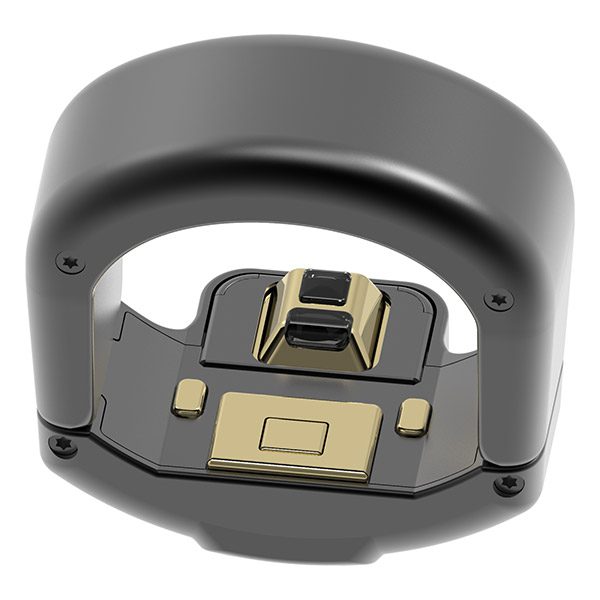
Bodimetrics Circul+ Ring: Continuous Overnight SpO2 Monitoring in a Smart Ring
A smart ring designed for continuous overnight blood oxygen monitoring, targeting the sleep apnea screening gap that fingertip oximeters cannot fill. Presented By Our Partners Obstructive sleep apnea affects an…

A Nasal Spray That Reverses Brain Aging: The Texas A&M Breakthrough Reshaping Alzheimer’s Research
A two-dose nasal spray built from human neural stem cell-derived particles silenced the inflammation signals that drive cognitive decline, restored memory in aged mice, and is now being positioned for…
