
The Sauna Prescription: What 30 Years of Finnish Research Reveals About Heat, Cardiovascular Health, and Longevity
In the small Finnish city of Kuopio, on the eastern lake country roughly four hours northeast of Helsinki, a longitudinal study has been quietly running for more than three decades. It began in 1984 with a simple goal, to find out why ischemic heart disease was killing so many middle aged Finnish men, and it produced one of the most fascinating and counterintuitive findings in modern preventive medicine. The single behavior most strongly associated with cardiovascular survival in that population was not what they ate, not how they exercised, and not how often they saw a doctor. It was how often they sat in a hot wooden room.
Presented By Our Partners



The Kuopio Ischemic Heart Disease Risk Factor Study, known to researchers as KIHD, has been led for years by Dr. Jari Laukkanen, a cardiologist at the University of Eastern Finland whose name is now synonymous with the modern science of sauna bathing. In 2015, Laukkanen and colleagues published a landmark analysis in JAMA Internal Medicine that followed 2,315 middle aged Finnish men for an average of 20.7 years. The results stopped clinicians on three continents. Compared with men who used a sauna once a week, those who used a sauna four to seven times a week had a 63 percent lower risk of sudden cardiac death, a 50 percent lower risk of fatal cardiovascular disease, and a 40 percent lower risk of all cause mortality. Frequency mattered. Duration mattered. The dose response was clean enough that the editors flagged it as one of the most provocative observational findings of the year.
What followed has been a steady drumbeat of research, much of it from the Laukkanen group, replicating and extending the original signal across new endpoints. A 2017 paper in Age and Ageing reported that frequent sauna use was associated with a 66 percent lower risk of being diagnosed with Alzheimer’s disease over two decades. A 2018 BMC Medicine analysis showed lower stroke incidence. Subsequent work has connected sauna bathing to reduced risk of pneumonia, lower systemic inflammation, lower blood pressure, and improved arterial stiffness. The Finnish data are observational and that is an important caveat, but the consistency of the signal across endpoints, populations, and biomarkers has pushed sauna bathing from cultural curiosity to a recovery and longevity tool that clinicians are now actually prescribing.
The Cardiovascular Mechanism: Why Heat Looks Like Exercise
The mechanism is what makes the science worth taking seriously. A typical Finnish sauna runs at 80 to 100 degrees Celsius with low ambient humidity. A 20 to 30 minute session pushes core body temperature up by approximately 0.5 to 1.5 degrees Celsius, drives heart rate to 100 to 150 beats per minute, and increases cardiac output by 60 to 70 percent. In other words, the cardiovascular system experiences something that looks remarkably like a moderate intensity exercise session, complete with peripheral vasodilation, redistribution of blood flow to the skin, increased stroke volume, and a parasympathetic rebound during cooldown. A 2018 Mayo Clinic Proceedings review by Laukkanen, Kunutsor, and colleagues laid out the parallels in detail and proposed that passive heat exposure may produce many of the same vascular adaptations as endurance training, including improved endothelial function, reduced arterial stiffness, lower resting blood pressure, and increased plasma volume.
Heat Shock Proteins and Cellular Hormesis
The molecular response is more interesting still. Sustained heat exposure activates heat shock proteins, particularly HSP72 and HSP90, which act as molecular chaperones that refold misfolded proteins and prevent the kind of proteotoxic stress that accumulates with age. Heat shock proteins also stabilize mitochondria, modulate inflammation through the NF kB pathway, and improve insulin sensitivity. They are part of the same broad cellular hormesis program that exercise, fasting, and cold exposure all activate. The clinical implication is that the sauna is not just heating you up, it is triggering a coordinated cellular stress response that the body interprets as a useful adaptation. When that response is repeated three or four times a week for years, it accumulates into the kind of cardiovascular and metabolic resilience the KIHD data captured.
Brain Health and the Alzheimer’s Signal
The brain story is now catching up to the heart story. Acute sauna exposure raises brain derived neurotrophic factor, or BDNF, the same growth factor implicated in exercise driven neurogenesis. It increases norepinephrine and dynorphin, both of which influence mood and stress recovery. Heat exposure activates the same molecular pathways that researchers have linked to improved hippocampal function and slower cognitive aging. The Alzheimer’s signal in the 2017 Age and Ageing paper is observational, but it fits a mechanistic story that gets stronger every year. Heat stress drives autophagy, reduces neuroinflammation, supports the glymphatic system through improved sleep architecture, and may even modulate amyloid clearance in ways that animal models are only beginning to explain.
Heat Therapy for Depression and Anxiety
Then there is the depression and anxiety literature. A 2016 JAMA Psychiatry trial led by Charles Raison at the University of Wisconsin tested whole body hyperthermia, a single session of infrared heat exposure designed to raise core temperature by approximately 1.5 degrees Celsius, against a sham condition in adults with major depressive disorder. The active condition produced a clinically meaningful reduction in depression scores that persisted for six weeks after a single treatment. The effect size was comparable to or greater than what is typically seen with antidepressant medication over the same window. Subsequent research has pointed to the role of warm sensitive serotonergic neurons in the dorsal raphe nucleus, which appear to mediate both the thermoregulatory and the antidepressant effects of heat exposure. A growing number of psychiatrists now consider regular sauna bathing a legitimate adjunctive intervention for treatment resistant depression, particularly for patients who cannot tolerate or do not respond to first line pharmacology.
The Dose Response Curve
The dose response curve from the Finnish data is worth taking seriously when designing a personal protocol. The KIHD analysis stratified outcomes by sessions per week and minutes per session, and the relationships were monotonic across reasonable ranges. Men who sat in the sauna for 19 to 30 minutes per session showed better cardiovascular outcomes than those who sat for less than 11 minutes. Men who used the sauna four to seven times a week showed better outcomes than those who used it two to three times a week, who in turn showed better outcomes than those who used it once a week. There appears to be no upper safety threshold within typical Finnish bathing patterns, although hydration, cardiac rhythm, and orthostatic tolerance all become real constraints at higher exposures. For most adults the practical window is 15 to 30 minutes per session, three to seven sessions per week, at temperatures of approximately 80 to 90 degrees Celsius if traditional, or 50 to 60 degrees Celsius if infrared.
Featured Partner
Invest in the Infrastructure Behind Modern Medicine
As healthcare expands beyond hospital walls, the buildings and campuses supporting that shift are generating compelling returns for investors who move early. The Healthcare Real Estate Fund offers qualified investors direct access to a curated portfolio of medical office, outpatient, and specialty care facilities.
Learn More →
Infrared Versus Traditional: What the Evidence Actually Says
Infrared and traditional saunas are not equivalent and the science is clearer on traditional Finnish bathing because that is what was studied. Far infrared saunas operate at lower ambient temperatures because the heat is delivered directly to the skin via radiant energy, which means the cardiovascular response can still be substantial but the heat shock protein activation may be lower. The infrared literature is younger and smaller. A 2009 Internal Medicine review by Beever covered preliminary trials in chronic heart failure, where infrared sauna improved endothelial function and exercise capacity. A 2018 Evidence Based Complementary and Alternative Medicine systematic review found mixed but generally positive findings across cardiovascular, rheumatic, and chronic pain conditions. The honest summary is that infrared sauna is plausible and probably useful, but the strongest evidence remains for traditional Finnish style heat exposure.
The Contrast Bathing Question
The contrast bathing question, hot followed by cold, has become culturally inseparable from the sauna conversation thanks to the popularization of cold plunge protocols. The physiology of contrast exposure is interesting. The vasoconstriction and vasodilation cycle creates a vascular pumping effect that may improve circulation and accelerate recovery from exercise. Cold exposure has its own evidence base for improving brown adipose tissue activity, increasing norepinephrine, and modulating mood. The combination is appealing and probably synergistic, but it is worth noting that the long term cardiovascular and cognitive outcome data come from heat exposure alone in Finland, not from heat plus cold. If the goal is the longevity signal, the sauna is doing the heavy lifting. The cold is a useful add on for recovery and stress training.
Safety: Knowing the Real Cautions
Safety deserves a serious mention because the cardiovascular load of a hot sauna is real. The Finnish literature includes case reports of arrhythmia, syncope, and sudden cardiac death during sauna use, although the absolute incidence is very low and the population level data clearly favor regular use over avoidance. The relevant cautions are obvious in retrospect. Acute alcohol use during or before a sauna substantially increases the risk of arrhythmia and dehydration. Patients with unstable angina, recent myocardial infarction, severe aortic stenosis, or uncontrolled arrhythmia should defer until cleared by a cardiologist. Pregnant women should generally avoid prolonged heat exposure, particularly in the first trimester. Children and elderly adults need careful supervision, hydration, and shorter sessions. The standard Finnish guidance, which has held up empirically, is to avoid alcohol, hydrate before and after, exit if you feel lightheaded, and cool down gradually.
The Sleep and Recovery Connection
The recovery and sleep angle is where sauna intersects most directly with the four fundamentals. Evening sauna use, particularly one to two hours before bedtime, accelerates the natural drop in core body temperature that initiates sleep onset, and it appears to deepen slow wave sleep in the early part of the night. Slow wave sleep is when the glymphatic system is most active, when growth hormone is released, and when long term memory consolidation occurs. A 2019 review in Complementary Therapies in Medicine summarized small trials showing improved sleep quality with regular sauna use, particularly in older adults and patients with chronic pain. The mechanism is parsimonious. Heat stress acutely raises core temperature, the post sauna drop produces a thermoregulatory cue for sleep, parasympathetic tone rises during the cooldown, and the combined effect supports the architecture of restorative sleep.
Stacking Sauna with Exercise and Nutrition
Stacking sauna with other recovery and longevity practices is where the protocol gets most interesting. Combining sauna with regular aerobic exercise produces additive cardiovascular benefits that exceed either intervention alone. A 2018 BMC Medicine study by Kunutsor and Laukkanen showed that men with the highest combined cardiorespiratory fitness and sauna frequency had a 50 percent lower risk of fatal cardiovascular events than those with low fitness and infrequent sauna use, with the protective effect of sauna preserved even at high levels of fitness. Pairing sauna with strength training, with a high quality protein meal during the post session anabolic window, and with adequate hydration produces a protocol that supports muscle recovery, cardiovascular conditioning, and sleep quality in a single weekly rhythm.
Access and Practicality
The economic and access angle is worth a brief note because not everyone has a wood burning sauna at the lake. Many gyms offer traditional or infrared saunas as part of standard membership. Standalone home infrared units have come down dramatically in price over the last five years and now occupy roughly the same household budget as a quality treadmill or rowing machine. Public bath houses and Korean spa style facilities offer hot rooms that approximate the Finnish protocol. For most readers the practical question is not whether the sauna works, but where to find one that allows the consistent three to five session per week dose that the data actually support.
What This Means For Your Practice
If you are looking for a recovery and longevity practice with a real evidence base, sauna bathing is one of the most well studied and accessible options available, and the dose response data are clear enough to actually act on.
Start with two to three sessions per week of 15 to 20 minutes at 80 degrees Celsius if you have access to a traditional sauna, or 25 to 30 minutes at 55 degrees Celsius if you are using infrared. Build gradually as your tolerance improves. Hydrate with at least 16 to 20 ounces of water before and after each session, and avoid alcohol within several hours of sauna use. If you have any cardiovascular history, get cleared by your physician first.
Schedule your sauna sessions in the early evening, ideally one to two hours before bedtime, to take advantage of the post heat thermoregulatory drop that supports sleep onset and slow wave sleep. If you exercise in the same session, do the workout first and the sauna afterward. The combined cardiovascular and metabolic load of exercise plus sauna appears to be greater than either alone.
If you can build to four to seven sessions per week of 19 to 30 minutes each at traditional Finnish temperatures, you are roughly matching the highest exposure cohort in the KIHD study, which is the dose tier that showed the largest mortality and dementia reductions. Most readers will not get there, and that is fine. The dose response is monotonic, which means even modest increases in sauna frequency from one session per week to three sessions per week probably move the needle on long term cardiovascular and cognitive outcomes.
Consider sauna a complement to, not a substitute for, the other fundamentals. Movement, real food, sleep regularity, and breathwork are the foundation. Sauna sits on top of that foundation as a recovery accelerator and a low cost cardiovascular stressor that the body interprets as a useful adaptation. The Finnish data suggest the long term payoff is substantial.
Finally, treat sauna as a practice to be rhythmic about rather than heroic about. The KIHD signal came from people who built sauna into their lives the way other cultures build in tea or church or evening walks. The intervention that wins on a 20 year horizon is the one you actually do, three to four times a week, every week, for the next several decades. That kind of consistency is the entire game in longevity medicine, and the sauna is one of the more pleasant places to play it.


Similar Posts

The Daily Rounds: Longevity & Health Care Brief | May 20, 2026
🧠 Brain Gain Is Possible at Any Age — A 3-year study of 4,000 adults confirms that targeted cognitive practices produce measurable brain performance improvements from age 19 to 94. 🥗 Four-Week Diet Reverses Biological Age — University of Sydney research shows a structured dietary intervention produces epigenetic rejuvenation in older adults within a single month. 🤖 Pharma AI Goes Supercomputer-Scale — Eli Lilly's LillyPod delivers 9,000+ petaflops of AI performance, signaling a structural shift in how drugs are discovered at the molecular level. 🦠 Young Gut Bacteria Reverse Liver Aging — Transplanting youthful microbes into aging animals reduces liver damage and lowers cancer risk markers, pointing to microbiome rejuvenation as a systemic longevity strategy. 💪 Exercise Plus Creatine Is the Optimal Metabolic Aging Combination — A new review confirms synergistic blood sugar and muscle health improvements in older adults beyond what either intervention achieves alone.
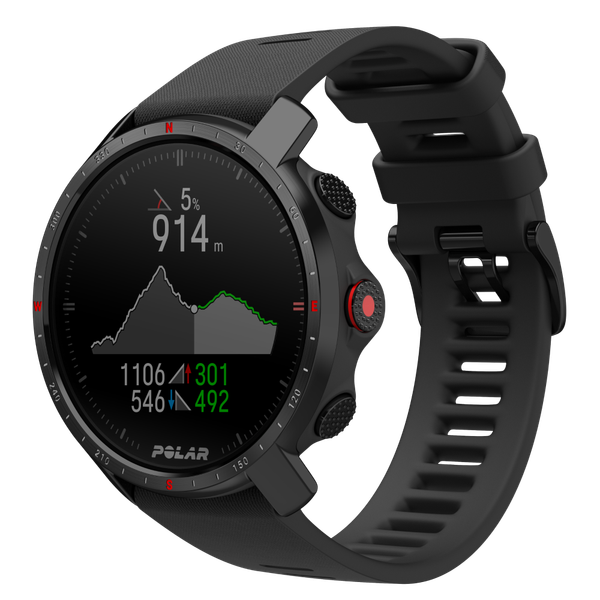
Polar Grit X Pro: Military Grade Outdoor Watch With Sapphire Glass and Advanced Navigation for Expedition Athletes
Polar’s toughest watch combines MIL STD 810G durability, sapphire crystal, and ultra long battery life with the same scientifically rigorous training and recovery analytics that have guided elite endurance athletes…

Flow Neuroscience tDCS Headset: Brain Stimulation for Depression Treatment
The first consumer transcranial direct current stimulation device to receive FDA Breakthrough Device designation for depression treatment, combining non invasive brain stimulation with a therapy app in a home use…

Ultra-Processed Food Is Rewiring Your Brain: What 385,000 People Reveal About Diet, Depression, and the Gut-Brain Axis
A meta-analysis of 385,541 people finds that high ultra-processed food consumption raises depression risk by 44 percent and anxiety risk by 48 percent. New research on the gut-brain axis, neuroinflammation,…
Fitbit Aria Air: Simple Body Composition Scale for the Fitbit and Google Ecosystem
Sometimes the most useful health device is the simplest one, the one you actually step on every morning without thinking about it. Presented By Our Partners Health technology has a…
The Daily Rounds: Longevity & Health Care Brief | May 27, 2026
🧠 Nasal Spray Reverses Brain Aging — Texas A&M's neural stem cell-derived nasal spray reversed chronic brain inflammation and restored memory in aged mice with benefits persisting months after just two doses, and a U.S. patent has been filed for clinical translation. 🔬 Four-Week Diet Reduces Biological Age — University of Sydney research published in Aging Cell found dietary shifts toward reduced fat or plant-forward eating produced measurable biological age improvements in adults aged 65 to 75 in just four weeks. 🤖 OpenBind Opens AI Drug Discovery to the World — Oxford's OpenBind initiative released the first open AI model and atomic-resolution protein-drug binding dataset, generating 800 measurements in seven months and democratizing global drug discovery infrastructure. 🦠 Gut Microbiome Directly Controls Interferon Immune Signaling — A multi-omic study of 110 healthy adults found gut microbial composition is a primary regulator of interferon signaling, one of the immune system's most powerful inflammatory response systems. ❤️ Irregular Bedtimes Double Heart Attack Risk — People with widely variable sleep schedules face approximately twice the cardiac event risk of consistent sleepers, establishing sleep schedule regularity as a newly quantified modifiable cardiovascular risk factor.
