
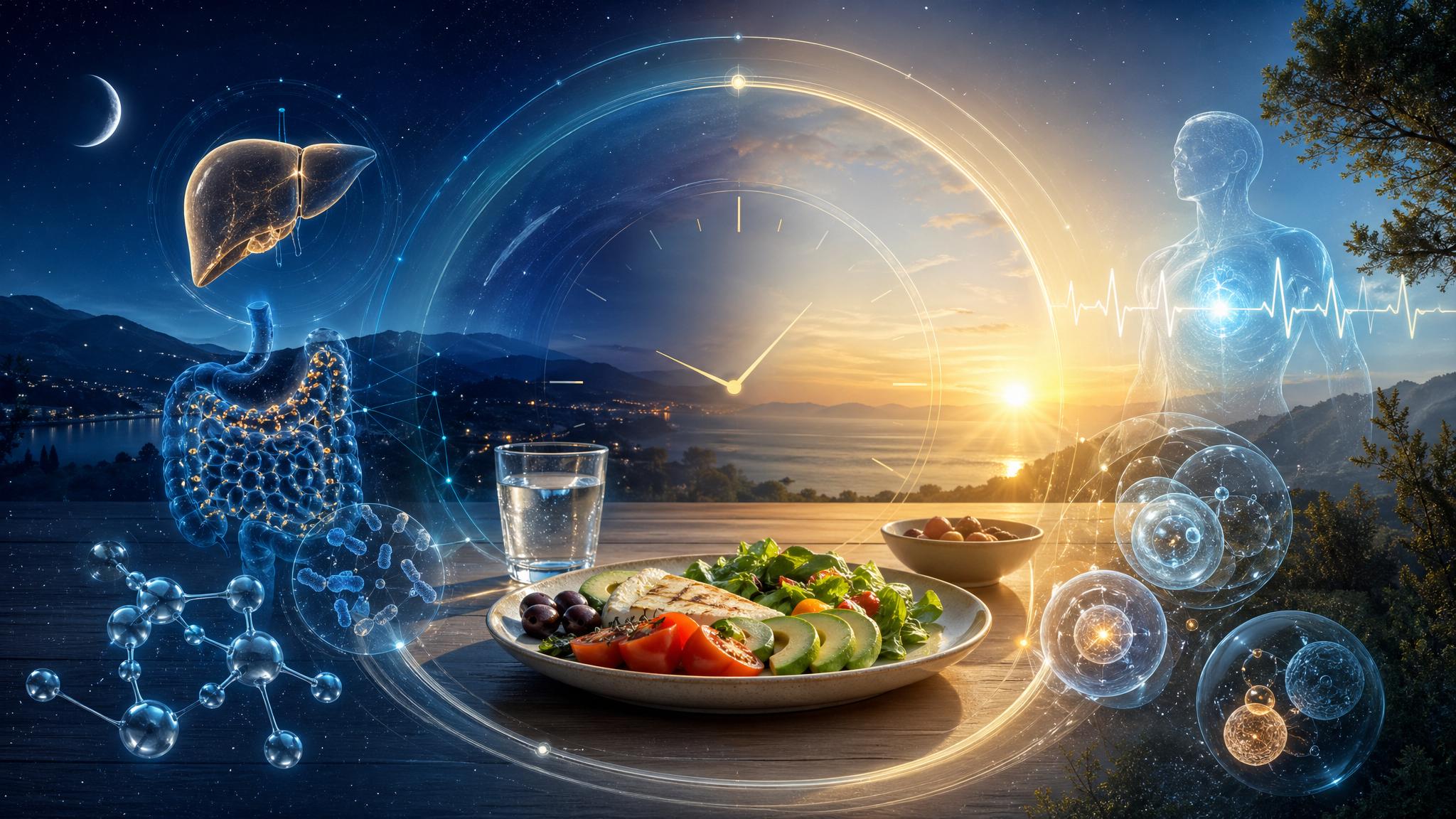
The Three-Day Threshold: New Research Maps When Fasting Actually Transforms Your Body at the Molecular Level
A proteomics study tracking 3,000 proteins during a seven-day water-only fast found that the body’s most dramatic biological changes do not appear until 72 hours in. The implications are reshaping how scientists understand fasting, inflammation, and longevity.
Presented By Our Partners



You have probably heard that intermittent fasting has benefits. You may have tried a 16:8 eating window, skipped breakfast, or pushed through a 24-hour fast. But a landmark study published in Nature Metabolism by researchers at Queen Mary University of London and the Norwegian School of Sports Sciences has delivered a finding that forces us to reconsider what fasting actually is, biologically speaking, and when it begins to do its most interesting work.
The answer, according to one of the most comprehensive molecular analyses of prolonged fasting ever conducted in humans, is not when you expect. The body’s most profound internal transformation does not begin in the first hours of caloric restriction. It begins somewhere around the 72-hour mark. Day three of a complete fast appears to function as a kind of biological switch, triggering sweeping changes across more than one third of the roughly 3,000 proteins the research team tracked in participant blood samples. Some of the largest shifts involved proteins tied to the brain’s structural scaffolding, changes no researcher had observed before at this level of resolution.
“For the first time, we’re able to see what’s happening on a molecular level across the body when we fast,” said Claudia Langenberg, Director of Queen Mary’s Precision Health University Research Institute (PHURI) and co-lead author of the study. “Fasting, when done safely, is an effective weight loss intervention. Popular diets that incorporate fasting, such as intermittent fasting, claim to have health benefits beyond weight loss. Our results provide evidence for the health benefits of fasting beyond weight loss, but these were only visible after three days of total caloric restriction — later than we previously thought.”
How the Study Was Conducted
The research team enrolled 12 healthy adult volunteers and monitored them through a seven-day, water-only fast. Blood samples were collected daily throughout the fast and again during a three-day refeeding period that followed. Using advanced proteomics technology, the scientists analyzed roughly 3,000 proteins circulating in the bloodstream at each time point.
Proteomics is the large-scale study of proteins within a biological system. Because proteins are the molecular workhorses of every cell, tissue, and organ, tracking how their levels and activities shift across time gives researchers an unusually detailed window into what the body is actually doing. This method goes far beyond measuring a handful of metabolic markers, as earlier fasting research had done. It generates something closer to a whole-body molecular portrait.
The study was led by Langenberg and Maik Pietzner, Health Data Chair of PHURI and co-lead of the Computational Medicine Group at the Berlin Institute of Health at Charité. The team also included Giles Yeo and Stephen O’Rahilly from the University of Cambridge’s MRC Metabolic Diseases Unit, two of the world’s leading metabolic researchers, along with exercise physiologists from the Norwegian School of Sports Sciences.
The First Three Days: Expected But Important
During the first 48 to 72 hours of fasting, the body does what physiologists have long understood it to do. Without incoming glucose from food, insulin levels drop. The liver begins breaking down glycogen, its stored form of glucose, and depletes those reserves within roughly 24 hours. The body then accelerates fat mobilization, pulling triglycerides from adipose tissue and converting fatty acids into ketone bodies that can fuel the brain and other organs.
This metabolic pivot from glucose burning to fat burning is the basis of ketogenic diets and the rationale behind much of the therapeutic interest in fasting. The protein data confirmed this shift clearly. Proteins associated with fatty acid oxidation, ketone production, and glucose suppression rose substantially in the first several days.
Participants lost an average of 5.7 kilograms (about 12.5 pounds) by the end of the seven-day fast, a combination of both fat mass and lean tissue including muscle and water. When participants resumed eating for three days, most of the lean tissue loss recovered relatively quickly, while a substantial portion of the fat loss remained, a pattern consistent with earlier fasting research.
These findings are meaningful on their own. But they were not the surprise.
After Day Three: The Molecular Transformation Nobody Expected
The study’s most striking finding was the timing of the body’s deepest biological response. More than one third of the 3,000 proteins tracked changed significantly across the fasting period, and the largest, most coordinated wave of those changes did not emerge during the first day or two of caloric restriction. It emerged after the body had been without food for approximately 72 hours.
Some of the proteins showing the largest shifts were not the usual suspects from metabolic research. Among the most notable were extracellular matrix (ECM) proteins, structural molecules that form the scaffolding surrounding cells throughout the body’s tissues and organs. The extracellular matrix is not passive scaffolding. It actively regulates cell behavior, tissue repair, inflammation, and the communication between neighboring cells.
The fasting signature was, in the researchers’ words, “strongly enriched for extracellular matrix proteins from various body sites,” pointing to what they described as “profound non-metabolic adaptations” occurring throughout the body during extended caloric restriction.
Perhaps the most unexpected finding involved the brain. Among the proteins that changed most dramatically after day three was tenascin-R, a brain-specific extracellular matrix protein involved in forming and maintaining the structural support network surrounding neurons. Tenascin-R plays a role in synaptic plasticity, the brain’s ability to strengthen or weaken connections between neurons in response to experience, learning, and repair.
Featured Partner
Invest in the Infrastructure Behind Modern Medicine
As healthcare expands beyond hospital walls, the buildings and campuses supporting that shift are generating compelling returns for investors who move early. The Healthcare Real Estate Fund offers qualified investors direct access to a curated portfolio of medical office, outpatient, and specialty care facilities.
Learn More →
The presence of tenascin-R among the top-changing proteins suggests that extended fasting may be doing something to the brain’s structural architecture that prior fasting research had never detected. Whether this represents a protective, regenerative, or neutral change in humans remains to be fully determined. But the signal is hard to ignore.
Protein Changes Were Remarkably Consistent Across Volunteers
One detail that impressed the research team was how consistent the protein-level changes were from person to person. Despite individual differences in age, body composition, and baseline metabolism, the molecular fasting response followed a highly similar pattern across participants. This consistency suggests the body follows a coordinated, evolutionarily conserved program during extended food deprivation rather than a chaotic and unpredictable response.
“Our findings have provided a basis for some age-old knowledge as to why fasting is used for certain conditions,” said Pietzner. “While fasting may be beneficial for treating some conditions, often times, fasting won’t be an option to patients suffering from ill health. We hope that these findings can provide information about why fasting is beneficial in certain cases, which can then be used to develop treatments that patients are able to do.”
This is the most consequential downstream implication of the work. If scientists can identify the specific proteins and pathways driving fasting’s beneficial effects, they may eventually be able to develop drugs or interventions that trigger those same changes without requiring patients to stop eating for days. For people with chronic diseases, elderly patients, or those with conditions that preclude multi-day fasting, a pharmacological shortcut to some of fasting’s molecular benefits could be transformative.
What the Genetic Data Revealed
To better understand the potential long-term health relevance of the protein changes they observed, the researchers analyzed genetic data from large human studies and examined how the fasting-induced shifts might relate to disease risk profiles across populations.
The findings suggested possible connections between fasting-induced protein changes and improvements in several biological pathways associated with inflammation, metabolic disease, and immune regulation. While these associations are not proof of causality and require further investigation, they lend biological plausibility to the idea that the protein changes observed during extended fasting reflect something more than a temporary survival response. They may represent a shift toward a physiological state that reduces long-term chronic disease risk.
Chronic low-grade inflammation is a driver of what researchers at Healthcare Discovery refer to as the Four Shadows: cardiovascular disease, cancer, neurodegenerative disease, and metabolic dysfunction. Any intervention that demonstrably modulates the inflammatory protein landscape at the molecular level deserves careful scientific scrutiny, particularly given the high burden of these conditions globally.
The Risks Are Real and Should Not Be Dismissed
The research community’s growing interest in extended fasting does not come without important caveats, and the Queen Mary team was direct about this.
A follow-up proteomics study that examined a prolonged water-only fasting cohort found evidence of increased inflammation, platelet activation, and changes in blood clotting-related pathways during extended fasting periods. The researchers noted that these effects may represent temporary physiological stress responses, but they also emphasized the need for significantly more research into the long-term health consequences of extreme caloric restriction in diverse populations.
Extended fasting also carries practical risks that go beyond the molecular. Dehydration, electrolyte imbalances including dangerously low sodium, potassium, and magnesium levels, orthostatic dizziness, impaired judgment, and potentially serious complications in people with diabetes, eating disorder history, cardiovascular disease, or kidney conditions are all documented concerns.
Prolonged fasting is not a wellness trend to be approached casually. Even the researchers who are most excited about its therapeutic potential are emphatic on this point: anything beyond 24 to 36 hours of caloric restriction should be done only under medical supervision, with electrolyte monitoring and clinical oversight.
What This Means for Popular Fasting Approaches
The three-day threshold finding invites a fresh look at the landscape of fasting protocols that have proliferated in the wellness and longevity space. It raises a specific and important question: are shorter fasting windows actually achieving the most dramatic molecular effects the research now describes?
The honest answer, based on this data, is probably not. The protein changes that appeared most relevant to disease risk and structural biological remodeling emerged after approximately 72 hours of complete caloric restriction, well beyond the scope of daily 16:8 intermittent fasting windows or even 24-hour fasts.
This does not mean shorter fasting windows are without value. A growing body of research supports the metabolic benefits of time-restricted eating, including improvements in insulin sensitivity, circadian rhythm alignment, blood glucose stability, and inflammatory markers. A 2025 review published in Metabolic Syndrome and Related Disorders found that even modest eating window reductions produced measurable improvements in fasting glucose and lipid profiles in metabolic syndrome patients.
What the Nature Metabolism proteomics data suggests is that there may be a qualitatively different category of biological response that only becomes accessible during multi-day fasts. The shorter interventions may be optimizing the metabolic machinery. The multi-day fast, at least after the 72-hour threshold, appears to be doing something to the structural architecture of the body’s tissues, including the brain, that shorter windows do not reach.
This distinction matters for how clinicians, researchers, and individuals think about fasting protocols. The right tool depends on the goal. Metabolic tuning and circadian optimization may be achievable through shorter windows. Structural and neuro-protective biological remodeling, if the current findings hold up in larger studies, may require a different approach.
The Science Behind Prolonged Fasting and Cellular Repair
The broader scientific context helps explain why the three-day threshold makes biological sense. During the first 24 to 48 hours of fasting, the body is primarily managing the transition from fed to fasted state. It is clearing glucose from the blood, emptying glycogen stores, and beginning to ramp up fat oxidation and ketogenesis.
It is not until this initial transition is complete, and the body has fully entered a sustained fasted state, that deeper cellular maintenance programs appear to activate at scale. These include autophagy, the cellular recycling process by which cells break down and repurpose damaged proteins and organelles, and other repair-oriented programs that appear to be suppressed when the body is in a fed, growth-oriented state driven by insulin and mTOR signaling.
The proteomics data from the Queen Mary study is consistent with this biology. The large-scale protein shifts after day three may reflect the body’s entrance into a sustained, deep maintenance mode that goes far beyond fat burning. The changes to extracellular matrix proteins, brain structural proteins, and immune-related pathways suggest a whole-body remodeling response that short-duration fasting simply does not trigger at the same scale.
What This Means for You
If you practice intermittent fasting or time-restricted eating, the research from Queen Mary does not undermine your approach. The metabolic benefits of regular eating windows are well-supported, and the habits you build around food timing, circadian alignment, and insulin management remain valuable. Keep doing what is working.
If you are curious about the deeper molecular changes this research describes, here is what the science currently supports:
First, the most dramatic biological effects appeared after 72 hours of complete caloric restriction in otherwise healthy volunteers. This is not a protocol to pursue without medical oversight, particularly if you have any history of metabolic, cardiovascular, or eating-related conditions.
Second, the finding that many fasting benefits appear to require multi-day caloric restriction points toward the importance of periodically giving the body extended breaks from feeding. Whether periodic multi-day fasts, the fasting-mimicking diet developed by researcher Valter Longo at the University of Southern California, or other structured longer protocols can achieve the same molecular effects while reducing risk remains an active area of investigation.
Third, the fact that lean tissue loss recovered quickly after refeeding but fat loss was retained is relevant for anyone thinking about body composition management through fasting. The refeeding strategy matters as much as the fast itself.
Finally, researchers are now working to understand whether the protein changes observed during extended fasting, particularly those involving brain structural proteins, have therapeutic relevance for neurological health and aging. The tenascin-R finding alone is likely to generate years of follow-up research. We will be watching closely as those results emerge.
The bottom line: fasting is far more biologically sophisticated than the wellness world generally acknowledges. The Queen Mary proteomics study has given scientists the clearest map yet of when and how that transformation unfolds. The three-day threshold is not just a curiosity. It may be one of the most important molecular timelines in the emerging science of longevity.
Source: Pietzner et al., “Systemic proteome adaptions to 7-day complete caloric restriction in humans,” Nature Metabolism, 2024; 6(4):764. DOI: 10.1038/s42255-024-01008-9. Reported by Queen Mary University of London, ScienceDaily, May 17, 2026.


Similar Posts

🧬 Daily Discoveries: Longevity & Health Intelligence — March 25, 2026
Your daily brief on the latest longevity science, health technology, and lifestyle research — covering cellular health, AI in medicine, cardiovascular breakthroughs, sleep science, and more.
The Cardiac Amyloidosis Revolution: How ATTR Therapies Are Rewriting Heart Failure Treatment in 2026
For decades, cardiac amyloidosis was a diagnosis cardiologists whispered and patients rarely heard. In 2026, tafamidis, acoramidis, RNA silencers, and a CRISPR gene editing therapy are transforming ATTR care and…

Your Genes Determine Half Your Lifespan: The Weizmann Study That Rewrites Longevity Science
A landmark Science study from Israel’s Weizmann Institute reveals that genetics accounts for roughly 50% of variation in human lifespan, more than double previous estimates, upending decades of thinking about…

The AI Stool Test That Could Replace Colonoscopy: Inside the Gut Microbiome Science Changing Cancer Screening
Researchers at the University of Geneva used machine learning to map gut bacteria at the subspecies level and detect 90% of colorectal cancers from a simple stool sample. The test…
CORE Body Temperature Sensor: Continuous Core Temp Monitoring for Athletes and Heat Safety
A chest-strap sensor that continuously estimates core body temperature during exercise, offering athletes and military personnel a real-time window into thermoregulation that was previously available only through invasive clinical methods….
Mito Red Light MitoPRO 750 Review: Red Light Therapy for Recovery, Skin Health, and Cellular Energy
At four wavelengths and under $600, the MitoPRO 750 asks whether clinical grade photobiomodulation needs to cost four figures. Presented By Our Partners In 2017, a research team at Massachusetts…
