
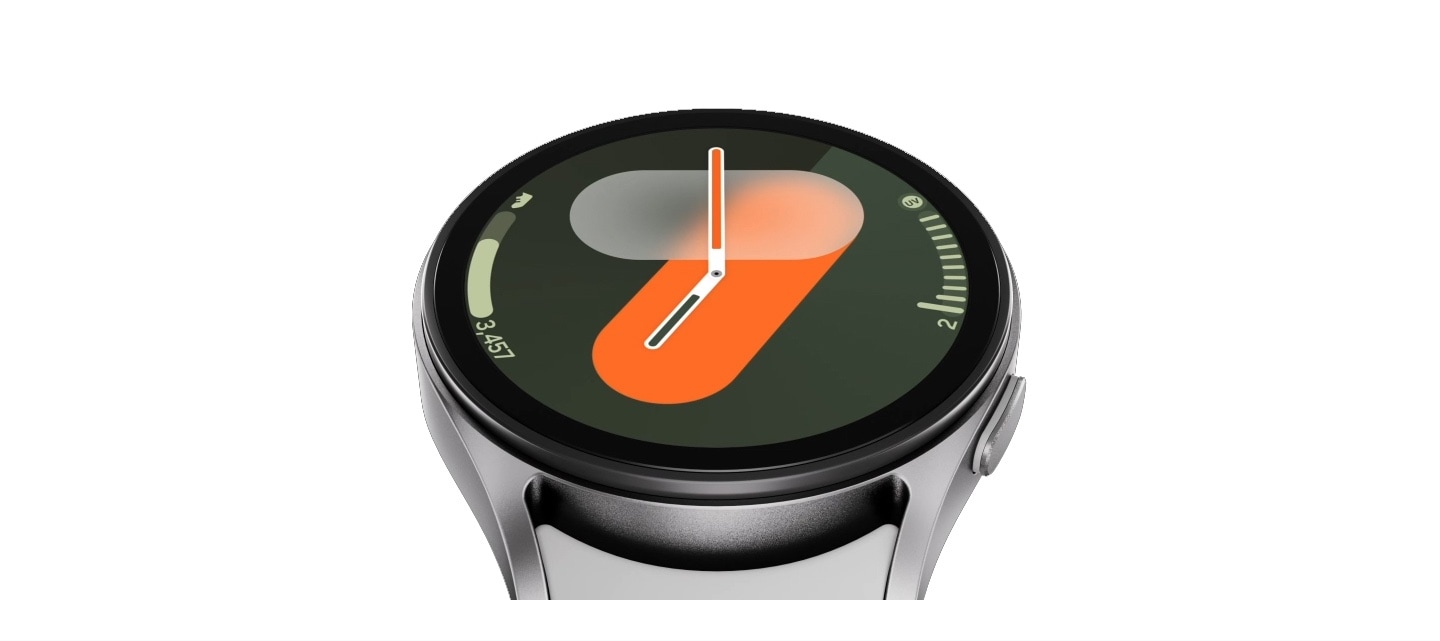
Samsung Galaxy Watch 7 Sleep: FDA-Cleared Sleep Apnea Detection and AI Sleep Coaching
The first smartwatch to receive FDA authorization for sleep apnea detection, using blood oxygen patterns during sleep to screen for a condition that affects nearly a billion people worldwide and remains undiagnosed in most of them.
Presented By Our Partners



Obstructive sleep apnea is one of the most common and most underdiagnosed conditions in medicine. An estimated 936 million adults worldwide live with it, yet approximately 80% of moderate to severe cases remain unidentified. The consequences of this diagnostic gap are severe: untreated sleep apnea is independently associated with hypertension, atrial fibrillation, stroke, heart failure, type 2 diabetes, and significantly elevated cardiovascular mortality. A 2017 dose-response meta-analysis published in the Journal of the American Heart Association by Yin et al. demonstrated that disrupted and insufficient sleep increases all-cause mortality risk in a dose-dependent manner, with each hour below seven hours per night raising risk by 6% (DOI). Sleep apnea fragments sleep architecture, reduces total sleep time, and creates repeated oxygen desaturations that compound cardiovascular damage night after night. The Samsung Galaxy Watch 7, with its FDA-cleared sleep apnea detection, puts a screening tool for this invisible epidemic on the wrists of millions of Android users.
What Is Samsung Galaxy Watch 7 Sleep Tracking?
The Samsung Galaxy Watch 7 is an Android-compatible smartwatch that includes a comprehensive sleep monitoring system alongside its flagship feature: FDA-cleared sleep apnea detection. The sleep system tracks sleep stages (Awake, Light, Deep, REM), SpO2 (blood oxygen saturation), snoring detection via the phone’s microphone, sleep duration and consistency, and generates a composite Sleep Score with an Energy Score for morning readiness.
The sleep apnea detection feature works by monitoring blood oxygen patterns over multiple nights while the user sleeps. The algorithm analyzes the frequency and severity of oxygen desaturations to identify patterns consistent with moderate to severe obstructive sleep apnea. When the watch detects a concerning pattern, it notifies the user and recommends clinical evaluation. This received FDA De Novo authorization, making the Samsung Galaxy Watch one of the first consumer wearables cleared for sleep apnea screening.
Samsung’s Galaxy AI integration provides personalized sleep coaching based on accumulated sleep data, offering bedtime recommendations, sleep environment tips, and behavioral nudges designed to improve sleep consistency and quality over time. All data syncs to the Samsung Health app, which provides detailed trend analysis and integration with Samsung’s broader health ecosystem.
The Science Behind Sleep Apnea Screening
Obstructive sleep apnea occurs when the muscles supporting the soft palate, tongue, and throat relax during sleep, causing the airway to narrow or close completely. Each closure (apnea) or partial closure (hypopnea) causes blood oxygen to drop, triggers a brief arousal that fragments sleep architecture, and activates the sympathetic nervous system. In severe cases, these events can occur 30 or more times per hour throughout the night.
The clinical gold standard for sleep apnea diagnosis is polysomnography (PSG), an overnight study in a sleep laboratory that monitors brain activity, eye movement, muscle activity, heart rhythm, breathing effort, airflow, and blood oxygen. PSG produces the apnea-hypopnea index (AHI): the number of apnea and hypopnea events per hour of sleep. An AHI of 5 to 15 indicates mild sleep apnea; 15 to 30 indicates moderate; above 30 indicates severe.
Consumer wearables approach sleep apnea screening through a different pathway. Rather than measuring airflow and breathing effort directly, they monitor the downstream consequence of apnea events: oxygen desaturation. Each time breathing stops, blood oxygen drops; when breathing resumes, oxygen recovers. This saw-tooth pattern of repeated desaturations is characteristic of obstructive sleep apnea and can be detected by optical SpO2 sensors on the wrist.
The Samsung Galaxy Watch 7’s FDA-cleared algorithm analyzes these oxygen desaturation patterns across multiple nights to determine whether the pattern is consistent with moderate to severe obstructive sleep apnea. The multi-night approach improves specificity by distinguishing habitual sleep-disordered breathing from occasional positional or environmental factors.
The cardiovascular consequences of untreated sleep apnea are substantial. The condition is an independent risk factor for hypertension, atrial fibrillation, coronary artery disease, stroke, and heart failure. It also contributes to metabolic dysfunction through insulin resistance and impaired glucose tolerance. Within Healthcare Discovery’s Four Villains framework, untreated sleep apnea directly accelerates cardiovascular disease and metabolic dysfunction, two of the four primary threats to healthspan.
That is the science. Here is how the Samsung Galaxy Watch 7 applies it.
What Samsung Galaxy Watch 7 Sleep Tracking Does Well
The FDA-cleared sleep apnea detection is the Samsung Galaxy Watch 7’s defining feature for sleep monitoring. This is not a wellness estimate or an unofficial workaround; it is a regulatory-authorized screening tool for a condition that affects roughly one in ten adults. For the approximately 750 million people with undiagnosed sleep apnea worldwide, a screening tool that works passively during normal sleep, without a laboratory visit, without a physician referral, and without any action beyond wearing a watch to bed, represents a meaningful public health advance.
Snoring detection complements the sleep apnea screening by capturing audio data through the paired smartphone’s microphone. While the watch detects oxygen desaturation patterns, snoring data provides the audible dimension that clinicians typically ask about during sleep apnea evaluations. Having both data streams available when discussing results with a physician creates a more complete picture.
The Galaxy AI sleep coaching system learns from accumulated data to provide personalized recommendations. Rather than generic sleep hygiene advice, the AI adapts suggestions based on the user’s actual sleep patterns, consistency, and response to previous recommendations. This adaptive coaching closes the gap between data collection and behavior change.
At $299.99 with no subscription required for any sleep feature, the Samsung Galaxy Watch 7 offers the most affordable FDA-cleared sleep apnea screening device available. All sleep analytics, coaching, and the apnea detection feature are included in the base price.
Featured Partner
Invest in the Infrastructure Behind Modern Medicine
As healthcare expands beyond hospital walls, the buildings and campuses supporting that shift are generating compelling returns for investors who move early. The Healthcare Real Estate Fund offers qualified investors direct access to a curated portfolio of medical office, outpatient, and specialty care facilities.
Learn More →
Pricing, Access, and Practical Realities
The Samsung Galaxy Watch 7 retails for $299.99. There is no subscription fee for any health or sleep tracking feature. The first-year total cost of ownership is $299.99, making it the most affordable smartwatch with FDA-cleared sleep apnea detection.
The device requires a Samsung Galaxy smartphone for full functionality, which limits its audience to the Android/Samsung ecosystem. Some features, including sleep apnea detection, may not be available in all markets at launch and may require software updates to activate.
The sleep apnea detection feature has FDA clearance for screening moderate to severe obstructive sleep apnea. It is not a diagnostic tool; positive results should be followed by clinical evaluation with a sleep medicine specialist and, typically, a formal polysomnography or home sleep apnea test. The watch screens; the clinic diagnoses.
Battery life is approximately 40 hours with typical use, which requires charging approximately every other day. While not as constraining as the Apple Watch’s daily charging requirement, it does require attention to ensure the watch is sufficiently charged for overnight sleep tracking.
Who Samsung Galaxy Watch 7 Sleep Tracking Is Best For
The Samsung Galaxy Watch 7 is ideal for Android users who want comprehensive sleep monitoring with FDA-cleared sleep apnea screening. It suits people who snore heavily or have been told by a partner that they stop breathing during sleep, overweight or obese adults (a primary risk factor for sleep apnea), anyone with a family history of sleep apnea, and Android users who want the most sleep-capable smartwatch for their platform.
The device is particularly valuable as a screening tool for people who suspect they might have sleep apnea but have not pursued clinical evaluation. The barrier to a sleep study (referral, scheduling, expense, sleeping in a lab) deters many people from getting diagnosed. A watch that passively screens during normal home sleep eliminates those barriers.
People who should look elsewhere include iPhone users (the Galaxy Watch requires a Samsung/Android phone), those seeking the deepest sleep-specific analytics (the Oura Ring provides more granular sleep data), and users who prioritize multi-week battery life for uninterrupted sleep tracking (the Garmin Venu 3 is superior on battery duration).
How Samsung Galaxy Watch 7 Sleep Compares
Against the Apple Watch Series 9/10 ($399 to $499), the Samsung Galaxy Watch 7 is $100+ cheaper and currently offers FDA-cleared sleep apnea detection (Apple Watch Series 10 has received similar clearance). Both devices provide sleep staging, SpO2, and smart wake features. The Samsung adds snoring detection; the Apple adds wrist temperature. The choice largely depends on smartphone ecosystem (Samsung/Android vs. iPhone).
Against the Garmin Venu 3 ($449.99), the Samsung is $150 cheaper and offers FDA-cleared sleep apnea screening that Garmin does not. Garmin counters with nap detection, Body Battery, and 14-day battery life. For sleep apnea screening, Samsung is the clear winner. For overall sleep tracking depth and battery life, Garmin is superior.
Against the Withings Sleep Analyzer ($129.95, under-mattress), the Samsung provides FDA-cleared sleep apnea screening and full smartwatch capabilities, while the Withings offers a non-wearable form factor with its own breathing disturbance detection (not FDA cleared). For users who refuse to wear anything on their wrist during sleep, Withings is the alternative.
Limitations and Open Questions
The sleep apnea detection feature screens for moderate to severe obstructive sleep apnea only. Mild sleep apnea, which still carries health risks and affects a larger population, may not be detected by the current algorithm. Users with mild symptoms should not interpret a negative screening result as a clean bill of health.
The requirement for a Samsung Galaxy smartphone limits the potential user base. Samsung Health integration is deepest on Samsung devices, and some features may be unavailable or limited on non-Samsung Android phones.
Battery life of approximately 40 hours means the watch needs charging every one to two days, creating potential gaps in sleep tracking data. Users who forget to charge or who use GPS-intensive features during the day may find the battery insufficient for reliable overnight monitoring every night.
The Galaxy AI coaching system, while personalized, is still developing. Early-generation AI sleep coaching from any manufacturer tends to produce generic recommendations until sufficient data has accumulated, and the personalization depth varies by feature availability in different markets.
What This Means for Your Health
Sleep apnea is a silent accelerator of cardiovascular disease, metabolic dysfunction, and cognitive decline. It fragments the sleep architecture that the brain and body need for repair, recovery, and waste clearance. Within HealthcareDiscovery.ai’s longevity framework, untreated sleep apnea attacks the sleep pillar directly while simultaneously driving two of the Four Villains: cardiovascular disease through hypertension and arrhythmia, and metabolic dysfunction through insulin resistance.
The Samsung Galaxy Watch 7’s FDA-cleared sleep apnea detection matters because it converts a condition that requires clinical initiative to detect into one that can be passively screened during normal life. The person who would never schedule a sleep study might notice a notification on their watch suggesting they talk to a doctor. That notification, backed by FDA authorization, carries clinical weight that a wellness estimate does not.
At $299.99, it is the most affordable path to FDA-cleared sleep apnea screening currently available. For the hundreds of millions of people living with undiagnosed sleep apnea, a device that screens while they sleep could be the first step toward treatment that adds years to their healthspan.
Explore the full wearable guide
Samsung Galaxy Watch 7 is one piece of a much larger wearable health landscape. For a broader comparison of smartwatches, rings, glucose monitors, sleep trackers, recovery tools, and clinical-grade devices, see the full HealthcareDiscovery.ai guide to wearable health technology.
Frequently Asked Questions
Is the Samsung Galaxy Watch 7 sleep apnea detection FDA approved?
The Samsung Galaxy Watch 7 has received FDA De Novo authorization (a form of FDA clearance for novel devices) for sleep apnea detection. It is cleared to screen for signs of moderate to severe obstructive sleep apnea by analyzing blood oxygen patterns during sleep over multiple nights. It is a screening tool, not a diagnostic device. Positive results should be followed by clinical evaluation and a formal sleep study.
How does the Samsung Galaxy Watch 7 detect sleep apnea?
The watch monitors blood oxygen (SpO2) patterns during sleep using its optical sensor. Obstructive sleep apnea causes repeated oxygen desaturations when breathing stops temporarily. The FDA-cleared algorithm analyzes the frequency and pattern of these desaturations across multiple nights to determine whether the pattern is consistent with moderate to severe sleep apnea. The multi-night approach reduces false positives from single-night anomalies.
Does the Samsung Galaxy Watch 7 require a subscription for sleep features?
No. All sleep tracking features, including sleep staging, Sleep Score, Energy Score, snoring detection, sleep apnea screening, SpO2 monitoring, and Galaxy AI sleep coaching, are included with the device at no additional cost. There is no subscription or premium tier required for any sleep-related feature.
How much does the Samsung Galaxy Watch 7 cost?
The Samsung Galaxy Watch 7 retails for $299.99, making it the most affordable smartwatch with FDA-cleared sleep apnea detection. No subscription is required, so the first-year total cost of ownership is $299.99.
Does the Samsung Galaxy Watch 7 work with iPhone?
No. The Samsung Galaxy Watch 7 requires a Samsung Galaxy smartphone or compatible Android device for full functionality. iPhone users should consider the Apple Watch Series 10 (which has received similar FDA clearance for sleep apnea notifications) or other iOS-compatible sleep tracking devices.
How does snoring detection work on the Samsung Galaxy Watch 7?
Snoring detection uses the paired smartphone’s microphone to capture audio during sleep. The phone must be placed near the bed with the Samsung Health app’s snoring detection feature enabled. The system records snoring events and reports their frequency and duration. It cannot perfectly distinguish between the user’s snoring and a sleep partner’s snoring, but provides useful data for discussion with a healthcare provider.


Similar Posts
The Daily Rounds: Longevity & Health Care Brief | May 17, 2026
🧠 Brain Training Cuts Dementia Risk by 25% — Cognitive speed training reduced dementia incidence by 25% over 20 years in a large randomized trial, the first intervention to demonstrate this effect at scale. 🧬 Naked Mole Rat Gene Extends Mouse Healthspan — Transferring a longevity-associated gene across species produced healthier, longer-lived mice, showing that species-specific aging mechanisms can be successfully transposed. ⌚ Wearables Detect Diabetes Without Blood Tests — Sleep and temperature data from consumer wearables detected diabetes with 0.880 AUROC, pointing toward passive, blood-free disease screening at population scale. 🦠 Gut Microbes Predict Heart Disease Years Early — A gut-kidney-heart axis identified by Imperial College scientists enables cardiovascular disease prediction years before symptoms appear using microbiome biomarkers. 💪 Grip Strength Predicts Longevity Independently of Exercise — Simple muscle strength tests predicted 8-year mortality risk even in women who did not meet aerobic exercise guidelines, reinforcing strength as a primary longevity target.
The Daily Rounds: Longevity & Health Care Brief | April 1, 2026
🧬 Epigenetic reprogramming enters its first human trial as Life Biosciences begins treating retinal degeneration with ER-100, a cellular rejuvenation therapy that resets the biological clock without erasing cell identity. 💊 A gut bacteria compound doubles lung cancer immunotherapy response rates in preclinical models, pointing to the microbiome as a powerful and underutilized lever in oncology treatment protocols. 🤖 Over 173 AI-designed drug programs are now in human clinical trials, with 2026 marking the transition from AI-assisted research to AI-native drug discovery as a standard operating model. 🏋️ GLP-1 medications and exercise share a convergent molecular pathway through interleukin-6 signaling, meaning structured resistance and aerobic training is not just complementary to these medications but mechanistically synergistic. 😴 Consumer wearable sleep trackers have cleared the threshold for clinical validation, with the World Sleep Society formalizing recommendations that integrate these devices into clinical practice and disease management protocols.
How to Shop for an MRI Without Getting Lost in the Price Maze
A practical guide to getting the right MRI at the right place without being blindsided by CPT codes, facility fees, radiologist bills, network rules, cash prices, and deductible math.

The Four-Day Difference: What England’s AI Lung-Cancer Rollout Says About Healthcare Delivery
England’s national AI chest X-ray rollout is a useful test of healthcare AI’s real promise: not just detecting a signal, but moving patients faster from scan to diagnosis, follow-up, and…

Plunge Cold Plunge Tub Review: Electric Cold Water Immersion for Recovery, Inflammation, and Mental Resilience
The Plunge delivers consistent, temperature controlled cold water immersion without the ice runs, bringing clinical grade cold exposure to the home recovery protocol. Presented By Our Partners Cold water immersion…

AI Is Now Building Drugs That Target Aging Itself: Inside the Longevity Board and the New Science of Healthspan Medicine
A Nobel laureate on its board. The world’s largest pharmaceutical company as a founding partner. And a scientific mission to build drugs that target aging itself. Inside Insilico Medicine’s Longevity…
