Microscopic view of cells representing cellular senescence research and senolytic therapy for aging
| | |

Zombie Cells Are Destroying Your Body From Within. Scientists Are Finally Learning How to Kill Them.

Senescent “zombie” cells accumulate with age, leaking inflammatory molecules that accelerate disease across every organ. For the first time, clinical trials of senolytic drugs and CAR-T immune therapies are proving that clearing these cells can improve cognition, restore vision, and reverse metabolic dysfunction. Here is the science, the evidence, and what it means for your health today.

Abstract 3D visualization of a digital brain and neural network representing AI-driven longevity medicine breakthroughs in heart disease, drug discovery, and Alzheimer's research
| |

Heart Disease at 30, AI-Discovered Cures, and Reversed Alzheimer’s: Longevity Medicine’s Landmark Week

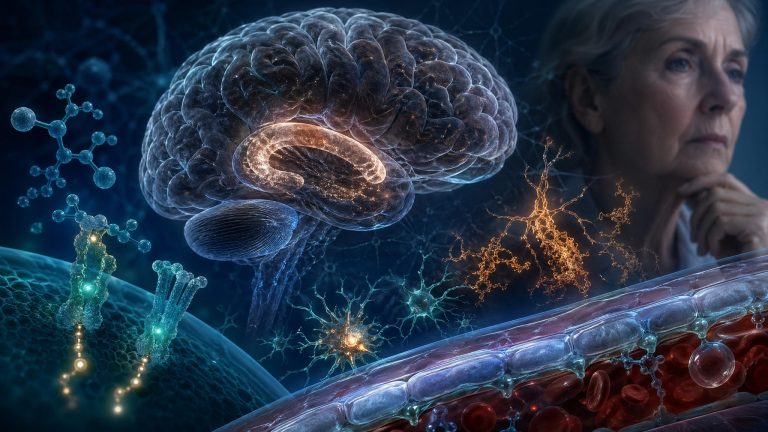
Three landmark developments are rewriting the rules of longevity medicine: cardiovascular prevention now starting at age 30, an AI platform published in Cell discovering treatments for liver cancer and pulmonary fibrosis, and a compound that fully reverses advanced Alzheimer’s disease in animal models. The convergence of precision diagnostics, AI-accelerated drug discovery, and cellular energy science marks a turning point in the science of aging.

Older adult performing strength training exercise, representing the connection between muscle health and longevity
| | |

Why Muscle Is the Organ of Longevity: New Research Reveals the Exercise Prescription That Actually Extends Your Life

New research from the UK Biobank, a landmark Cochrane review, and a breakthrough randomized controlled trial reveal why skeletal muscle is the most important organ for longevity, and why the popular Zone 2 training gospel may be missing the point. Here is the evidence-based exercise and nutrition prescription that actually extends your life.

DNA genomics and precision medicine concept representing polygenic risk scores for cardiovascular disease prevention
| | |

Your DNA Can Now Predict Heart Disease Before Symptoms Appear: How Polygenic Risk Scores Are Rewriting Cardiovascular Prevention

The 2026 ACC/AHA guidelines formally recognize polygenic risk scores as a risk-enhancing factor in cardiovascular prevention, marking a turning point for genomic medicine. A validated multi-ancestry score identifies up to 24 percent of individuals carrying hidden genetic heart disease risk that traditional screening misses. Combined with the Illumina Billion Cell Atlas and new centenarian longevity genetics research, precision medicine is shifting from treating disease to intercepting it before symptoms appear.

AI-powered gut microbiome stool test for colorectal cancer screening | Healthcare Discovery
| |

Longevity Breakthroughs 2026: Gut Bacteria, Epigenetic Reprogramming, and AI Converge at a Historic Inflection Point

Three landmark discoveries in early 2026 reveal how gut bacteria drive brain aging, epigenetic reprogramming enters its first human trial, and AI accelerates longevity science toward escape velocity.

Person using smartphone to research health information with AI chatbot assistance
| | |

One in Three Americans Now Ask AI About Their Health. Here’s What the Data Reveals.

A Rock Health survey of 8,000 Americans and a Microsoft analysis of 500,000 Copilot conversations reveal a seismic shift in how people navigate symptoms, treatments, and the healthcare system itself. The digital front door just got a new address.

Medical illustration representing cardiovascular aging research and heart rejuvenation science
| | |

How Scientists Are Learning to Reverse Cardiovascular Aging: From Centenarian Genes to Rapamycin

New research reveals that cardiovascular aging can be slowed and even reversed. A centenarian gene rewinds heart age by ten years, rapamycin improves diastolic function in elderly men within weeks, and brown fat drives vascular rejuvenation. Five converging lines of science are reshaping how we understand the aging heart.

Golden sunlight filtering through an ancient forest, representing nature's healing effect on the brain
| | |

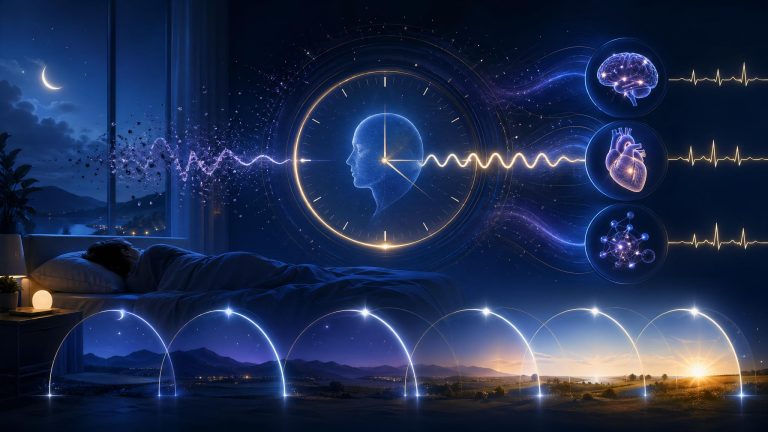
Your Brain Ages Faster When You Sleep Poorly: What 27,000 Brain Scans Reveal About Deep Sleep and Cognitive Longevity

A landmark study of 27,500 brain scans from the UK Biobank reveals that poor sleep accelerates brain aging by up to a full year, with systemic inflammation as the mediating pathway. Combined with new research on sleep spindles and Alzheimer’s risk, the science now points to deep sleep as the single most modifiable factor in cognitive longevity. Here is what the data says and what you can do about it tonight.

Scientist in a modern laboratory representing reversing biological aging research breakthroughs 2026
| | |

The Wearable That Rewires Walking: How Cionic’s Neural Sleeve 2 Is Redefining Neurological Mobility

A former Apple and Jawbone engineer built the first FDA-cleared wearable that simultaneously activates muscles and relaxes spasms, giving millions with MS, stroke, cerebral palsy, and spinal cord injuries the ability to walk again. Here is how the Cionic Neural Sleeve 2 works, why the science behind it matters, and what it means for the future of neurological care.

Scientist studying aging reversal and gut-brain axis connections in a modern biomedical laboratory
| |

From the Gut to the Genome: Three Converging Breakthroughs Redefine Aging Reversal in 2026

A landmark Nature study, the first FDA-cleared epigenetic reprogramming trial, and a next-generation AI drug discovery model converged in early 2026, signaling that aging reversal science has crossed into clinical reality. Here is what each breakthrough means and why together they matter more than any one alone.