
Samsung Galaxy Watch Ultra: Titanium Durability Meets Clinical Grade Heart and Sleep Monitoring
A rugged titanium smartwatch built for extreme conditions that also carries FDA cleared sleep apnea detection and irregular heart rhythm notifications, bridging adventure fitness with clinical cardiovascular monitoring.
Presented By Our Partners



Product status update, August 2026. This model has been superseded. Samsung opened pre-orders for the Galaxy Watch Ultra2 in July 2026.
Every 40 seconds, someone in the United States suffers a stroke. Every 33 seconds, someone dies from cardiovascular disease. These are not abstract statistics from a distant era of medicine. They come from the American Heart Association’s 2024 Heart Disease and Stroke Statistics Update, and they describe the world we live in right now. Cardiovascular disease remains the leading cause of death globally, responsible for roughly 17.9 million lives lost each year, according to the World Health Organization.
What makes these numbers especially frustrating is that the warning signs often appear years before a catastrophic event. Subtle shifts in heart rate variability, irregular heart rhythms that surface only during sleep, and changes in blood oxygen saturation during the night can all signal rising cardiovascular risk. The challenge has never been a lack of science. It has been a lack of access. The tools capable of detecting these signals have historically lived in hospitals and sleep laboratories, available only after symptoms become impossible to ignore.
That gap is narrowing. Consumer wearable technology has reached a point where FDA cleared cardiovascular monitoring rides on your wrist, collecting data across every hour of every day. The Samsung Galaxy Watch Ultra represents one of the most capable entries in this space: a titanium framed smartwatch that pairs rugged outdoor performance with clinical grade sleep apnea screening and irregular heart rhythm notification, all powered by Samsung’s BioActive sensor architecture.
What Is the Samsung Galaxy Watch Ultra?
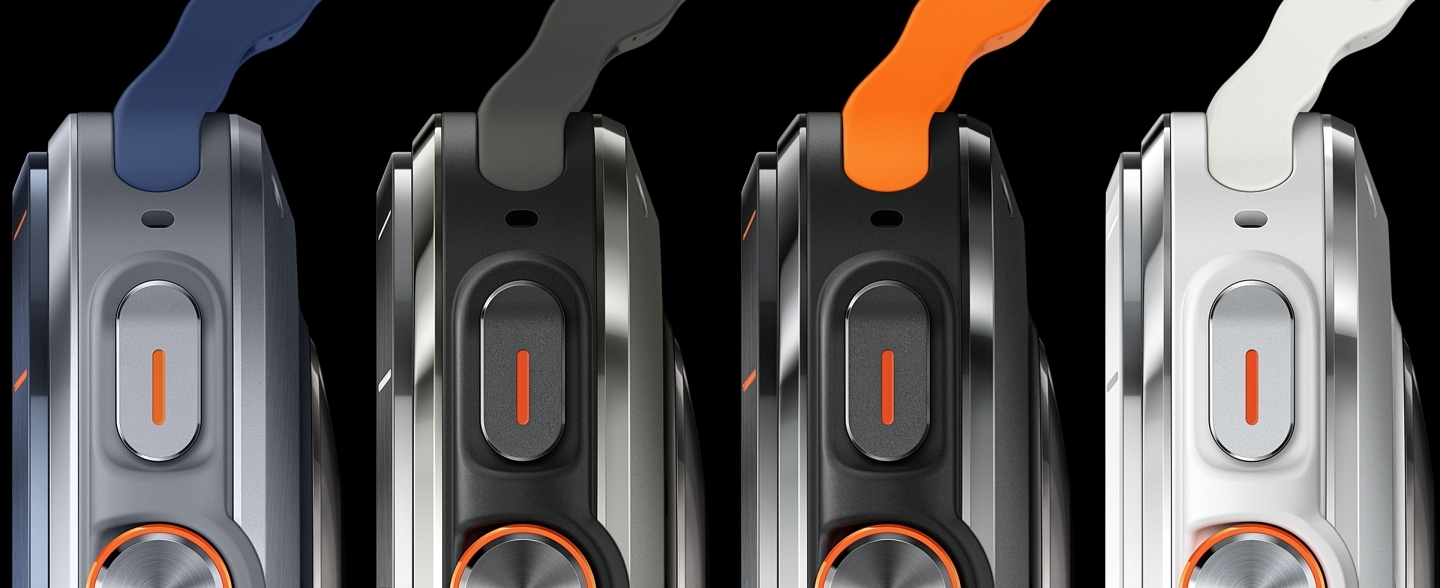
The Samsung Galaxy Watch Ultra is Samsung’s flagship smartwatch, designed for users who need durability, battery endurance, and advanced health monitoring in a single device. Built around a Grade 4 titanium case with a 47mm circular display and 10 ATM water resistance, it is engineered for extreme environments: ocean swimming, mountain hiking, and endurance sports where lesser devices fail.
Beneath the rugged exterior sits Samsung’s BioActive sensor, a three in one optical and electrical sensor array that captures heart rate, heart rate variability, blood oxygen saturation (SpO2), electrocardiogram (ECG) readings, and skin temperature. The watch runs Wear OS with Samsung’s One UI Watch overlay and integrates deeply with the Samsung Health ecosystem, including Samsung Health Monitor for blood pressure trending (available in select markets).
Key specifications include continuous heart rate and HRV tracking, FDA cleared irregular heart rhythm notifications (IHRN), FDA cleared sleep apnea detection via SpO2 monitoring, a multi frequency GPS system with offline turn by turn navigation, and Samsung’s proprietary Energy Score, which aggregates sleep quality, activity, and recovery metrics into a single daily readiness number. The watch retails at $649.99 with no subscription required for health features, a notable distinction from competitors that gate advanced analytics behind monthly fees.
The Science Behind It: Why Heart Rate Variability and Sleep Apnea Detection Matter
To understand why a device like the Samsung Galaxy Watch Ultra matters, you have to understand what it measures and why those measurements connect to long term health outcomes. Two biomarkers stand at the center of its clinical relevance: heart rate variability and obstructive sleep apnea.
Heart rate variability, the variation in time intervals between consecutive heartbeats, is one of the most studied non invasive markers of autonomic nervous system function. Higher HRV generally indicates a healthy, adaptable cardiovascular system with strong parasympathetic (vagal) tone. Lower HRV correlates with increased sympathetic dominance, chronic stress, systemic inflammation, and elevated cardiovascular risk. A landmark 1996 study published in Circulation by the Task Force of the European Society of Cardiology and the North American Society of Pacing and Electrophysiology established HRV as a clinically significant predictor of cardiac events, particularly post myocardial infarction. Decades of subsequent research have reinforced this finding: reduced HRV is independently associated with all cause mortality, sudden cardiac death, and the progression of heart failure.
The second critical biomarker is obstructive sleep apnea (OSA), a condition in which the upper airway repeatedly collapses during sleep, causing intermittent hypoxia and sleep fragmentation. OSA affects an estimated 936 million adults worldwide, and the vast majority remain undiagnosed. Untreated OSA significantly increases the risk of hypertension, atrial fibrillation, stroke, and heart failure. According to PubMed, a 2024 study published in the Journal of Clinical Neuroscience by Cinar Bilge et al. compared smartwatch based SpO2 and heart rate monitoring against gold standard polysomnography in 115 participants. The smartwatch demonstrated sensitivity ranging from 75% to 96% and specificity from 79% to 91% in predicting sleep apnea, with diagnostic accuracy (AUC) between 0.84 and 0.93. The highest agreement was found in individuals with severe OSA (DOI).
According to PubMed, a 2023 protocol published in the Journal of Sleep Research by Pires et al. established a systematic framework for evaluating consumer sleep technology against polysomnography for sleep disordered breathing detection, acknowledging that wearable devices have reached a threshold of accuracy sufficient for population level screening, though not individual clinical diagnosis (DOI).
Additionally, the BASEL Wearable Study, published in 2023 in JACC: Clinical Electrophysiology by Mannhart et al., evaluated five consumer smartwatches across 201 hospitalized patients and found that consumer grade ECG recordings achieved high diagnostic accuracy for atrial fibrillation detection, with sensitivity exceeding 90% across multiple devices. These findings validate the clinical utility of wrist worn cardiovascular monitoring as a screening layer between daily life and the cardiologist’s office.
That is the science. Here is how the Samsung Galaxy Watch Ultra applies it.
What the Samsung Galaxy Watch Ultra Does Well
The Galaxy Watch Ultra’s primary strength is the breadth of its sensor suite combined with zero subscription costs. Where competitors like WHOOP charge $30 per month for access to their analytics platform, Samsung provides continuous HRV tracking, sleep staging, ECG recording, SpO2 monitoring, sleep apnea screening, and the Energy Score readiness metric at no cost beyond the initial hardware purchase.
The FDA cleared sleep apnea detection feature is a genuine differentiator. The watch monitors blood oxygen levels during sleep across two or more nights and generates an assessment of moderate to severe obstructive sleep apnea risk. This is not a research feature or a beta. It carries FDA De Novo authorization, making it one of only a handful of consumer wearables with regulatory clearance for sleep apnea screening.
The irregular heart rhythm notification (IHRN) system uses the watch’s optical heart rate sensor to passively monitor for signs of atrial fibrillation. When a potential irregularity is detected, the watch prompts the user to record a 30 second ECG, which can be exported as a PDF and shared with a physician. This two step approach (passive screening followed by active confirmation) mirrors clinical best practices for consumer AF detection.
Featured Partner
Invest in the Infrastructure Behind Modern Medicine
As healthcare expands beyond hospital walls, the buildings and campuses supporting that shift are generating compelling returns for investors who move early. The Healthcare Real Estate Fund offers qualified investors direct access to a curated portfolio of medical office, outpatient, and specialty care facilities.
Learn More →
Hardware durability sets the Ultra apart from its competitors in the Samsung lineup and most competing devices. The Grade 4 titanium frame, sapphire crystal display, and 10 ATM water resistance make it suitable for open water swimming, trail running in harsh conditions, and environments where an Apple Watch might not survive. Battery life reaches up to 60 hours in standard mode and 100 hours in power saving mode, critical for multi day outdoor adventures where charging is not an option.
Pricing, Access, and Practical Realities
The Samsung Galaxy Watch Ultra retails at $649.99 for the standard configuration. There is no subscription fee for any health or fitness features. Samsung Health, Samsung Health Monitor, and all biosensor analytics are included with the device. This makes the first year total cost of ownership $649.99, compared to $299 plus $69.99 ($368.99) for an Oura Ring Gen 3 with membership, or approximately $239 plus $239 ($478) for a WHOOP 4.0 with annual subscription.
The watch requires a Samsung Galaxy smartphone (Android) for full functionality, including ECG recording, blood pressure monitoring, and sleep apnea detection through Samsung Health Monitor. This is a significant limitation for iPhone users, who cannot access the most clinically relevant features. Samsung Health Monitor, which enables blood pressure trending, is not available in all markets due to regional regulatory differences.
Regarding regulatory status: the Galaxy Watch Ultra carries two FDA clearances. The irregular heart rhythm notification (IHRN) feature received FDA clearance for detecting signs of atrial fibrillation. The sleep apnea detection feature received FDA De Novo authorization for screening moderate to severe OSA. Neither feature is intended to replace clinical diagnosis. They are screening tools designed to identify individuals who should seek further medical evaluation.
HSA/FSA eligibility for the Galaxy Watch Ultra has not been broadly confirmed. Some HSA/FSA administrators may approve the purchase with a letter of medical necessity, but this varies by plan. Users should verify with their benefits administrator before assuming eligibility.
Who the Samsung Galaxy Watch Ultra Is Best For
The Galaxy Watch Ultra is ideal for Android users who want a single device that covers outdoor adventure fitness, daily health monitoring, and clinical grade cardiovascular screening. It is particularly well suited for endurance athletes and outdoor adventurers who need GPS navigation, water resistance, and multi day battery life alongside health tracking. It is also a strong choice for individuals concerned about undiagnosed sleep apnea who want a non invasive screening tool that works passively during sleep.
Samsung ecosystem users who already rely on Galaxy phones, Galaxy Buds, and Samsung TVs will benefit from seamless integration across devices. The watch also appeals to anyone frustrated by subscription fatigue, since all health analytics are included without recurring fees.
Who may want to skip it: iPhone users lose access to ECG, blood pressure, and sleep apnea features, making the watch significantly less useful. Users who prioritize ring form factor wearables for comfort during sleep would be better served by the Oura Ring. Anyone seeking clinical grade blood pressure monitoring validated for medical use should consult their physician about dedicated medical devices rather than relying on any consumer smartwatch.
How It Compares
Against the Apple Watch Ultra 2 ($799), Samsung’s offering is $150 less expensive and matches or exceeds Apple on durability specifications (10 ATM vs. Apple’s EN13319 dive certification). Apple’s Watch Ultra 2 has the advantage of a more mature ECG algorithm and a larger body of clinical validation studies, plus seamless integration with the iPhone ecosystem. Samsung counters with FDA cleared sleep apnea detection, which Apple does not yet offer, and no subscription requirements.
Compared to WHOOP 4.0 (subscription based, no display), the Galaxy Watch Ultra provides a full smartwatch experience with GPS, display, and app ecosystem alongside its health features. WHOOP’s strength lies in its recovery and strain coaching model, which is more granular than Samsung’s Energy Score. However, WHOOP’s cumulative subscription cost ($239/year) means the Galaxy Watch Ultra becomes less expensive within two years while offering broader functionality.
Against the Garmin Fenix 7X Pro ($999.99), Samsung offers a lower price point with FDA cleared health features that Garmin lacks (ECG, sleep apnea screening). Garmin’s advantage is its deeper training analytics, longer battery life (up to 37 days in smartwatch mode), and decades of trust among serious endurance athletes. For users who prioritize training load management over clinical health screening, Garmin remains the stronger choice.
Limitations and Open Questions
The Galaxy Watch Ultra’s most significant limitation is its Android exclusivity for clinical features. ECG recording, blood pressure monitoring, and sleep apnea detection all require Samsung Health Monitor, which runs only on Samsung Galaxy smartphones. This effectively locks out a substantial portion of the smartphone market.
The blood pressure monitoring feature, while innovative, requires calibration against a traditional cuff every four weeks and is not FDA cleared. It should be considered a trending tool, not a clinical measurement device. Samsung has not published peer reviewed validation studies for its blood pressure algorithm in major medical journals.
Sleep apnea detection, while FDA authorized, screens only for moderate to severe OSA. Mild OSA, which still carries meaningful cardiovascular risk, may not trigger an alert. The feature also requires two consecutive nights of monitoring to generate a result, which may miss intermittent sleep disordered breathing patterns.
Battery life, while excellent compared to most smartwatches, still requires charging every two to three days under typical use. This creates gaps in continuous health monitoring data that ring form factor devices like Oura (up to 7 days battery) avoid.
What This Means for Your Health
Cardiovascular disease is the first of the Four Villains, the four primary chronic disease threats that Healthcare Discovery‘s longevity framework identifies as the greatest obstacles to extending human healthspan: cardiovascular disease, cancer, neurodegenerative disease, and metabolic dysfunction. The first shadow is also the most preventable. The majority of cardiovascular events are preceded by years of detectable warning signs: declining HRV, undiagnosed atrial fibrillation, untreated sleep apnea, and chronic sympathetic overdrive from poor sleep and unmanaged stress.
The Samsung Galaxy Watch Ultra sits at the intersection of two of the Five Pillars that form the foundation of lasting health: Movement and Sleep. It monitors the cardiovascular adaptations that come from consistent physical activity (resting heart rate trends, HRV recovery, VO2 max estimates) while simultaneously screening for the sleep disordered breathing that silently accelerates cardiovascular aging.
No consumer wearable replaces a cardiologist. No wrist sensor matches the precision of a 12 lead ECG or a clinical polysomnography study. But the question is not whether consumer devices are perfect. The question is whether they move people from ignorance to awareness, from undiagnosed risk to informed action. On that measure, the Galaxy Watch Ultra delivers meaningful capability.
If you are an Android user who spends time outdoors, values durability, and wants a single device that monitors your heart rhythm, screens for sleep apnea, tracks your recovery, and navigates your trail run without needing a phone, the Galaxy Watch Ultra is one of the most complete options available today. Pair it with the fundamentals: consistent resistance training, seven to nine hours of quality sleep, whole food nutrition, and regular breathwork practice. The technology monitors. The fundamentals protect.

Explore the full wearable guide
Samsung Galaxy Watch Ultra is one piece of a much larger wearable health landscape. For a broader comparison of smartwatches, rings, glucose monitors, sleep trackers, recovery tools, and clinical-grade devices, see the full HealthcareDiscovery.ai guide to wearable health technology.
Frequently Asked Questions
Does the Samsung Galaxy Watch Ultra detect sleep apnea?
Yes. The Galaxy Watch Ultra received FDA De Novo authorization for sleep apnea detection. The feature uses the watch’s SpO2 sensor to monitor blood oxygen levels during sleep over two consecutive nights and generates a risk assessment for moderate to severe obstructive sleep apnea. A 2024 study in the Journal of Clinical Neuroscience found smartwatch SpO2 monitoring achieved 75% to 96% sensitivity and 79% to 91% specificity compared to clinical polysomnography.
Does the Samsung Galaxy Watch Ultra require a subscription?
No. All health and fitness features, including ECG recording, HRV tracking, sleep apnea detection, irregular heart rhythm notifications, and the Energy Score readiness metric, are included with the $649.99 purchase price. There are no monthly or annual subscription fees for any Samsung Health features.
Can I use the Samsung Galaxy Watch Ultra with an iPhone?
The Galaxy Watch Ultra requires a Samsung Galaxy smartphone running Android for full functionality. While basic timekeeping and some fitness tracking may work via Wear OS on other Android devices, the most clinically significant features (ECG, blood pressure, sleep apnea detection) require the Samsung Health Monitor app, which is exclusive to Samsung Galaxy phones. iPhone users cannot access these features.
How accurate is the Samsung Galaxy Watch Ultra ECG?
Samsung’s ECG feature is FDA cleared for detecting signs of atrial fibrillation (AF) and normal sinus rhythm. The BASEL Wearable Study (2023, JACC: Clinical Electrophysiology) evaluated consumer smartwatch ECG recordings across 201 patients and found sensitivity exceeding 90% for AF detection. However, the watch records a single lead ECG, which cannot detect all types of arrhythmias or structural heart conditions that a clinical 12 lead ECG would reveal.
How long does the Samsung Galaxy Watch Ultra battery last?
Samsung rates the Galaxy Watch Ultra at up to 60 hours in normal use mode and up to 100 hours in power saving mode. Real world battery life varies based on GPS usage, always on display settings, and sensor polling frequency. For typical daily use with health monitoring active, most users report two to three days between charges.
Is the Samsung Galaxy Watch Ultra waterproof?
The Galaxy Watch Ultra carries a 10 ATM water resistance rating, meaning it is rated for activities involving high speed water exposure such as swimming, water skiing, and shallow snorkeling. It is not rated for scuba diving. The titanium construction and IP68 rating provide additional protection against dust, sand, and freshwater immersion up to 100 meters equivalent pressure.
What is the Samsung Energy Score?
The Energy Score is Samsung’s daily readiness metric, aggregating data from sleep quality, sleep consistency, resting heart rate, HRV trends, and recent activity levels. It generates a score that indicates how prepared your body is for physical and mental exertion on a given day. The score updates each morning and trends over time, helping users identify patterns between lifestyle choices and recovery capacity. The first year cost of ownership for the Galaxy Watch Ultra is $649.99 with no additional fees to access the Energy Score or any other health feature.
Samsung Galaxy Watch Ultra at a glance
- Hardware price
- $649.99
- Subscription
- None required
- First year total
- $649.99
- Form factor
- Smartwatch (wrist)
- FDA status
- Has FDA clearance
- HSA/FSA
- Not confirmed
Measures BP, ECG, Energy Score, HR, HRV, Sleep apnea, SpO2
Pricing verified August 5, 2026. Maintained in the Healthcare Discovery device database and updated automatically.


Similar Posts

Chronomics Epigenetic Testing: Longitudinal Biological Age Tracking and Lifestyle Impact Measurement
Designed for repeat testing rather than one-time snapshots, Chronomics measures biological age through DNA methylation with a focus on tracking how lifestyle changes move the needle over time. Presented By…
Vitruvian Trainer+: Adaptive Resistance Technology and the Science of Progressive Overload at Home
A floor-based smart cable machine delivering up to 440 pounds of adaptive resistance with AI-driven programming. Can a platform the size of a yoga mat replace the barbell for serious…
Tonal Smart Gym: Electromagnetic Resistance Training for Strength and Longevity
A wall-mounted cable system that replaces an entire weight room with digital resistance, AI coaching, and real-time form feedback. Does the science of strength training support this approach to building…

Anthropic Just Bought a Drug Discovery Startup for $400M. Here Is What It Means for Healthcare AI.
A foundation model company just paid $400 million in stock for a team of fewer than 10 people. The implications for drug discovery, precision medicine, and the entire healthcare AI…

The Gut-Joint Axis Proves Its Case: A Daily Fiber Supplement Reduced Knee Arthritis Pain in Six Weeks
A randomized controlled trial from the University of Nottingham has delivered a striking result: a simple, daily prebiotic fiber supplement reduced knee osteoarthritis pain in six weeks, rivaled the effects…
The Science of Breath: How Vagus Nerve Research Is Rewriting Stress, Recovery, and HRV in 2026
A new wave of 2026 research from Stanford, Harvard, and the Karolinska Institutet is rewriting what the vagus nerve does and how simple breathing practices can tune it. Here is…
