
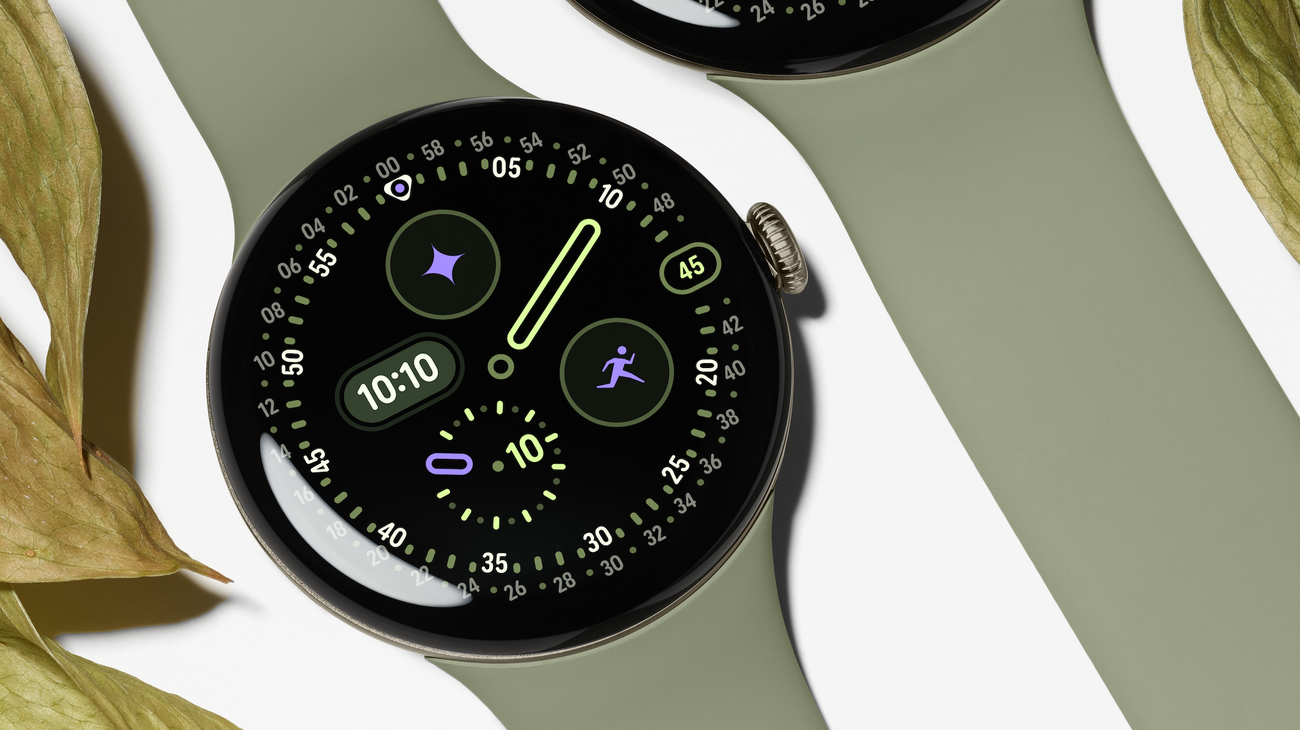
Google Pixel Watch 5 Review 2026: Price, Health Guardian, HSA/FSA Status
Google built its newest watch around safety and prevention: a pulse check that can call for help, rhythm alerts backed by one of the largest wearable studies ever run, and new blood pressure and insulin resistance trends that no regulator has reviewed.
Presented By Our Partners



Google announced the Pixel Watch 5 in August 2026 at $399 and up, a slightly higher starting price than the Pixel Watch 4, with offline Gemini support and improved GPS tracking (Droid Life, Engadget). Weeks later, Google switched on Health Guardian, a set of features that estimate blood pressure trends and insulin resistance from the watch’s sensors. This review looks past the launch talk to what Google’s sensors have been shown to measure in published studies.
First look. No peer-reviewed study has tested the Pixel Watch 5 itself yet; a PubMed search on October 27, 2026 found none. The accuracy section draws on studies of the Pixel Watch 2 and 3 and of Fitbit devices that use Google’s rhythm algorithm, and the Pixel Watch 5 may perform better or simply differently.
The short answer: The Pixel Watch 5 is Google’s August 2026 smartwatch, starting at $399. Its strongest health features rest on real evidence: Google’s irregular rhythm algorithm was right 98 percent of the time in a 455,699-person study, and its FDA-cleared loss of pulse detection placed one unintended emergency call per 21.67 user-years. Treat its new blood pressure and insulin resistance readings as trends to discuss with a clinician, not results.
- Best for: Android users, especially Pixel phone owners, who want rhythm alerts, a safety net for sudden cardiac arrest and solid workout heart rate.
- Not for: iPhone owners, anyone who needs a diagnosis, or anyone who wants a blood pressure or insulin number to act on without a cuff or a blood test.
- Price (October 2026): from $399 at launch, in 41mm and 45mm sizes; price varies by size and connectivity.
- Regulatory status: Google’s loss of pulse detection received FDA clearance in February 2025, and Fitbit’s irregular rhythm notifications were FDA cleared in 2022. We found no FDA clearance for the Health Guardian blood pressure or insulin resistance trends. Confirm which features your model and region support.
- Evidence: Strong for irregular rhythm screening; moderate for loss of pulse detection and exercise heart rate; limited for VO2 max and sleep stages; none published for Health Guardian or the Pixel Watch 5 hardware.
What Is the Google Pixel Watch 5?
The Pixel Watch 5 is a smartwatch made by Google, announced in August 2026, that tracks heart rate and rhythm, sleep, activity and fitness through the Fitbit and Google health apps and adds Gemini voice assistance. It comes in 41mm and 45mm sizes and succeeds the Pixel Watch 4.
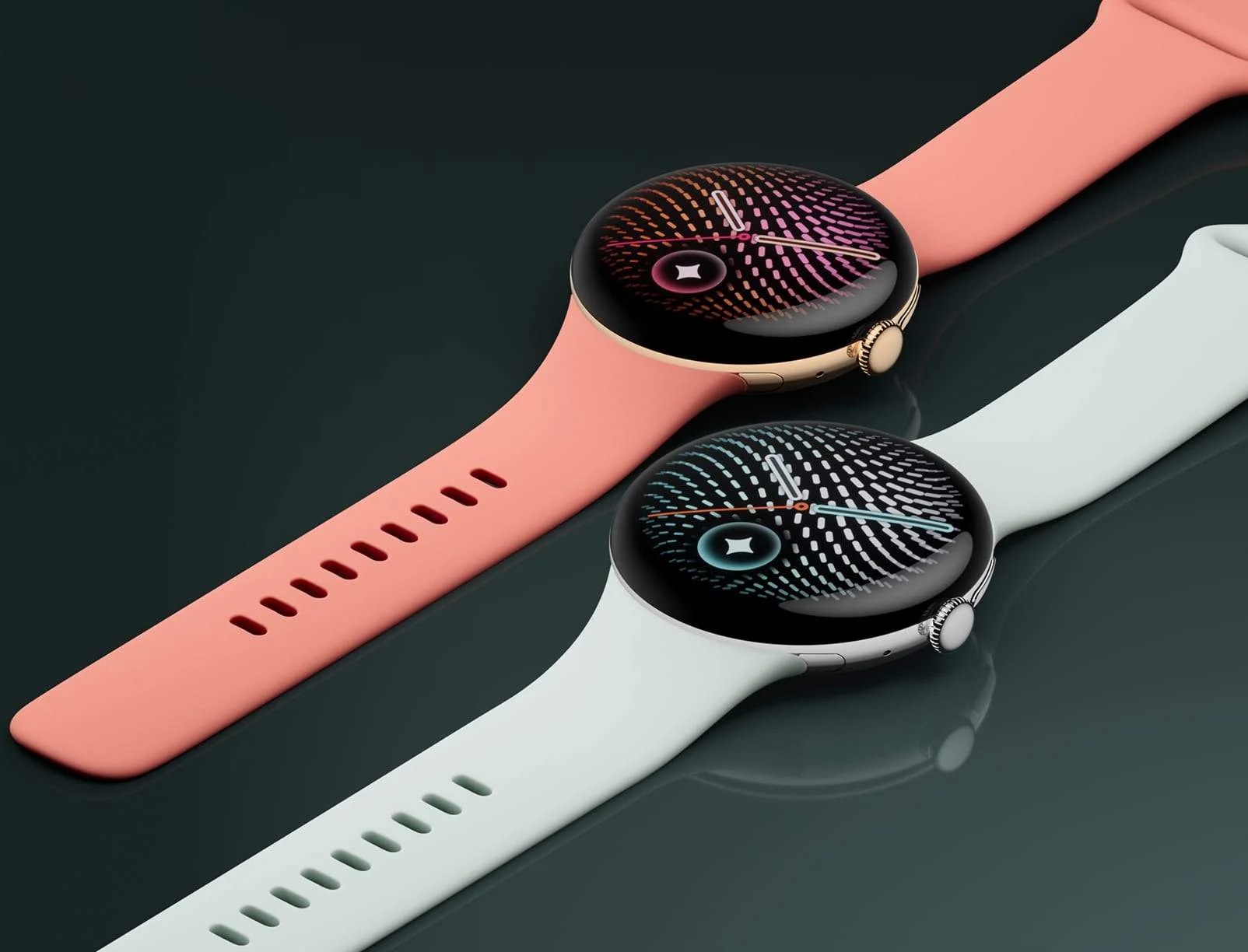
Google’s own launch post describes the watch as proactive assistance and advanced health tracking on your wrist (Google). The headline health addition is Health Guardian, which Google began rolling out to the Pixel Watch 3, 4 and 5 at the end of September 2026. Coverage describes it as cuff-free blood pressure trends, insulin resistance trends and emergency detection (AndroidSage, Engadget). Because these features also reach older Pixel Watches, the Pixel Watch 5’s case for an upgrade rests partly on hardware: speed, GPS and battery.
Early reviews are warm. SlashGear called its review “Long Live The King,” Tom’s Guide called it the new king of on-wrist safety after a week of wear, and 91mobiles said it is as good as it can get for Pixel fans. Expert Reviews was cooler, headlining “New tricks but old problems.”
Can your doctor see this data? Partly, if you share it. The Google Health app (formerly Fitbit) now pulls in your medical records; ECG readings export as a PDF; no automatic clinic feed confirmed.
How Does the Pixel Watch 5 Work?
Like other smartwatches, the Pixel Watch 5 reads the body through light and motion. An optical sensor on the back tracks each pulse of blood for heart rate and rhythm, electrodes record a single-lead ECG through the Fitbit ECG app, a skin temperature sensor tracks overnight changes, and an accelerometer tracks movement and sleep.
The optical sensor does most of the work. Each heartbeat sends a pressure wave into the small vessels of the wrist, and because blood absorbs light, the sensor sees the wrist brighten and dim with every beat. Google’s irregular rhythm feature looks at five-minute windows of those beats in the background; when many windows in a row look chaotic, the pattern that atrial fibrillation produces, it sends a notification.
Loss of pulse detection uses the same signal in reverse. If the pulse disappears suddenly, as it does when the heart stops pumping in cardiac arrest, the watch combines that with motion data, checks whether you respond, and can call emergency services. Google designed it to keep false calls rare, because a feature that floods 911 lines would not survive at scale.
The Health Guardian trends are models built on top of these signals. Google’s research team has described predicting insulin resistance from wearable data combined with routine blood tests (Google Research), and the blood pressure trend reads changes in the pulse wave. Neither has an independent, peer-reviewed accuracy study we could find.
How Accurate Is the Pixel Watch 5? What the Research Shows
No study has tested the Pixel Watch 5 yet. Google’s rhythm algorithm had a 98.2 percent positive predictive value in the Fitbit Heart Study, loss of pulse detection caught about two thirds of simulated arrests with very few false calls, and earlier Pixel Watches tracked exercise heart rate within about 3 to 7 percent. VO2 max and sleep stage estimates carried wide individual errors.
Atrial fibrillation alerts. The Fitbit Heart Study enrolled 455,699 adults without known atrial fibrillation who wore compatible Fitbit devices. One percent received an irregular rhythm notification, rising to 4 percent of those aged 65 and older. Among 1,057 people who then wore a one-week ECG patch, 32.2 percent had atrial fibrillation on the patch, and when the watch flagged an irregular rhythm again during patch monitoring, the patch confirmed atrial fibrillation 98.2 percent of the time (PMID 36148649). A follow-up analysis found that 57.2 percent had another alert within three months, and that the chance of confirming atrial fibrillation rose with longer monitoring: 7.6 percent with a single 10-second ECG, 32.2 percent with a one-week monitor and 60.8 percent with a four-week monitor (PMID 40557492). The lesson is practical: one normal ECG after an alert does not rule atrial fibrillation out.
Loss of pulse detection. In Google’s development study published in Nature, researchers simulated pulselessness by blocking arm blood flow with a cuff, an approach they showed produces a similar sensor signal to ventricular fibrillation. The algorithm detected 67.23 percent of simulated events, and across two prospective studies it placed 1 unintentional emergency call per 21.67 user-years (PMID 40010378). That means it will miss about one in three events, but almost never cries wolf. The simulation is not a real cardiac arrest, and the study was run by Google.
Exercise heart rate and VO2 max. In 34 adults on a maximal treadmill test at University College Dublin, the Pixel Watch 3 tracked heart rate with a mean absolute percentage error of 2.73 percent. Its VO2 max estimate was close on average (bias of 0.53 mL/kg/min) but wide for individuals, with limits of agreement from 12.56 below to 11.50 above the lab value, and calorie estimates were off by 15.02 percent on average (PMID 42743109). In a Belgian study of 45 adults in hot, cold and neutral climate chambers, the Pixel Watch 2 was one of the two most accurate of ten wearables, with a mean absolute error of 4.9 beats per minute, though stop-and-start walking increased errors across devices (PMID 41701929). A German comparison found the Pixel Watch 2 captured heart rate and skin temperature trends well during dynamic tasks, though research-grade devices remained better for raw data (PMID 42515260).
Featured Partner
Invest in the Infrastructure Behind Modern Medicine
As healthcare expands beyond hospital walls, the buildings and campuses supporting that shift are generating compelling returns for investors who move early. The Healthcare Real Estate Fund offers qualified investors direct access to a curated portfolio of medical office, outpatient, and specialty care facilities.
Learn More →
Sleep. A Korean multicenter study compared 11 consumer sleep trackers, including a Google Pixel Watch, with polysomnography and found sleep stage agreement varied widely across devices, with macro F1 scores from 0.26 to 0.69; that study was run by Asleep Co., which makes one of the apps tested (PMID 37917155). Studies of Fitbit devices, which share Google’s sleep software lineage, point the same way: in a 2026 home polysomnography study, a Fitbit Charge 5 overestimated light sleep by 57.7 minutes (PMID 42258963), and a 2026 meta-analysis found wearables as a group overestimate total sleep and underestimate time awake, although selected Fitbit models came closest to polysomnography for deep and REM sleep (PMID 42175611).
Blood pressure and insulin resistance trends. We found no peer-reviewed study of either Health Guardian feature on PubMed as of October 27, 2026. Google’s insulin resistance research has been published as a preprint and on its research blog, which are not independent validation.
Company ties: the Fitbit Heart Study papers list Fitbit (Google) authors (PMID 36148649, PMID 40557492), the loss of pulse study was led by Google Research (PMID 40010378), and the 11-tracker comparison was run by Asleep Co. (PMID 37917155). PubMed affiliations are not a full disclosure of funding or conflicts.
What the Pixel Watch 5 Gets Right
The Pixel Watch 5 gets the safety features right: an atrial fibrillation alert with large-scale evidence behind it, a cardiac arrest safety net designed to avoid false alarms, and workout heart rate that holds up against chest straps.
A rhythm alert you can believe. When the watch flagged an irregular rhythm a second time during ECG monitoring, it was right 98.2 percent of the time across a study of nearly half a million people (PMID 36148649). Few consumer health features have a study that size behind them.
A safety net for unwitnessed cardiac arrest. Cardiac arrest that no one sees is rarely survivable. A watch that can notice a lost pulse and call for help, with false calls this rare, is a meaningful backstop for people who live or exercise alone (PMID 40010378).
Reliable workout heart rate. Errors of roughly 3 to 7 percent on recent Pixel Watches put Google near the top of independent heart rate tests (PMID 42743109, PMID 41701929).
Where the Pixel Watch 5 Falls Short
The weaknesses are unvalidated blood pressure and insulin resistance trends, a loss of pulse feature that misses about a third of events, wide VO2 max and calorie errors for individuals, sleep stages that remain approximate, and no independent data on the Pixel Watch 5 itself.
Health Guardian is unproven. Blood pressure and insulin resistance are exactly the numbers people act on, and we found no peer-reviewed validation and no FDA clearance for either trend. Use a validated cuff for blood pressure and a blood test ordered by your clinician for insulin resistance or prediabetes.
The safety net has holes. A sensitivity of 67.23 percent in simulation means about one in three events would go undetected (PMID 40010378). The feature is a backstop, not a replacement for CPR training or for calling 911 yourself.
VO2 max and calories are population tools. Limits of agreement of roughly 12 mL/kg/min either side mean your personal VO2 max reading could be far from a lab test, even though the average is close (PMID 42743109).
Sleep stages are estimates. No wrist wearable reliably matches polysomnography night by night, and the Pixel Watch is no exception (PMID 37917155).
New hardware, older evidence. Every study above tested an earlier Pixel Watch or a Fitbit device. Until researchers test the Pixel Watch 5, its accuracy is inferred, not shown.
Pixel Watch 5 vs Galaxy Watch 9 vs Apple Watch Series 12 vs Oura Ring 5
The Pixel Watch 5 and Galaxy Watch 9 are the two main Android choices: Google leads on rhythm alert evidence and cardiac arrest detection, Samsung on sleep apnea screening and body composition. The Apple Watch Series 12 is the iPhone equivalent, and Oura Ring 5 is the screen-free sleep and recovery option.
| Feature | Pixel Watch 5 | Galaxy Watch 9 | Apple Watch Series 12 | Oura Ring 5 |
|---|---|---|---|---|
| Form | Smartwatch | Smartwatch | Smartwatch | Smart ring |
| Phone | Android | Android | iPhone | iPhone or Android |
| Irregular rhythm alerts | FDA cleared algorithm (2022) | FDA cleared | FDA cleared | Not verified for this review |
| Loss of pulse detection | FDA cleared (2025) | Not verified for this review | Not verified for this review | No |
| Blood pressure | Health Guardian trends, not FDA cleared | Cuff-calibrated estimate, not FDA cleared | FDA cleared hypertension notifications | Blood pressure signals, not FDA cleared |
| Price (October 2026) | From $399 | From $379.99 at pre-order | From $399 at launch | From $399, plus membership |
Our Galaxy Watch 9 review covers Samsung’s Android alternative, and our Apple Watch Series 12 review covers the iPhone side. If you would rather wear a ring, see our Oura Ring 5 price and blood pressure guide. For rugged alternatives, see our Galaxy Watch Ultra 2 review and Apple Watch Ultra 4 review, and for a ring, our Ultrahuman Ring Pro review. Every device we track is in our healthtech wearables guide.
How Much Does the Pixel Watch 5 Cost, and Is It HSA or FSA Eligible?
The Pixel Watch 5 starts at $399, with price varying by size and connectivity; Engadget described the starting price as slightly higher than the previous generation. We found no confirmation that the Pixel Watch 5 is HSA or FSA eligible as a standard purchase, and insurance does not cover it as far as we found.
Ask your HSA or FSA administrator before assuming it qualifies. Budget for the follow-up a watch can prompt: after an irregular rhythm alert, the usual next step is a clinician-ordered ECG monitor, ideally worn for more than a week given the Fitbit Heart Study results.
Who Should Buy the Pixel Watch 5, and Who Should Skip It?
The Pixel Watch 5 suits Android users who want trustworthy atrial fibrillation alerts, a cardiac arrest safety net and accurate workout heart rate. It is a poor fit for iPhone users, for people who need a diagnosis, and for Pixel Watch 3 and 4 owners whose main interest is Health Guardian, which their watches already receive.
Good candidates:
- Adults over 65, or with risk factors such as high blood pressure, who want early warning of atrial fibrillation.
- People who live alone, run or hike alone, or have heart disease, and want a backstop that can call for help.
- Runners and gym users who want heart rate they can train by.
Better served by something else:
- Chest pain, fainting, or a racing heart with shortness of breath: that is an emergency. Call 911; do not wait for a watch.
- iPhone users: the Pixel Watch requires an Android phone, so look at the Apple Watch or a smart ring.
- Anyone managing hypertension or prediabetes: use a validated cuff and lab tests for decisions.
- Pixel Watch 3 and 4 owners who mainly want the new health trends: those are rolling out to your watch already.
If a notification sends you looking for a cardiologist, the Healthcare Discovery doctor directory lists clinicians by state and specialty.
What This Means for You
The two problems the Pixel Watch 5 is best placed to catch, atrial fibrillation and sudden loss of pulse, both turn on time. Atrial fibrillation can announce itself first as a stroke, and survival after cardiac arrest falls with every minute without help. A watch that shortens either delay earns its place on your wrist. For the wider picture of what drives heart risk, see our heart health evidence review.
Use the new Health Guardian trends as conversation starters, not conclusions. If the watch suggests rising blood pressure or insulin resistance, the right next step is a cuff reading and a fasting blood test, both cheap and well validated. Buy the Pixel Watch 5 for the safety features that have evidence behind them.
Compiled by Healthcare Discovery from the cited PubMed studies and Google’s launch materials. Every PMID, study size and result on this page was checked against PubMed on October 27, 2026. Launch, price and review details come from the named publications’ headlines and listings and were not independently tested. This is a first look; no Healthcare Discovery hands-on testing was done.
Is the Pixel Watch 5 accurate for detecting atrial fibrillation?
Google’s irregular rhythm algorithm has strong evidence. In the Fitbit Heart Study of 455,699 people, a repeat alert during ECG patch monitoring was confirmed as atrial fibrillation 98.2 percent of the time (PMID 36148649). No study has tested the Pixel Watch 5 itself yet.
What is loss of pulse detection on the Pixel Watch?
It watches for a sudden loss of pulse, checks whether you respond, and can call emergency services. Google received FDA clearance for it in February 2025. In Google’s study it detected 67.23 percent of simulated events with 1 unintended emergency call per 21.67 user-years (PMID 40010378).
Is Pixel Watch Health Guardian blood pressure FDA cleared?
We found no FDA clearance for the Health Guardian blood pressure or insulin resistance trends, and no peer-reviewed accuracy study as of October 2026. Treat them as trends and confirm with a validated cuff or a blood test.
How accurate is Pixel Watch heart rate during exercise?
Good. The Pixel Watch 3 had a 2.73 percent average error on a maximal treadmill test (PMID 42743109), and the Pixel Watch 2 was among the two most accurate of ten wearables in a climate chamber study (PMID 41701929). Its VO2 max estimate was less reliable for individuals.
Is the Pixel Watch 5 HSA or FSA eligible?
We found no confirmation that it qualifies as a standard HSA or FSA purchase, and no sign that insurance covers it. Check with your plan administrator before buying with pre-tax funds.
How much does the Pixel Watch 5 cost?
It starts at $399, with price varying by size and connectivity. Check the Google Store for current pricing.
Sources
- Lubitz SA, et al. Detection of atrial fibrillation in a large population using wearable devices: the Fitbit Heart Study. Circulation, 2022. PMID 36148649
- Lubitz SA, et al. Wearable irregular heart rhythm detection recurrences and electrocardiographic atrial fibrillation confirmation: the Fitbit Heart Study. Circulation: Arrhythmia and Electrophysiology, 2025. PMID 40557492
- Shah K, et al. Automated loss of pulse detection on a consumer smartwatch. Nature, 2025. PMID 40010378
- Lambe R, et al. The accuracy of VO2 max, heart rate and energy expenditure measurements from Google Pixel Watch 3. PLoS One, 2026. PMID 42743109
- Gielen J, et al. Accuracy of optical heart rate measurements for 10 commercial wearables in different climate conditions and activities. JMIR Formative Research, 2026. PMID 41701929
- Brandebusemeyer C, et al. Reliability assessment of wearable technologies for physiological measurements: Shimmer3 GSR+, Empatica E4, EmbracePlus, and Pixel Watch 2. Sensors, 2026. PMID 42515260
- Lee T, et al. Accuracy of 11 wearable, nearable, and airable consumer sleep trackers: prospective multicenter validation study. JMIR mHealth and uHealth, 2023. PMID 37917155
- Alhejaili F, et al. Performance of three consumer sleep-tracking devices compared with actigraphy and polysomnography. Sleep Medicine, 2026. PMID 42258963
- Agostinho M, et al. Are wearable sleep-tracking devices reliable alternatives to polysomnography? A systematic review and meta-analysis. Behavioral Sleep Medicine, 2026. PMID 42175611
- Google. Pixel Watch 5: Proactive assistance and advanced health tracking on your wrist. Google
- Google. Health Guardian features now live. Google
- Google Research. Insulin resistance prediction from wearables and routine blood biomarkers. Google Research
- Google. Pixel Watch 3 Loss of Pulse Detection FDA clearance. Google
- MobiHealthNews. Google receives FDA clearance for loss of pulse detection technology. MobiHealthNews
- 9to5Google. Fitbit AFib detection receives FDA clearance, April 2022. 9to5Google
- Fitbit. ECG app. Fitbit
- Droid Life. Pixel Watch 5 official at $399 with huge health upgrades, August 2026. Droid Life
- Engadget. Google’s Pixel Watch 5 gets offline Gemini support, improved GPS tracking and a slightly higher price. Engadget
- Engadget. Google’s newest Pixel Watch feature can monitor your blood pressure and insulin resistance. Engadget
- AndroidSage. Google rolls out Health Guardian to Pixel Watch: blood pressure trends, insulin resistance, and emergency detection, September 2026. AndroidSage
- PhoneArena. Pixel Watch unleashes Health Guardian with cuff-free blood pressure and insulin trends. PhoneArena
- Comcast Business. Google Pixel Watch 5 (41mm) and (45mm) listings. Comcast Business
- SlashGear. Google Pixel Watch 5 review: Long Live The King. SlashGear
- Tom’s Guide. I wore the Google Pixel Watch 5 for a week, and it’s the new king of on-wrist safety. Tom’s Guide
- 91mobiles. Google Pixel Watch 5 review: as good as it can get for Pixel fans. 91mobiles
- Expert Reviews. Google Pixel Watch 5 review: New tricks but old problems. Expert Reviews
- Android Central. Google Pixel Watch 5 review. Android Central


Similar Posts

PowerBreathe Plus: Inspiratory Muscle Training for Cardiovascular and Respiratory Performance
The muscles you use to breathe can be trained like any other muscle in your body. The evidence suggests doing so may lower blood pressure, improve exercise endurance, and reshape…

The First Human Epigenetic Reprogramming Trial Has Begun: Inside ER-100 and What It Means for the Future of Aging Medicine
For the first time in history, a therapy designed to reverse the cellular age of human tissue is being tested in living patients. Here is what the science actually shows,…

The GLP-1 Accountability Test: Who Is Responsible After the Prescription?
A source-backed guide to checking clinician responsibility, state authority, pharmacy identity, follow-up, escalation, and continuity in online GLP-1 care.
Emotiv Insight 2.0 Review: 5-Channel EEG, Price, and Real Limits
The Emotiv Insight 2.0 is a 5-channel wireless EEG headset for BCI prototyping and learning. Real raw data; unvalidated focus scores; not a medical device.

The 30 Plants a Week Rule: How Microbiome Diversity Became 2026’s Most Practical Nutrition Target
A quiet conclusion has emerged from microbiome science: variety, not any single superfood, predicts a resilient gut and lower systemic inflammation. Inside the American Gut Project finding that launched the…
Withings BPM Core: Blood Pressure, ECG, and Digital Stethoscope in One Device
The most comprehensive home cardiac monitor available combines blood pressure measurement, a single lead ECG, and a digital stethoscope for valvular heart disease screening in a single arm cuff. Presented…
