
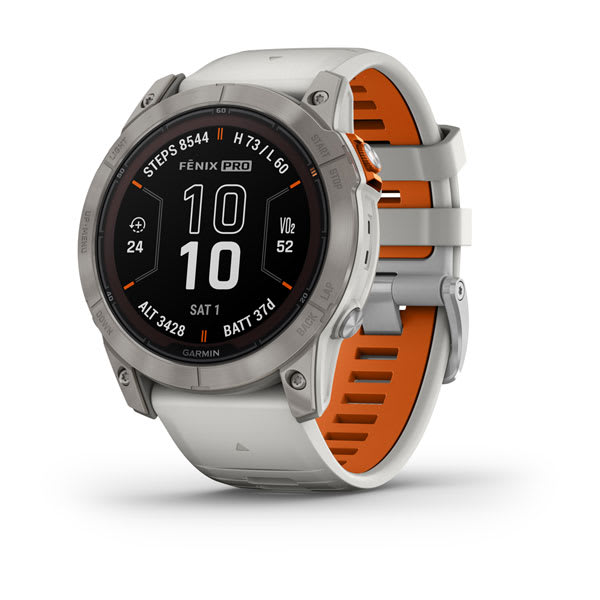
Garmin Fenix 7X Pro Sapphire Solar: Solar Powered Endurance Tracking With ECG and Advanced Navigation
Garmin’s flagship endurance watch combines solar charging, multi band GPS, FDA cleared ECG, and VO2 max estimation in a sapphire crystal package built for ultra distance athletes and backcountry expeditions.
Presented By Our Partners



Product status update, August 2026. This model has been superseded by the Fenix 8 and Fenix 8 Pro. As of mid 2026 the Fenix 8 AMOLED sells for roughly $750, down from $1,000.
In 2022, a research team from the Norwegian University of Science and Technology published a study in the British Journal of Sports Medicine analyzing data from more than 750,000 adults. Their finding was blunt: low cardiorespiratory fitness, measured by VO2 max, was a stronger predictor of all cause mortality than smoking, diabetes, or hypertension. A person with a VO2 max in the bottom 20% of their age group faced roughly the same mortality risk as someone who smoked a pack of cigarettes daily. The study did not suggest that fitness was somewhat important. It demonstrated that cardiorespiratory capacity is among the most powerful predictors of how long you will live.
For decades, measuring VO2 max required a laboratory: a treadmill, a metabolic cart, a mouthpiece, and a technician watching your gas exchange in real time. The test cost hundreds of dollars and took an hour. Today, a wrist worn device costing a fraction of a single lab test can estimate VO2 max during an outdoor run, track its trajectory over months and years, and correlate that number with heart rate variability, sleep quality, and training load. The Garmin Fenix 7X Pro Sapphire Solar is one of the most capable devices in this category: a solar charging, sapphire crystal endurance watch that layers FDA cleared ECG, continuous HRV monitoring, SpO2 tracking, and advanced training analytics onto a platform trusted by ultramarathon runners, mountaineers, and expedition athletes worldwide.
What Is the Garmin Fenix 7X Pro Sapphire Solar?
The Garmin Fenix 7X Pro Sapphire Solar is Garmin’s top tier multisport GPS watch, built for extended outdoor use where battery endurance, navigational precision, and rugged construction are non negotiable. The 51mm titanium bezel sits beneath a Power Sapphire solar charging lens that extends battery life through ambient light conversion. Garmin rates the watch at up to 37 days in smartwatch mode with solar charging, up to 122 hours in GPS mode, and theoretically unlimited battery in expedition GPS mode under sufficient sunlight.
The sensor suite includes Garmin’s Elevate v5 optical heart rate sensor with continuous heart rate and HRV tracking, a pulse oximeter for SpO2 measurement, and an ECG function that received FDA clearance for atrial fibrillation detection. The watch supports multi band (dual frequency) GPS with access to GPS, GLONASS, and Galileo satellite constellations simultaneously, delivering position accuracy within approximately one meter even under dense tree canopy.
Beyond cardiovascular monitoring, the Fenix 7X Pro includes running power estimation (wrist based, no external pod required), training readiness scores derived from HRV, sleep, and recent training load, Body Battery energy management, and preloaded topographic maps with turn by turn navigation. A built in LED flashlight with variable intensity and red night vision mode rounds out the expedition toolset. The watch retails at $999.99 with no subscription required for any feature.
The Science Behind It: VO2 Max, HRV, and Longevity
The Garmin Fenix 7X Pro tracks several biomarkers with direct connections to cardiovascular health and mortality risk. Two deserve particular attention: VO2 max and heart rate variability.
VO2 max represents the maximum rate at which the body can consume oxygen during intense exercise. It is widely considered the single best measure of cardiorespiratory fitness and is one of the strongest independent predictors of all cause mortality. The relationship is not subtle. A 2022 meta analysis published in the British Journal of Sports Medicine found that each 1 MET (3.5 mL/kg/min) increase in cardiorespiratory fitness was associated with a 11% to 17% reduction in all cause mortality risk. Moving from “low” to “moderate” fitness categories reduced mortality risk by approximately 30% to 50%, depending on age and sex.
Garmin estimates VO2 max using a proprietary algorithm developed in partnership with Firstbeat Analytics (now Garmin Health). The algorithm analyzes the relationship between running speed (or walking speed) and heart rate during outdoor activities, applying corrections for terrain, temperature, and altitude. Independent validation studies have found Garmin’s VO2 max estimates to correlate with laboratory measurements within approximately 5% for trained runners, though accuracy decreases for walking based estimates and untrained populations.
Heart rate variability tracking on the Fenix 7X Pro uses the optical sensor to measure beat to beat intervals during sleep, generating an HRV Status metric that compares the current seven day HRV average against a personal three month baseline. According to PubMed, the Task Force of the European Society of Cardiology established HRV as a clinically significant marker of autonomic function and cardiac risk in their foundational 1996 guidelines published in Circulation. Reduced HRV is independently associated with increased risk of sudden cardiac death, heart failure progression, and all cause mortality.
The BASEL Wearable Study, published in 2023 in JACC: Clinical Electrophysiology by Mannhart et al., evaluated consumer smartwatch ECG recordings in 201 hospitalized patients and found sensitivity exceeding 90% for atrial fibrillation detection across multiple wrist worn devices. This work validates the clinical utility of single lead ECG recordings from consumer devices as a screening tool for the most common sustained cardiac arrhythmia.
That is the science. Here is how the Garmin Fenix 7X Pro Sapphire Solar applies it.
What the Garmin Fenix 7X Pro Does Well
The Fenix 7X Pro’s defining strength is its integration of clinical cardiovascular screening with the deepest training analytics platform available in any consumer wearable. Garmin does not treat health monitoring and performance analytics as separate features. They are fused into a single system where your morning HRV reading informs your training readiness score, which shapes your recommended workout intensity, which connects to your VO2 max trend, which feeds back into your long term fitness trajectory.
Training Readiness is the operational expression of this philosophy. Each morning, the watch generates a score based on overnight HRV, sleep quality, recovery time from recent training, acute training load versus chronic load balance, and stress levels. The score translates complex physiological data into practical guidance: is today a day to push hard, train moderately, or prioritize recovery?
The ECG function, FDA cleared for atrial fibrillation detection, adds a clinical screening layer that previous Fenix generations lacked. Users can record a 30 second ECG on demand, and the watch classifies the result as normal sinus rhythm, atrial fibrillation, or inconclusive. Results are stored in Garmin Connect and can be exported for physician review.
Featured Partner
Invest in the Infrastructure Behind Modern Medicine
As healthcare expands beyond hospital walls, the buildings and campuses supporting that shift are generating compelling returns for investors who move early. The Healthcare Real Estate Fund offers qualified investors direct access to a curated portfolio of medical office, outpatient, and specialty care facilities.
Learn More →
Battery life is extraordinary. The solar charging lens means that outdoor athletes in sunny conditions can extend GPS tracking time from 89 hours to 122 hours, and smartwatch mode from 28 days to 37 days. For multi day expedition use, this is not a convenience feature. It is the difference between a functional navigation and health monitoring tool and a dead piece of titanium on your wrist.
Pricing, Access, and Practical Realities
The Garmin Fenix 7X Pro Sapphire Solar retails at $999.99. There is no subscription fee for any feature. Garmin Connect, Garmin’s health and fitness analytics platform, is entirely free. This makes the first year total cost of ownership $999.99, with zero recurring costs in subsequent years. For comparison, an Apple Watch Ultra 2 costs $799 but requires an iPhone ($999 or more) for full functionality, and a WHOOP 4.0 costs approximately $478 in its first year when including the mandatory subscription.
The Fenix 7X Pro is compatible with both Android and iOS smartphones, a meaningful advantage over the Samsung Galaxy Watch Ultra, which restricts its most clinically significant features to Samsung Galaxy phones. Garmin Connect syncs data across platforms without ecosystem lock in.
Regarding FDA status: the ECG feature is FDA cleared specifically for detecting atrial fibrillation and classifying normal sinus rhythm. It is a single lead recording and cannot detect all arrhythmias or structural heart abnormalities. The VO2 max estimation, HRV tracking, SpO2 monitoring, and Body Battery features are classified as general wellness tools and are not FDA cleared for clinical use.
HSA/FSA eligibility is available with a Letter of Medical Necessity (LMN) from a healthcare provider. Some HSA/FSA administrators have approved Garmin devices when prescribed for cardiac monitoring or fitness rehabilitation. Users should verify with their specific plan administrator.
Who the Garmin Fenix 7X Pro Is Best For
The Fenix 7X Pro is purpose built for endurance athletes and outdoor adventurers who treat their watch as a mission critical tool. Ultramarathon runners, trail runners, backcountry skiers, mountaineers, and multi sport athletes will find the deepest feature set available in any wearable. The multi band GPS accuracy, offline topographic maps, solar extended battery life, and training load analytics create an ecosystem that competitors have not matched at this level of integration.
It is also an excellent choice for anyone who wants long term VO2 max trending without the recurring costs of a subscription platform. A runner who tracks VO2 max over two to three years on the Fenix 7X Pro builds a longitudinal fitness dataset that directly correlates with published mortality risk research.
Who may want to skip it: users who prioritize a thin, discrete form factor will find the 51mm case too large for daily wear, especially during sleep. Anyone whose primary health concern is sleep optimization may prefer the Oura Ring, which offers superior comfort and sleep tracking specificity. The $999.99 price point is a significant investment for users who only need basic heart rate and step tracking. If you do not use the navigation, training load, or multi sport features, you are paying for capabilities that simpler, less expensive devices handle adequately.
How It Compares
Against the Apple Watch Ultra 2 ($799), the Fenix 7X Pro offers dramatically longer battery life (37 days vs. approximately 36 hours), superior GPS accuracy via multi band positioning, and deeper training analytics through Garmin’s decades of endurance sport expertise. Apple counters with a brighter display, cellular connectivity, a more intuitive user interface, crash and fall detection with emergency SOS, and tighter integration with the health app ecosystem on iPhone. For endurance athletes, Garmin wins. For everyday smartwatch users who also exercise, Apple wins.
Compared to the COROS VERTIX 2S ($599.99), Garmin offers FDA cleared ECG, solar charging, and a more mature analytics platform with Garmin Connect. COROS provides longer GPS battery life at a lower price point, making it a compelling option for budget conscious ultra runners who do not need ECG functionality.
Against the Samsung Galaxy Watch Ultra ($649.99), Garmin delivers superior battery life, more advanced training analytics, and cross platform smartphone compatibility. Samsung offers FDA cleared sleep apnea detection that Garmin lacks, a touchscreen interface, and a lower price point. The choice depends on whether you prioritize training performance analytics (Garmin) or clinical sleep screening (Samsung).
Limitations and Open Questions
The Fenix 7X Pro’s 51mm case is large by any standard. While serious outdoor athletes accept the size as necessary for display readability and battery capacity, it is uncomfortable for sleep tracking. The watch’s HRV and sleep data quality depends on wearing it overnight, creating a tension between data completeness and sleep comfort that smaller devices resolve more gracefully.
Garmin’s VO2 max estimation, while useful for trending, is less accurate for walking based activities, untrained individuals, and activities below the aerobic threshold. The algorithm performs best during steady state outdoor running at moderate to high intensity. Users who primarily walk, cycle, or swim will receive less reliable VO2 max estimates.
The ECG feature, while FDA cleared, arrived later than competing implementations from Apple and Samsung. Garmin’s AF detection algorithm has less published peer reviewed validation specific to the Garmin hardware than Apple’s, though the underlying single lead ECG methodology is well established across the broader clinical literature.
At $999.99, the Fenix 7X Pro is the most expensive consumer wearable in its class. Users must honestly evaluate whether they will use the solar charging, multi band GPS, topographic maps, and expedition features that justify the premium over less expensive alternatives with similar health monitoring capabilities.
What This Means for Your Health
Cardiorespiratory fitness is not a vanity metric. It is, according to a growing body of evidence in the broader medical research community, one of the most powerful modifiable predictors of how long and how well you will live. VO2 max sits at the intersection of Movement, the third of Healthcare Discovery‘s Five Pillars, and the first of the Four Villains: cardiovascular disease. Improving your VO2 max through structured endurance training, high intensity interval work, and consistent daily movement directly reduces your risk of the chronic diseases that shorten healthspan.
The Garmin Fenix 7X Pro Sapphire Solar translates this science into daily practice. It tracks the biomarker that matters most for longevity (VO2 max), monitors the autonomic nervous system health that underlies cardiovascular resilience (HRV), screens for the arrhythmia that most commonly precedes stroke (atrial fibrillation via ECG), and wraps it all in a platform that guides training intensity based on recovery status.
But technology is only as valuable as the habits it supports. The Fenix 7X Pro cannot make you run. It cannot force you to prioritize sleep, manage stress through breathwork, or fuel your body with whole foods. It can show you, with remarkable precision, the consequences of your choices reflected in your physiology. That feedback loop, when paired with consistent foundational practices, is the bridge between where your health is today and where exponential medicine will take it in the decade ahead.

Explore the full wearable guide
Garmin Fenix 7X Pro Sapphire Solar is one piece of a much larger wearable health landscape. For a broader comparison of smartwatches, rings, glucose monitors, sleep trackers, recovery tools, and clinical-grade devices, see the full HealthcareDiscovery.ai guide to wearable health technology.
Frequently Asked Questions
Does the Garmin Fenix 7X Pro have ECG?
Yes. The Fenix 7X Pro Sapphire Solar includes an FDA cleared ECG function that detects atrial fibrillation and classifies normal sinus rhythm. Users place two fingers on the watch bezel to complete the electrical circuit and record a 30 second single lead ECG. Results are stored in Garmin Connect and can be exported as a PDF for physician review. The feature is available in the United States and select international markets.
How accurate is Garmin VO2 max estimation?
Independent validation studies have found Garmin’s VO2 max estimates (developed with Firstbeat Analytics) to correlate with laboratory treadmill tests within approximately 5% for trained runners performing outdoor running activities. Accuracy decreases for walking, cycling, and indoor treadmill activities. The estimate performs best during steady state outdoor running at moderate to high intensity where both heart rate and GPS speed data are reliable.
How long does the Garmin Fenix 7X Pro battery last?
Battery life depends on usage mode. In smartwatch mode with solar charging, up to 37 days. In GPS mode with multi band enabled, up to 36 hours (or 122 hours in standard GPS with solar). In expedition GPS mode with solar, battery life is theoretically unlimited under sufficient sunlight. The $999.99 device requires no subscription, so there are no additional costs to access any battery extending features or analytics.
Is the Garmin Fenix 7X Pro worth $999?
For endurance athletes, backcountry adventurers, and ultramarathon runners who use multi band GPS, topographic navigation, solar charging, and advanced training load analytics, the Fenix 7X Pro is the most capable device available. For casual fitness users who primarily need step counting and heart rate monitoring, the price is difficult to justify when devices like the Garmin Venu 3 ($449.99) or Garmin Forerunner 265 ($449.99) offer core health monitoring at less than half the cost.
Can the Garmin Fenix 7X Pro detect sleep apnea?
No. Unlike the Samsung Galaxy Watch Ultra, the Fenix 7X Pro does not have FDA clearance for sleep apnea detection. It does track SpO2 (blood oxygen saturation) during sleep, which can reveal patterns consistent with sleep disordered breathing, but it does not generate a clinical screening assessment. Users concerned about sleep apnea should discuss their SpO2 data with a physician and consider a dedicated sleep study.
Does the Garmin Fenix 7X Pro work with iPhone?
Yes. The Fenix 7X Pro is compatible with both iOS and Android smartphones through the Garmin Connect app. All features, including ECG, HRV tracking, VO2 max estimation, and training analytics, function identically on both platforms. This cross platform compatibility is a notable advantage over the Samsung Galaxy Watch Ultra, which restricts its FDA cleared features to Samsung Galaxy phones.
Garmin Fenix 7X Pro Sapphire Solar at a glance
- Hardware price
- $999.99
- Subscription
- None required
- First year total
- $999.99
- Form factor
- Smartwatch (wrist)
- FDA status
- Has FDA clearance
- HSA/FSA
- Possibly, with a letter of medical necessity
Measures Body Battery, ECG, Flashlight, HR, HRV, Multi-band GPS, Running power, Solar charging, SpO2, VO2max
Pricing verified August 5, 2026. Maintained in the Healthcare Discovery device database and updated automatically.


Similar Posts

Akkermansia Muciniphila and the New Science of Metabolic Health: What 2026 Research Reveals About the Gut Bacterium Redefining Insulin Sensitivity
Two decades after a Dutch researcher isolated a strange mucus eating bacterium from a healthy human gut, Akkermansia muciniphila has become one of the most studied targets in metabolic medicine….

The Daily Rounds: Longevity & Health Care Brief | April 16, 2026
🔬 Senolytics Reduce Epigenetic Age: Lab data show senolytic compounds measurably lower biological age markers, with human pilot trials now exploring effects on mobility and cognition. 🧠 FTL1 Protein Drives Memory Decline: Scientists identified a specific protein that weakens brain cell connections with age, opening a new therapeutic target for cognitive preservation. 🤖 Novo Nordisk + OpenAI Partnership: The pharma giant is applying frontier AI to compress drug discovery timelines and accelerate patient access to novel medicines. 🦠 CAG-170 Bacteria Linked to Gut Health: A globally validated analysis found this rare bacterial group is a marker of health, producing B12 and stabilizing the gut ecosystem. 😴 Solar Jet Lag and Liver Cancer: A new federally backed study will probe whether circadian misalignment is an upstream cause of the most common form of liver cancer.

The Zombie Cell Resistance: Why Senolytic Drugs Keep Failing, and the 2026 Mitochondrial Discovery That Could Change That
A landmark 2026 Nature Aging study reveals why senescent cells resist the drugs designed to kill them: the toughest zombie cells keep their mitochondria pristine. Inside the senolytics reckoning, the…
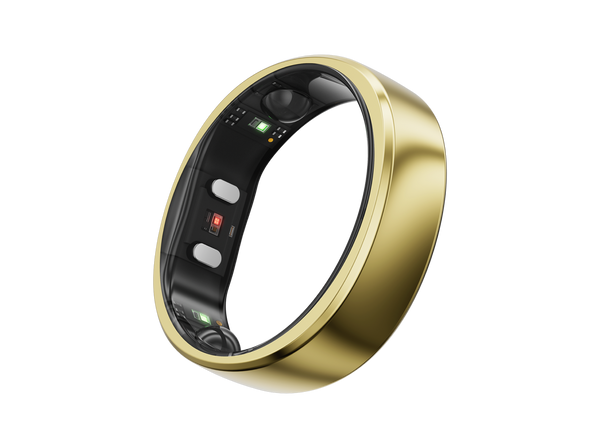
RingConn Gen 2: Sleep Apnea Monitoring Smart Ring with 12-Day Battery Life
An ultra-thin titanium smart ring weighing just 2 to 3 grams at 2.5mm thickness, offering AI-powered sleep apnea monitoring with AHI scoring, 12-day battery life with 150-day charging case, heart…

David Sinclair and the Battle Over the Future of Aging Science
David Sinclair helped make longevity science impossible to ignore. He also became one of its most contested public figures. Part II examines the criticism, contradictory evidence, and scientific arguments that…

The Sauna Longevity Effect: 25 Years of Finnish Research on Heat Therapy, Heart Health, and Healthspan
A quarter century of Finnish epidemiology and a decade of mechanistic work have turned sauna and heat therapy into one of the most reliable non pharmacologic recovery interventions in longevity…
