
Nuropod Review 2026: $900 Price, HRV Claims, and What the Evidence Shows
Nuropod is a $900 ear clip that sends a faint electrical pulse into the one branch of the vagus nerve that reaches the skin. Its maker advertises it as a way to raise heart rate variability. The best evidence says the tragus target is real and that daily use helped some patients with heart rhythm and autonomic disorders. It does not say a healthy person can buy a better HRV score.
Presented By Our Partners


Anyone who has pushed a cotton swab too far into the ear canal and coughed has met the auricular branch of the vagus nerve. Anatomists call it Arnold’s nerve, after the nineteenth-century German anatomist Friedrich Arnold, and the reflex cough is its party trick: touch the skin of the outer ear and a signal travels along a nerve that also helps slow the heart, steer digestion and calm inflammation. It is the only place the vagus nerve, the long cranial nerve that runs from the brainstem to the gut, comes close enough to the surface to be reached without a scalpel.
For decades, stimulating the vagus nerve meant surgery: a generator implanted in the chest and a lead wrapped around the nerve in the neck, used for epilepsy and depression. The idea behind Nuropod is that you can skip the operating room and send the signal in through the ear. Made by Parasym, a London neurotechnology company, Nuropod clips onto the tragus, the small flap of cartilage in front of the ear canal, and delivers a mild pulsed current from a handheld controller.
The ad running on phones this fall makes a specific promise: “How To Increase HRV.” Heart rate variability, the beat-to-beat variation in your heart rhythm, is the number that WHOOP, Oura and Garmin owners check every morning, and a higher number usually signals a nervous system that recovers well. The pitch is seductive: if HRV reflects vagal tone, and Nuropod stimulates the vagus, then Nuropod should lift your HRV. The research tells a more complicated story, and it is worth knowing before you spend $900.
First look. Healthcare Discovery did not test Nuropod hands-on. This review is built from the published studies found in a PubMed search on November 28, 2026, Parasym’s own claims as reported in its launch coverage, and named hands-on reviews. Every study below carries its PubMed ID.
The short answer: Nuropod is a well-built, no-gel transcutaneous auricular vagus nerve stimulator (taVNS) that clips to the tragus and is used for 15 to 30 minutes, twice a day. Sham-controlled trials of daily tragus stimulation found fewer atrial fibrillation episodes (Stavrakis et al., JACC Clinical Electrophysiology, 2020) and less postural tachycardia in POTS (Stavrakis et al., JACC Clinical Electrophysiology, 2024). For the HRV claim in healthy people, a meta-analysis of 16 sham-controlled studies found strong evidence of no acute effect on vagally mediated HRV (Wolf et al., Psychophysiology, 2021).
- Best for: People with diagnosed autonomic or rhythm conditions who want to try it alongside, not instead of, their cardiologist’s plan, and people who want a calming daily ritual and can afford to judge it in a 30-day trial.
- Not for: Healthy buyers who want a reliably higher HRV score; anyone with a pacemaker, implanted defibrillator or other implanted electronic device unless their physician clears it; budget buyers.
- Price (November 2026): $900 list in the US, often discounted about 5 percent, with free shipping, a 30-day money-back guarantee, a 24-month warranty on the controller and a 6-month warranty on the earpiece.
- Regulatory status: Not FDA cleared or approved. Parasym cites an FDA Non-Significant Risk designation, which relates to running clinical studies, not to marketing claims. Its European twin, Nurosym, is CE marked.
- Evidence: Moderate for tragus stimulation in specific cardiac conditions, from small sham-controlled trials; weak to absent for raising HRV, stress or sleep in healthy users.
What Is Nuropod?
Nuropod is a consumer transcutaneous auricular vagus nerve stimulation device sold by Parasym in the United States, Canada, Australia and New Zealand. It launched in the US on September 5, 2025, at $900, according to HLTH and HIT Consultant coverage of the launch. In the UK and Europe, the same technology is sold as Nurosym; a Parasym guide describes the two as the same AVNT technology sold under different names for different regional markets.
The hardware is simple. A soft clip with a small electrode sits on the tragus, connected by a thin cable to a pill-shaped controller with a digital display and four buttons for power, start and intensity. There is no conductive gel and no adhesive pad, and the companion app for iPhone is optional: it handles onboarding, tutorials, check-ins and support, but the controller runs a session on its own. Wareable’s tester called it the most ready-out-of-the-box vagus nerve stimulator they had tried, and noted that intensity runs on a 45-step scale rather than the usual 1 to 10.
Parasym recommends sessions of 15 to 30 minutes, twice a day. Most users feel a faint tingle or nothing at all; Wareable’s tester started at levels 10 to 15, felt nothing, and settled around 20. Parasym calls its waveform Auricular Vagal Neuromodulation Technology, or AVNT, and describes Nuropod as the world’s most studied wearable vagus nerve stimulator, backed by more than 50 completed clinical studies, according to its launch announcement as reported by HIT Consultant.
How Does Nuropod Work?
The vagus nerve is the main cable of the parasympathetic nervous system, the “rest and digest” side of the autonomic nervous system. Its auricular branch carries sensory fibers from parts of the outer ear back to the nucleus tractus solitarius in the brainstem, the same relay station that receives signals from the heart, lungs and gut. The theory behind taVNS is that pulsing those fibers at the right frequency nudges the brainstem toward parasympathetic activity: slightly lower sympathetic drive, more vagal input to the heart, and less inflammatory signaling through what researchers call the cholinergic anti-inflammatory pathway.
Two details matter for buyers. First, the tragus is a debated target. Some anatomical work suggests the cymba conchae, the hollow just above the ear canal opening, is more densely supplied by the vagus than the tragus, and many research devices stimulate there. Parasym’s device, and most of the cardiology trials below, use the tragus. Second, the “dose” is poorly standardized. Trials have used 20 or 30 Hz, pulse widths around 200 microseconds, intensity set just below discomfort, and sessions ranging from 10 minutes to 4 hours a day. A device that feels like nothing may be doing less than one that tingles, and nobody has yet shown which setting is best for which goal.
Does Nuropod Raise HRV? What the Research Shows
For healthy people using it acutely, probably not. For older adults and for some patients using tragus stimulation daily for weeks or months, measures of autonomic balance shifted in the right direction. The distinction is the whole story behind the ad.
The Meta-Analysis That Tested the HRV Claim Directly
In 2021, a team at the University of Tübingen pooled 16 single-blind studies that compared taVNS with sham stimulation in healthy participants and asked one question: does it change vagally mediated HRV, the measures such as RMSSD that wearables report? Their Bayesian meta-analysis found strong evidence for no effect, with an effect size of essentially zero (g = 0.014) and a Bayes factor favoring the null hypothesis by about 25 to 1 (Wolf et al., Psychophysiology, 2021). The authors concluded there is no support for HRV as a robust biomarker of acute taVNS.
That finding does not prove taVNS does nothing. It says that if you clip on a stimulator and check your HRV afterward, the evidence predicts you will not see a reliable change compared with a fake stimulator. For a product sold with the headline “How To Increase HRV,” that is the most relevant study in the literature.
Daily Use in Older Adults
The more encouraging HRV data come from repeated use in people whose autonomic balance has drifted. A University of Leeds group ran three studies in adults aged 55 and older using surface electrodes on the tragus connected to a TENS unit. In a 14-person sham comparison, stimulation produced larger gains in baroreflex sensitivity than sham, and in a 29-person study of daily use for two weeks, measures of autonomic function improved along with some aspects of quality of life, mood and sleep. The gains were largest in people who started with the most sympathetic dominance (Bretherton et al., Aging, 2019). The two-week study had no sham group, so part of that improvement may be expectation.
A Study That Used the Parasym Device
The clearest physiological signal with Parasym’s own hardware comes from Pisa. In 16 adults with chronic heart failure, a single 10-minute session on the right tragus (Parasym device, 30 Hz, 200 microseconds, 1 mA below discomfort) raised cardio-vagal baroreflex gain from 5.6 to 7.5 ms/mmHg, while the same session on the left tragus did nothing measurable, and heart rate and blood pressure did not change (Gentile et al., Clinical Autonomic Research, 2024). There was no sham arm; the comparison was right ear against left. It is a mechanistic signal in patients, not a consumer outcome, but it suggests that side and placement may matter more than marketing admits.
The Cardiology Trials
The most rigorous evidence for tragus stimulation comes from cardiac electrophysiology, where a cardiologist at the University of Oklahoma has spent a decade testing low-level tragus stimulation with an ear clip against a sham clip on the earlobe.
In TREAT AF, 53 people with paroxysmal atrial fibrillation stimulated for one hour a day for six months. At six months, median atrial fibrillation burden was 85 percent lower with active stimulation than with sham, the inflammatory marker TNF-alpha fell 23 percent relative to sham, and frequency-domain HRV shifted; no device-related side effects were seen (Stavrakis et al., JACC Clinical Electrophysiology, 2020).
In a double-blind trial in 26 women with postural orthostatic tachycardia syndrome, one hour a day for two months cut the heart rate jump on standing to 17.6 beats per minute with active stimulation versus 31.7 with sham. Antiautonomic autoantibodies and inflammatory cytokines were lower in the active group, and HRV was better (Stavrakis et al., JACC Clinical Electrophysiology, 2024). A Chinese trial in 57 people with POTS after COVID-19, using an hour of tragus stimulation twice a day for a month, reported a smaller heart rate rise on standing and a higher high-frequency HRV component, with effects that persisted at one year (Wang et al., Clinical Cardiology, 2025).
Featured Partner
Invest in the Infrastructure Behind Modern Medicine
As healthcare expands beyond hospital walls, the buildings and campuses supporting that shift are generating compelling returns for investors who move early. The Healthcare Real Estate Fund offers qualified investors direct access to a curated portfolio of medical office, outpatient, and specialty care facilities.
Learn More →
The results are not uniform. In the NoVa-PVC crossover trial, 35 people with frequent premature ventricular contractions saw their PVC burden drop by 13.4 percent with 10 days of tragus stimulation compared with sham, but HRV did not differ between the two (Zafeiropoulos et al., JACC Clinical Electrophysiology, 2025). The rhythm improved; the HRV number did not move.
These trials are small and specialized, and they did not test Nuropod as sold. They do show that, in specific patients, daily tragus stimulation can beat a sham on outcomes that matter more than a wearable score.
Where the Evidence Falls Flat
Several studies cut the other way. A 12-week Polish study paired a Parasym stimulator with sound therapy in 29 adults with chronic tinnitus and found no improvement in loudness or frequency of tinnitus compared with controls (Raj-Koziak et al., International Journal of Audiology, 2024). Long COVID, a condition Parasym highlighted at launch, has produced mixed results: a 45-person sham-controlled pilot using a different ear stimulator for four hours a day found no advantage over sham for fatigue (Gierthmuehlen et al., Neurology and Therapy, 2026), and a 2026 systematic review rated every efficacy outcome for taVNS in long COVID as very low certainty, noting that the only adequately double-blinded trial found no between-group differences (Balan et al., Journal of Clinical Medicine, 2026).
Who Runs the Research
Parasym’s head of research, Elisabetta Burchi, appears as a co-author on reviews of the field, including a 2025 systematic review of vagus nerve stimulation in movement disorders that lists Parasym among her affiliations (Proietti et al., Movement Disorders, 2025). That is normal for a company invested in a technology, and the Oklahoma cardiology trials were led by an academic group with federal funding. But “more than 50 studies” counts studies of Parasym’s technology across many conditions, of very different quality, several of them on research devices rather than the consumer product. We did not find a published, sham-controlled trial of Nuropod itself in healthy consumers measuring stress, sleep or HRV.
Is Nuropod FDA Approved?
No. Nuropod is not FDA cleared or approved. Parasym cites an FDA Non-Significant Risk designation, and Wareable’s deals coverage points out that this is different from clearance or approval. A Non-Significant Risk determination is made in the context of investigational device studies: it means a study using the device can proceed under abbreviated rules because the device is not considered to pose a significant risk to participants. It is a safety judgment for research, not a finding that the device works for anything.
The patented signal in the ad deserves the same reading. Parasym describes AVNT as proprietary. A patent, where one exists, certifies that an invention is new; it says nothing about whether it improves health. In Europe, Nurosym carries a CE mark as a medical device, which addresses safety and performance under EU rules. The vagus nerve stimulators that do carry FDA clearance for specific conditions, such as gammaCore for certain headache disorders, are prescription products with their own trial programs.
What Nuropod Gets Right
The easiest taVNS device to use. No gel, no pads, no required app, and a clip rather than an in-ear bud. Reviewers consistently describe setup as simple, and that matters, because the trials that worked asked people to stimulate daily for months.
A plausible target backed by real trials. Tragus stimulation is the method used in the strongest sham-controlled cardiac trials (Stavrakis et al., 2020), and Parasym’s own hardware has produced a measurable baroreflex effect in heart failure patients (Gentile et al., 2024).
A clean safety record so far. The cardiac trials reported no device-related side effects over months of daily use. Wareable’s testers described the sensation as a barely-there tingle.
A real trial window. Thirty days, a 24-month warranty on the controller and free shipping lower the cost of finding out whether it works for you.
Where Nuropod Falls Short
The HRV promise is the weakest claim. The best pooled evidence finds no acute effect on vagally mediated HRV in healthy people (Wolf et al., 2021), and even a positive rhythm trial saw no HRV change (Zafeiropoulos et al., 2025).
Price. At $900, Nuropod costs about three times Pulsetto’s $269 listing and several times what a TENS unit with an ear electrode costs, and the hardware is a pulse generator, a cable and a clip.
Evidence on the product, not the method. Most of the strong data come from research protocols, often an hour a day, in patients. Nobody has published a sham-controlled trial of Nuropod as sold, at Parasym’s recommended 15 to 30 minutes, for the stress, sleep and recovery benefits its marketing implies.
Mixed reliability reports. Wareable flagged reports of a buggy app, one Shop review complained about weak cables, and a Trustpilot reviewer reported a lead fault that the company replaced. The six-month earpiece warranty is short for the part most likely to wear.
No confirmed HSA or FSA path. We found no statement from Parasym on HSA or FSA eligibility, and Nuropod is not covered by insurance.
Nuropod vs Pulsetto vs Apollo Neuro vs Sensate 2
Nuropod has the most relevant clinical research of the consumer vagus devices, but it is the most expensive, and none of these devices has strong evidence for raising HRV in healthy users.
| Feature | Nuropod | Pulsetto | Apollo Neuro | Sensate 2 |
|---|---|---|---|---|
| How it works | Electrical pulses to the tragus via ear clip | Electrical pulses to the neck via neckband | Vibration worn on wrist or ankle | Sound and vibration on the chest |
| Session | 15 to 30 minutes, twice daily | At least 4 minutes, twice daily | Modes worn through the day | Guided sessions |
| Gel or app needed | No gel; app optional | Conductive gel; app required | No gel | No gel |
| Best published evidence | Sham-controlled trials of tragus stimulation in AF and POTS; not of Nuropod itself | Not assessed in this review | See our Apollo Neuro review | No published trial of its vagus claim, per our review |
| Price (as reported) | $900 | $269 | $349 | $299 |
Sources for the table: Nuropod and Pulsetto session lengths, gel and app requirements and prices from Wareable’s Nuropod vs Pulsetto comparison; Apollo Neuro and Sensate 2 prices from the Healthcare Discovery device database. Read our full Apollo Neuro review and Sensate 2 review, and browse every device we track in the healthtech wearables guide.
How Much Does Nuropod Cost?
Nuropod lists at $900 in the United States as a one-time purchase with no subscription, according to its launch coverage and Cybernews’ November 2026 deals roundup, which reported a $45 discount and free delivery. Wareable lists it at $855, which matches the 5 percent discount codes that circulate often; Cybernews puts the range at $810 to $900 depending on region. The purchase includes a 30-day money-back guarantee, a 24-month warranty on the main unit and a 6-month warranty on the earpiece.
The way to judge the value is to measure before and during the trial window. Record your morning HRV and resting heart rate for a week before you start, using the same wearable under the same conditions, then use Nuropod as directed for three weeks and compare weekly averages, not single mornings. If you have a condition such as POTS, track the outcome that matters to you, such as your heart rate jump on standing, with your physician. If nothing moves, return it before day 30.
Who Should Buy Nuropod, and Who Should Skip It?
Reasonable candidates:
- People with POTS, paroxysmal atrial fibrillation or other autonomic conditions whose physician agrees a trial of tragus stimulation is worth it as an add-on to standard care.
- Adults over 55 with low HRV and poor sleep who will commit to daily use and track results honestly.
- People who find a quiet, twice-daily ritual calming and can afford a device that may do more for routine than for physiology.
Better served by something else:
- Healthy users chasing a higher HRV score. Training, sleep regularity, alcohol and breathing practice move HRV more reliably; our guide to heart rate variability explains what the number means and how to train it.
- Anyone with a pacemaker, implanted defibrillator, cochlear implant or other implanted electronic device, a seizure disorder, or pregnancy, unless a physician has cleared it.
- Anyone with palpitations, fainting or a racing heart on standing who has not been evaluated: see a cardiologist first. The Healthcare Discovery doctor directory lists cardiologists by state.
- Budget buyers who want to experiment with vagal practices: cyclic sighing costs nothing and has its own controlled trial.
What This Means for You
HRV earned its reputation as a signal, not as a goal. A high HRV reflects a body that sleeps well, trains consistently and is not under chronic strain, which is why it tracks with the Five Pillars of Sleep, Movement, Breathwork, Nutrition and Mindset. When a measure becomes a target, it stops telling you what it used to. Even if an ear clip nudged the number up, that would not be the same as earning it.
That does not make Nuropod a gimmick. Tragus stimulation is one of the more serious ideas in consumer neurotechnology, with sham-controlled trials in real patients behind it, and Parasym has made the easiest device in the category to use every day. The honest pitch is narrower than the ad: a promising, low-risk tool for specific autonomic problems, still unproven for healthy people who want to feel calmer or score higher. Use the 30-day window, measure carefully, and let your own data decide.
Friedrich Arnold’s nerve has been making people cough for two centuries. Whether a gentle current along it can make healthy people more resilient is a question the next well-designed trial, run on the device people actually buy, will have to answer.
Compiled by Healthcare Discovery from the cited PubMed studies and Parasym’s claims as reported in launch coverage and named reviews. Every PubMed ID, study size and result on this page was checked against PubMed on November 28, 2026. Price, warranty and usage details come from Parasym’s launch announcement and named retailers and reviewers and were not independently tested. This is a first look; no Healthcare Discovery hands-on testing was done.
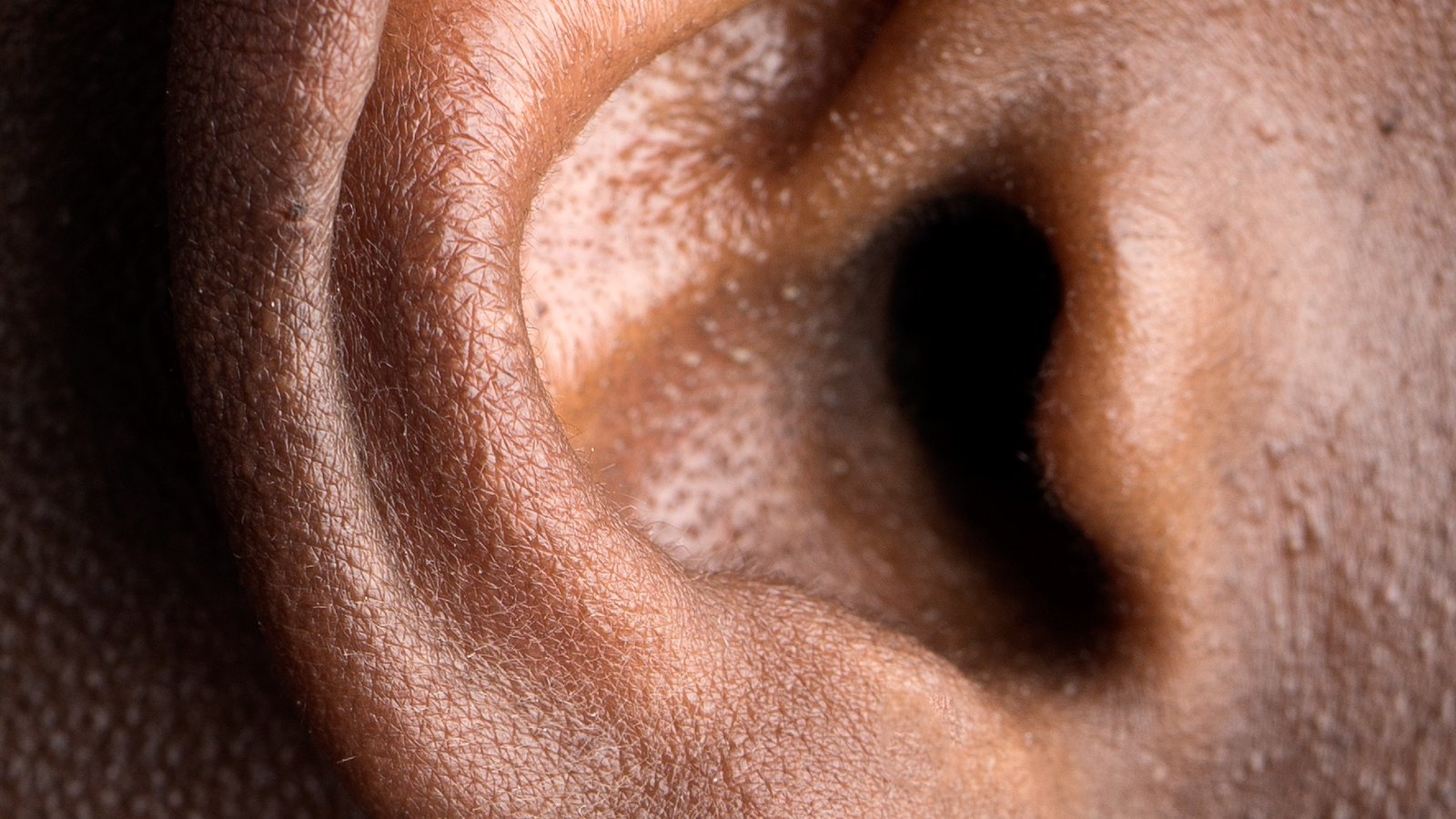
Featured image: Genusfotografen (Tomas Gunnarsson) / Wikimedia Sverige, licensed CC BY-SA 4.0, cropped.
Frequently Asked Questions
Does Nuropod Actually Increase HRV?
Not reliably in healthy people. A meta-analysis of 16 sham-controlled studies found strong evidence that acute taVNS does not change vagally mediated HRV (Wolf et al., Psychophysiology, 2021). Daily tragus stimulation shifted autonomic measures in older adults (Bretherton et al., Aging, 2019) and in some patient trials, but those studies did not test Nuropod as sold.
Is Nuropod FDA Approved?
No. Nuropod is not FDA cleared or approved. Parasym cites an FDA Non-Significant Risk designation, which applies to clinical research and is not a marketing authorization. Its European version, Nurosym, is CE marked.
Is Nuropod the Same as Nurosym?
Yes, in technology. Parasym says Nurosym and Nuropod use the same AVNT stimulation and are sold in different regions: Nuropod in the United States, Canada, Australia and New Zealand, and Nurosym in the UK and Europe.
How Long Do You Use Nuropod Each Day?
Parasym recommends 15 to 30 minutes, twice a day. The cardiology trials that found benefits used an hour a day for two to six months (Stavrakis et al., JACC Clinical Electrophysiology, 2020; Stavrakis et al., JACC Clinical Electrophysiology, 2024).
How Much Does Nuropod Cost, and Is There a Return Policy?
Nuropod lists at $900 in the US, often discounted about 5 percent, with no subscription. It comes with a 30-day money-back guarantee, a 24-month warranty on the controller and a 6-month warranty on the earpiece. We found no confirmation of HSA or FSA eligibility.
Can Nuropod Help With POTS or Atrial Fibrillation?
Small sham-controlled trials of daily tragus stimulation reduced the heart rate jump on standing in POTS (Stavrakis et al., JACC Clinical Electrophysiology, 2024) and atrial fibrillation burden in paroxysmal AF (Stavrakis et al., JACC Clinical Electrophysiology, 2020). These used research protocols, not Nuropod as sold, and should be discussed with a cardiologist rather than used as a substitute for treatment.
Sources
- Wolf V, Kühnel A, Teckentrup V, et al. Does transcutaneous auricular vagus nerve stimulation affect vagally mediated heart rate variability? A living and interactive Bayesian meta-analysis. Psychophysiology, 2021. PubMed ID 34473846
- Bretherton B, Atkinson L, Murray A, et al. Effects of transcutaneous vagus nerve stimulation in individuals aged 55 years or above: potential benefits of daily stimulation. Aging (Albany NY), 2019. PubMed ID 31358702
- Gentile F, Giannoni A, Navari A, et al. Acute right-sided transcutaneous vagus nerve stimulation improves cardio-vagal baroreflex gain in patients with chronic heart failure. Clin Auton Res, 2024. PubMed ID 39402309
- Stavrakis S, Stoner JA, Humphrey MB, et al. TREAT AF (Transcutaneous Electrical Vagus Nerve Stimulation to Suppress Atrial Fibrillation): A Randomized Clinical Trial. JACC Clin Electrophysiol, 2020. PubMed ID 32192678
- Stavrakis S, Chakraborty P, Farhat K, et al. Noninvasive Vagus Nerve Stimulation in Postural Tachycardia Syndrome: A Randomized Clinical Trial. JACC Clin Electrophysiol, 2024. PubMed ID 37999672
- Wang Z, Zhu T, Li X, et al. Tragus Nerve Stimulation Attenuates Postural Orthostatic Tachycardia Syndrome in Post COVID-19 Infection. Clin Cardiol, 2025. PubMed ID 40014480
- Zafeiropoulos S, Coleman K, Kogan J, et al. Transcutaneous Electrical Vagus Nerve Stimulation to Suppress Premature Ventricular Contractions: A Crossover, Randomized Clinical Trial (NoVa-PVC). JACC Clin Electrophysiol, 2025. PubMed ID 40392172
- Raj-Koziak D, Gos E, Kutyba J, et al. Effectiveness of transcutaneous vagus nerve stimulation for the treatment of tinnitus: an interventional prospective controlled study. Int J Audiol, 2024. PubMed ID 36799648
- Gierthmuehlen M, Schmieder K, Thon N, et al. Transcutaneous Auricular Vagal Nerve Stimulation Against Fatigue Syndrome in Patients with Long COVID: Results of the Randomized, Placebo-Controlled Clinical Pilot Trial COVIVA. Neurol Ther, 2026. PubMed ID 41926033
- Balan A, Graham G, Herban S, et al. Transcutaneous Auricular Vagus Nerve Stimulation for Post-COVID-19 Condition: A Systematic Review and Critical Appraisal of Clinical Evidence. J Clin Med, 2026. PubMed ID 42279108
- Proietti F, Ottaviani MM, Burchi E, et al. Vagus Nerve Stimulation in Movement Disorders, from Principles to a Systematic Review of Evidence. Mov Disord, 2025. PubMed ID 41025609
- HLTH. Parasym launches Nuropod non-invasive vagus nerve stimulation device, September 2025.
- HIT Consultant. Parasym launches Nuropod, a non-invasive vagus nerve stimulation device, September 2025.
- Parasym. Nurosym vs Nuropod guide, via MarketersMedia.
- Wareable. Nuropod review; Nuropod vs Pulsetto; Nurosym discount guide.
- Cybernews. Nuropod Black Friday 2026 deals; best vagus nerve stimulation devices.
- Nuropod companion app listing, Apple App Store.
Nuropod at a glance
- Hardware price
- $900
- Subscription
- None required
- First year total
- $900
- Form factor
- Ear clip on the tragus wired to a handheld controller (4 buttons, 45 intensity levels); no gel; optional iOS companion app
- FDA status
- Wellness device, no clearance
- HSA/FSA
- Unknown
Measures Vagus nerve stimulation (taVNS, tragus)
Pricing verified November 29, 2026. Maintained in the Healthcare Discovery device database and updated automatically.


Similar Posts

The Cash-Pay GLP-1 Trap: What to Check Before the Price Looks Cheap
A source-backed framework for comparing cash-pay GLP-1 offers: medication identity, total cost, clinical accountability, pharmacy verification, dose changes, cancellation, and continuity.

The GPS for Zombie Cells: How Mayo Clinic’s DNA Breakthrough Could Finally Unlock Precision Senolytic Therapy
A casual conversation between two Mayo Clinic graduate students sparked a discovery that could solve one of longevity medicine’s most stubborn problems: finding the cells that silently drive aging, cancer,…

LEVL Breath Ketone Analyzer: Clinical-Grade Fat Metabolism Monitoring
A professional-tier breath analyzer that quantifies fat oxidation with clinical precision, bridging the gap between consumer wellness gadgets and laboratory metabolic testing. Presented By Our Partners The relationship between breath…

What the World’s Oldest Person Reveals About the Biology of Extreme Longevity
A landmark Cell Reports Medicine study analyzed the genome, epigenome, microbiome, and metabolome of Maria Branyas Morera, the world’s oldest verified person. The findings reveal that extreme longevity results from…

Study Reveals the Three Waves of Aging: When Your Body Shifts Gears at 44, 50, and 60
Two landmark studies reveal that human aging is not gradual. Your body undergoes three distinct molecular upheavals around ages 44, 50, and 60, with blood vessels leading the decline. Here…
Samsung Galaxy Watch Ultra Review: Sleep Apnea, ECG, and the Ultra2
The Samsung Galaxy Watch Ultra is a 2024 rugged smartwatch with an FDA authorized sleep apnea feature. Replaced by the Ultra2, buy it only at a deep discount.